
Ecco con quali scultori collaborai
Spesso si racconta che lavorai sempre da solo, in qualsiasi circostanza, ma non è esattamente così. Furono infatti molteplici le collaborazioni nel corso degli anni: qualcuna risultò particolarmente felice, altre meno.
Fra gli anni Venti e Quaranta del Cinquecento, ebbi modo di avvalermi dell’aiuto di diversi scultori per portare avanti due progetti in particolare: prima quello della Sagrestia Nuova a Firenze e successivamente quello della Tomba di Giulio II a Roma.
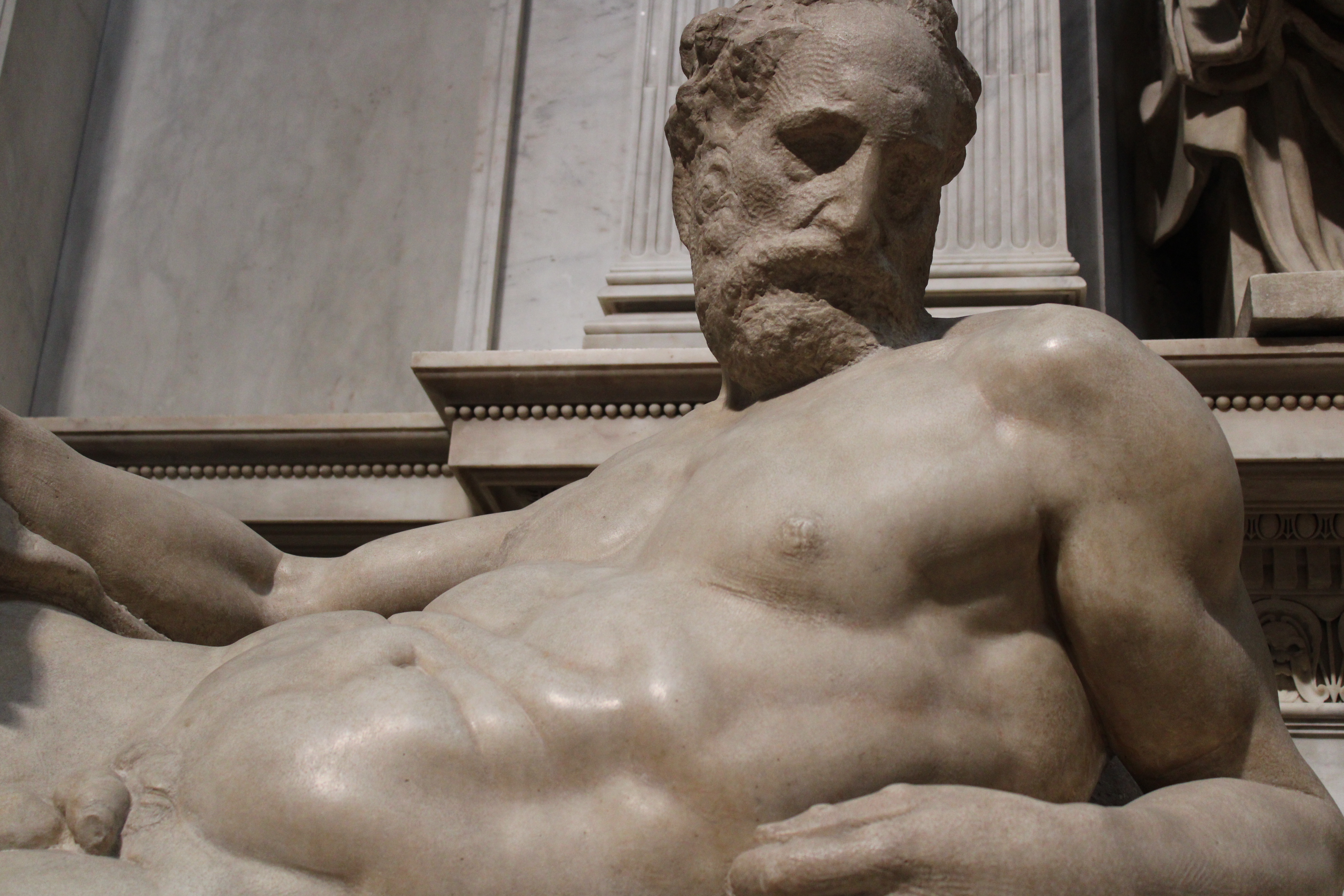
A Firenze volli con me Silvio Cosini per scolpire su mio mio progetto i due trofei d’armi all’eroica ma volli che lavorassero al mio fianco anche Francesco da Sangallo, il Tribolo.
Giovanni Angelo Montorsoli e Raffaello da Montelupo li avevo messi a lavorare ai due Santi che la famiglia Medici aveva scelto come propri protettori ovvero San Cosma e San Damiano.
Quando poi mi trasferii definitivamente a Roma, a partire dal 1534, volli con me ancora una volta lo scultore Raffaello da Montelupo. Chiamai anche lo Scherano, al secolo Alessandro Fancelli, tommaso Boscoli e Jacopo del Duca.
Devo ammettere però che lasciai a tutti questi scultori ben poca autonomia. Lavoravano su opere che già avevo pensato, progettato e di cui probabilmente avevo già realizzato il modello in terra. A volte gli fornivo pure il blocco in buona parte già lavorato da me per avere la certezza che sviluppassero al meglio l’idea che avevo in mente.
Se avessi potuto avrei fatto molto volentieri a meno dagli aiuti ma i committenti prima e gli eredi che s’erano fatti carico dell’impresa poi, avevano sempre fretta e pretendevano completassi quanto prima quei grandi complessi monumentali.
Da solo, con ventiquattro al giorno a disposizione, non sarebbe stato materialmente possibile accontentare tutti in una sola esistenza.
Per il momento il sempre vostro Michelangelo Buonarroti vi saluta dandovi appuntamento ai prossimi post e sui social.

Here are the sculptors I collaborated with
It is often said that I always worked alone, under any circumstances, but this is not exactly the case. In fact, there were many collaborations over the years: some were particularly successful, others less so.
Between the 1520s and 1540s, I had the opportunity to avail myself of the help of several sculptors to carry out two projects in particular: first that of the New Sacristy in Florence and subsequently that of the Tomb of Julius II in Rome.
In Florence I wanted Silvio Cosini with me to sculpt the two heroic arms trophies based on my design but I also wanted Francesco da Sangallo, Tribolo, to work for me. I had put Giovanni Angelo Montorsoli and Raffaello da Montelupo to work on the two saints that the Medici family had chosen as their protectors, namely San Cosma and San Damiano.
When I moved permanently to Rome, starting from 1534, I wanted the sculptor Raffaello da Montelupo with me once again. I also called Scherano, born Alessandro Fancelli, Tommaso Boscoli and Jacopo del Duca.
I must admit, however, that I left all these sculptors very little autonomy. They worked on works that I had already thought about, designed and for which I had probably already created the clay model. Sometimes I even provided them with the block that had already been largely worked on by me to make sure that they would best develop the idea I had in mind.
If I had been able to, I would have gladly done without the help but the clients first and the heirs who had taken charge of the undertaking later, were always in a hurry and expected me to complete those large monumental complexes as soon as possible.
Alone, with twenty-four hours a day at his disposal, it would not have been physically possible to please everyone in a single existence.
For the moment, your always Michelangelo Buonarroti greets you and will meet you in the next posts and on social media.

Sostienici – Support Us
Se questo blog ti piace e ti appassiona, puoi aiutarci a farlo crescere sempre più sostenendoci in modo concreto condividendo i post, seguendo le pagine social e con un contributo che ci aiuta ad andare avanti con il nostro lavoro di divulgazione. . ENGLISH: If you like and are passionate about this blog, you can help us make it grow more and more by supporting us in a concrete way by sharing posts, following social pages and with a contribution that helps us to move forward with our dissemination work.
10,00 €
-
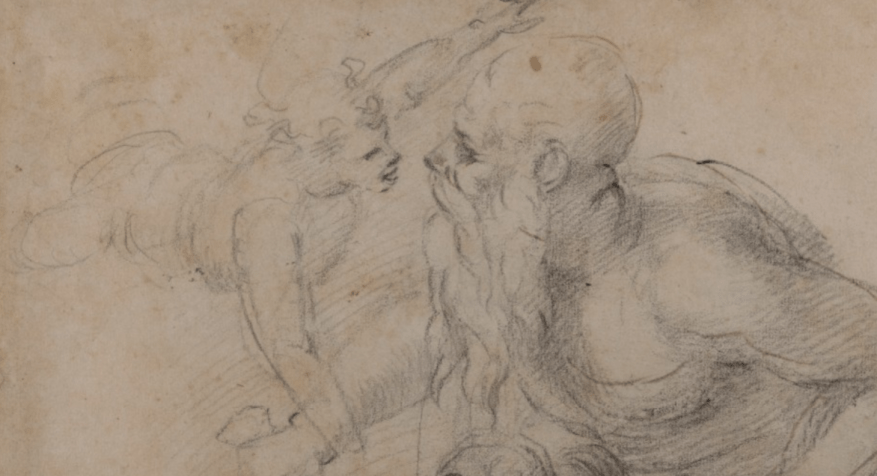
Il Sacrificio di Isacco e quel momento tra la vita e la morte
🇮🇹Oggi voglio raccontarvi alcuni dettagli sul mio disegno del Sacrificio di Isacco, conservato oggi a Casa Buonarroti. Su quel foglio volli tracciare il momento preciso in cui la paura fa spazio al miracolo… 🇬🇧Today I want to tell you some details about my drawing of the Sacrifice of Isaac, now preserved at Casa Buonarroti. On…
-
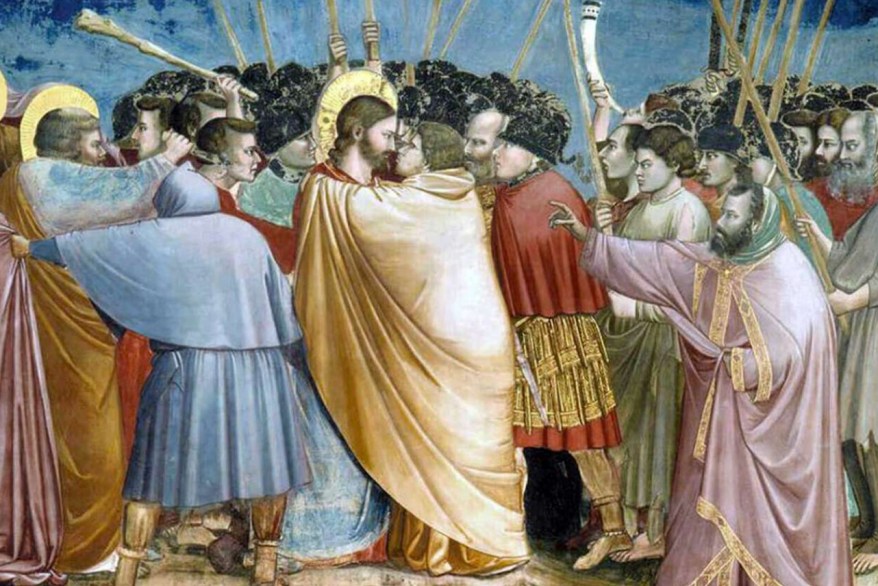
Mercoledì Santo: il giorno del tradimento di Giuda affrescato da Giotto
🇮🇹Il Mercoledì Santo è il giorno del silenzio, della riflessione e del tradimento. È il momento in cui Giuda sceglie di vendere Gesù per trenta denari, segnando uno dei passaggi più dolorosi della Settimana Santa…. 🇬🇧Holy Wednesday is a day of silence, reflection, and betrayal. ✝It is the moment when Judas chooses to sell Jesus…
-
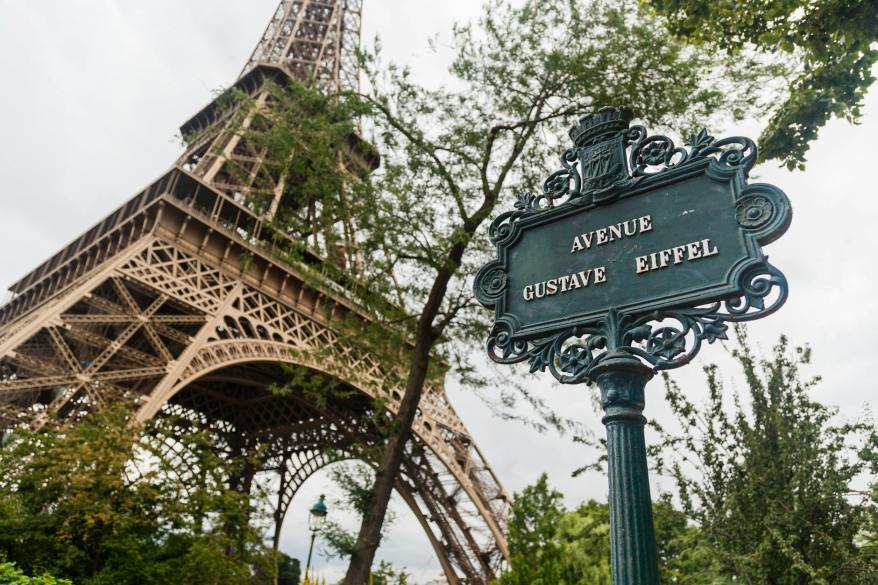
31 marzo 1889: inaugurata la Torre Eiffel tra critiche feroci e un destino inaspettato
🇮🇹Il 31 marzo 1889 segna una data destinata a cambiare per sempre il volto di Parigi e dell’immaginario collettivo globale: viene inaugurata la Torre Eiffel, l’opera più audace e discussa del suo tempo… 🇬🇧March 31, 1889 marks a date destined to change the face of Paris and the global collective imagination forever: the Eiffel Tower,…
Condividi:


Questo sono io





sostienici

Sostienici - Support Us
Se questo blog ti piace e ti appassiona, puoi aiutarci a farlo crescere sempre più sostenendoci in modo concreto condividendo i post, seguendo le pagine social e con un contributo che ci aiuta ad andare avanti con il nostro lavoro di divulgazione. . ENGLISH: If you like and are passionate about this blog, you can help us make it grow more and more by supporting us in a concrete way by sharing posts, following social pages and with a contribution that helps us to move forward with our dissemination work.
€10,00


