
28 giugno 1577: nasce Peter Paul Rubens in Olanda
Il 28 giugno del 1577 Pieter Paul Rubens nacque a Siegen, una cittadina situata nella Vestfalia, in Germania.
Figliolo di un avvocato fiammingo calvinista, si trasferì con la famiglia ad Anversa nel 1589. Fu lì che ricevette una solida educazione umanistica, studiando latino e letteratura classica convertendosi al cattolicesimo.

A 14 anni iniziò il suo apprendistato artistico nella bottega del pittore Tobias Verhaecht. Fu poi allievo di Adam van Noort e Otto van Veen, due importanti artisti locali. Otto van Veen ebbe una grande influenza sulla sua formazione, introducendolo alla pittura italiana e ai temi della mitologia classica.
Soggiorno in Italia e ascesa verso la notorietà
Nel 1600, Rubens si recò in Italia per approfondire le sue conoscenze artistica. A Mantova, entrò al servizio del duca Vincenzo I Gonzaga, lavorando come pittore di corte e intraprendendo importanti missioni diplomatiche. In quel periodo ebbe modo di studiare le opere dei grandi maestri italiani: da Tiziano a Raffaello.
Perfezionò anche il suo stile del tutto personale con una pittura capace di coniugare quella italiana con la tradizione fiamminga.

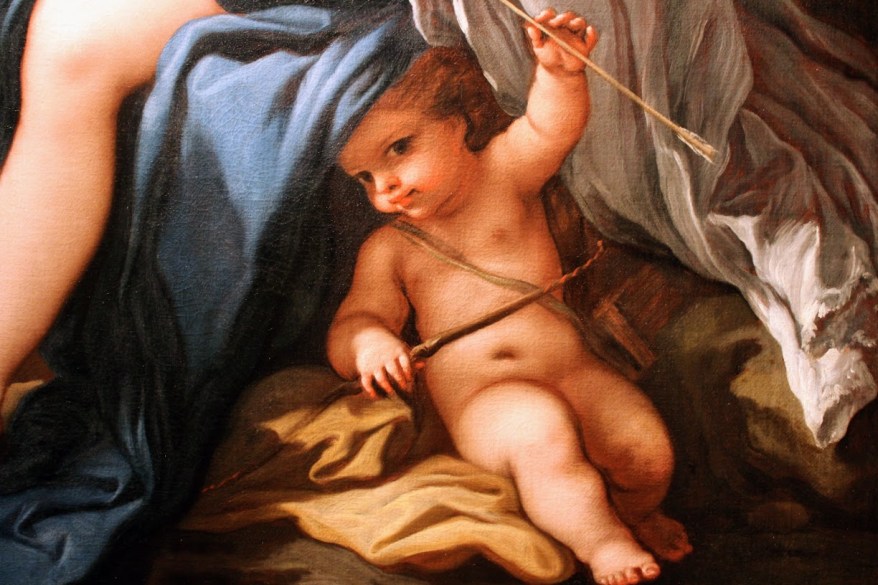
Venere cerca di impedire ad Adone di partire per la caccia
Otto anni dopo, nel 1608, Rubens fece ritorno ad Anversa e aprì una prolifica bottega con tanti assistenti. La sua fama crebbe rapidamente e divenne uno degli artisti più richiesti e celebrati d’Europa. Tra i suoi committenti annoverava sovrani, nobili, collezionisti e importanti istituzioni religiose.
Stile e opere
Parlare di Rubens significa pensare al Barocco: Le opere dell’artista sono dinamiche, teatrali e ricche di colori esuberanti. Si distinguono per l’armonia ma anche per la resa naturalistica dei soggetti.

Oltre alla pittura, Rubens fu anche un prolifico disegnatore e un abile incisore. Si dedicò inoltre alla decorazione di arazzi e alla progettazione di oggetti di lusso.
Continuò a lavorare instancabilmente fino alla morte, avvenuta ad Anversa il 30 maggio 1640. La sua eredità artistica è immensa e ha influenzato intere generazioni di artisti successivi.

Per il momento il sempre vostro Michelangelo Buonarroti vi saluta dandovi appuntamento ai prossimi post e sui social.


June 28, 1577: Peter Paul Rubens was born in Holland
On June 28, 1577 Pieter Paul Rubens was born in Siegen, a town located in Westphalia, Germany.
Son of a Calvinist Flemish lawyer, he moved with his family to Antwerp in 1589. It was there that he received a solid humanistic education, studying Latin and classical literature and converting to Catholicism.
At 14 he began his artistic apprenticeship in the workshop of the painter Tobias Verhaecht. He was then a pupil of Adam van Noort and Otto van Veen, two important local artists. Otto van Veen had a great influence on his education, introducing him to Italian painting and the themes of classical mythology.
Stay in Italy and rise to fame
In 1600, Rubens went to Italy to deepen his artistic knowledge. In Mantua, he entered the service of Duke Vincenzo I Gonzaga, working as a court painter and undertaking important diplomatic missions. In that period he had the opportunity to study the works of the great Italian masters: from Titian to Raphael.
He also perfected his entirely personal style with a painting capable of combining the Italian one with the Flemish tradition.
Eight years later, in 1608, Rubens returned to Antwerp and opened a prolific workshop with many assistants. His fame grew rapidly and he became one of the most sought-after and celebrated artists in Europe. Among his clients he included sovereigns, nobles, collectors and important religious institutions.
Style and works
Talking about Rubens means thinking about the Baroque: The artist’s works are dynamic, theatrical and full of exuberant colours. They stand out for their harmony but also for the naturalistic rendering of the subjects.
In addition to painting, Rubens was also a prolific draftsman and a skilled printmaker. He also dedicated himself to the decoration of tapestries and the design of luxury objects.
He continued to work tirelessly until his death in Antwerp on 30 May 1640. His artistic legacy is immense and has influenced entire generations of subsequent artists.
For the moment, your always Michelangelo Buonarroti greets you and will meet you in the next posts and on social media.

Sostienici – Support Us
Se questo blog ti piace e ti appassiona, puoi aiutarci a farlo crescere sempre più sostenendoci in modo concreto condividendo i post, seguendo le pagine social e con un contributo che ci aiuta ad andare avanti con il nostro lavoro di divulgazione. . ENGLISH: If you like and are passionate about this blog, you can help us make it grow more and more by supporting us in a concrete way by sharing posts, following social pages and with a contribution that helps us to move forward with our dissemination work.
10,00 €
-
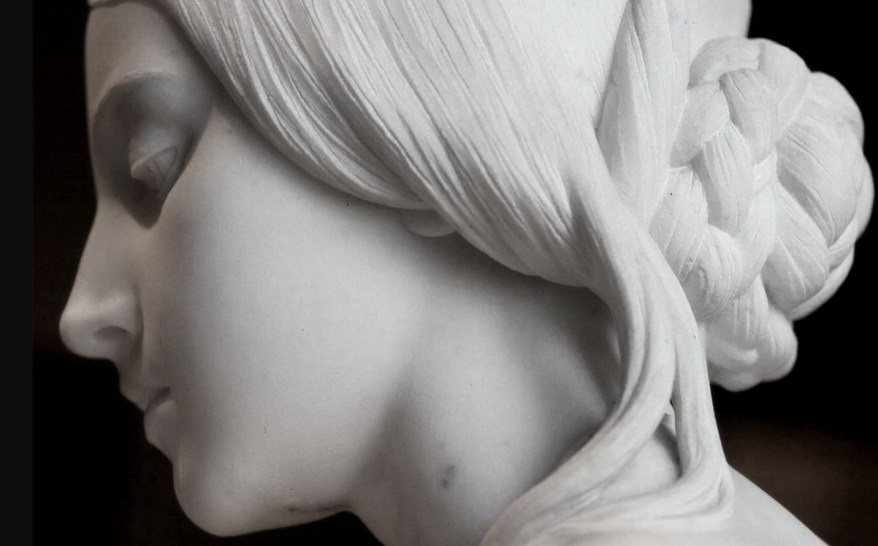
21 ottobre 1816: nasce Pietro Magni, lo scultore che trasformò una giovane lettrice in un capolavoro
🇮🇹Il 21 ottobre 1816 nasceva Pietro Magni, lo scultore della Giovane leggitrice. Scopri la storia dell’opera ignorata a Brera e diventata un successo nel 1861… 🇬🇧On October 21, 1816, Pietro Magni—the sculptor behind The Young Reader was born. Discover the story of this work, which was initially overlooked at the Brera Academy before becoming a…
-

21 ottobre 1556: muore Pietro Aretino, il ‘flagello dei principi’ che attaccò il mio Giudizio Universale
🇮🇹Il 21 ottobre 1556 moriva Pietro Aretino, poeta e polemista rinascimentale. Dopo aver chiesto invano un mio disegno, si scagliò contro il Giudizio Universale… 🇬🇧On October 21, 1556, Pietro Aretino—a Renaissance poet and polemicist—died. After having asked me in vain for a drawing, he lashed out against The Last Judgment…
-
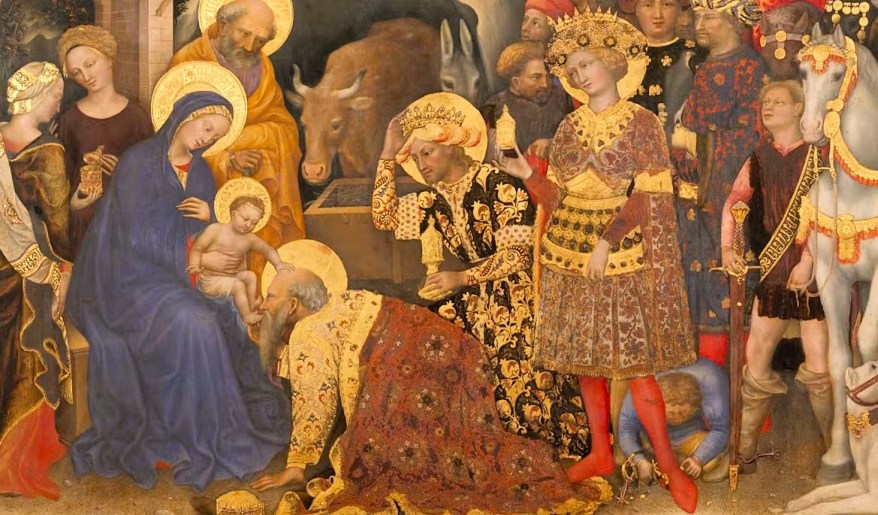
L’Adorazione dei Magi di Gentile da Fabriano: il Natale più ricco e spettacolare del Rinascimento
🇮🇹Oro, mantelli ricamati e un corteo di sovrani: scopri l’Adorazione dei Magi di Gentile da Fabriano, capolavoro del 1423 agli Uffizi… 🇬🇧Gold, embroidered cloaks, and a procession of sovereigns: discover the Adoration of the Magi by Gentile da Fabriano, a 1423 masterpiece housed at the Uffizi…
Condividi:


Questo sono io




sostienici

Sostienici - Support Us
Se questo blog ti piace e ti appassiona, puoi aiutarci a farlo crescere sempre più sostenendoci in modo concreto condividendo i post, seguendo le pagine social e con un contributo che ci aiuta ad andare avanti con il nostro lavoro di divulgazione. . ENGLISH: If you like and are passionate about this blog, you can help us make it grow more and more by supporting us in a concrete way by sharing posts, following social pages and with a contribution that helps us to move forward with our dissemination work.
€10,00


