
Il Dipinto del giorno: la Madonna delle ciliegie del Barocci
Il dipinto del giorno che vi propongo oggi è ‘Il Riposo durante la Fuga in Egitto’ di Domenico Fiori, più noto come il Barocci, tela dipinta a olio detta anche ‘la Madonna delle ciliege’.
Fu Simonetto Anastagi di Perugia a commissionare l’opera all’amico urbinate attorno al 1573, anno in cui la tela fu conclusa e inviata a chi l’aveva richiesta.
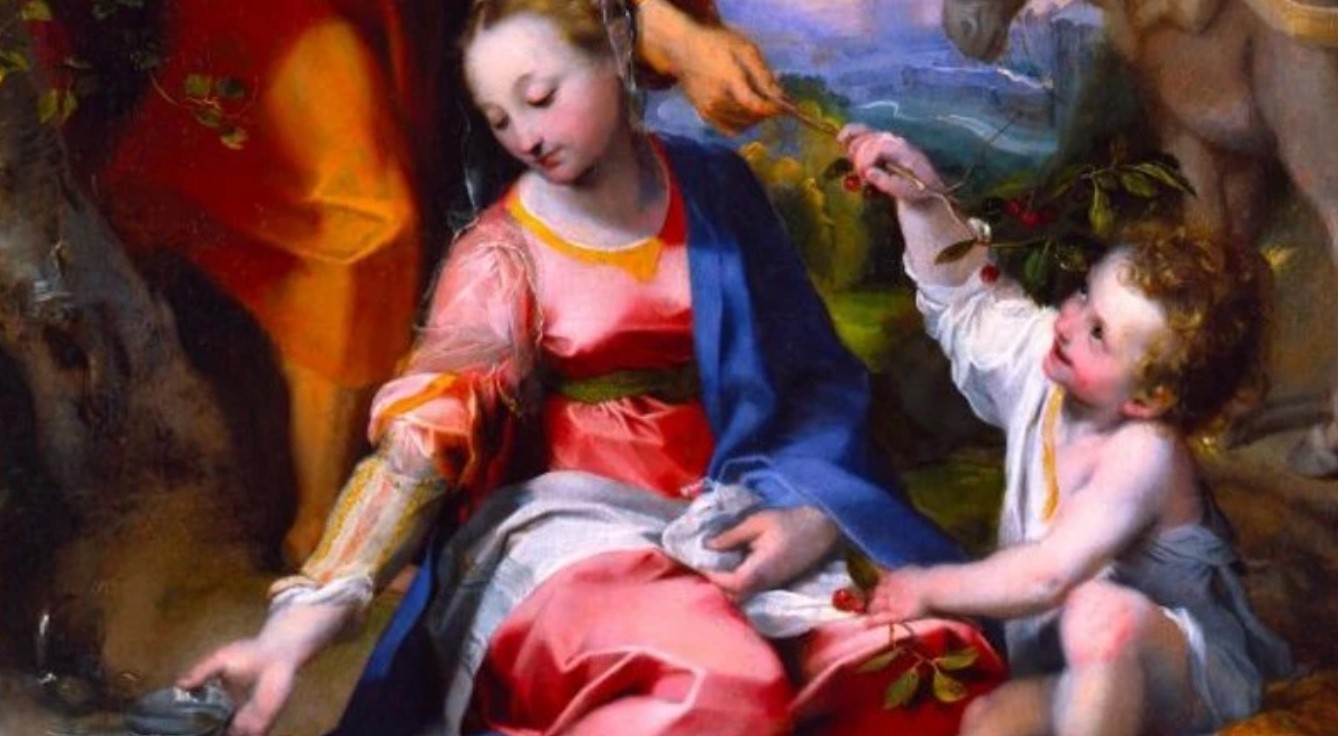
Secondo il vangelo apocrifo dello pseudo Matteo, fu una palma a offrire riparo con le sue fronde alla Vergine e al Bambino ma anche ristoro con i suoi dolci frutti. Barocci invece preferì sostituirla con un albero di ciliege.
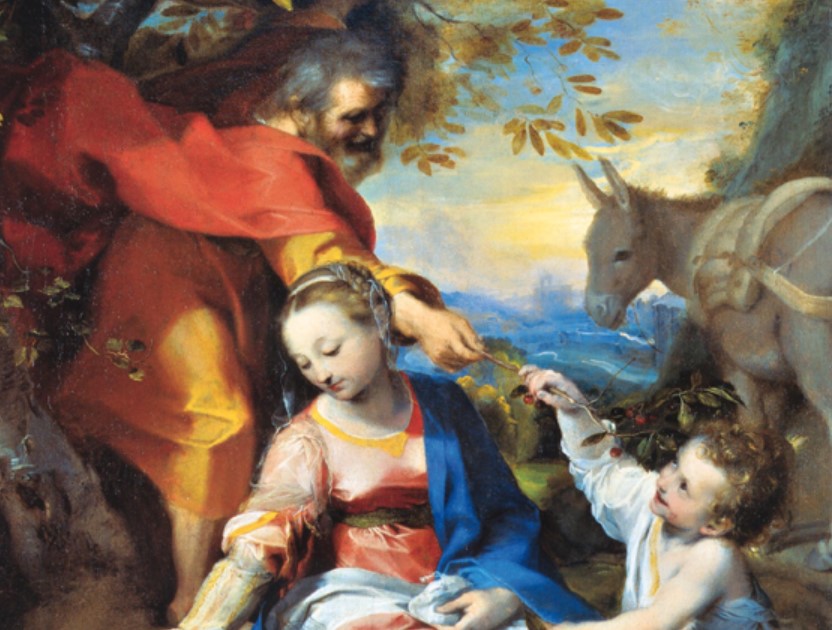
San Giuseppe ne porge un rametto ricco di frutti al Figlio che prontamente protende la mano destra per afferrarlo.
Non fu un caso la scelta di questi frutti che con il loro colore rosso rubino alludono al sangue versato durante la Passione di Cristo mentre la loro dolcezza sottintende quella del Paradiso.
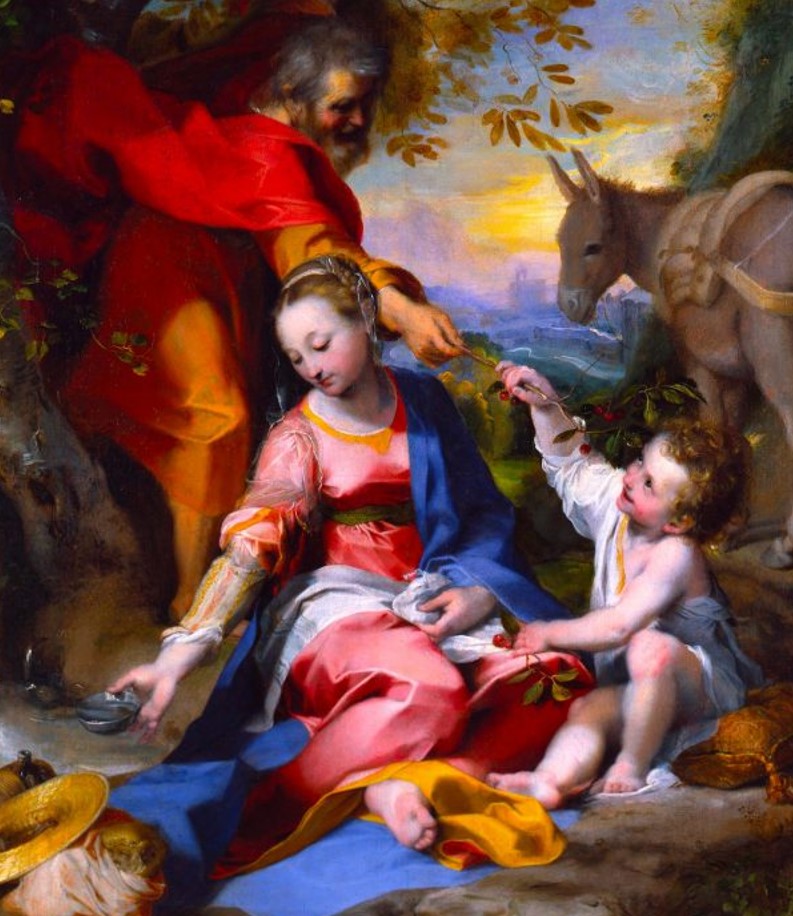
La composizione del Barocci è particolarmente curata e sembra ispirarsi ai dipinti del Correggio. La scena divina che si svolge sotto gli occhi dello spettatore è portata a una dimensione più umana come i nuovi canoni della Controriforma prediligevano.
I colori brillanti tipici dell’artista abbinati alle forme morbide dei panneggi, riescono a suscitare in chi guarda l’opera un senso di tranquillità.
Osservate l’asino con il basto sul dorso con quanta dolcezza guarda la scena che si sta svolgendo sotto i suoi occhi.
Quando l’Anastagi nel 1602 passò a miglior vita, la tela del Barocci passò nelle mani dei Gesuiti di Perugia che la custodirono fino al 1773.
L’ordine fu successivamente soppresso e l’opera arrivò in un primo momento al Palazzo del Quirinale a Roma e poi, nel 1790, trasferita alla Pinacoteca Vaticana.
Se le opere del Barocci vi appassionano, non perdete l’occasione di visitare la mostra “Federico Barocci, Urbino 1532-1612” è la mostra curata da Luigi Gallo e Anna Maria Ambrosini Massari che verrà inaugurata presso la Galleria nazionale delle Marche il 20 giugno 2024.
Per il momento il sempre vostro Michelangelo Buonarroti vi saluta dandovi appuntamento ai prossimi post e sui social.
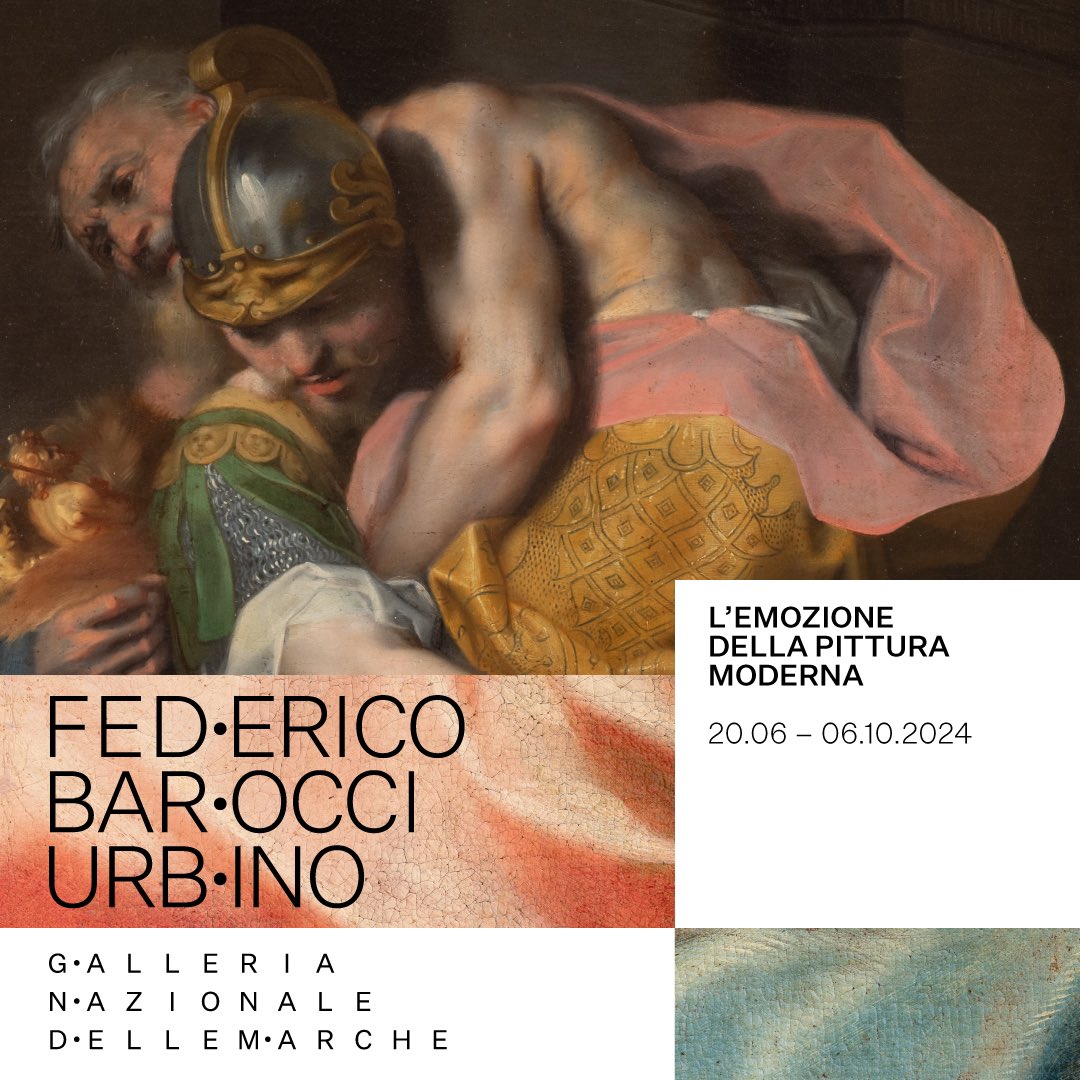
“Federico Barocci Urbino. L’emozione della pittura moderna”
Galleria Nazionale delle Marche, Palazzo Ducale di Urbino. A cura di Luigi Gallo e Anna Maria Ambrosini Massari con Luca Baroni e Giovanni Russo.
Dal 20 giugno 2024 al 06 ottobre 2024
Orari: da Martedì a Domenica: dalle 8:30 alle 19:15 (chiusura biglietteria ore 18:15); Lunedì chiuso
Ingresso: € 12 intero; € 2 ridotto; € 1 prenotazione
Piazza Rinascimento 13, 61029 Urbino (PU)
Telefono: 0722 2760
gan-mar@cultura.gov.it
Painting of the day: Barocci’s Madonna of the Cherries
The painting of the day that I propose to you today is ‘The Rest during the Flight into Egypt’ by Domenico Fiori, better known as Barocci, an oil painted canvas also known as ‘the Madonna of the cherries’.
It was Simonetto Anastagi from Perugia who commissioned the work to his friend from Urbino around 1573, the year in which the canvas was completed and sent to those who had requested it.
According to the apocryphal gospel of the pseudo Matthew, it was a palm tree that offered shelter with its fronds to the Virgin and Child but also refreshment with its sweet fruits. Barocci instead preferred to replace it with a cherry tree.
Saint Joseph offers a sprig rich in fruit to his Son who promptly extends his right hand to grasp it.
The choice of these fruits was no coincidence, with their ruby red color alluding to the blood shed during the Passion of Christ while their sweetness implies that of Paradise.
Barocci’s composition is particularly careful and seems to be inspired by Correggio’s paintings. The divine scene that unfolds before the eyes of the spectator is brought to a more human dimension as the new canons of the Counter-Reformation favored.
The bright colors typical of the artist combined with the soft shapes of the drapery manage to arouse a sense of tranquility in those who look at the work.
Observe the donkey with the pack on its back with how sweetly it looks at the scene that is unfolding before its eyes.
When the Anastagi passed away in 1602, Barocci’s canvas passed into the hands of the Jesuits of Perugia who kept it until 1773.
The order was subsequently suppressed and the work initially arrived at the Quirinale Palace in Rome and then, in 1790, transferred to the Vatican Art Gallery.
If you are passionate about Barocci’s works, don’t miss the opportunity to visit the exhibition “Federico Barocci, Urbino 1532-1612” is the exhibition curated by Luigi Gallo and Anna Maria Ambrosini Massari which will be inaugurated at the National Gallery of the Marche on 20 June 2024.
For the moment, your always Michelangelo Buonarroti greets you and will meet you in the next posts and on social media.
“Federico Barocci Urbino. The emotion of modern painting”
National Gallery of the Marche, Ducal Palace of Urbino. Edited by Luigi Gallo and Anna Maria Ambrosini Massari with Luca Baroni and Giovanni Russo.
From 20 June 2024 to 06 October 2024
Opening times: from Tuesday to Sunday: from 8.30am to 7.15pm (ticket office closing at 6.15pm); Monday closed
Entrance: €12 full; €2 reduced; €1 booking
Piazza Rinascimento 13, 61029 Urbino (PU)
Telephone: 0722 2760
gan-mar@cultura.gov.it
-
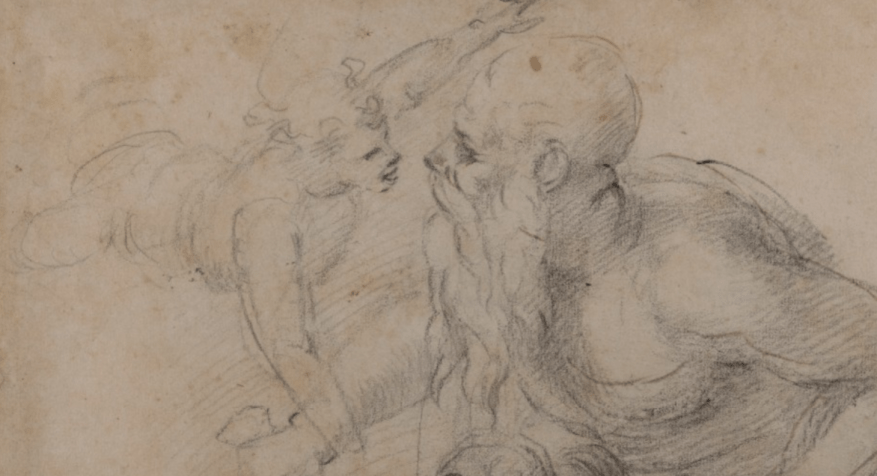
Il Sacrificio di Isacco e quel momento tra la vita e la morte
🇮🇹Oggi voglio raccontarvi alcuni dettagli sul mio disegno del Sacrificio di Isacco, conservato oggi a Casa Buonarroti. Su quel foglio volli tracciare il momento preciso in cui la paura fa spazio al miracolo… 🇬🇧Today I want to tell you some details about my drawing of the Sacrifice of Isaac, now preserved at Casa Buonarroti. On…
-
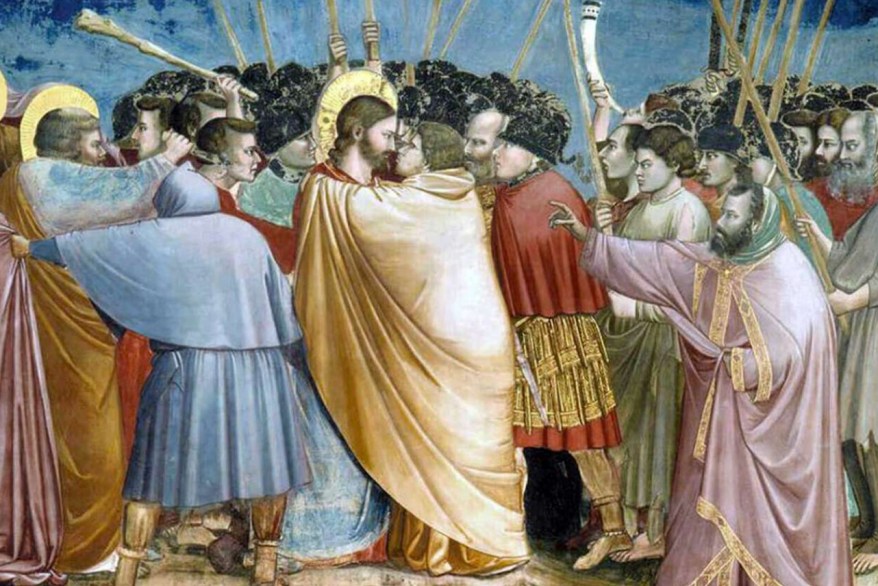
Mercoledì Santo: il giorno del tradimento di Giuda affrescato da Giotto
🇮🇹Il Mercoledì Santo è il giorno del silenzio, della riflessione e del tradimento. È il momento in cui Giuda sceglie di vendere Gesù per trenta denari, segnando uno dei passaggi più dolorosi della Settimana Santa…. 🇬🇧Holy Wednesday is a day of silence, reflection, and betrayal. ✝It is the moment when Judas chooses to sell Jesus…
-
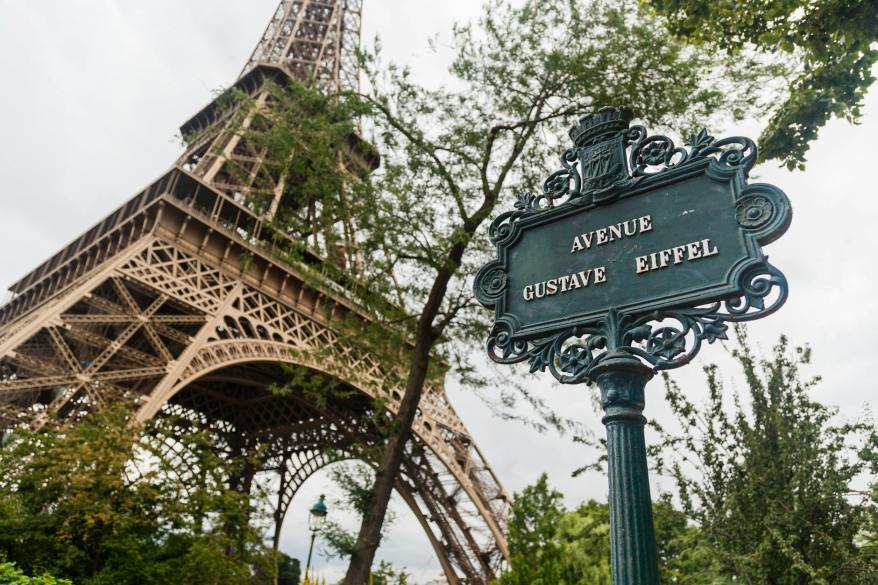
31 marzo 1889: inaugurata la Torre Eiffel tra critiche feroci e un destino inaspettato
🇮🇹Il 31 marzo 1889 segna una data destinata a cambiare per sempre il volto di Parigi e dell’immaginario collettivo globale: viene inaugurata la Torre Eiffel, l’opera più audace e discussa del suo tempo… 🇬🇧March 31, 1889 marks a date destined to change the face of Paris and the global collective imagination forever: the Eiffel Tower,…

Sostienici – Support Us
Se questo blog ti piace e ti appassiona, puoi aiutarci a farlo crescere sempre più sostenendoci in modo concreto condividendo i post, seguendo le pagine social e con un contributo che ci aiuta ad andare avanti con il nostro lavoro di divulgazione. . ENGLISH: If you like and are passionate about this blog, you can help us make it grow more and more by supporting us in a concrete way by sharing posts, following social pages and with a contribution that helps us to move forward with our dissemination work.
10,00 €
Condividi:


Questo sono io





sostienici

Sostienici - Support Us
Se questo blog ti piace e ti appassiona, puoi aiutarci a farlo crescere sempre più sostenendoci in modo concreto condividendo i post, seguendo le pagine social e con un contributo che ci aiuta ad andare avanti con il nostro lavoro di divulgazione. . ENGLISH: If you like and are passionate about this blog, you can help us make it grow more and more by supporting us in a concrete way by sharing posts, following social pages and with a contribution that helps us to move forward with our dissemination work.
€10,00


