

Musei Vaticani: la scala elicoidale di Momo
Oggi voglio parlarvi di una delle scalinate più belle e fotografate del mondo: la scala elicoidale a doppia rampa di Giuseppe Momo.
Mi sono deciso a raccontarvi di questa incredibile opera architettonica perché mi è capitato spesso di vederla attribuita al Bramante: ma che c’incastra lui che nemmeno m’è andato mai a genio con questo lavoro decisamente più moderno? Valli a capire quelli che scrivono le cose a casaccio su Instagram, io c’ho rinunciato da tempo.
La scala fu commissionata da papa Pio XI al vercellese architetto della Reverenda Fabbrica di San Pietro Giuseppe Momo nel 1929, dopo i Patti Lateranensi.

Per realizzare la scalinata del nuovo ingresso ai Musei Vaticani, oggi divenuta invece l’uscita, Momo si ispirò liberamente a quella del Pozzo di San Patrizio di Orvieto, progettata dal Sangallo.
Cosa poco noto è il fatto che il papa intervenne personalmente sul disegno dell’architetto imponendo modifiche. In un primo momento l’architetto aveva pensato a una rampa esterna ma il pontefice volle si realizzasse all’interno degli antichi bastioni, scavando un pozzo nel terrapieno.

Momo ebbe la brillante intuizione di realizzare una doppia rampa elicoidale che consentisse al flusso in entrata e quello in uscita dei visitatori di proseguire il proprio cammino nelle due direzioni senza incontrarsi mai.

Il sempre vostro Michelangelo Buonarroti e i suoi racconti

Vatican Museums: the spiral staircase of Momo
Today I want to tell you about one of the most beautiful and photographed stairways in the world: the double flight helical staircase by Giuseppe Momo.
I decided to tell you about this incredible architectural work because I have often seen it attributed to Bramante: but what’s the matter with him that I never even liked with this decidedly more modern work? Go figure those who write things at random on Instagram, I gave up a long time ago.
The staircase was commissioned by Pope Pius XI to the Vercelli architect of the Reverend Factory of San Pietro Giuseppe Momo in 1929, after the Lateran Pacts.
To create the staircase of the new entrance to the Vatican Museums, which today has become the exit, Momo was freely inspired by that of the Pozzo di San Patrizio in Orvieto, designed by Sangallo.
What is little known is the fact that the pope personally intervened on the architect’s design by imposing changes. At first the architect had thought of an external ramp but the pope wanted it to be built inside the ancient ramparts, digging a well in the embankment.
Momo had the brilliant intuition of creating a double helical ramp that would allow the incoming and outgoing flow of visitors to continue their journey in the two directions without ever meeting.
Your always Michelangelo Buonarroti and his stories
Sostienici – Support Us
Se questo blog ti piace e ti appassiona, puoi aiutarci a farlo crescere sempre più sostenendoci in modo concreto condividendo i post, seguendo le pagine social e con un contributo che ci aiuta ad andare avanti con il nostro lavoro di divulgazione. . ENGLISH: If you like and are passionate about this blog, you can help us make it grow more and more by supporting us in a concrete way by sharing posts, following social pages and with a contribution that helps us to move forward with our dissemination work.
5,00 €
ULTIMI ARTICOLI
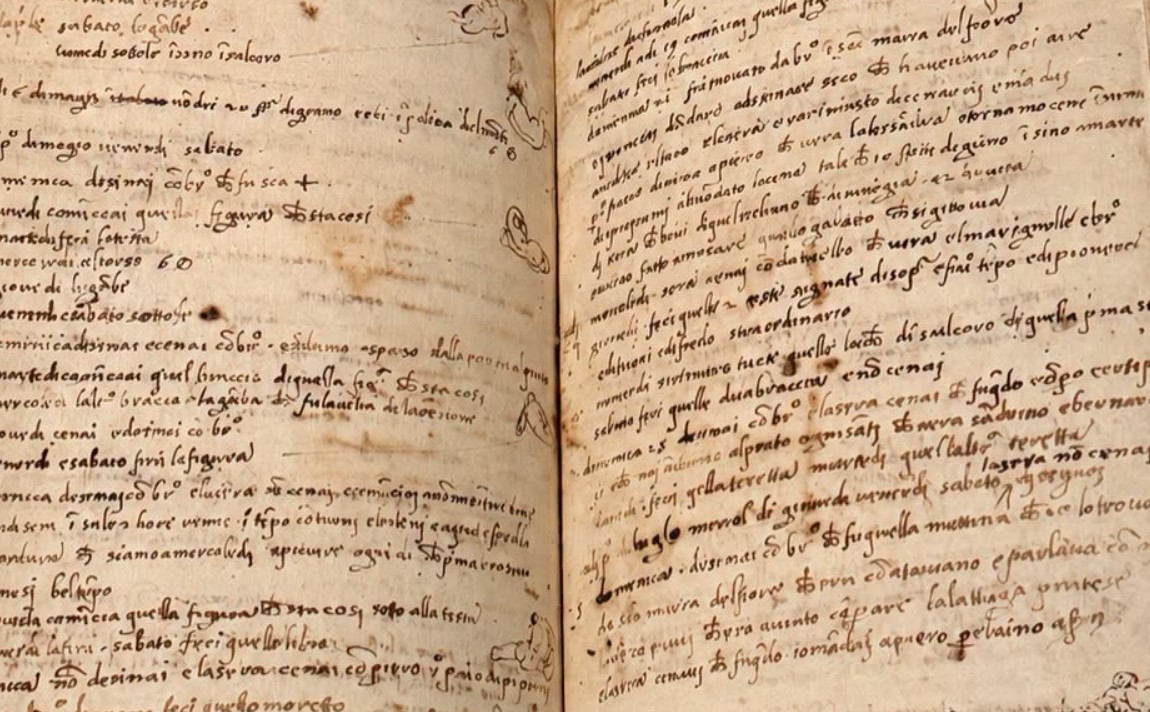
Pontormo, il diario segreto del pittore: malattie, pasti e piccoli disegni che raccontano la sua vita
🇮🇹Il diario di Pontormo: malattie, pasti, amicizie e piccoli disegni raccontano la vita privata del pittore e il lavoro perduto a San Lorenzo… 🇬🇧Pontormo’s diary—with its accounts of illnesses, meals, friendships, and small sketches—reveals the painter’s private life and his lost work at San Lorenzo…
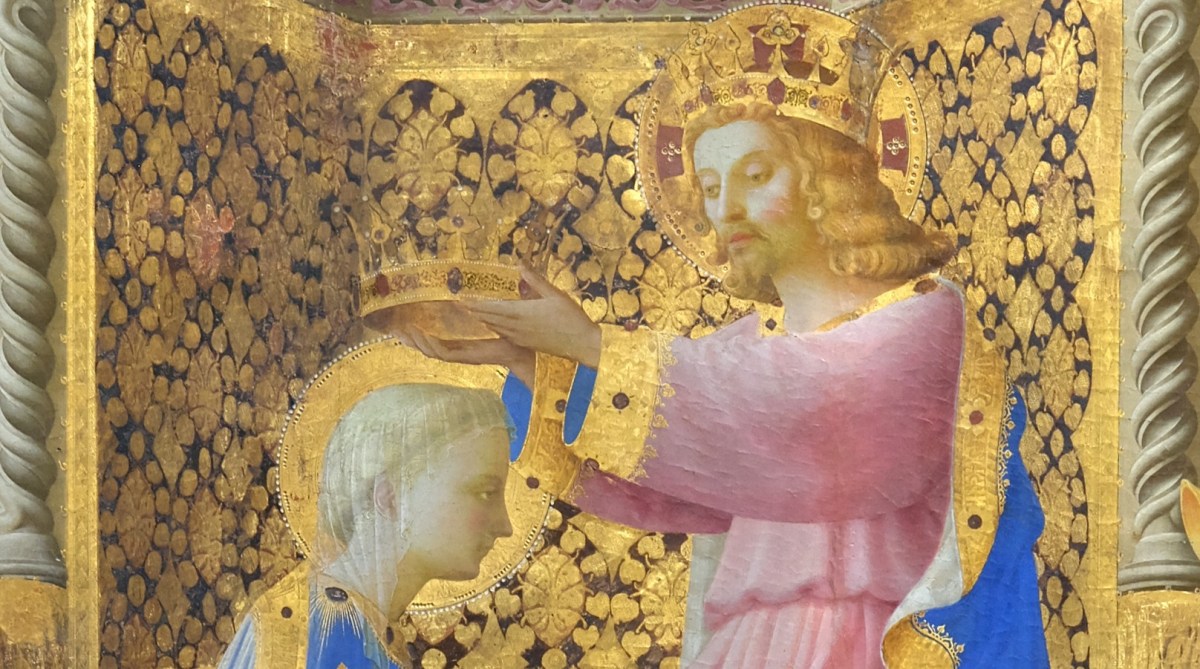
25 ottobre 1815: le opere rubate da Napoleone tornarono in Italia, ma 248 rimasero in Francia
🇮🇹Il 25 ottobre 1815 partì da Parigi un convoglio di 41 carri trainati da circa 200 cavalli, con 249 opere d’arte destinate a tornare in Italia… 🇬🇧On October 25, 1815, a convoy of 41 wagons, pulled by approximately 200 horses, departed from Paris, carrying 249 works of art destined to return to Italy…

Più forte della morte
🇮🇹Può l’amore superare la morte? In un madrigale sorprendente, il desiderio di chi amo arriva fino all’Inferno e al Paradiso… 🇬🇧Can love transcend death? In a striking madrigal, the longing for the one I love reaches as far as Hell and Paradise…
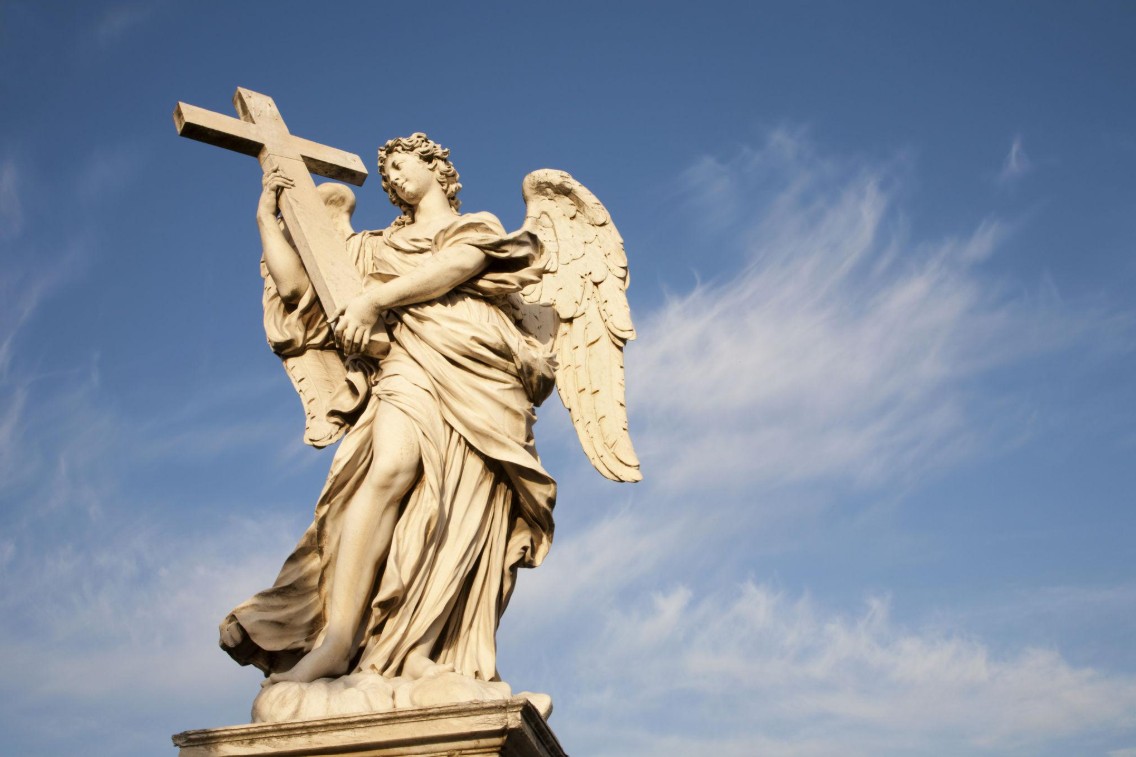
Ercole Ferrata: il grande scultore che lavorò accanto a Bernini
🇮🇹Chi era Ercole Ferrata? Scopri le opere dello scultore barocco che collaborò con Bernini: dall’Angelo con la Croce all’elefante della Minerva… 🇬🇧Who was Ercole Ferrata? Discover the works of the Baroque sculptor who collaborated with Bernini—from the *Angel with the Cross* to the elephant of the Minerva…
Si è verificato un problema. Aggiorna la pagina e/o riprova in seguito.
Condividi:


Questo sono io



sostienici
Sostienici – Support Us
Se questo blog ti piace e ti appassiona, puoi aiutarci a farlo crescere sempre più sostenendoci in modo concreto condividendo i post, seguendo le pagine social e con un contributo che ci aiuta ad andare avanti con il nostro lavoro di divulgazione. . ENGLISH: If you like and are passionate about this blog, you can help us make it grow more and more by supporting us in a concrete way by sharing posts, following social pages and with a contribution that helps us to move forward with our dissemination work.
€10,00


1 commento »