
Il Dipinto del giorno: la Madonna col Bambino di Filippo Lippi in cui il frate dipinse l’amata e il figlio Filippino
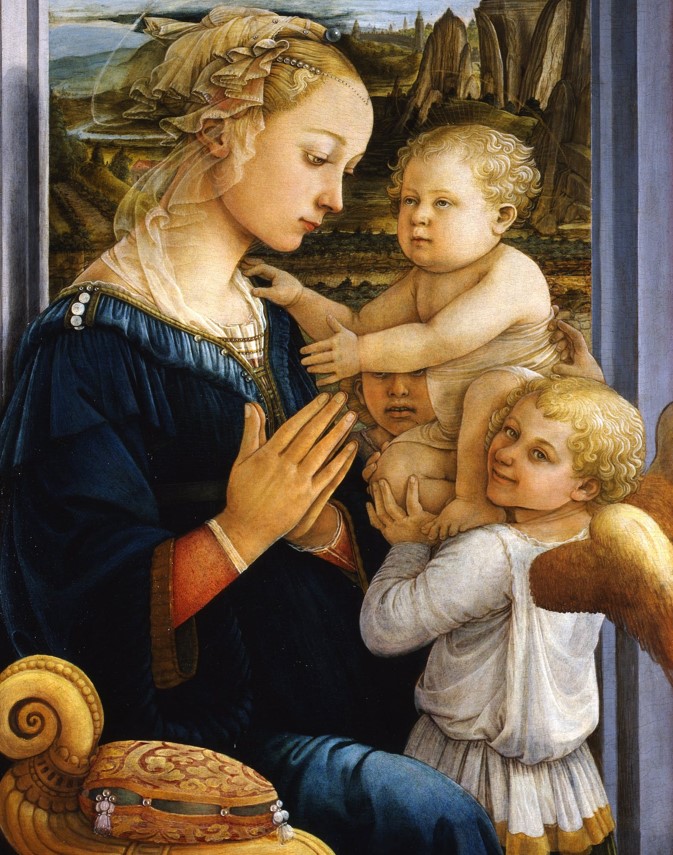
Il dipinto del giorno che vi propongo oggi sicuramente è quello più celebre di fra’ Filippo Lippi ed è anche il più replicato e studiato dagli artisti a lui contemporanei e successivi.
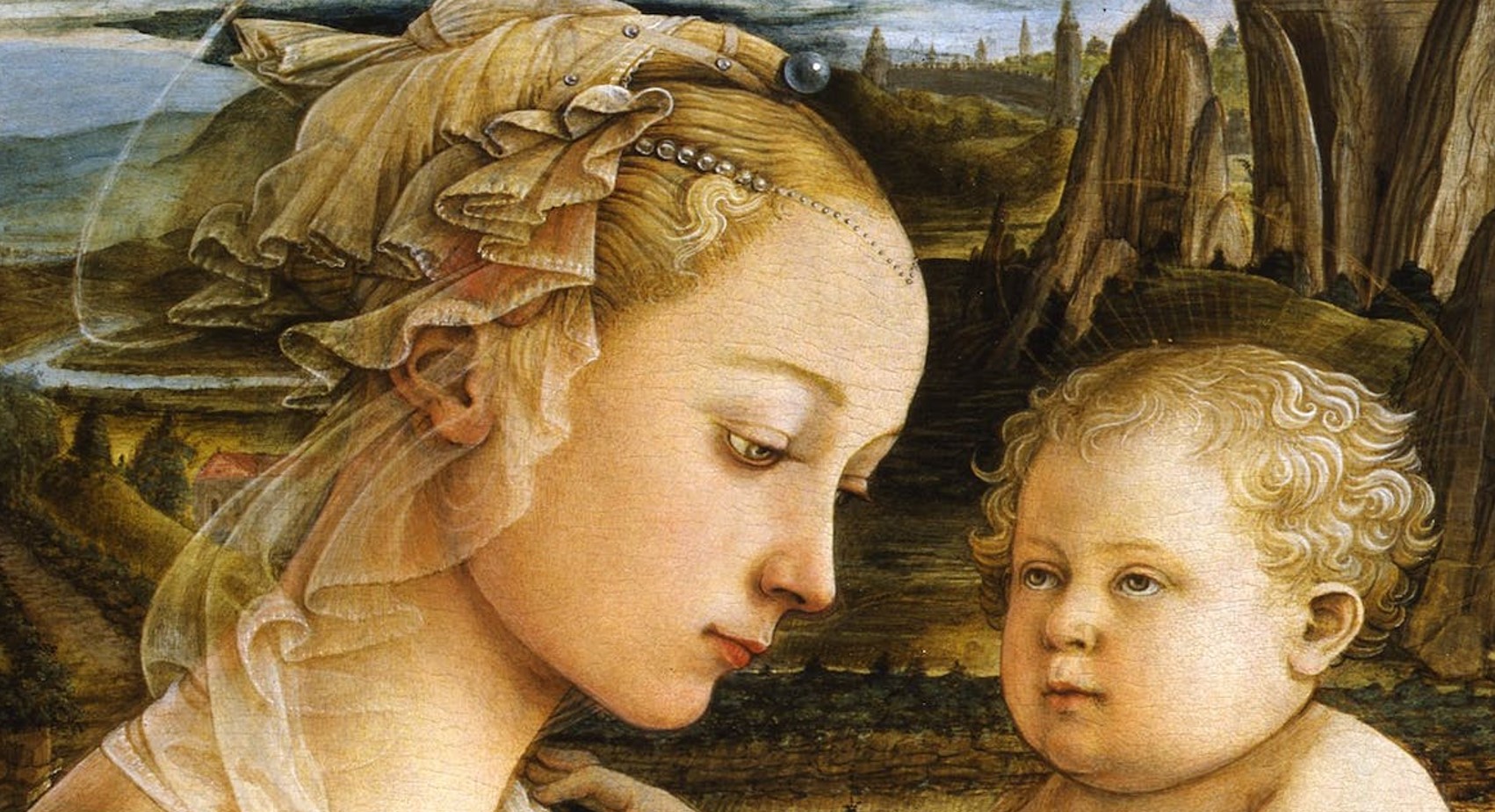
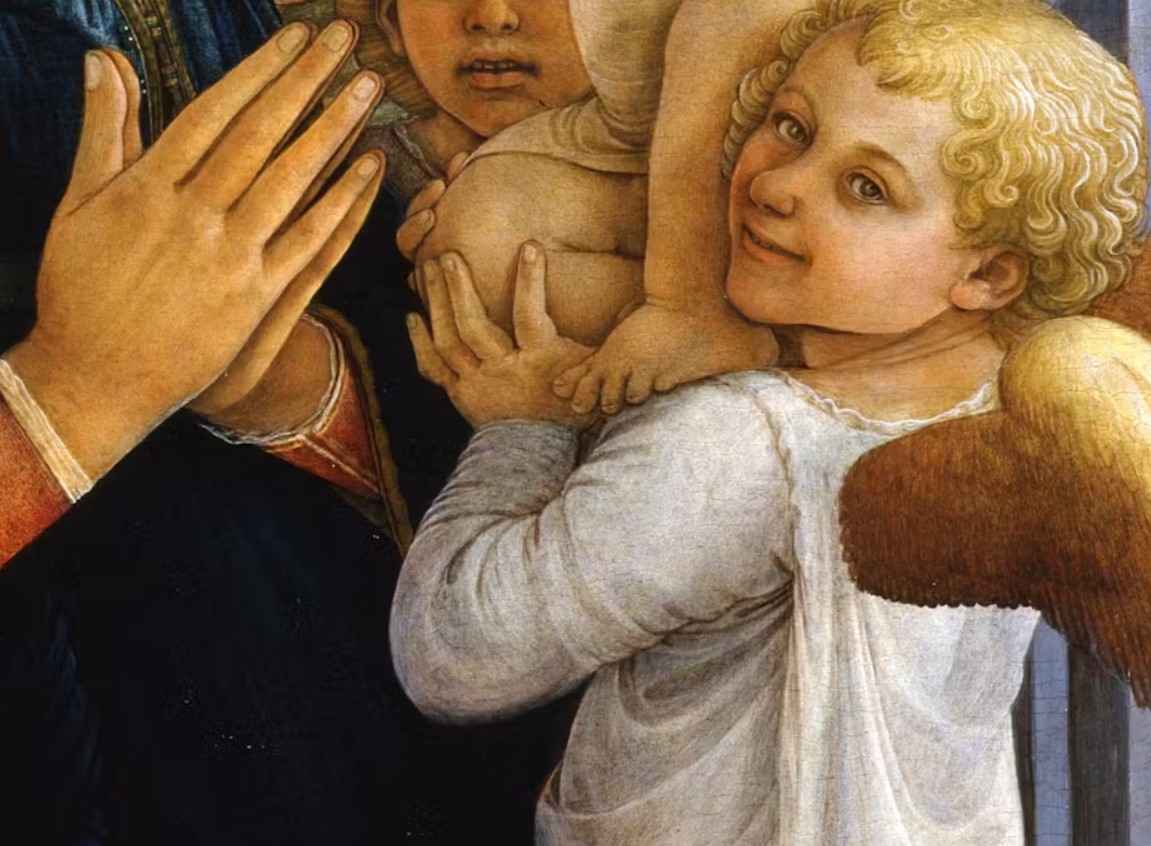
E’ la Madonna col Bambino e due angeli in cui l’artista ritrasse l’amata Lucrezia Buti, giovane monaca amata dall’artista, con il capo acconciato con una complessa pettinatura arricchita dal velo e da una filza di perle.
Abbigliata con un sontuoso abito in velluto, tiene le mani giunte in preghiera mentre il Figlio, sollevato da un angelo, protende le manine verso di lei.
Proprio l’angelo che sostiene il bambino sembra avesse le sembianze del figlio di Lucrezia e Filippo. Filippino, così fu chiamato il figlio, divenne poi eccellente e rinomato artista a sua volta.
Nel 1456, Filippo Lippi che aveva all’epoca una cinquantina d’anni e rivestiva l’incarico di Cappellano presso il convento di Santa Margherita di Prato, era impegnato a realizzare la pala con La Madonna che dà la cintola a San Tommaso.
Per raffigurare Santa Margherita, chiese alla Badessa se potesse dipingere il volto di una suora. Scelse Lucrezia Buti, ventenne e con un viso angelico.
Entrambi costretti a prendere i voti in tenera età più per questioni economiche delle misere famiglie che avevano alle spalle che per credo religioso, si innamorarono. Filippo escogitò un finto rapimento durante una processione e portò nella sua casa di Prato Lucrezia.
Pensate che Filippo Lippi fu costretto a farsi frate a soli otto anni, entrando nel convento del Carmine al fratello Giovanni e prese i voti nel 1421 come frate carmelitano. Se avesse potuto scegliere probabilmente non sarebbe mai divenuto frate e stessa cosa valse per Lucrezia, obbligata a farsi monaca.
Non fu una scelta libera la sua di farsi frate ma dettata dalla miseria: era l’unico modo di farlo sopravvivere e magari pure studiare in un contesto di miseria meno nera rispetto all’ambiente in cui viveva.
La questione destò non poco scandalo ma grazie all’intervento di Cosimo il Vecchio che era particolarmente legato al pittore, papa Pio II gli diede la dispensa dai voti ecclesiastici concedendogli la possibilità di sposarsi per regolarizzare la loro situazione considerata scandalosa per la società dell’epoca.
La coppia continuò a vivere assieme decidendo di non sposarsi.
Nel 1457 nacque il loro primo figlio Filippino seguito dalla secondo genita Alessandra. Filippino seguendo le orme del padre divenne un pittore particolarmente ambito dalle corti dell’epoca.
Lucrezia continuò ad essere la musa ispiratrice di Filippo Lippi per il resto della vita e l’opera più celebre che la ritrae è quella che da lungi è conservata nella Galleria degli Uffizi: la “Madonna col Bambino e Angeli”, realizzata attorno al 1465.
Per il momento il sempre vostro Michelangelo Buonarroti vi saluta dandovi appuntamento ai prossimi post e sui social.


The Painting of the day: the Madonna and Child by Filippo Lippi in which the friar painted his beloved and her son Filippino
The painting of the day that I propose to you today is certainly the most famous one by Fra’ Filippo Lippi and is also the most replicated and studied by artists contemporary and subsequent to him.
It is the Madonna with Child and two angels in which the artist portrayed his beloved Lucrezia Buti, a young nun loved by the artist, with her head styled with a complex hairstyle enriched by the veil and a string of pearls.
About her Dressed in a sumptuous velvet dress, she holds her hands clasped in prayer while her Son, lifted by an angel, extends his little hands towards her.
The very angel who supports the child seems to have the appearance of Lucrezia and Philip’s son. Filippino, as his son was called, later became an excellent and renowned artist in his own right.
In 1456, Filippo Lippi who was around fifty years old at the time and held the position of Chaplain at the convent of Santa Margherita di Prato, was busy creating the altarpiece with the Madonna giving the girdle to Saint Thomas.
To depict Saint Margaret, he asked the Abbess if he could paint the face of a nun. He chose Lucrezia Buti, twenty years old and with an angelic face.
Both forced to take vows at an early age more for economic reasons of the poor families they had behind them than for religious belief, they fell in love. Filippo devised a fake kidnapping during a procession and took Lucrezia to his house in Prato.
Consider that Filippo Lippi was forced to become a friar at just eight years old, entering the Carmine convent with his brother Giovanni and taking his vows in 1421 as a Carmelite friar. If he had been able to choose, he would probably never have become a friar and the same thing went for Lucrezia, who was forced to become a nun.
It was not a free choice for him to become a friar but one dictated by poverty: it was the only way for him to survive and perhaps even study in a context of less black poverty than the environment in which he lived.
The issue caused quite a scandal but thanks to the intervention of Cosimo the Elder who was particularly close to the painter, Pope Pius II gave him dispensation from ecclesiastical vows granting him the possibility of getting married to regularize their situation considered scandalous for the society of the time .
The couple continued to live together, deciding not to marry. In 1457 their first son Filippino was born followed by the second daughter Alessandra. Following in his father’s footsteps, Filippino became a painter particularly coveted by the courts of the time.
Lucrezia continued to be Filippo Lippi’s muse for the rest of her life and the most famous work portraying her is the one which has long been preserved in the Uffizi Gallery: the “Madonna with Child and Angels”, created around the 1465.
For the moment, your always Michelangelo Buonarroti greets you and will meet you in the next posts and on social media.

Sostienici – Support Us
Se questo blog ti piace e ti appassiona, puoi aiutarci a farlo crescere sempre più sostenendoci in modo concreto condividendo i post, seguendo le pagine social e con un contributo che ci aiuta ad andare avanti con il nostro lavoro di divulgazione. . ENGLISH: If you like and are passionate about this blog, you can help us make it grow more and more by supporting us in a concrete way by sharing posts, following social pages and with a contribution that helps us to move forward with our dissemination work.
10,00 €
-
Il Giorno e la Notte: eterni nel loro alternarsi
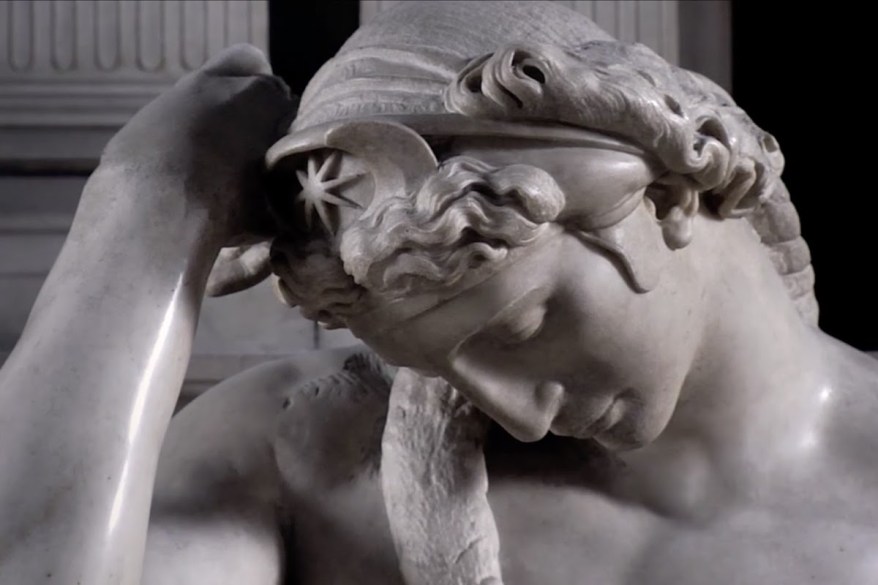
🇮🇹Il marmo respira? No, ma è capace di trattenere il fiato fissando nell’eternità momenti che altrimenti si perderebbero per sempre… 🇬🇧Does marble breathe? No, but it is capable of holding its breath, capturing in eternity moments that would otherwise be lost forever…
-
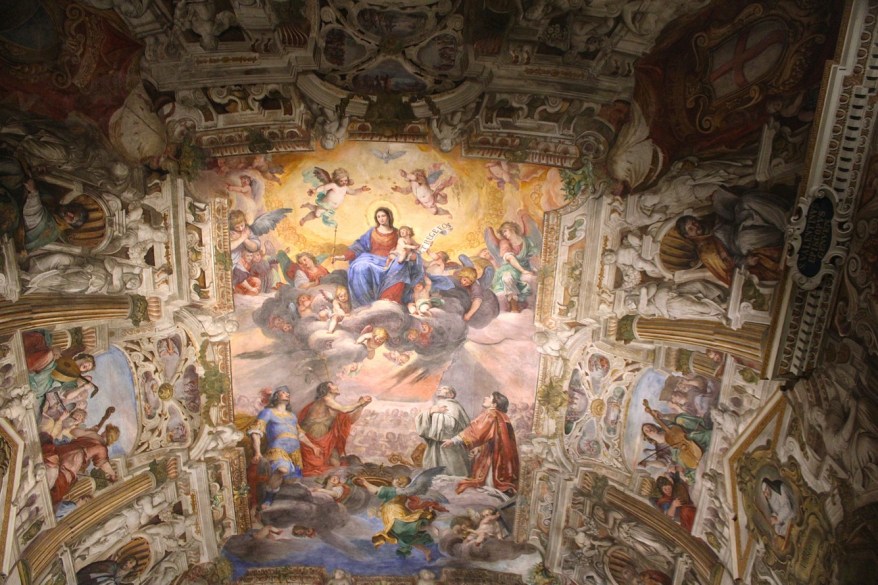
Cappella del Doge a Genova: il capolavoro barocco che racconta la potenza della Superba
🇮🇹Nel cuore del Palazzo Ducale, tra gli ambienti più rappresentativi dell’Appartamento del Doge, si cela uno dei gioielli artistici più sorprendenti della città: la Cappella del Doge… 🇬🇧In the heart of the Doge’s Palace, among the most representative rooms of the Doge’s Apartment, lies one of the most surprising artistic jewels of the city: the…
-
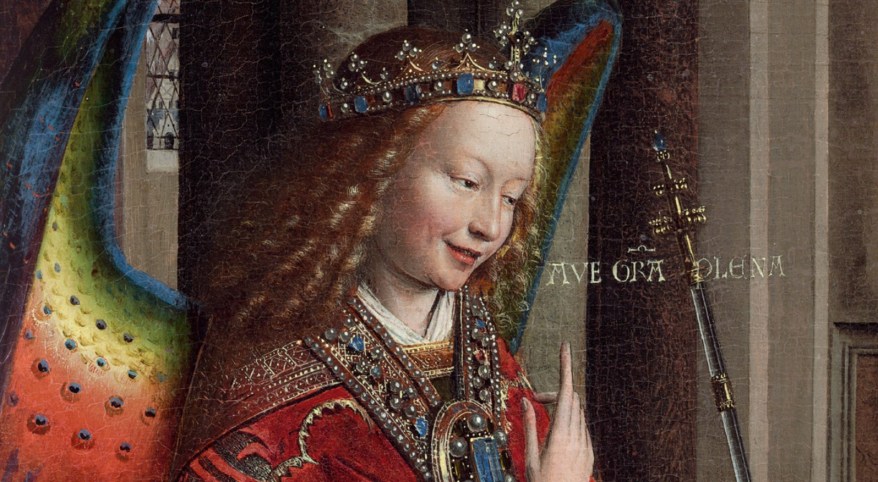
25 marzo: l’Annunciazione di Jan van Eyck, capolavoro fiammingo
🇮🇹Nel giorno del 25 marzo, tradizionalmente legato al mistero dell’Annunciazione, lo sguardo si posa su uno dei capolavori più raffinati della pittura nordica: l’Annunciazione di Jan van Eyck… 🇬🇧On March 25, traditionally linked to the mystery of the Annunciation, our gaze falls on one of the finest masterpieces of Northern European painting: The Annunciation by…
Condividi:


Questo sono io





sostienici

Sostienici - Support Us
Se questo blog ti piace e ti appassiona, puoi aiutarci a farlo crescere sempre più sostenendoci in modo concreto condividendo i post, seguendo le pagine social e con un contributo che ci aiuta ad andare avanti con il nostro lavoro di divulgazione. . ENGLISH: If you like and are passionate about this blog, you can help us make it grow more and more by supporting us in a concrete way by sharing posts, following social pages and with a contribution that helps us to move forward with our dissemination work.
€10,00


