

La commissione del Giudizio Universale e della Caduta degli Angeli Ribelli
Il 22 settembre 1533 a San Miniato del Tedesco, in provincia di Pisa, ebbi modo di incontrare per l’ultima volta papa Clemente VII de’ Medici.
Si fermò lì durante il viaggio che lo avrebbe portato in Francia, in occasione del matrimonio della nipote Caterina con il futuro re di Francia, Enrico.

Sapevo che aveva in serbo per me una commissione straordinaria ma non immaginavo di cosa si trattasse. Me lo aveva anticipato in una lettera Sebastiano del Piombo: “lavorar tanto per vui quanto avete facto et farete per Sua Santità, et farvi contrato de tal cossa che non ve lo sogniasti mai… Sua Sanctità me ha comesso che ve lo debia scriver da parte sua; et si notate bene sono parolle che importano assai. Et sapete come papa Clemente si guarda del prometer di questa maniera”.
Probabilmente il pontefice aveva espresso il suo grande desiderio a Sebastiano e lui ben sapeva di cosa si trattasse ma non mi accennò niente in merito: voleva fosse il papa in persona a parlarmene.
Clemente VII sentiva che non aveva più molto tempo da vivere e voleva lasciare qualcosa di straordinario che potesse far ricordare il suo nome per sempre.

In quell’incontro infatti mi parlò dell’idea di farmi affrescare la parete dell’altare della Cappella Sistina o meglio, un Giudizio Universale e la Caduta degli Angeli ribelli sulla controfacciata.
Mi preparai mentalmente per affrontare la grandiosa impresa e partii alla volta di Roma per mettere a punto alcune cose in vista di quel lavoro.
Pensate un po’ giunsi a Roma il 23 settembre 1534, un anno dopo quel fatidico incontro ma, due giorni dopo, il pontefice morì.

La Caduta degli Angeli ribelli non fu mai eseguita alla fine e nemmeno ritirata in ballo ma la commissione del Giudizio Universale mi fu confermata dal successivo papa: Paolo III Farnese.
Ogni tanto mi piace immaginare Clemente VII che passeggia nella Sistina ammirando quell’opera che s’era immaginato un anno prima di passare a miglior vita:
Per il momento il sempre vostro Michelangelo Buonarroti vi saluta dandovi appuntamento ai prossimi post e sui social.
The commission of the Last Judgment and the Fall of the Rebel Angels
On 22 September 1533 in San Miniato del Tedesco, in the province of Pisa, I had the opportunity to meet Pope Clement VII de’ Medici for the last time.
He stopped there during the journey that would take him to France, on the occasion of the marriage of his niece Catherine to the future king of France, Henry.
I knew he had an extraordinary commission in store for me but I didn’t know what it was. Sebastiano del Piombo had anticipated it to me in a letter: “to work as hard for you as you have done and will do for His Holiness, and to make you a contract in such a way that you would never dream of it… His Holiness has instructed me that I must write it to you by her; and you can see that these are words that are very important. And you know how Pope Clement is wary of the prometer of this manner.”
Probably the pontiff had expressed his great desire to Sebastiano and he knew well what it was about but he didn’t mention anything about it to me: he wanted the pope himself to tell me about it. Celeste VII felt that he no longer had much time to live and wanted to leave something extraordinary that could make his name remembered forever.
In fact, in that meeting he spoke to me about the idea of having me fresco the altar wall of the Sistine Chapel or rather, a Last Judgment and the Fall of the Rebel Angels on the counter-façade.
I mentally prepared myself to face the grandiose undertaking and left for Rome to finalize some things in view of that job.
Think about it, I arrived in Rome on 23 September 1534, a year after that fateful meeting and two days later the pontiff died.
The Fall of the Rebel Angels was never performed at the end nor even taken back into the discussion but the commission of the Last Judgment was confirmed to me by the next Pope: Paul III Farnese.
Every now and then I like to imagine Clement VII walking in the Sistine Chapel admiring that work that he had imagined a year before passing away:
For the moment, your always Michelangelo Buonarroti greets you and will meet you in the next posts and on social media.

Sostienici – Support Us
Se questo blog ti piace e ti appassiona, puoi aiutarci a farlo crescere sempre più sostenendoci in modo concreto condividendo i post, seguendo le pagine social e con un contributo che ci aiuta ad andare avanti con il nostro lavoro di divulgazione. . ENGLISH: If you like and are passionate about this blog, you can help us make it grow more and more by supporting us in a concrete way by sharing posts, following social pages and with a contribution that helps us to move forward with our dissemination work.
10,00 €
-
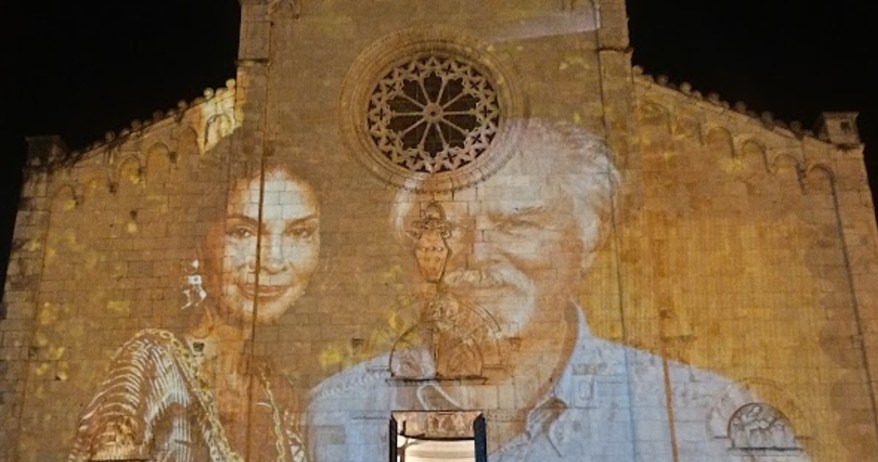
Pietrasanta: un museo per Fernando Botero
🇮🇹Pietrasanta prepara un museo dedicato a Fernando Botero con circa 90 bozzetti a Palazzo Panichi. Il legame con la città che lo nominò cittadino onorario nel 2001… 🇬🇧Pietrasanta is preparing a museum dedicated to Fernando Botero, featuring around 90 sketches at Palazzo Panichi. This reflects his connection to the city, which named him an honorary…
-

Il ritratto enigmatico di Petrus Christus
🇮🇹Chi è la giovane ritratta da Petrus Christus? Un volto misterioso, abiti preziosi e la luce del capolavoro fiammingo del 1470… 🇬🇧Who is the young woman portrayed by Petrus Christus? A mysterious face, exquisite attire, and the light of a Flemish masterpiece from 1470…
-
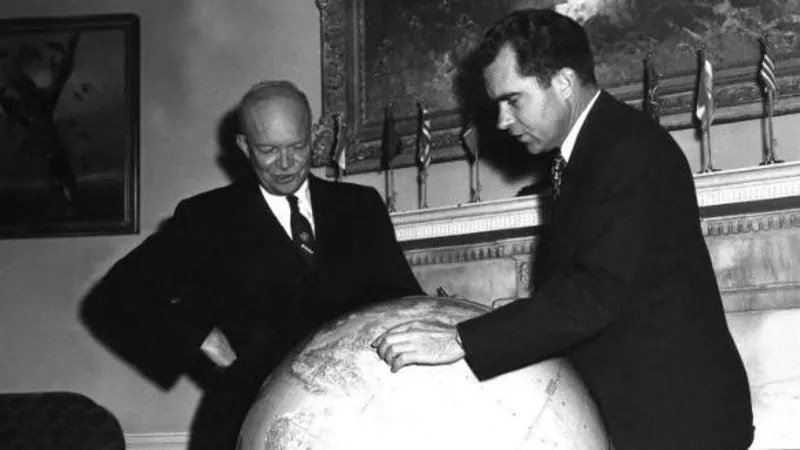
Pentagono, danneggiato il mappamondo legato a Eisenhower: era destinato all’ufficio di Hegseth
🇮🇹Il mappamondo di Eisenhower, cimelio della Seconda guerra mondiale conservato al Pentagono, è stato danneggiato durante un tentativo di trasferimento nell’ufficio di Pete Hegseth… 🇬🇧Eisenhower’s globe, a World War II relic kept at the Pentagon, was damaged during an attempt to move it to Pete Hegseth’s office…
Condividi:


Questo sono io




sostienici

Sostienici - Support Us
Se questo blog ti piace e ti appassiona, puoi aiutarci a farlo crescere sempre più sostenendoci in modo concreto condividendo i post, seguendo le pagine social e con un contributo che ci aiuta ad andare avanti con il nostro lavoro di divulgazione. . ENGLISH: If you like and are passionate about this blog, you can help us make it grow more and more by supporting us in a concrete way by sharing posts, following social pages and with a contribution that helps us to move forward with our dissemination work.
€10,00


