

Le mirabili acconciature delle opere mie
Avete mai fatto caso alle acconciature femminili che realizzai per tutte le figure femminili che scolpii, dipinsi e disegnati?
Se non avete ancora prestato attenzione a questa caratteristica, cominciate a osservare con più attenzione il capo delle donne a cui diedi forma con lo scalpello, la matita o il pennello.
Non lasciavo mai alcun dettaglio al caso e curavo in modo minuzioso i capelli, acconciati spesso con trecce avvolte attorno alla testa.

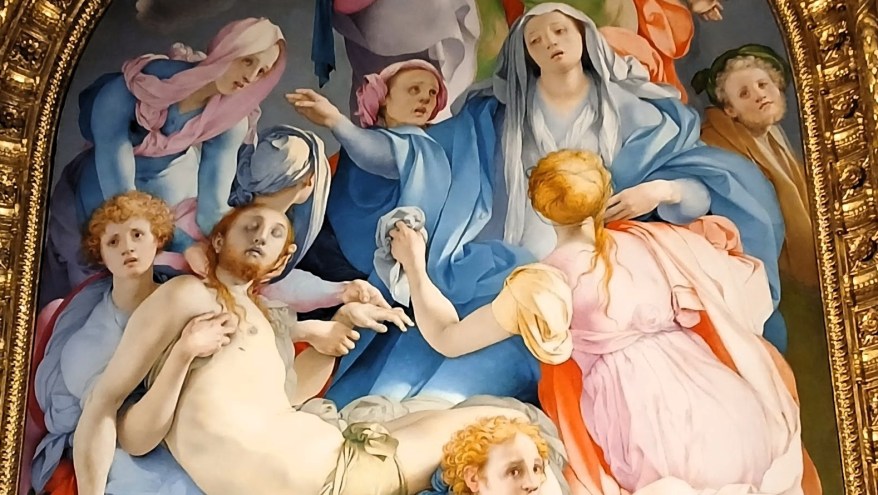
Un esempio? Il disegno risalente al 1500 in cui studiai la posa della Maddalena per il Trasporto di Cristo o che qualcuno adoperò a modello poi per realizzare quella tavola dipinta a tempera attribuita a me.
Anche la Madonna del Tondo Doni porta una treccia sul capo sebbene in parte sia celata dalla fascia che le la tiene ben ferma e aderente alla testa.
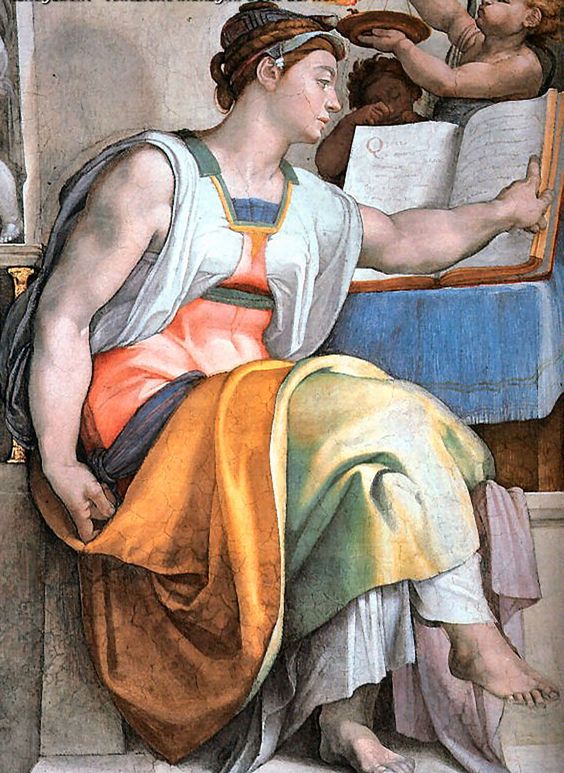
Sono molte anche le figure femminili affrescate nella volta della Sistina che sfoggiano acconciature con trecce fissate sul capo.
La Sibilla Libica, la Sibilla Eritrea così come molte figure delle lunette sfoggiano acconciature sebbene diverse nella forma, simili per avere in comune i capelli intrecciati.

Per alcuni soggetti preferivo invece far intravedere poco i capelli, coprendoli in parte con stoffe panneggiate come nella Madonna di Bruges in cui si intravedono appena da sotto il velo.
Per il momento il sempre vostro Michelangelo Buonarroti vi saluta dandovi appuntamento ai prossimi post e sui social.

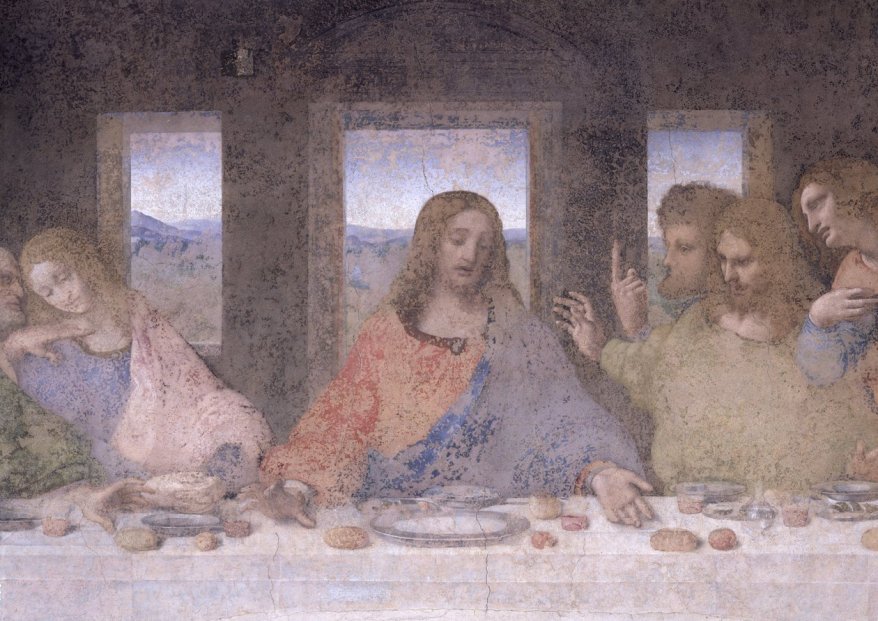
The wonderful hairstyles of my works
Have you ever noticed the female hairstyles I created for all the female figures I sculpted, painted and drew?
If you have never paid attention to this characteristic, start observing more carefully the heads of the women I gave shape to with the chisel, pencil or brush. I never left any detail to chance and took meticulous care of my hair, often styled with braids wrapped around the head.
An example? The drawing dating back to 1500 in which I studied the pose of the Magdalene for the Transport of Christ or which someone later used as a model to create that tempera painted panel attributed to me.
The Madonna del Tondo Doni also wears a braid on her head although it is partly hidden by the band that keeps it firmly and adherent to her head.
There are also many female figures frescoed in the Sistine vault who show off hairstyles with braids fixed on their heads.
The Libyan Sibyl, the Eritrean Sibyl as well as many figures on the lunettes show off hairstyles although different in shape, similar in that they have braided hair in common.
For some subjects I preferred to show only a little of the hair, partially covering it with draped fabrics as in the Madonna of Bruges where it can barely be seen from under the veil.
For the moment, your always Michelangelo Buonarroti greets you and will meet you in the next posts and on social media.

Sostienici – Support Us
Se questo blog ti piace e ti appassiona, puoi aiutarci a farlo crescere sempre più sostenendoci in modo concreto condividendo i post, seguendo le pagine social e con un contributo che ci aiuta ad andare avanti con il nostro lavoro di divulgazione. . ENGLISH: If you like and are passionate about this blog, you can help us make it grow more and more by supporting us in a concrete way by sharing posts, following social pages and with a contribution that helps us to move forward with our dissemination work.
10,00 €
-
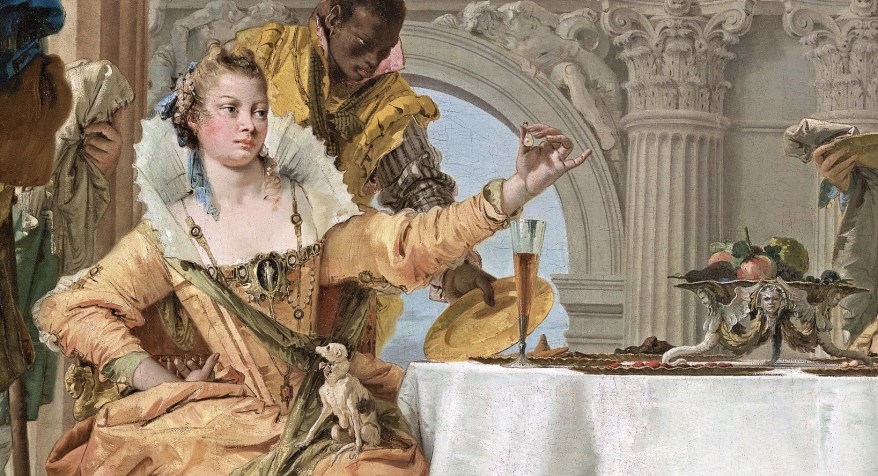
Quando Cleopatra umiliò Roma: il significato nascosto del celebre dipinto di Tiepolo
🇮🇹 Il dipinto che vi propongo è pura teatralità, lusso e strategia. Cleopatra scommette con Marco Antonio di poter offrire il banchetto più sontuoso della storia e per vincere compie un gesto folle… 🇬🇧 The painting I propose is pure theatricality, luxury, and strategy. Cleopatra bets Mark Antony that she can offer the most sumptuous…
-
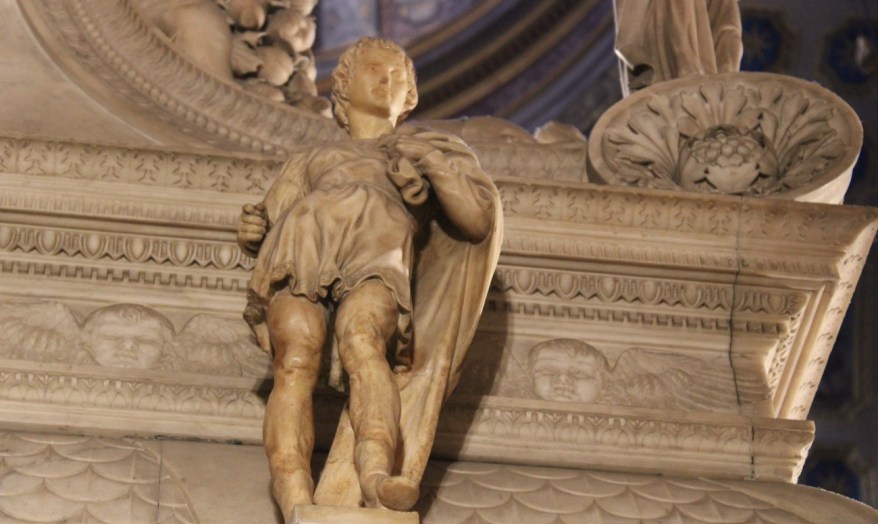
Il mio primo soggiorno a Bologna e l’incontro con Giovan Francesco Aldrovandi
🇮🇹Fuggii da Firenze a soli 19 anni. Senza certezze, senza protezioni. Solo con il mio talento. A Bologna trovai rifugio nella casa di Giovan Francesco Aldrovandi… 🇬🇧I fled Florence at just 19. Without certainties, without protection. Only with my talent. In Bologna, I found refuge in the home of Giovan Francesco Aldrovandi…
-
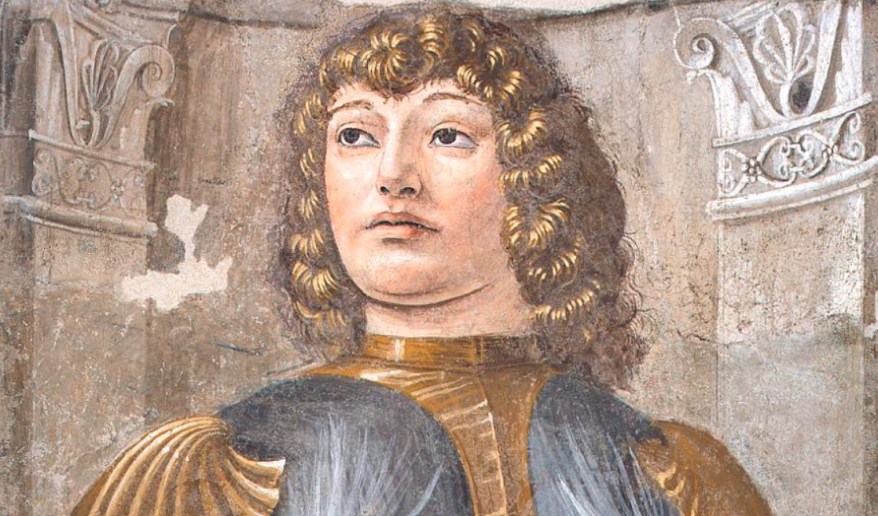
11 aprile 1514: muore Donato Bramante, il genio della scala elicoidale
🇮🇹Era l’11 aprile 1514 quando Donato Bramante morì a Roma. La sua scomparsa non cancellò però le tensioni, le rivalità e i giudizi contrastanti che avevano accompagnato tutta la sua carriera… 🇬🇧It was April 11, 1514, when Donato Bramante died in Rome. His passing, however, did not erase the tensions, rivalries, and conflicting opinions that…
Condividi:


Questo sono io





sostienici

Sostienici - Support Us
Se questo blog ti piace e ti appassiona, puoi aiutarci a farlo crescere sempre più sostenendoci in modo concreto condividendo i post, seguendo le pagine social e con un contributo che ci aiuta ad andare avanti con il nostro lavoro di divulgazione. . ENGLISH: If you like and are passionate about this blog, you can help us make it grow more and more by supporting us in a concrete way by sharing posts, following social pages and with a contribution that helps us to move forward with our dissemination work.
€10,00


