

La Scultura del giorno: la Regina Alexandra di Merret
La scultura del giorno che vi propongo oggi è il busto della regina Alexandra scolpito da Walter Merret nel 1904.
Alexandra Slesvig-Holsten-Sønderborg-Lyksborg era nata a Copenaghen in Danimarca il primo giorno di dicembre del 1844 e divenne la consorte di Edoardo VII d’Inghilterra nonchè nuora della regina Vittoria.

Nel 1901 fu incoronata regina del Regno Unito e imperatrice d’india e alla morte del marito, con l’ascesa al trono del suo secondo figlio Giorgio V, divenne regina madre.
Nello scolpire questo busto, Merret fu particolarmente attento alla riproduzione di ogni singolo dettaglio, cercando di rendere l’opera più realistica possibile.

Osservate la cura che pose nel realizzare le diverse collane che indossa e con quanta cura scolpì nel marmo le pieghe della stoffa dell’abito e i pizzi che lo decorano.
Confrontando una foto della regina Alexandra con il volto realizzato dallo scultore, ci si può rendere conto di quanto fossero somiglianti.
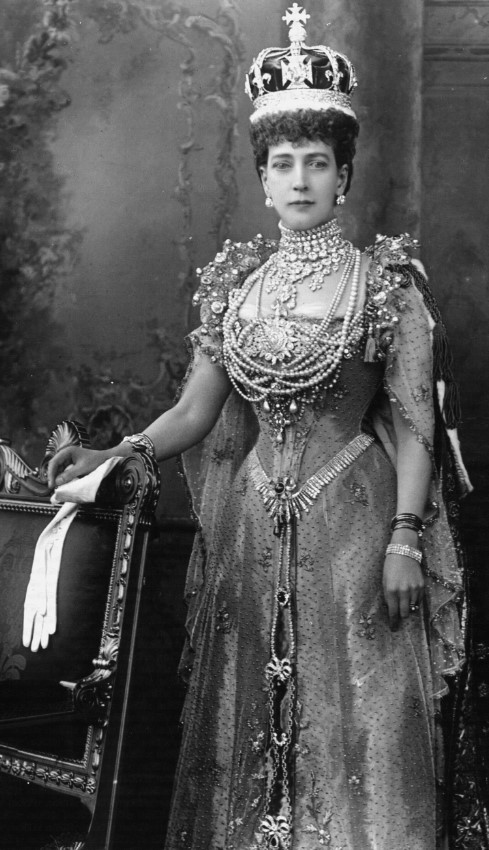
Il busto della regina Alexandra è esposto presso la Guildhall Art Gallery di Londra.
L’opera fu realizzata per commemorare la visita di Sua Maestà a Londonderry il 28 luglio 1903 e fu donata al museo dell’assessore Sir Thomas Vansittart Bowater che ne era in possesso.

Per il momento il sempre vostro Michelangelo Buonarroti vi saluta dandovi appuntamento ai prossimi post e sui social.

Sculpture of the day: Queen Alexandra of Merret
The sculpture of the day that I propose to you today is the bust of Queen Alexandra sculpted by Walter Merret in 1904.
Alexandra Slesvig-Holsten-Sønderborg-Lyksborg was born in Copenhagen, Denmark on the first day of December 1844 and became the consort of Edward VII of England as well as daughter-in-law of Queen Victoria.
In 1901 she became Queen of the United Kingdom and Empress of India and on the death of her husband, with the accession to the throne of her second son George V, she became Queen Mother.
In sculpting this bust, Merret was particularly attentive to the reproduction of every single detail, trying to make the work as realistic as possible.
Observe the care he took in making the necklaces, in reproducing in marble the folds of the fabric of the dress and the lace that decorate it.
By comparing a photo of Queen Alexandra with the face created by the sculptor, you can realize how similar they were.
The bust of Queen Alexandra is on display at the Guildhall Art Gallery in London.
The work was created to commemorate Her Majesty’s visit to Londonderry on 28 July 1903 and was donated to the museum of the alderman Sir Thomas Vansittart Bowater who was in possession of it.
For the moment, your always Michelangelo Buonarroti greets you and will meet you in the next posts and on social media.

Sostienici – Support Us
Se questo blog ti piace e ti appassiona, puoi aiutarci a farlo crescere sempre più sostenendoci in modo concreto condividendo i post, seguendo le pagine social e con un contributo che ci aiuta ad andare avanti con il nostro lavoro di divulgazione. . ENGLISH: If you like and are passionate about this blog, you can help us make it grow more and more by supporting us in a concrete way by sharing posts, following social pages and with a contribution that helps us to move forward with our dissemination work.
8,00 €
-
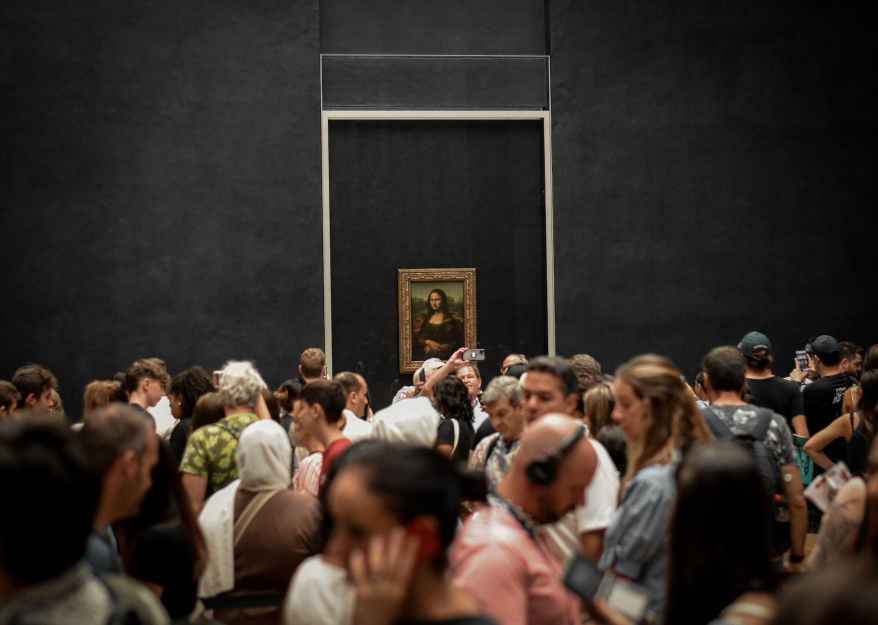
Il Louvre rischia la chiusura? Ecco cosa sta succedendo al museo dopo il furto da 88 milioni
🇮🇹Il Louvre rischia di chiudere senza una grande ristrutturazione. Dopo il furto dei gioielli della Corona, il direttore Christophe Leribault lancia l’allarme… 🇬🇧The Louvre risks closure without a major renovation. Following the theft of the Crown Jewels, director Christophe Leribault has raised the alarm…
-
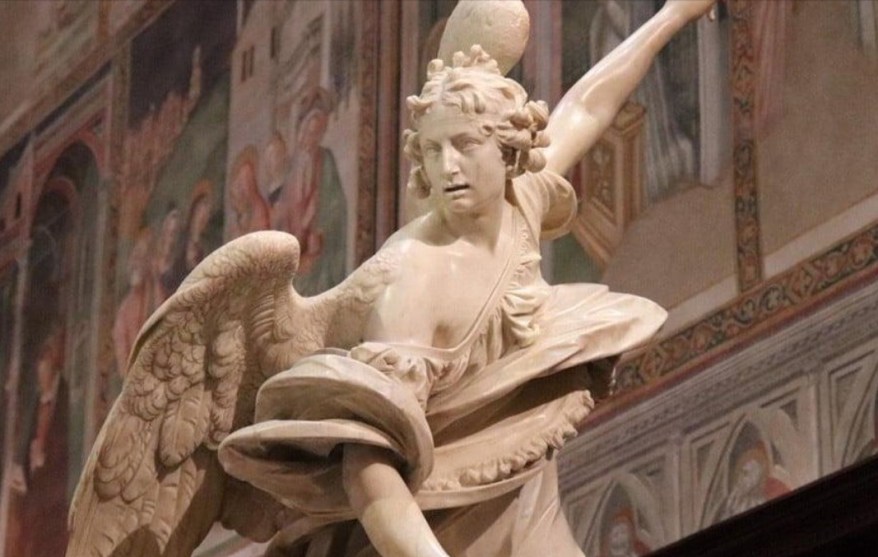
Francesco Mochi, lo scultore che liberò il marmo e il bronzo dal silenzio prima di Bernini
🇮🇹Prima di Bernini, c’è stato Francesco Mochi: scultore straordinario del Seicento, Mochi anticipò il dinamismo barocco con figure che sembrano sul punto di uscire dalla pietra e cavalli di bronzo carichi di energia… 🇬🇧Before Bernini, there was Francesco Mochi—an extraordinary 17th-century sculptor who anticipated Baroque dynamism with figures that seem on the verge of stepping…
-
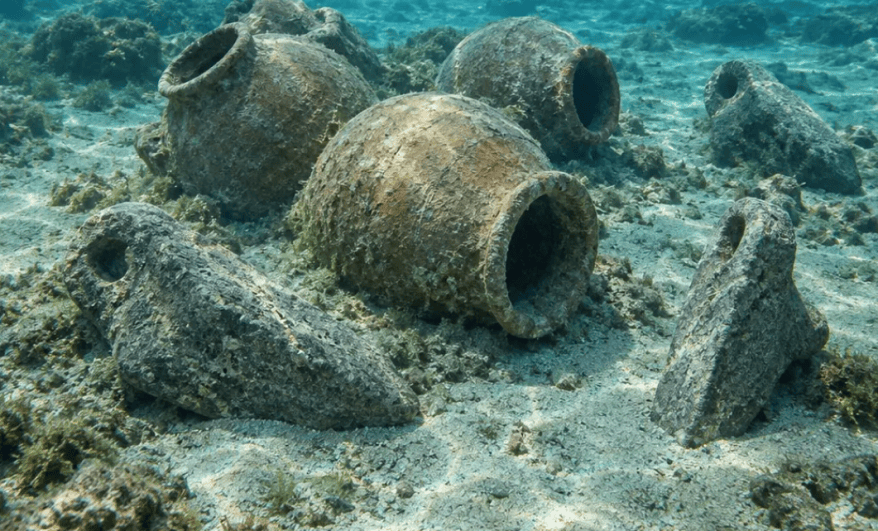
Kekova, Turchia: trovato un relitto di quasi 5.000 anni fa
🇮🇹Al largo di Kekova, in Turchia, un relitto che potrebbe risalire a 4.700 anni fa riporta l’attenzione sugli antichi commerci del Mediterraneo… 🇬🇧Off the coast of Kekova, in Türkiye, a shipwreck that may date back 4,700 years is drawing renewed attention to ancient Mediterranean trade…
Condividi:


Questo sono io




sostienici

Sostienici - Support Us
Se questo blog ti piace e ti appassiona, puoi aiutarci a farlo crescere sempre più sostenendoci in modo concreto condividendo i post, seguendo le pagine social e con un contributo che ci aiuta ad andare avanti con il nostro lavoro di divulgazione. . ENGLISH: If you like and are passionate about this blog, you can help us make it grow more and more by supporting us in a concrete way by sharing posts, following social pages and with a contribution that helps us to move forward with our dissemination work.
€10,00


