
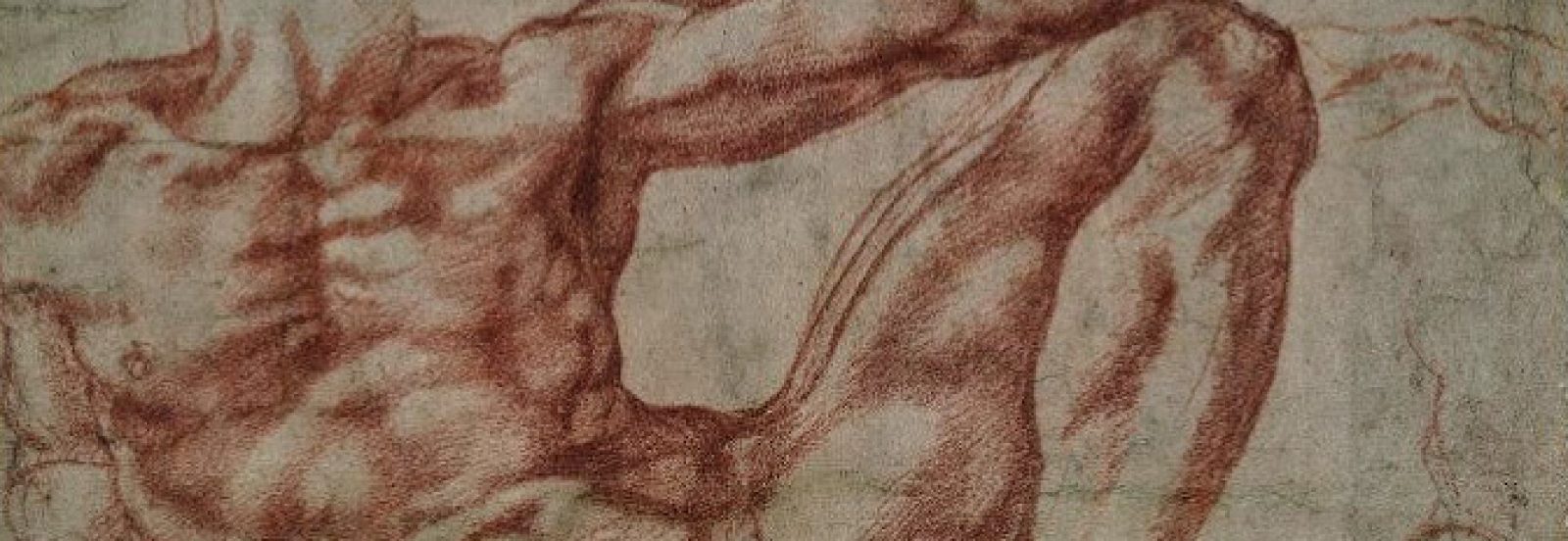
La Scultura del giorno: La Disperazione di Perraud
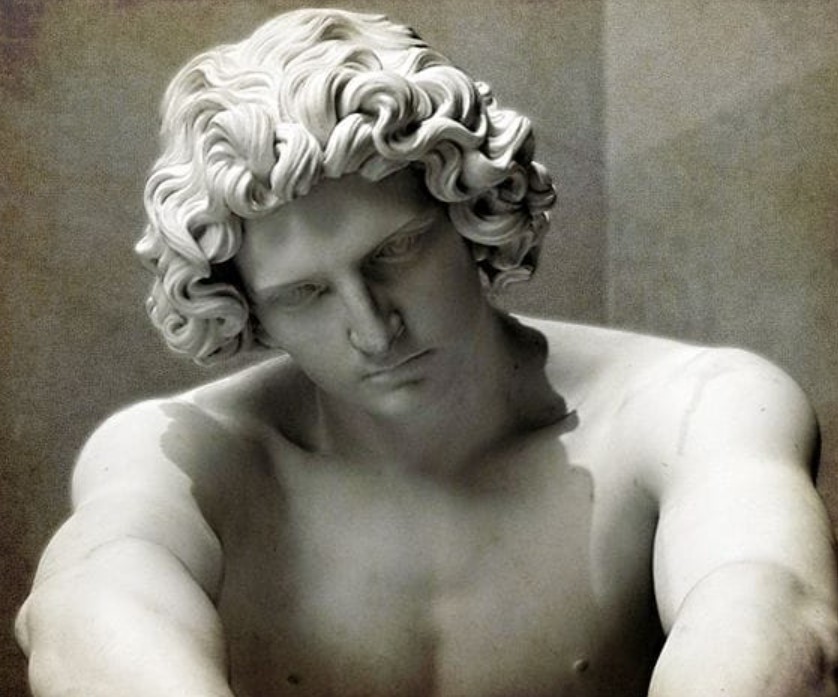
La scultura del giorno che vi propongo oggi è La Disperazione scolpita dall’artista francese Jean Joseph Perraud nel 1861.
Perraud scolpì una figura maschile seduta a terra nuda, dotata solo di un panneggio strategico che gli copre il pisello.
L’uomo mostra un volto malinconico, incorniciato dalla folta capigliatura e assume una posa che fa pensare proprio a un momento di profonda riflessione e di totale sconforto.
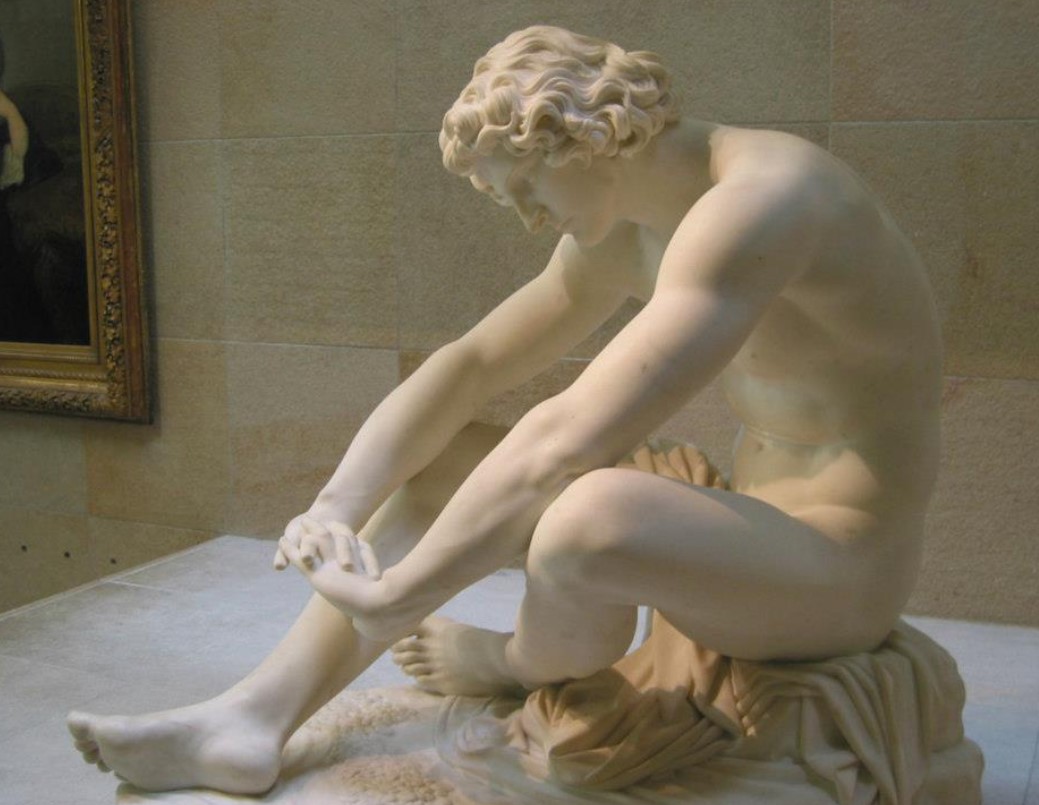
L’artista in questo modo volle dar forma all’allegoria della condizione tragica dell’esistenza umana. E’ un’opera che non può lasciare indifferenti e, vista dal vivo, suscita emozioni contrastanti.
Per ammirarla con i vostro occhi dovete necessariamente andare fino al Musee d’Orsay, a Parigi.
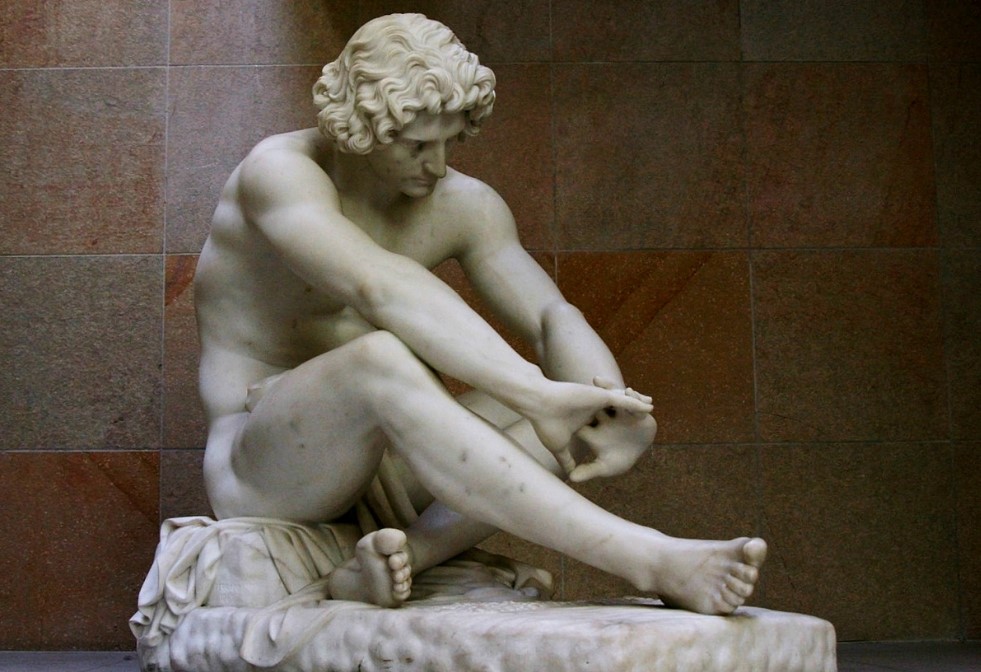
Il protagonista dell’opera pare vinto nell’animo tanto quanto nel corpo. Mirabile è la resa dell’emozione che Perraud ha saputo dare al suo lavoro e all’accuratezza dei dettagli.
Osservate i piedi che sembrano potersi muovere da un momento all’altro o dell’intreccio delle dita delle mani che non ha niente di diverso da mani reali se non il candido colore del marmo.
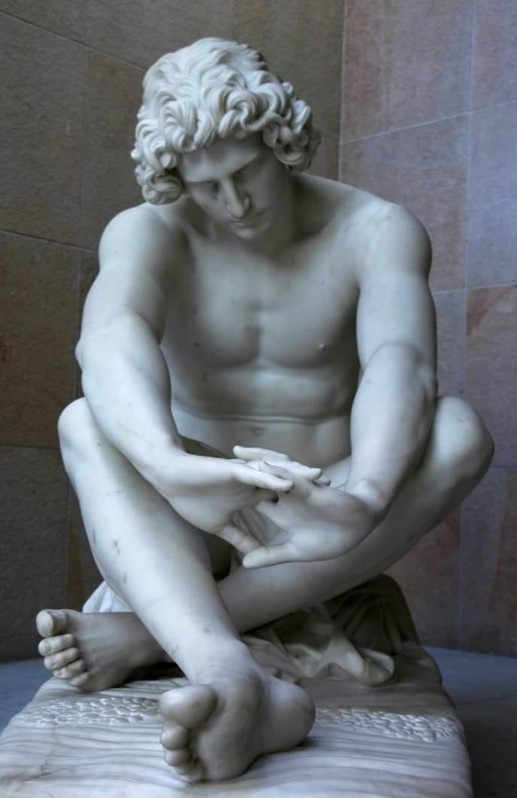
Lo scultore Jean Joseph Perraud era nato nel 1819 e durante la sua fase più produttiva fu particolarmente apprezzato dai contemporanei per essere quasi dimenticato dopo la morte.
Per il momento il vostro Michelangelo Buonarroti vi saluta dandovi appuntamento ai prossimi post e sui social.
Sculpture of the day: Perraud’s Despair
The sculpture of the day that I propose to you today is Desperation by Jean Joseph Perraud sculpted by the French artist in 1861.
Perraud sculpted a male figure seated on the ground naked, equipped only with a strategic drapery that covers his dick. The man shows a melancholy face, framed by thick hair and assumes a pose that suggests a moment of profound reflection and total despair.
In this way the artist wanted to give shape to the allegory of the tragic condition of human existence. It is a work that cannot leave you indifferent and seen live arouses mixed emotions.
To admire it with your own eyes you must necessarily go to the Musee d’Orsay in Paris.
The protagonist of the work seems won in soul as much as in body. Admirable is the rendering of the emotion that Perraud was able to give to his work and to the accuracy of the details.
Observe the feet that seem to be able to move at any moment or the intertwining of the fingers that have nothing different from real hands except the candid color of the marble.
The sculptor Jean Joseph Perraud was born in 1819 and during his most productive phase he was particularly appreciated by his contemporaries to be almost forgotten after his death.
For the moment, your Michelangelo Buonarroti greets you by making an appointment for the next posts and on social media.

Sostienici – Support Us
Se questo blog ti piace e ti appassiona, puoi aiutarci a farlo crescere sempre più sostenendoci in modo concreto condividendo i post, seguendo le pagine social e con un contributo che ci aiuta ad andare avanti con il nostro lavoro di divulgazione. . ENGLISH: If you like and are passionate about this blog, you can help us make it grow more and more by supporting us in a concrete way by sharing posts, following social pages and with a contribution that helps us to move forward with our dissemination work.
8,00 €
-
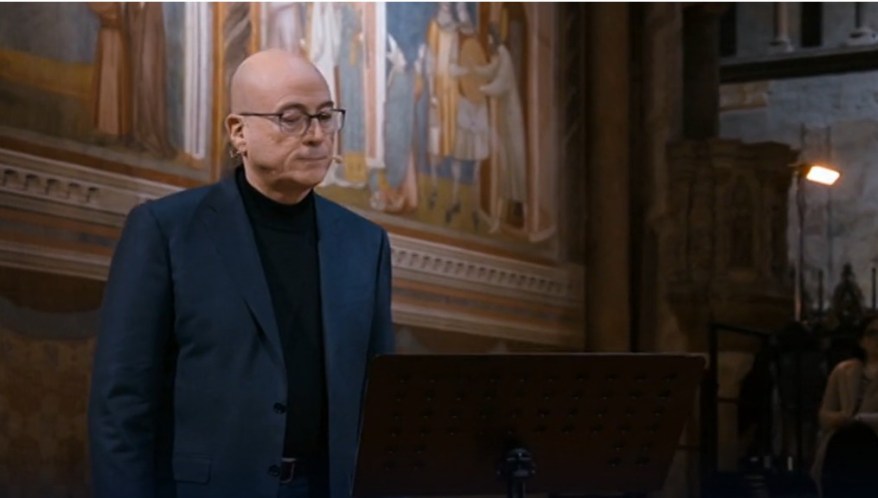
Festival La Versiliana 2026: tra musica, teatro e grandi narrazioni
Dal 17 luglio al 23 agosto 2026, la pineta di Marina di Pietrasanta ospiterà la 47ª edizione del Festival La Versiliana. Una kermesse aperta a tutti nella quale linguaggi diversi dialogano tra loro in un equilibrio tra tradizione e contemporaneità.
-
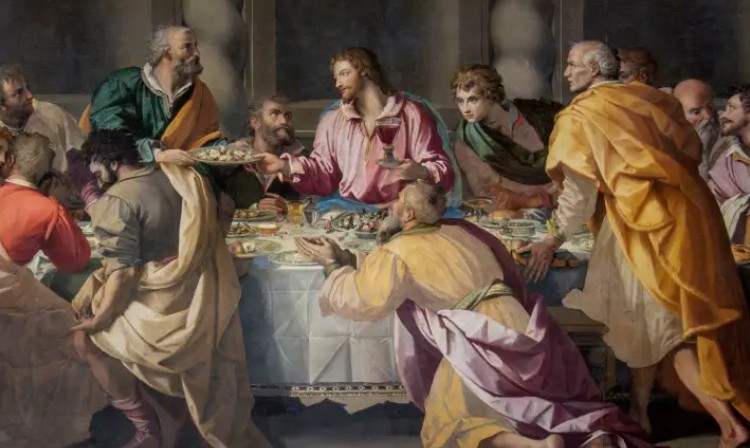
Giovedì Santo: l’Ultima Cena di Allori che pochi conoscono a Firenze
🇮🇹Nel cuore di Museo di Santa Maria Novella, a Firenze, si conserva una delle interpretazioni più affascinanti e meno note dell’Ultima Cena: quella realizzata da Alessandro Allori nel 1584… 🇬🇧In the heart of the Santa Maria Novella Museum in Florence, one of the most fascinating and least-known interpretations of the Last Supper is preserved: the…
-
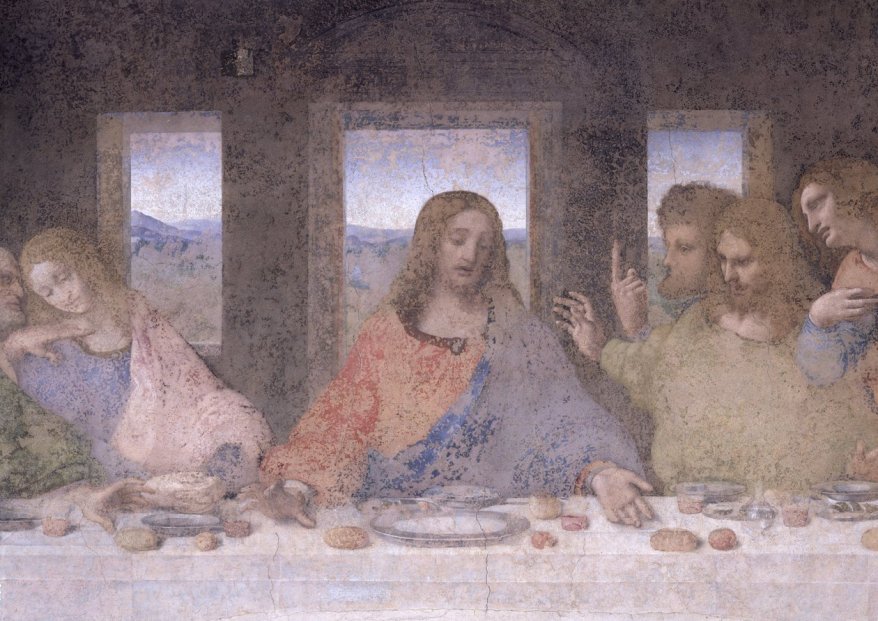
Cenacolo di Leonardo: i dettagli che raccontano il tradimento
🇮🇹Nel Cenacolo di Leonardo da Vinci, custodito a Santa Maria delle Grazie, Cristo annuncia il tradimento e il tempo si ferma… 🇬🇧In Leonardo da Vinci’s Last Supper, housed in Santa Maria delle Grazie, Christ announces the betrayal and time stands still…
Condividi:


Questo sono io





sostienici

Sostienici – Support Us
Se questo blog ti piace e ti appassiona, puoi aiutarci a farlo crescere sempre più sostenendoci in modo concreto condividendo i post, seguendo le pagine social e con un contributo che ci aiuta ad andare avanti con il nostro lavoro di divulgazione. . ENGLISH: If you like and are passionate about this blog, you can help us make it grow more and more by supporting us in a concrete way by sharing posts, following social pages and with a contribution that helps us to move forward with our dissemination work.
€10,00


1 commento »