

Due corpi in uno: la Pietà Rondanini
“In una stantia a basso, coperta a tetto: un’altra statua principiata per uno Christo con un’altra figura di sopra, attaccate insieme, sbozzate et non finite.” Questo è quanto venne scritto nell’inventario redatto il 19 febbraio del 1564, il giorno dopo la mia morte.
Quella scultura principiata di un Cristo con un’altra figura sopra non può che essere quella che oggi voi conoscete come la Pietà Rondanini.

La Pietà Rondanini che prende il nome dal palazzo romano in cui fu conservata a lungo prima di arrivare al Castello Sforzesco a Milano, mette al centro della scena il sacrificio di Cristo per l’umanità.
A quell’opera lavorai fino agli ultimi giorni della mia vita. Il lavoro procedeva a rilento e ebbi modo di modificare il progetto in corso d’opera come già avevo fatto per il Mosè anni prima.
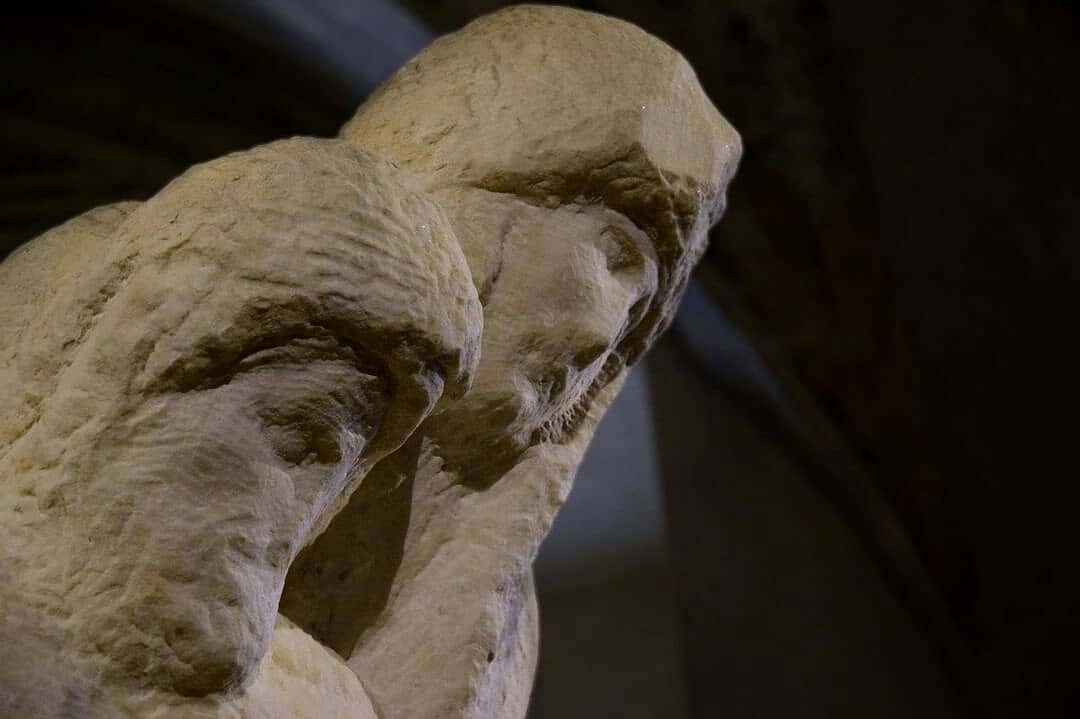
Di quella prima versione ne rimane traccia tangibile: il braccio del Cristo staccato e la figura della Vergine. Alla seconda versione probabilmente risalgono il corpo del Cristo scolpito adoperando il marmo che fino al momento formava quello della Madre.
Anche la testa è scolpita nella spalla destra di Maria mentre parte del torace di Cristo e la sua spalla sinistra diventano nella seconda versione il braccio e la mano sinistra della Vergine.
Quello che risulta oggi sono due corpi fusi in uno solo.
Il sempre vostro Michelangelo Buonarroti e i suoi racconti
Two bodies in one: the Rondanini Pietà
“In a low room covered with a roof there is another initiated statue of a Christo with another figure on it, stuck together, rough and unfinished.” This is what was written in the inventory drawn up on February 19, 1564, the day after my death.
That beginning sculpture of a Christ with another figure on it can only be what you know today as the Rondanini Pietà.
The Pietà Rondanini, which takes its name from the Roman palace in which it was kept for a long time before arriving at the Castello Sforzesco in Milan, puts the sacrifice of Christ for humanity at the center of the scene.
I worked on that work until the last days of my life. The work proceeded slowly and I was able to modify the project in progress as I had done for Moses years before.
Tangible traces of that first version remain: the arm of Christ detached and the figure of the Virgin. The body of Christ probably dates back to the second version, carved using the marble that up to the moment formed that of the Mother. His head is also carved into Mary’s right shoulder while part of Christ’s chest and his left shoulder become in the second version the arm and left hand of the Virgin.
What results today are two bodies merged into one.

Sostienici – Support Us
Se questo blog ti piace e ti appassiona, puoi aiutarci a farlo crescere sempre più sostenendoci in modo concreto condividendo i post, seguendo le pagine social e con un contributo che ci aiuta ad andare avanti con il nostro lavoro di divulgazione. . ENGLISH: If you like and are passionate about this blog, you can help us make it grow more and more by supporting us in a concrete way by sharing posts, following social pages and with a contribution that helps us to move forward with our dissemination work.
5,00 €
-
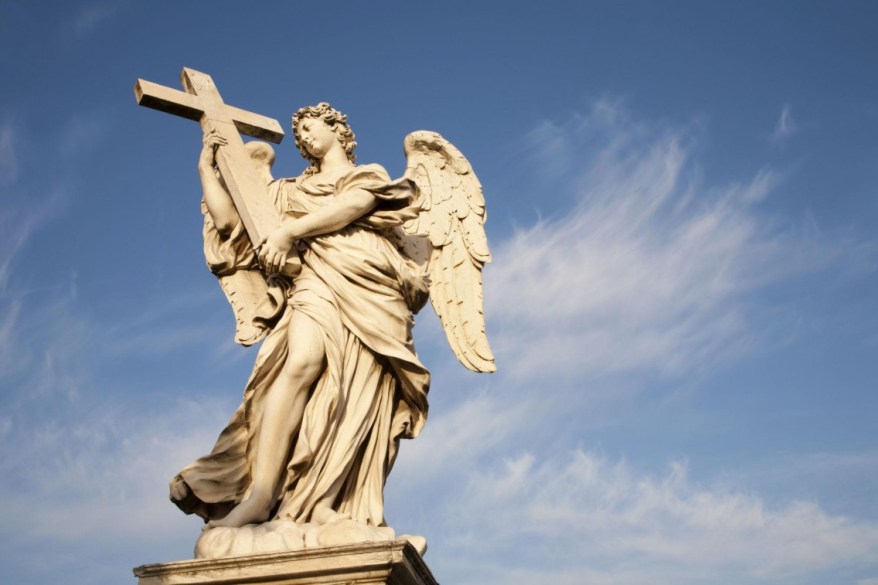
Ercole Ferrata: il grande scultore che lavorò accanto a Bernini
🇮🇹Chi era Ercole Ferrata? Scopri le opere dello scultore barocco che collaborò con Bernini: dall’Angelo con la Croce all’elefante della Minerva… 🇬🇧Who was Ercole Ferrata? Discover the works of the Baroque sculptor who collaborated with Bernini—from the *Angel with the Cross* to the elephant of the Minerva…
-
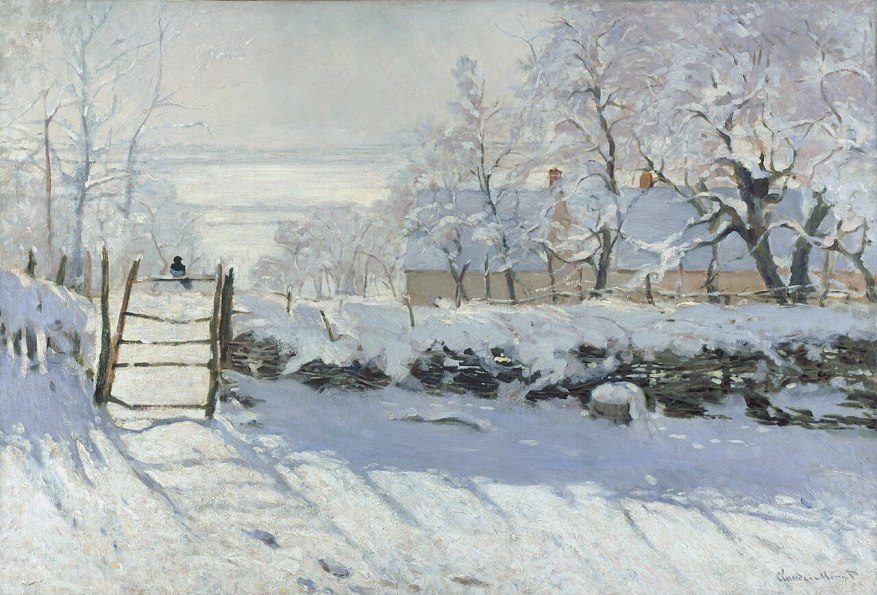
Il Natale di una volta nei dipinti: neve, case e tradizioni che abbiamo dimenticato
🇮🇹Neve, case e antiche tradizioni: scopri il Natale nascosto nei dipinti dei grandi maestri, tra paesaggi invernali, vita quotidiana e usanze dimenticate… 🇬🇧Snow, homes, and ancient traditions: discover Christmas as hidden within the paintings of the great masters—amidst winter landscapes, daily life, and forgotten customs…
-
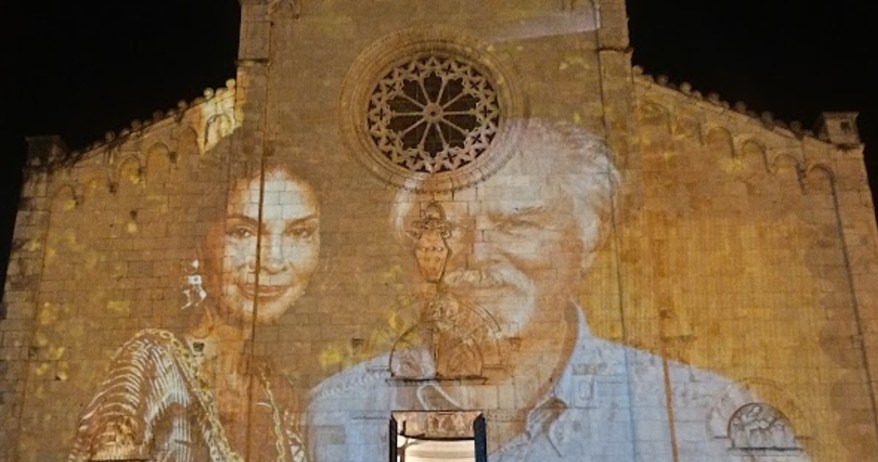
Pietrasanta: un museo per Fernando Botero
🇮🇹Pietrasanta prepara un museo dedicato a Fernando Botero con circa 90 bozzetti a Palazzo Panichi. Il legame con la città che lo nominò cittadino onorario nel 2001… 🇬🇧Pietrasanta is preparing a museum dedicated to Fernando Botero, featuring around 90 sketches at Palazzo Panichi. This reflects his connection to the city, which named him an honorary…
Condividi:


Questo sono io




sostienici

Sostienici – Support Us
Se questo blog ti piace e ti appassiona, puoi aiutarci a farlo crescere sempre più sostenendoci in modo concreto condividendo i post, seguendo le pagine social e con un contributo che ci aiuta ad andare avanti con il nostro lavoro di divulgazione. . ENGLISH: If you like and are passionate about this blog, you can help us make it grow more and more by supporting us in a concrete way by sharing posts, following social pages and with a contribution that helps us to move forward with our dissemination work.
€10,00


