
Le Opere del Natale: la Natività di Gesù di Federico Barocci
L’opera del Natale che vi propongo oggi è la suggestiva Natività di Gesù dipinta da Federico Barocci nel 1597 su commissione del duca d’Urbino Francesco Maria II della Rovere.
Il duca volle poi donare la tela a Margherita d’Austria nel 1605, moglie di Filippo II di Spagna, ragion per cui oggi il dipinto a olio appartiene alle collezioni del Prado di Madrid.

Federico Barocci, nato a Urbino nel 1530 fu senza dubbio uno dei manieristi più importanti del XVI secolo e si caratterizza per l’utilizzo di un colore con sfumature molto calde.
Profondamente religioso, le sue opere rispecchiano a pieno la profondità della sua fede proprio come accade nella Natività di Gesù. E’ un’opera incentrata sulla semplicità dell’ambiente in cui si svolge la scena che cambierà le sorti del mondo.
Il Bambino è appena venuto al mondo e la Madre lo ha deposto nella mangiatoia, sistemandolo sopra il proprio mantello blu. Come in altri dipinti è proprio Gesù che emana la luce che rischiara la notte richiamando alla mente il passo del vangelo di Giovanni: “Venne al mondo la luce vera, quella che illumina ogni uomo” (Gv 1, 9)
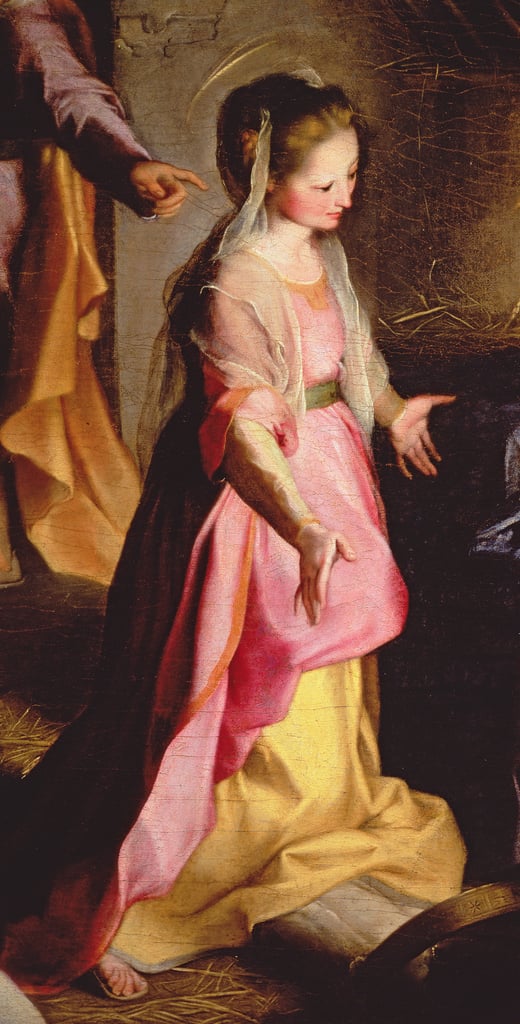
La luce illumina Maria in adorazione di Suo Figlio. Le sue braccia aperte sono il simbolo dell’accoglienza di Dio che si fa uomo. Guardate con quanta tenerezza e devozione il Barocci dipinse lo scambio di sguardi fra la Madonna e il Bambino.
Mentre la Madonna appare calma, sullo sfondo si vede San Giuseppe che in agitazione annuncia ai pastori che si stanno affacciando sulla porta l’importante nascita.
Per il momento il vostro Michelangelo Buonarroti vi saluta dandovi appuntamento ai prossimi post e sui social.
The Works of Christmas: the Nativity of Jesus by Federico Barocci
The Christmas work that I propose to you today is the suggestive Nativity of Jesus painted by Federico Barocci in 1597 on commission from the Duke of Urbino Francesco Maria II della Rovere.
The duke then wanted to donate the canvas to Margaret of Austria in 1605, wife of Philip II of Spain, which is why today the oil painting belongs to the collections of the Prado in Madrid.
Federico Barocci, born in Urbino in 1530 was undoubtedly one of the most important mannerists of the 16th century and is characterized by the use of a color with very warm shades.
Deeply religious, his works fully reflect the depth of his faith just as happens in the Nativity of Jesus. It is a work focused on the simplicity of the environment in which the scene that will change the fate of the world takes place.
The Child has just come into the world and her Mother has placed him in her manger, placing him over her blue cloak. As in other paintings, it is Jesus himself who gives off the light that illuminates the night, bringing to mind the passage from the Gospel of John: “The true light came into the world, the one that gives light to every man” (Jn 1, 9).
The light illuminates Mary of her in adoration of her Son. Her open arms are the symbol of welcoming God who becomes man. Look with how much tenderness and devotion Barocci painted the exchange of glances between the Madonna and the Child.
While the Madonna appears calm, St. Joseph can be seen in the background announcing the important birth to the shepherds who are looking out the door.
For the moment, your Michelangelo Buonarroti greets you by making an appointment for the next posts and on social media.

Sostienici – Support Us
Se questo blog ti piace e ti appassiona, puoi aiutarci a farlo crescere sempre più sostenendoci in modo concreto condividendo i post, seguendo le pagine social e con un contributo che ci aiuta ad andare avanti con il nostro lavoro di divulgazione. . ENGLISH: If you like and are passionate about this blog, you can help us make it grow more and more by supporting us in a concrete way by sharing posts, following social pages and with a contribution that helps us to move forward with our dissemination work.
5,00 €
-
Dopo un secolo lontano dal pubblico, il Banchetto di Psiche torna a vivere: al via il restauro
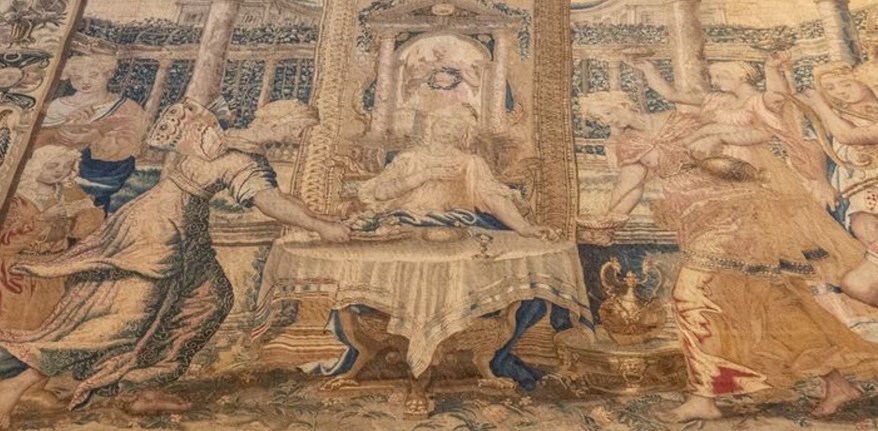
🇮🇹Al via a Firenze il restauro del Banchetto di Psiche, l’arazzo seicentesco del Bargello rimasto nei depositi per un secolo. L’intervento durerà 30 mesi… 🇬🇧Restoration work has begun in Florence on *The Banquet of Psyche*, a 17th-century tapestry from the Bargello that had remained in storage for a century. The project will last 30 months…
-
Artemisia Gentileschi, Giuditta e l’ancella con la testa di Oloferne: il dramma biblico
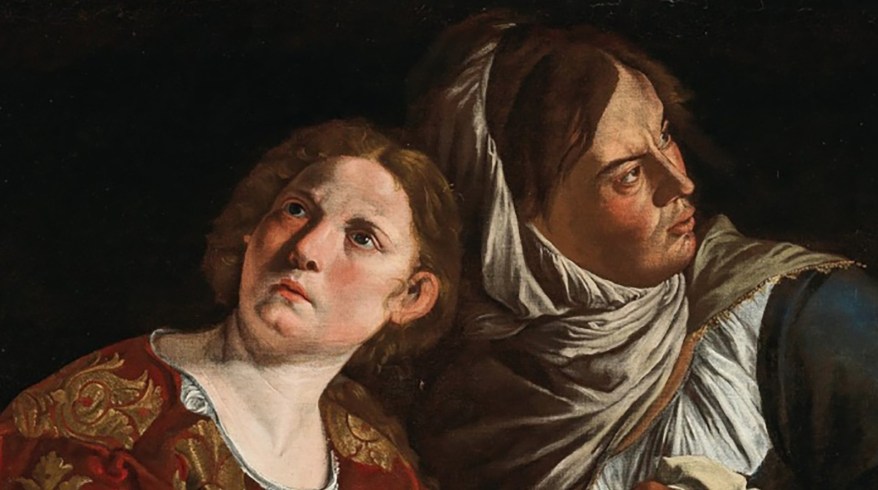
🇮🇹Giuditta e l’ancella con la testa di Oloferne di Artemisia Gentileschi è in mostra al Museo degli Innocenti di Firenze: storia, dettagli e confronti con Orazio Gentileschi… 🇬🇧Judith and Her Maidservant with the Head of Holofernes* by Artemisia Gentileschi is on display at the Museo degli Innocenti in Florence: history, details, and comparisons with Orazio…
-
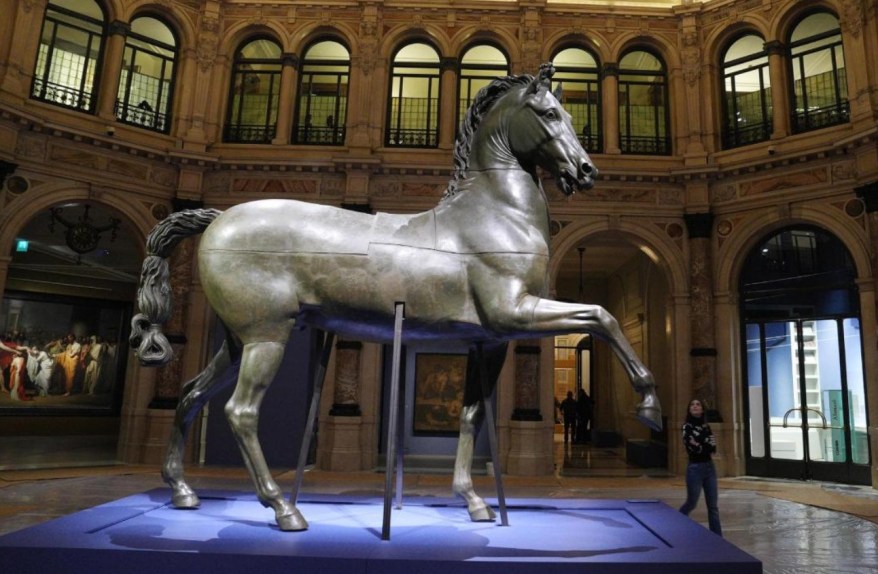
Il Cavallo colossale di Canova torna a casa in 10 casse: ecco quando si potrà ammirare
🇮🇹Il Cavallo colossale di Antonio Canova torna a Bassano il 27 ottobre 2026. Dopo il restauro, sarà visibile al Museo Civico dal 12 dicembre… 🇬🇧Antonio Canova’s colossal horse returns to Bassano on October 27, 2026. Following its restoration, it will be on display at the Civic Museum starting December 12…
Condividi:


Questo sono io




sostienici

Sostienici – Support Us
Se questo blog ti piace e ti appassiona, puoi aiutarci a farlo crescere sempre più sostenendoci in modo concreto condividendo i post, seguendo le pagine social e con un contributo che ci aiuta ad andare avanti con il nostro lavoro di divulgazione. . ENGLISH: If you like and are passionate about this blog, you can help us make it grow more and more by supporting us in a concrete way by sharing posts, following social pages and with a contribution that helps us to move forward with our dissemination work.
€10,00


