
Il Crocifisso di Casa Buonarroti esposto fra i miei disegni al British Museum
Il Crocifisso non finito in legno di tiglio ha lasciato Casa Buonarroti, trovando una nuova collocazione temporanea nel cuore della mostra “Michelangelo, the Last Decades“, la mostra del British Museum dedicata ai miei ultimi trent’anni di vita.
Esposto in una teca fra il gruppo dei miei disegni dedicati alla Crocifissione, l’opera porta ancora tutti i segni lasciati dalla sgorbia, lo strumento che si utilizza per scavare e intagliare il legno.

Nel gruppo di lettere che Lorenzo Mariottini scrisse al mi nipote Lionardo tra l’agosto e l’ottobre del 1562, è evidente che volessi scolpire un Crocifisso in legno.
Desideravo che Lionardo mi facesse forgiare e poi spedire a Roma tutti i ferri necessari per poterlo fare.

C’è da dire però che se l’opera da scolpire fosse stata di così piccole dimensioni come il Crocifisso in questione, probabilmente non sarebbe stato necessario l’utilizzo di così tanti ferri forgiati di proposito.
Tenendo a mente queste considerazioni, Tolnay ipotizzò che la piccola opera fosse piuttosto uno studio per un Crocifisso di maggiori dimensioni.

Fu proprio Charles de Tonlay, in una conferenza tenuta a Bonn nel 1964, che mi attribuì l’opera proponendo un gran numero di elementi che conducevano a una mia autografia.
Chi fu però a portare l’opera da Roma a Firenze? Molto probabilmente il mi’ nipote Lionardo dopo la mia morte. Il Crocifisso era stato in pratica accantonato e privato di importanza.
Negli inventari di Casa Buonarroti compare già nel 1859 con la definizione di “bozzo di legno d’un Cristo in croce mancante le braccia”.
Per il momento il sempre vostro Michelangelo Buonarroti vi saluta dandovi appuntamento ai prossimi post e sui social.


The Casa Buonarroti Crucifix exhibited among my drawings at the British Museum
The unfinished lime wood Crucifix has currently left Casa Buonarroti, finding a new temporary location in the heart of the “Michelangelo, the Last Decades” exhibition, the British Museum exhibition dedicated to my last thirty years of life.
Displayed in a display case among the group of my drawings dedicated to the Crucifixion, the work still bears all the marks left by the gouge, the tool used to dig and carve wood.
In the group of letters that Lorenzo Mariottini wrote to my nephew Lionardo between August and October 1562, it is clear that he wanted to sculpt a wooden Crucifix.
I wanted Lionardo to have me forged and then send to Rome all the necessary irons to be able to do so.
It must be said, however, that if the work to be sculpted had been of such small dimensions as the Crucifix in question, it probably would not have been necessary to use so many purposely forged irons.
Keeping these considerations in mind, Tolnay hypothesized that the small work was rather a study for a larger Crucifix.
It was Charles de Tonlay himself, in a conference held in Bonn in 1964, who attributed the work to me, proposing a large number of elements that led to my autography.
But who was it that brought the work from Rome to Florence? Most likely my nephew Lionardo after my death. The Crucifix had practically been set aside and deprived of importance.
In the inventories of Casa Buonarroti it appears as early as 1859 with the definition of “wooden draft of a Christ on the cross missing the arms”.
For the moment, your always Michelangelo Buonarroti greets you and will meet you in the next posts and on social media.

Sostienici – Support Us
Se questo blog ti piace e ti appassiona, puoi aiutarci a farlo crescere sempre più sostenendoci in modo concreto condividendo i post, seguendo le pagine social e con un contributo che ci aiuta ad andare avanti con il nostro lavoro di divulgazione. . ENGLISH: If you like and are passionate about this blog, you can help us make it grow more and more by supporting us in a concrete way by sharing posts, following social pages and with a contribution that helps us to move forward with our dissemination work.
8,00 €
-
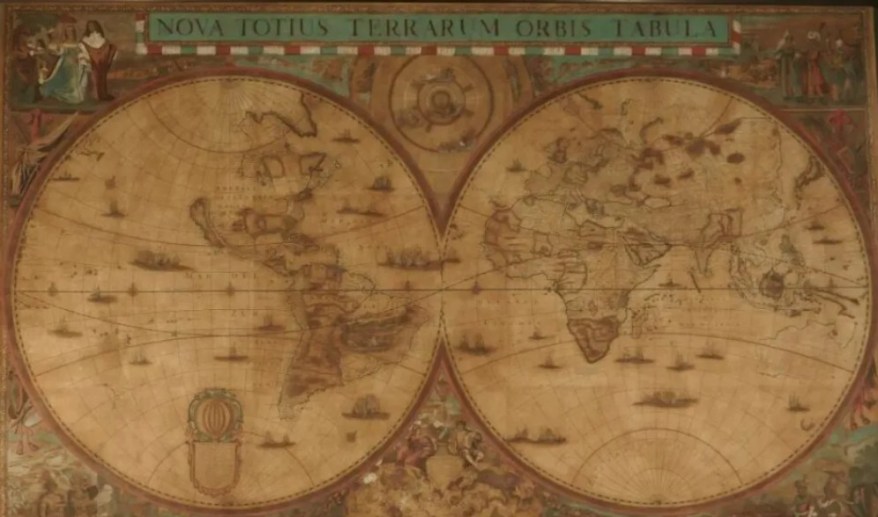
Palazzo Spinola, restaurate le antiche mappe olandesi del Seicento: tesori di carta che raccontano il mondo
🇮🇹Restaurate a Palazzo Spinola, a Genova, le preziose carte geografiche olandesi del Seicento: il planisfero del 1660 e le mappe dei quattro continenti… 🇬🇧The precious 17th-century Dutch maps at Palazzo Spinola in Genoa have been restored: the 1660 world map and the maps of the four continents…
-
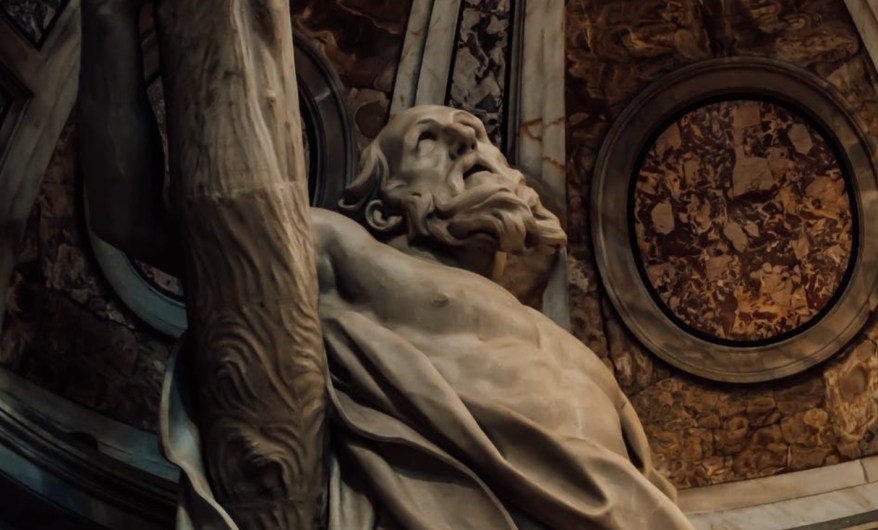
François Duquesnoy: quando la scultura cercò la grazia
🇮🇹François Duquesnoy, lo scultore fiammingo che conquistò Roma. Dal Sant’Andrea in San Pietro alla Santa Susanna, la sua sfida a Bernini nel segno della grazia e dell’armonia classica.
-
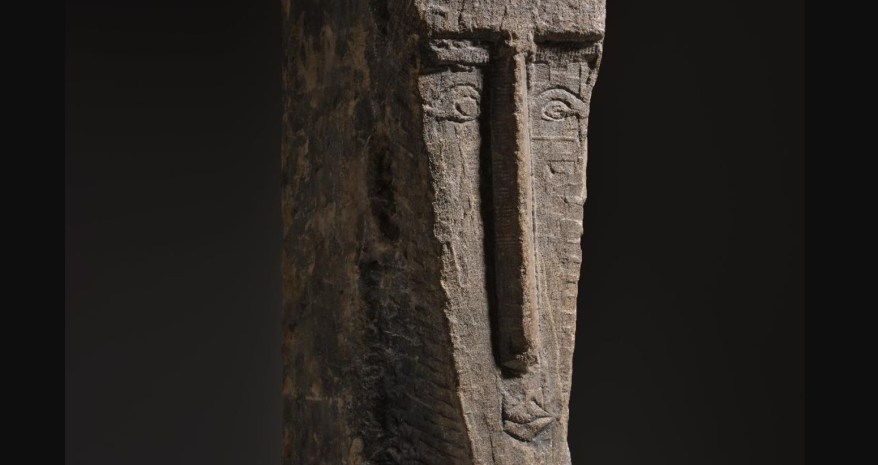
Modigliani, scultura da 35 milioni di dollari: Tête all’asta dopo 50 anni
🇮🇹Una rarissima scultura di Modigliani torna all’asta dopo oltre 50 anni: Tête, del 1911-1912, è stimata fino a 35 milioni di dollari… 🇬🇧A very rare Modigliani sculpture returns to auction after more than 50 years: Tête (1911–1912) is estimated at up to $35 million…
Condividi:


Questo sono io




sostienici

Sostienici - Support Us
Se questo blog ti piace e ti appassiona, puoi aiutarci a farlo crescere sempre più sostenendoci in modo concreto condividendo i post, seguendo le pagine social e con un contributo che ci aiuta ad andare avanti con il nostro lavoro di divulgazione. . ENGLISH: If you like and are passionate about this blog, you can help us make it grow more and more by supporting us in a concrete way by sharing posts, following social pages and with a contribution that helps us to move forward with our dissemination work.
€10,00


