

8 settembre 1504: il giorno in cui Firenze si fermò davanti al David
L’8 settembre 1504 Firenze si fermò davanti al mio David. Sapevo bene che quello non sarebbe stato un giorno come gli altri. Dopo mesi di lavoro, discussioni, fatiche e attese, la grande scultura veniva finalmente mostrato ufficialmente alla città.
Era il giorno della Natività della Vergine Maria, una ricorrenza particolarmente importante per Firenze. Proprio in quella data il gigante che avevo tirato fuori dal grande blocco di marmo proveniente dalle cave di Fantiscritti, Carrara, avrebbe preso un posto nel cuore politico della Repubblica fiorentina.
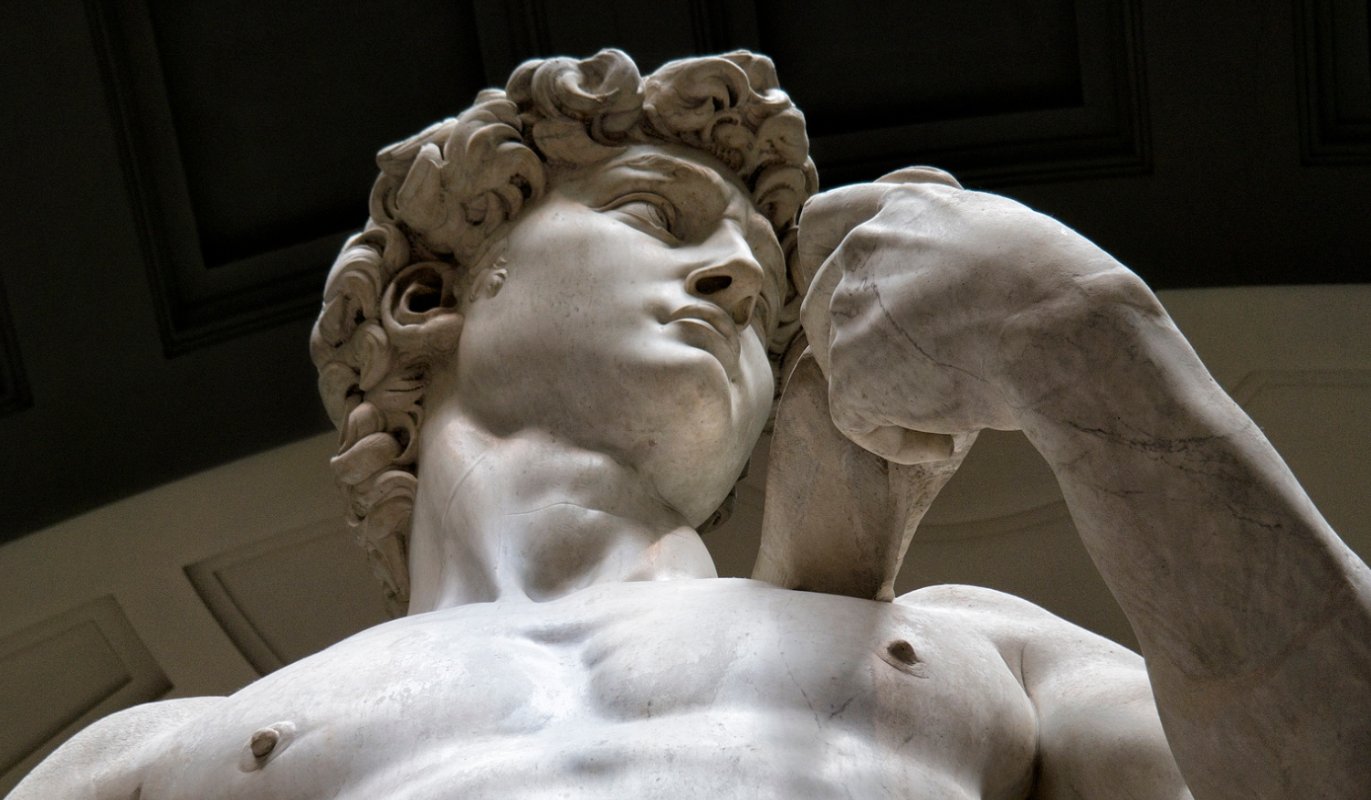
Quando il drappo scivolò via e la figura del giovane David apparve sull’arengario di Palazzo Vecchio, la piazza esplose in un moto collettivo di stupore e meraviglia: avevo trascorso anni a inseguire quella forma.
Quel giorno, finalmente, Firenze poteva guardarla.
Nato da un blocco di marmo considerato difficile
Quando ricevetti l’incarico di scolpire il David, mi fu affidato un blocco che ben conoscevo.
Era un enorme blocco di marmo di Carrara che da anni giaceva negli ambienti dell’Opera del Duomo. Altri artisti avevano già tentato di lavorarlo, ma il blocco era considerato problematico, tanto che per lungo tempo rimase inutilizzato.
Già avevo visto ciò che poteva diventare. Non volli aggiungere nulla alla pietra che non fosse già, in qualche modo, lì presente. Cominciai a lavorare al David nel 1501 e per mesi mantenni il cantiere il più possibile riservato. Non volevo che occhi indiscreti interferissero con il mio lavoro. Avevo davanti una responsabilità enorme.
Doveva diventare un simbolo di Firenze, della sua forza, della sua libertà e della capacità dell’uomo di affrontare un avversario apparentemente impossibile da sconfiggere.
Il gigante esce dal cantiere
Prima dell’inaugurazione ufficiale, il David dovette affrontare una prova non meno difficile della sua stessa realizzazione: il viaggio verso Piazza della Signoria. Il trasporto fu un’impresa straordinaria.
Il mio gigante pesava diverse tonnellate e doveva essere spostato dagli ambienti dell’Opera del Duomo fino al cuore della città. Per farlo fu necessario predisporre un sistema complesso di sostegni e argani e impiegare decine di uomini.
Lo speziale fiorentino Luca Landucci raccontò nei suoi scritti le difficoltà di quell’operazione. La sua testimonianza restituisce quasi fisicamente la fatica di quelle giornate.
Il David uscì dall’Opera del Duomo e il suo percorso fu tutt’altro che semplice. Durante il trasferimento qualcuno arrivò persino a lanciare delle pietre contro la statua ma il gigante arrivò a destinazione.
La disputa dei grandi artisti: dove mettere il David?
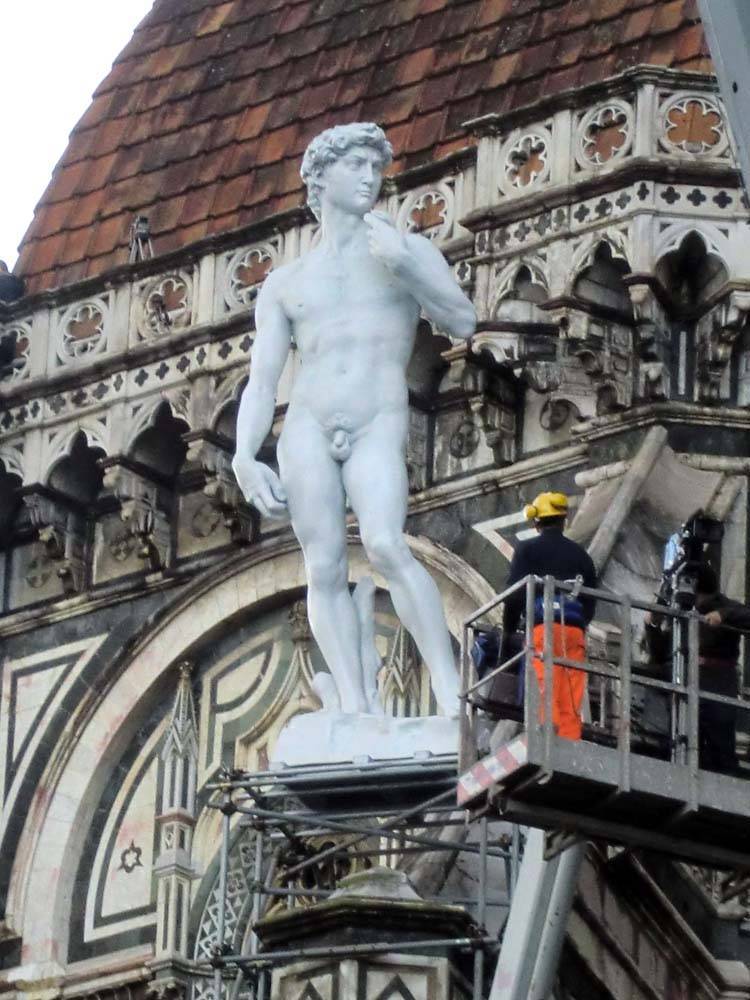
In origine il mio David non era destinato alla piazza. Il progetto infatti prevedeva che fosse collocato su uno degli sproni dei contrafforti della cupola di Santa Maria del Fiore. Ma una volta terminata la scultura divenne evidente che qualcosa doveva cambiare.
Come si poteva collocare lassù una figura di quelle dimensioni senza impedirne la visione? Il David era stato concepito per essere guardato da vicino.
Venne così convocata dagli operai dell’Opera del Duomo una commissione straordinaria per stabilire quale dovesse essere la sua nuova collocazione.
Tra gli artisti chiamati a esprimersi c’erano nomi che oggi fanno tremare le pagine dei libri di storia dell’arte: Leonardo da Vinci, Sandro Botticelli, Filippino Lippi, Andrea della Robbia e Davide Ghirlandaio.
Il dibattito fu acceso e alla fine prevalse la proposta di collocare il David davanti a Palazzo Vecchio, nel luogo che rappresentava il potere civile della Repubblica: la stessa che avrei voluto io.
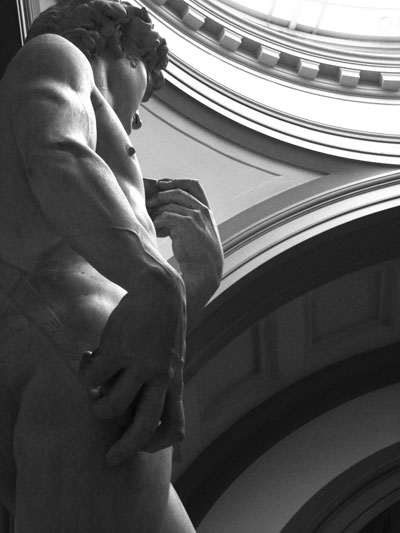
L’8 settembre 1504: il giorno dell’inaugurazione
Ed eccoci all’8 settembre. Firenze celebrava la Natività della Vergine Maria e quella data aveva per la città un significato particolare. Non era infatti una semplice coincidenza: proprio l’8 settembre 1296 era stata fondata l’Opera di Santa Maria del Fiore.
Scegliere questo giorno per presentare ufficialmente il David significava inserirlo simbolicamente nella storia religiosa, civile e artistica della città.
Il mio non era il David dopo la vittoria ma quello prima dello scontro, nel momento di maggior tensione: quando tutto ancora deve accadere.
È il coraggio prima dell’azione e la fede cieca in Dio.

Le dorature che non ci sono più
Dal momento dell’arrivo sull’arengario di Palazzo Vecchio del David, avevo continuato a lavorarci per qualche ritocco.
Pensate che un tempo la cinghia della fionda e il broncone erano dorati. Avevo fatto realizzare anche una ghirlanda composta da ventotto foglie di rame, in filo d’ottone ma non è dato sapere se mai glie l’apposi sul capo.
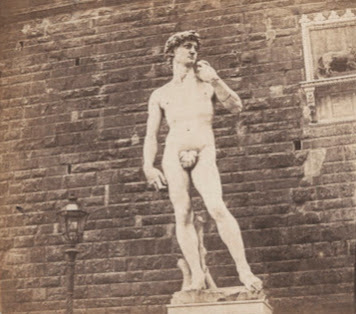
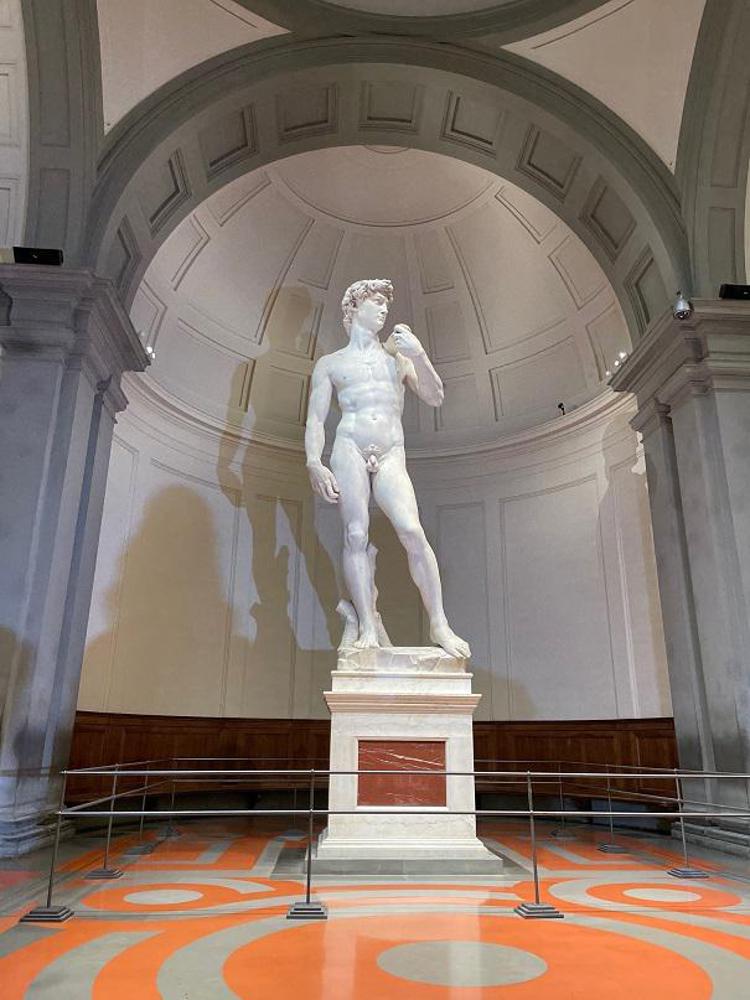
Oggi il mio gigante non domina più Piazza della Signoria. Dal 1873 si trova alla Galleria dell’Accademia di Firenze. Il vuoto lasciato in piazza fu colmato nel 1910 con la copia scolpita dall’Arrighetti
Se volete saperne un po’ di più sul giorno dell’inaugurazione e su altri dettagli del mio david, vi consiglio appassionatamente il libro che il mio alter ego ha dedicato al gigante: ‘Lui, il David‘ che trovate QUA.
Per il momento il sempre vostro Michelangelo Buonarroti vi saluta dandovi appuntamento ai prossimi post e sui social.

September 8, 1504: The Day Florence Stood Still Before the David
On September 8, 1504, Florence stood still before my David. I knew well that it would not be a day like any other. After months of work, discussions, toil, and anticipation, the great sculpture was finally officially unveiled to the city.
It was the day of the Nativity of the Virgin Mary, a particularly important anniversary for Florence. On that very date, the giant I had carved from the great block of marble from the Fantiscritti quarries in Carrara would take his place at the political heart of the Florentine Republic.
When the drape slipped away and the figure of the young David appeared on the Arengario of Palazzo Vecchio, the square erupted in a collective wave of amazement and wonder: I had spent years pursuing that form.
That day, finally, Florence could gaze upon it.
Born from a block of marble considered difficult
When I received the commission to sculpt the David, I was given a block I knew well.
It was a huge block of Carrara marble that had lain dormant for years in the Opera del Duomo. Other artists had already attempted to work it, but the block was considered problematic, so much so that it remained unused for a long time.
I had already seen what it could become. I didn’t want to add anything to the stone that wasn’t already, in some way, there. I began working on the David in 1501 and for months I kept the construction site as secret as possible. I didn’t want prying eyes to interfere with my work. I had a huge responsibility before me.
It was to become a symbol of Florence, of its strength, its freedom, and of man’s ability to face a seemingly invincible adversary.
The giant leaves the construction site
Before the official inauguration, the David had to face a test no less difficult than its construction itself: the journey to Piazza della Signoria. The transport was an extraordinary undertaking.
My giant weighed several tons and had to be moved from the Opera del Duomo to the heart of the city. To do so, a complex system of supports and winches was required, employing dozens of men.
Florentine apothecary Luca Landucci recounted the difficulties of that operation in his writings. His testimony conveys the almost physical fatigue of those days.
The David left the Opera del Duomo, and its journey was anything but easy. During the transfer, some even threw stones at the statue, but the giant reached its destination.
The dispute of the great artists: where to put the David?
My David was not originally intended for the piazza. The project, in fact, called for it to be placed on one of the buttresses of the dome of Santa Maria del Fiore. But once the sculpture was finished, it became clear that something had to change.
How could a figure of that size be placed up there without obstructing its view? The David was designed to be viewed up close.
Thus, the workers of the Opera del Duomo convened a special commission to determine its new location.
Among the artists invited to express themselves were names that today make the pages of art history books tremble: Leonardo da Vinci, Sandro Botticelli, Filippino Lippi, Andrea della Robbia, and Davide Ghirlandaio.
The debate was heated, and in the end, the proposal to place the David in front of Palazzo Vecchio, in the place that represented the civil power of the Republic, prevailed: the same one I would have wanted.
September 8, 1504: the day of the inauguration
And here we are, September 8th. Florence was celebrating the Nativity of the Virgin Mary, and that date had a special meaning for the city. It was no mere coincidence: on September 8, 1296, the Opera di Santa Maria del Fiore was founded.
Choosing this day to officially unveil the David meant symbolically inserting it into the religious, civil, and artistic history of the city.
Mine was not the David after the victory, but the one before the battle, at the moment of greatest tension: when everything still had to happen.
It’s courage before action and blind faith in God.
The gilding that is no longer there
Since the David’s arrival at the Arengario of Palazzo Vecchio, I had continued to work on it, making some adjustments.
Consider that the sling strap and the prong were once gilded. I had also had a garland made of twenty-eight copper leaves, made of brass wire, but it is unknown whether I ever placed it on his head.
Today, my giant no longer dominates Piazza della Signoria. Since 1873, it has been located in the Galleria dell’Accademia in Florence. The void left in the square was filled in 1910 with the copy sculpted by Arrighetti.
If you want to know more about the inauguration day and other dFor details of my David, I passionately recommend the book my alter ego dedicated to the giant: “Him, David,” which you can find HERE.
For now, yours truly, Michelangelo Buonarroti bids farewell and invites you to see him in future posts and on social media.

Sostienici – Support Us
Se questo blog ti piace e ti appassiona, puoi aiutarci a farlo crescere sempre più sostenendoci in modo concreto condividendo i post, seguendo le pagine social e con un contributo che ci aiuta ad andare avanti con il nostro lavoro di divulgazione. . ENGLISH: If you like and are passionate about this blog, you can help us make it grow more and more by supporting us in a concrete way by sharing posts, following social pages and with a contribution that helps us to move forward with our dissemination work.
10,00 €
-
18 ottobre 1634: nasce Luca Giordano, il pittore che dipingeva così in fretta da essere chiamato «Luca fa’ presto»
🇮🇹Luca Giordano nacque a Napoli il 18 ottobre 1634. Scopri perché era chiamato «Luca fa’ presto» e i suoi capolavori, dalla Galleria degli Specchi alla corte di Spagna… 🇬🇧Luca Giordano was born in Naples on October 18, 1634. Discover why he was nicknamed “Luca fa’ presto” (“Luca, hurry up!”) and explore his masterpieces—from the Hall…
-

Incendio al municipio di Limoges, crolla la torre dell’orologio: distrutto storico palazzo dell’Ottocento
🇮🇹Incendio a Limoges, il municipio storico è devastato: crollano il tetto e la torre dell’orologio alta 43 metri. Che cosa resta del patrimonio artistico? 🇬🇧Fire in Limoges: the historic town hall is devastated, with its roof and 43-meter-tall clock tower having collapsed. What remains of its artistic heritage?
-
Prima di Gesù Bambino viene l’Annunciazione: i dipinti che raccontano l’inizio della storia di Natale
🇮🇹Prima di Gesù Bambino c’è l’Annunciazione: scopri i dipinti più celebri di Leonardo, Beato Angelico e Simone Martini e i simboli nascosti nell’arte cristiana… 🇬🇧Before the Christ Child comes the Annunciation: discover the most famous paintings by Leonardo, Fra Angelico, and Simone Martini, and the symbols hidden within Christian art…
Condividi:


Questo sono io




sostienici

Sostienici – Support Us
Se questo blog ti piace e ti appassiona, puoi aiutarci a farlo crescere sempre più sostenendoci in modo concreto condividendo i post, seguendo le pagine social e con un contributo che ci aiuta ad andare avanti con il nostro lavoro di divulgazione. . ENGLISH: If you like and are passionate about this blog, you can help us make it grow more and more by supporting us in a concrete way by sharing posts, following social pages and with a contribution that helps us to move forward with our dissemination work.
€10,00


Credo sia la prima scultura che mi ha affascinato da bambina in una torrida vacanza che non potrò scordare
"Mi piace"Piace a 1 persona
Il David non si scorda mai. Un abbraccione
"Mi piace"Piace a 1 persona