
L’artista, la materia: a Casa Buonarroti un ciclo di conferenze sulle mie tre arti
Dalla scultura alla pittura, fino all’architettura: da novembre 2026 a maggio 2027 Casa Buonarroti di Firenze dedica un ciclo di incontri al mio rapporto con i materiali, le tecniche artistiche e il lavoro creativo.
“Non sendo in loco bon, né io pittore”.
Sono i celebri versi che scrissi a Giovanni da Pistoia, un caro amico. Fanno parte del sonetto nel quale raccontavo, con una certa dose di amara ironia, le sofferenze che mi procurava il lavoro sulla volta della Cappella Sistina. Il corpo piegato, la testa rivolta all’indietro, il colore che mi colava sul viso e le fatiche dei ponteggi erano diventati parte delle mie giornate.

Non ero certo un uomo incline a lamentarmi senza ragione, ma la pittura, lo sapete, non fu mai la mia prima passione. Io mi sentivo scultore. Lo sono sempre stato, anche quando papi e potenti mi chiedevano di dipingere cappelle, progettare edifici o occuparmi di imprese che sembravano non avere fine.
Se guardate le mie opere però vi accorgerete che la mia storia non può essere raccontata attraverso una sola arte. Scultura, pittura e architettura hanno accompagnato la mia esistenza, intrecciandosi continuamente. E dietro ciascuna di queste attività c’è sempre stato un rapporto profondo con la materia, con le sue possibilità e con i limiti che ho cercato, spesso ostinatamente, di superare.
‘Michelangelo. L’artista, la materia’: gli incontri a Casa Buonarroti
È proprio questo aspetto della mia attività che la Casa Buonarroti di Firenze ha scelto di approfondire con il ciclo di conferenze Michelangelo. L’artista, la materia, in programma da novembre 2026 a maggio 2027 nell’ambito della stagione di incontri 2026-2027.
Un percorso dedicato al mio rapporto con i materiali, alle tecniche artistiche e alle diverse modalità con cui ho affrontato il lavoro creativo, talvolta direttamente come esecutore, altre volte come collaboratore, consigliere o mentore di altri artisti.
Sarà come entrare nel laboratorio del mio pensiero, comprendere le scelte tecniche, le sperimentazioni e la conoscenza dei materiali che hanno accompagnato la mia attività.
Scultore prima di ogni altra cosa
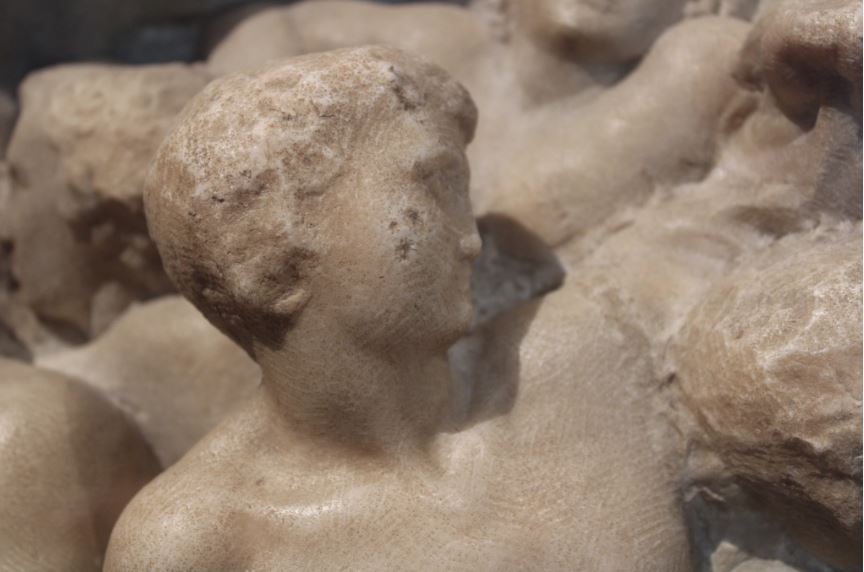
Se mi chiedete quale fosse la mia vera professione, vi risponderei senza esitazione quella dello scultore.
Il marmo è stato il mio interlocutore più fedele. Con un blocco di marmo dinanzi, il mio compito era togliere ciò che era superfluo, procedendo con mazzuolo, subbia, calcagno e gradine fino a raggiungere la pelle dell’opera.
Il marmo opponeva resistenza, talvolta celava imperfezioni, presentava venature impreviste. Occorreva conoscerlo, studiarlo e rispettarlo e al contempo anche avere il coraggio di affrontarlo.
La Pietà Vaticana, il David, i Prigioni e le opere destinate alle tombe medicee raccontano, ciascuna a modo proprio, il mio rapporto con questa materia.
La pittura che non consideravo la mia professione
Nonostante la mia predilezione per la scultura, la pittura occupò una parte fondamentale della mia vita.
Basti pensare alla volta della Cappella Sistina, un’impresa che mi tenne impegnato per anni e che ancora oggi continua a raccontare la mia idea dell’uomo, della creazione e del rapporto con il divino.
Non fu un lavoro affrontato senza difficoltà. Le dimensioni dell’impresa, le condizioni di lavoro e le difficoltà tecniche richiesero una conoscenza approfondita dei procedimenti pittorici e dei materiali.
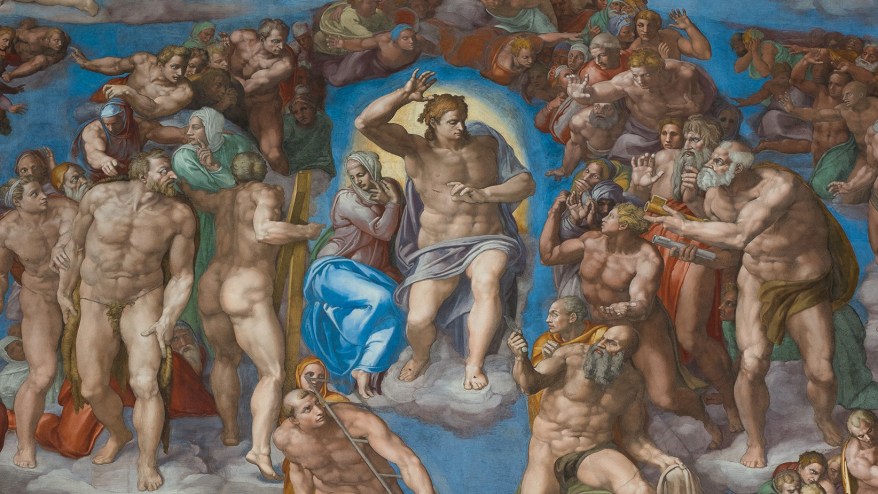
Anche nel Giudizio Universale, sulla parete d’altare della stessa Sistina, affrontai una nuova e complessa sfida, costruendo una composizione nella quale corpi, gesti e colori partecipano a un unico movimento.
La pittura non era per me un territorio sconosciuto. Anche quando sostenevo di non essere pittore, sapevo bene quanto fosse necessario conoscere le tecniche e i materiali per portare a termine un’impresa di quella portata.
L’architettura e la ricerca di nuove forme
L’architettura finì per occupare una parte importante della mia attività.
Mi confrontai con edifici, spazi monumentali, proporzioni, strutture e soluzioni costruttive. Dalla Sagrestia Nuova di San Lorenzo alla Biblioteca Medicea Laurenziana, fino alla grande impresa della Basilica di San Pietro, cercai di dare forma a una concezione dello spazio nella quale struttura e bellezza non fossero mai separate.
Anche in questo campo la conoscenza della materia era essenziale. Progettare significava immaginare, ma anche conoscere le possibilità concrete della costruzione, le proporzioni e le soluzioni tecniche necessarie per trasformare un’idea in architettura.
Le tre arti del disegno, un’unica ricerca
Il ciclo di conferenze organizzato dalla Casa Buonarroti offre l’occasione per guardare a questa dimensione meno scontata del mio lavoro: non soltanto all’artista celebrato per i suoi capolavori, ma all’uomo che studiava, sperimentava, progettava e cercava continuamente nuove possibilità espressive.
Non ho mai smesso di interrogare la materia. Che fosse marmo, colore o spazio architettonico, ciò che mi interessava era sempre trovare il modo di darle una forma capace di superare la semplice apparenza e arrivare a parlare all’animo di chi guarda.
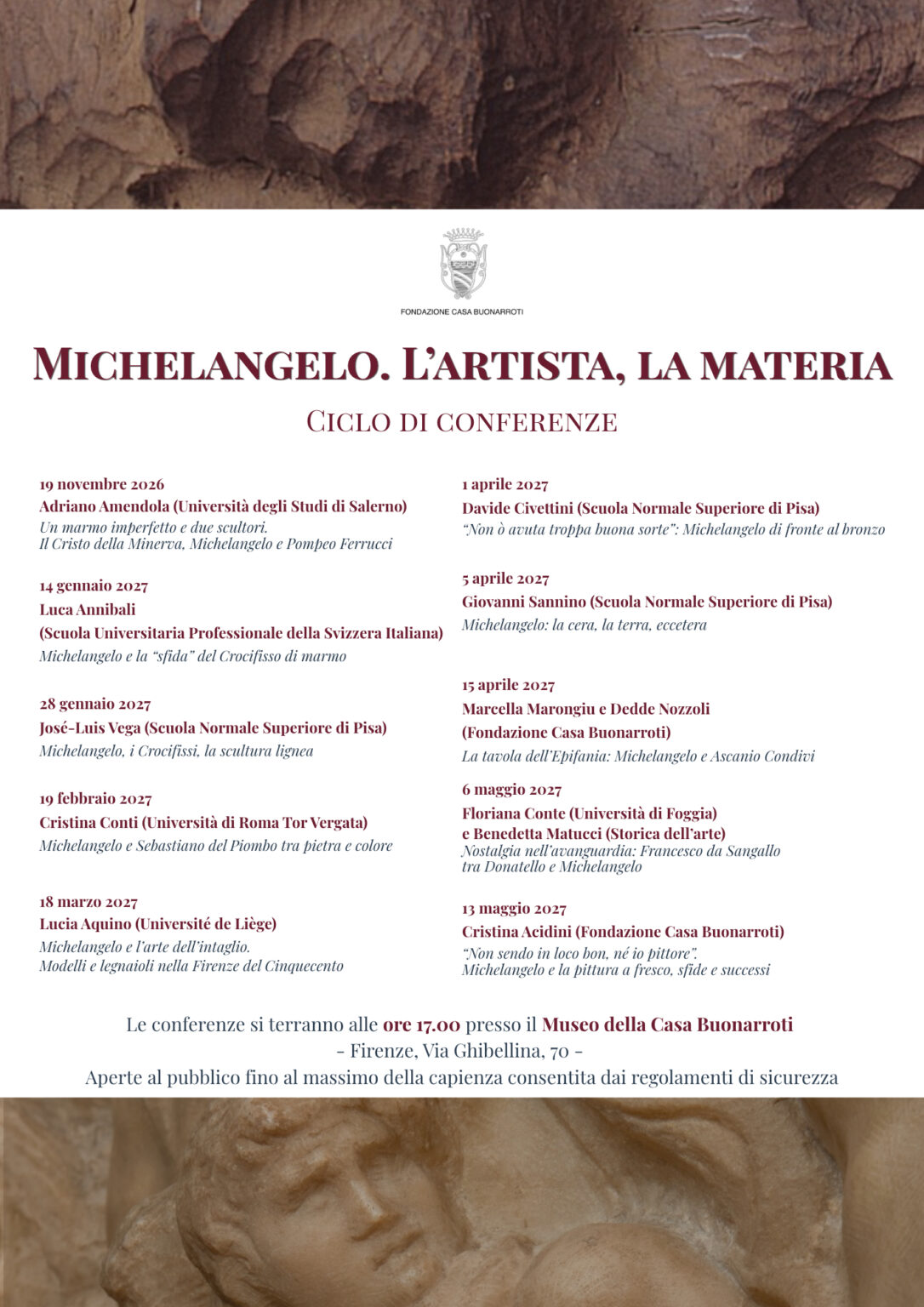
A seguire vi propongo il calendario degli incontri che avranno inizio il 19 novembre 2026 alle ore 17.
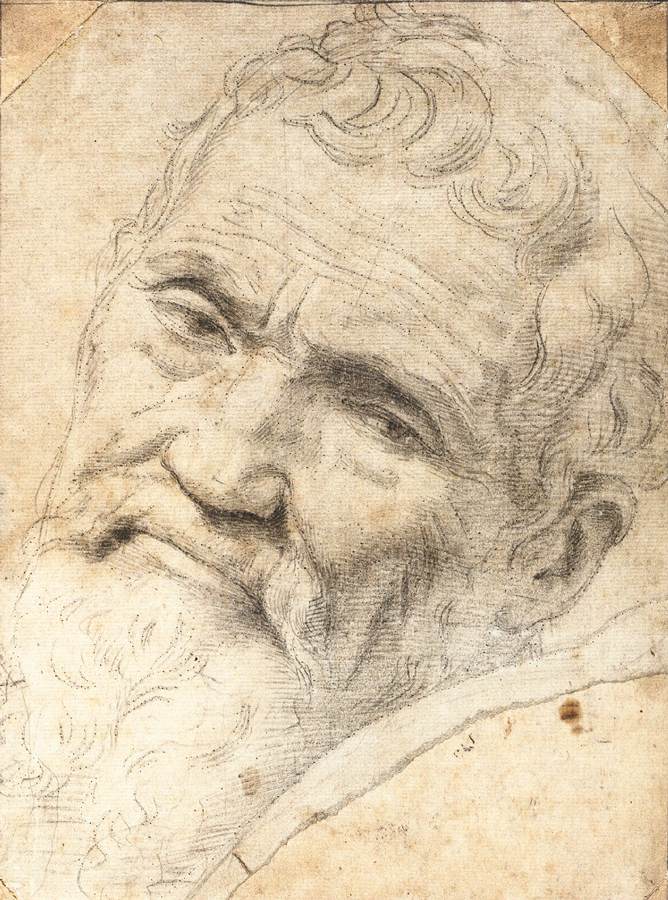
Per il momento il sempre vostro Michelangelo Buonarroti vi saluta dandovi appuntamento ai prossimi post e sui social.

The Artist and the Material: A Lecture Series at Casa Buonarroti on My Three Arts
From sculpture and painting to architecture: between November 2026 and May 2027, Casa Buonarroti in Florence will host a series of discussions exploring my relationship with materials, artistic techniques, and the creative process.
“I am not in the right place, nor am I a painter.”
These are the famous lines I wrote to Giovanni da Pistoia, a dear friend. They appear in a sonnet where I recounted—with a touch of bitter irony—the suffering I endured while working on the ceiling of the Sistine Chapel. My body bent, my head tilted back, paint dripping onto my face, and the grueling labor upon the scaffolding—these became the constants of my daily life.
I was certainly not a man prone to complaining without cause, but painting, as you know, was never my primary passion. I considered myself a sculptor. I have always been one, even when popes and powerful figures demanded that I paint chapels, design buildings, or undertake projects that seemed to have no end.
Yet, if you look at my works, you will realize that my story cannot be told through a single art form. Sculpture, painting, and architecture have accompanied my entire existence, constantly intertwining. And behind each of these pursuits lay a profound connection to material—to its inherent possibilities and to the limitations I often, with great stubbornness, sought to overcome.
‘Michelangelo: The Artist and the Material’ – A Series at Casa Buonarroti
It is precisely this facet of my work that Casa Buonarroti in Florence has chosen to explore in depth through the lecture series Michelangelo: The Artist and the Material. The Artist and the Material—scheduled to run from November 2026 to May 2027 as part of the 2026–2027 series of encounters.
This program explores my relationship with materials, artistic techniques, and the various ways in which I have approached creative work—sometimes directly as the executor, and at other times as a collaborator, advisor, or mentor to other artists.
It will be like stepping into the laboratory of my own thought process, gaining insight into the technical choices, experiments, and deep understanding of materials that have shaped my career.
A sculptor, above all else
If you were to ask me what my true profession was, I would answer without hesitation: that of a sculptor.
Marble has been my most faithful interlocutor. Faced with a block of marble, my task was to remove everything superfluous—working with a mallet, a pointed chisel, a flat-edged chisel, and a toothed chisel until I reached the very “skin” of the work.
Marble offers resistance; it may conceal imperfections or reveal unexpected veins. One must know it, study it, and respect it—while simultaneously possessing the courage to confront it.
The Vatican Pietà, the David, the Prisoners (Prigioni), and the works created for the Medici Chapels each, in their own way, tell the story of my relationship with this material.
Painting—a craft I did not consider my true profession
Despite my profound preference for sculpture, painting played a fundamental role in my life.
Consider the ceiling of the Sistine Chapel—a monumental undertaking that occupied me for years and which, even today, continues to convey my vision of humanity, creation, and the relationship with the divine.
It was a task not without its difficulties. The scale of the undertaking, the working conditions, and the technical challenges demanded a profound understanding of painting processes and materials.
In the Last Judgment as well—located on the altar wall of the Sistine Chapel—I took on a new and complex challenge, constructing a composition in which bodies, gestures, and colors all participate in a single, unified movement.
Painting was not an unfamiliar territory for me. Even when I claimed not to be a painter, I was well aware of how essential it was to master the techniques and materials required to complete a project of such magnitude.
Architecture and the pursuit of new forms
Architecture eventually came to occupy a significant part of my work.
I engaged with buildings, monumental spaces, proportions, structures, and construction solutions. From the New Sacristy of San Lorenzo to the Laurentian Library, and on to the grand undertaking of St. Peter’s Basilica, I sought to give shape to a conception of space in which structure and beauty were never separate.
In this field, too, an understanding of the material was essential. To design meant not only to imagine, but also to grasp the concrete possibilities of construction—the proportions and technical solutions necessary to transform an idea into architecture.
The three arts of disegno (design/drawing): a single, unified pursuit
The lecture series organized by Casa Buonarroti offers an opportunity to examine this less-obvious dimension of my work: looking beyond the artist celebrated for his masterpieces to the man who studied, experimented, designed, and constantly sought out new modes of expression.
I never ceased to interrogate the material Whether it be marble, color, or architectural space, my primary interest has always been to find a way to give it a form capable of transcending mere appearance and speaking directly to the soul of the viewer.
Below, you will find the schedule for the meetings, which will begin on November 19, 2026, at 5:00 PM.
For now, yours truly, Michelangelo Buonarroti, bids you farewell—see you in future posts and on social media.
Sostienici – Support Us
Se questo blog ti piace e ti appassiona, puoi aiutarci a farlo crescere sempre più sostenendoci in modo concreto condividendo i post, seguendo le pagine social e con un contributo che ci aiuta ad andare avanti con il nostro lavoro di divulgazione. . ENGLISH: If you like and are passionate about this blog, you can help us make it grow more and more by supporting us in a concrete way by sharing posts, following social pages and with a contribution that helps us to move forward with our dissemination work.
10,00 €

Condividi:


Questo sono io



sostienici
Sostienici - Support Us
Se questo blog ti piace e ti appassiona, puoi aiutarci a farlo crescere sempre più sostenendoci in modo concreto condividendo i post, seguendo le pagine social e con un contributo che ci aiuta ad andare avanti con il nostro lavoro di divulgazione. . ENGLISH: If you like and are passionate about this blog, you can help us make it grow more and more by supporting us in a concrete way by sharing posts, following social pages and with a contribution that helps us to move forward with our dissemination work.
€10,00


