

Cappella Sistina, usai un pennello a più punte: scoperto un autoritratto nel Giudizio Universale
Un pennello dalla forma insolita, simile a un pettine, per stendere il colore e dare ai corpi la forza del marmo. Le recenti operazioni di manutenzione del Giudizio Universale hanno riportato l’attenzione sulla mia particolare tecnica pittorica.
Non avrei mai immaginato che, a distanza di quasi cinque secoli, qualcuno sarebbe salito ancora una volta davanti al mio Giudizio Universale per cercare di capire come avessi lavorato.
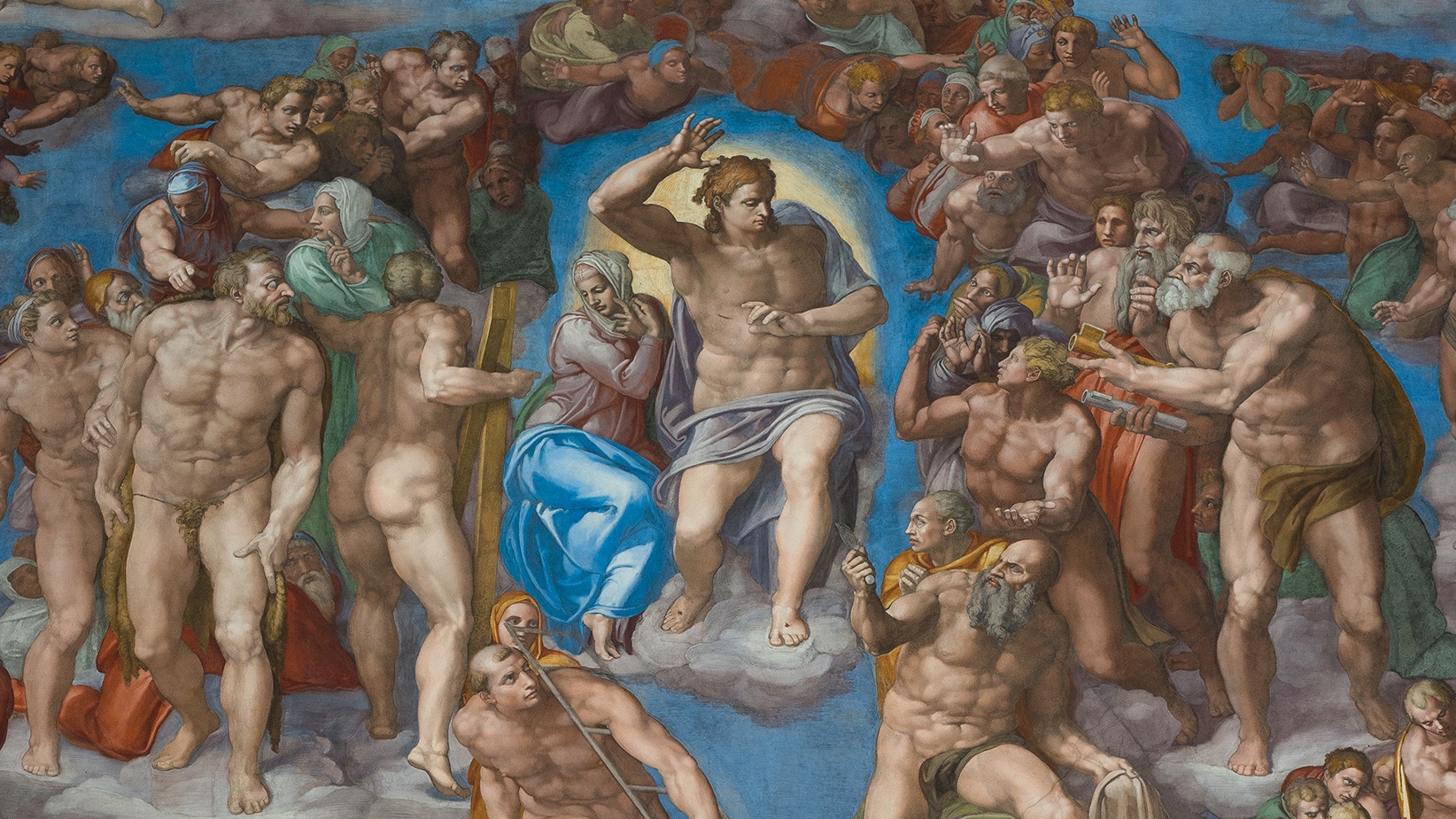
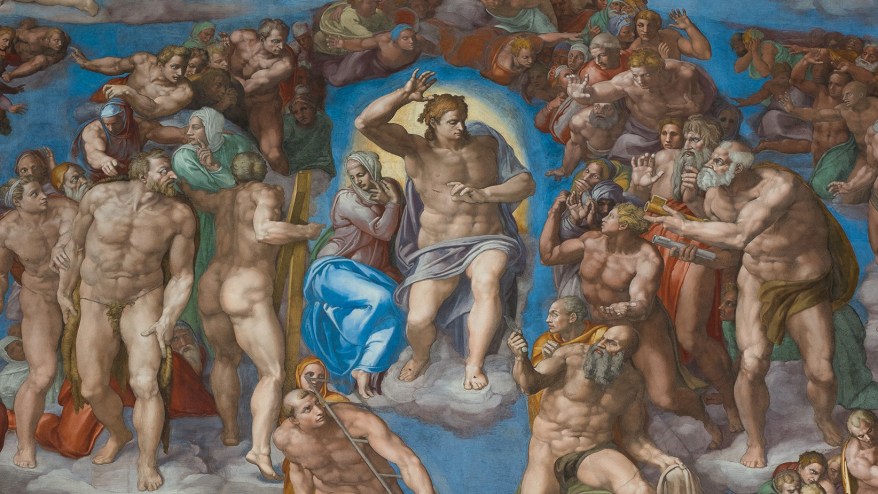
Durante la recente manutenzione della parete d’altare della Cappella Sistina, condotta dai restauratori dei Musei Vaticani, è stata posta particolare attenzione a un dettaglio: non è improbabile avessi ideato e utilizzato pennelli a più punte, simili a piccoli pettini.
Un’ipotesi che consente di guardare con occhi diversi il mio modo di dipingere e che conferma quanto la scultura abbia continuato ad accompagnarmi anche quando avevo un pennello in mano.
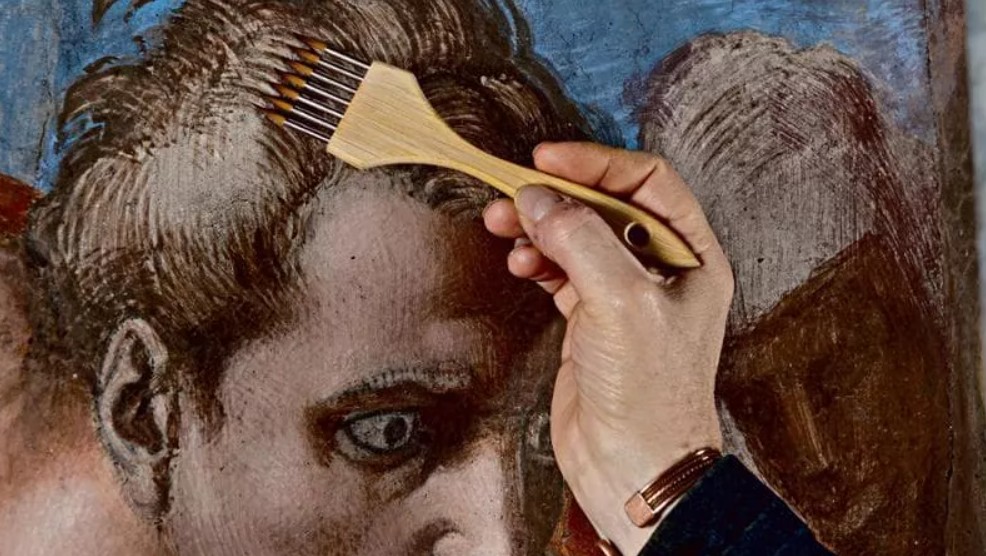
Il pennello a pettine: quando la pittura incontra la scultura
Sono sempre stato uno scultore, anche quando dipingevo e mi pare che l’evidenza sia sotto gli occhi di tutti. Chi conosce il mio lavoro sa bene quanto mi interessasse dare ai corpi volume, consistenza e una presenza che fosse tangibile. Volevo che le figure emergessero dalla materia e che la luce rivelasse i muscoli, le tensioni e ogni movimento.
I restauratori guidati da Paolo Violini hanno potuto osservare da vicino la superficie dipinta. La vicinanza ha consentito di riconoscere un possibile impiego sistematico di pennelli con più punte che verosimilmente avevo realizzato da solo.
Immaginate uno strumento simile a un pettine, capace di lasciare sull’intonaco diversi segni paralleli con un solo movimento. Una soluzione pratica per velocizzare il lavoro sulle grandi superfici ma che al contempo mi consentiva di ottenere un risultato particolare.
Le pennellate, orientate in direzioni differenti e sovrapposte, creavano un tratteggio incrociato che ricordava quello prodotto dalla gradina a più denti che usavo per scolpire.
Avevo trovato il modo di portare sulla parete affrescata un procedimento tipico della scultura. Attraverso l’incrocio dei tratti, costruivo una superficie vibrante, capace di reagire alla luce e di restituire ai corpi una straordinaria sensazione di volume.
Come sottolinea Barbara Jatta, direttrice dei Musei Vaticani, nell’introduzione al volume dedicato alla manutenzione, dipingevo meravigliosamente da scultore.

Il volto nascosto tra le pieghe della veste: il mio autoritratto sconosciuto
La manutenzione del Giudizio Universale ha permesso anche di osservare meglio alcuni particolari dell’affresco, riportando l’attenzione su un dettaglio che da tempo incuriosisce studiosi e visitatori.
Nella scena della resurrezione dei corpi, si trova un volto nascosto tra le pieghe della veste di un’allegoria della morte.
È quello che viene interpretato come un mio cripto-autoritratto.
Un volto scarno, quasi consumato, che sembra fissare direttamente chi si ferma a guardarlo. La sua presenza è stata collegata a un episodio particolarmente doloroso della mia vita: la caduta dal ponteggio durante i lavori alla Cappella Sistina, nel 1541, quando riportai una grave ferita a una gamba.
Non fu certo un’esperienza piacevole. Lavorare lassù, a quell’altezza, comportava fatiche e rischi che oggi difficilmente riuscireste a immaginare.
Quel volto nascosto potrebbe essere il modo in cui volli lasciare una traccia di quella vicenda, quasi un segno della mia personale resurrezione dopo il dolore e la sofferenza.
Fabrizio Biferali, curatore del Reparto per l’arte dei secoli XV e XVI dei Musei Vaticani, lo definisce un segno «muto e parlante». Presenza discreta che, una volta individuata, diventa difficile da dimenticare.
Le nuove scoperte nel volume dei Musei Vaticani
Tutte queste interessanti scoperte, dal particolare pennello a più punte che utilizzai per dipingere il Giudizio Universale fino al volto interpretato come un mio cripto-autoritratto, sono raccontate e documentate nel nuovo volume ‘Michelangelo 2026. La manutenzione straordinaria del Giudizio universale’, pubblicato dalle Edizioni Musei Vaticani e curato da Barbara Jatta e Fabrizio Biferali.
Il libro raccoglie i risultati degli studi e delle osservazioni condotti durante il recente intervento di manutenzione, offrendo nuovi strumenti per comprendere la mia tecnica pittorica e per avvicinarsi ancora una volta ai tanti dettagli che ho lasciato sulla parete della Cappella Sistina.
Il libro lo trovate qua ‘Michelangelo 2026. La manutenzione straordinaria del Giudizio universale’
Per il momento il sempre vostro Michelangelo Buonarroti vi saluta dandovi appuntamento ai prossimi post e sui social.
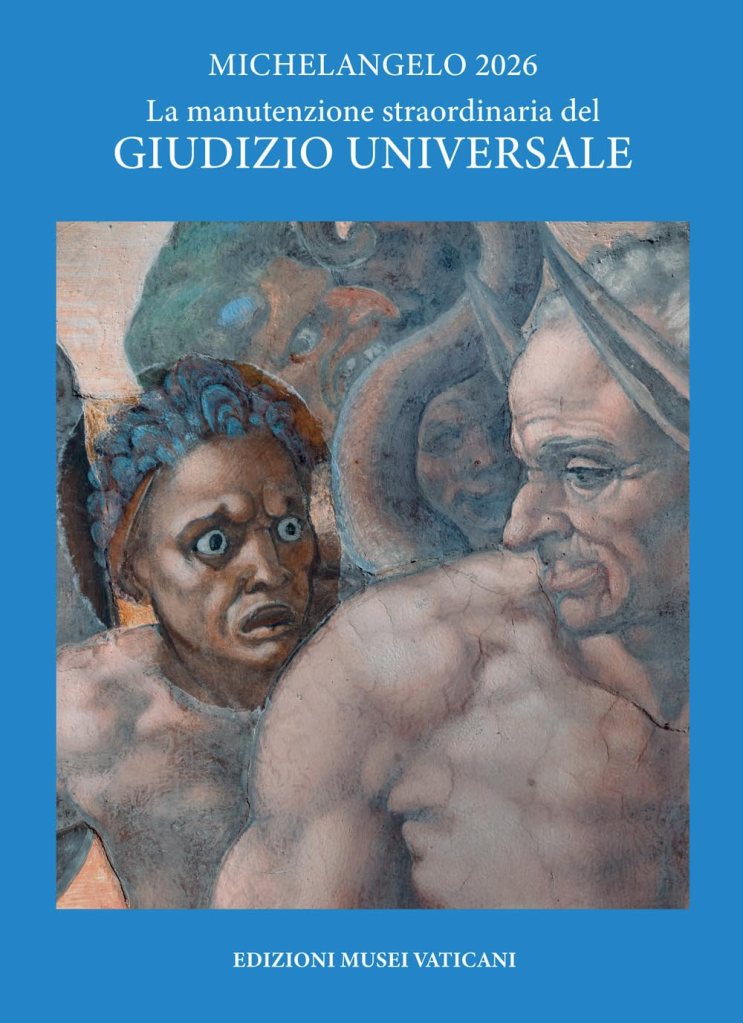
Sistine Chapel: I used a multi-tipped brush—a self-portrait discovered in The Last Judgment
An unusually shaped brush, resembling a comb, used to apply paint and imbue bodies with the strength of marble. Recent maintenance work on The Last Judgment has brought renewed attention to my unique painting technique.
I never imagined that, nearly five centuries later, someone would once again stand before my The Last Judgment to try and understand how I worked.
During recent maintenance on the altar wall of the Sistine Chapel, carried out by conservators from the Vatican Museums, particular attention was paid to one detail: it is quite likely that I devised and used multi-tipped brushes—much like small combs.
This hypothesis offers a new perspective on my approach to painting and confirms how the influence of sculpture remained with me, even when I held a paintbrush in my hand.
The comb-like brush: where painting meets sculpture
I have always been a sculptor, even when painting—a fact that, it seems to me, is plain for all to see. Those familiar with my work know how deeply I cared about giving bodies volume, substance, and a tangible presence. I wanted my figures to emerge from the material, with light revealing their muscles, tensions, and every movement.
The conservators, led by Paolo Violini, were able to examine the painted surface at close range. This proximity revealed the likely systematic use of multi-tipped brushes—tools that, in all probability, I crafted myself.
Imagine an instrument akin to a comb, capable of leaving multiple parallel marks on the plaster in a single stroke. It was a practical solution to speed up work on large surfaces, while simultaneously allowing me to achieve a distinct, specific effect. The brushstrokes, oriented in different, overlapping directions, created a cross-hatching effect reminiscent of the marks left by the multi-toothed claw chisel I used for sculpting.
I had found a way to apply a technique typical of sculpture to the frescoed wall. By intersecting these strokes, I built a vibrant surface—one capable of reacting to light and imbuing the figures with an extraordinary sense of volume.
As Barbara Jatta, Director of the Vatican Museums, notes in the introduction to the volume dedicated to the conservation work, I painted in a marvelous way—like a sculptor.
A face hidden within the folds of a garment: my unknown self-portrait
The conservation of the Last Judgment also allowed for a closer examination of certain details within the fresco, drawing attention to a feature that has long intrigued both scholars and visitors.
In the scene depicting the resurrection of the bodies, there is a face concealed within the folds of the garment worn by an allegorical figure of Death.
This is interpreted as a hidden self-portrait of mine.
It is a gaunt, almost worn-away face that seems to stare directly at anyone who stops to look at it. Its presence has been linked to a particularly painful episode in my life: a fall from the scaffolding while I was working on the Sistine Chapel in 1541, during which I sustained a severe leg injury.
It was certainly not a pleasant experience. Working up there, at such a height, entailed hardships and risks that would be difficult for you to imagine today.
That hidden face may well have been my way of leaving a trace of that event—a sign, perhaps, of my own personal resurrection following such pain and suffering. Fabrizio Biferali, curator of the Department for 15th and 16th-Century Art at the Vatican Museums, describes it as a sign that is both “mute and eloquent”—a subtle presence that, once noticed, is hard to forget.
New discoveries in the Vatican Museums’ volume
All these fascinating findings—from the unique multi-tipped brush I used to paint the Last Judgment, to a face interpreted as a hidden self-portrait of mine—are recounted and documented in the new volume, Michelangelo 2026: The Extraordinary Maintenance of the Last Judgment, published by Edizioni Musei Vaticani and edited by Barbara Jatta and Fabrizio Biferali.
The book gathers the results of studies and observations conducted during the recent maintenance project, offering new tools for understanding my painting technique and for taking a fresh look at the many details I left behind on the wall of the Sistine Chapel.
You can find the book here: Michelangelo 2026: The Extraordinary Maintenance of the Last Judgment.
For now, yours truly, Michelangelo Buonarroti, bids you farewell—until the next post, here or on social media.

Sostienici – Support Us
Se questo blog ti piace e ti appassiona, puoi aiutarci a farlo crescere sempre più sostenendoci in modo concreto condividendo i post, seguendo le pagine social e con un contributo che ci aiuta ad andare avanti con il nostro lavoro di divulgazione. . ENGLISH: If you like and are passionate about this blog, you can help us make it grow more and more by supporting us in a concrete way by sharing posts, following social pages and with a contribution that helps us to move forward with our dissemination work.
10,00 €

Condividi:


Questo sono io





sostienici

Sostienici – Support Us
Se questo blog ti piace e ti appassiona, puoi aiutarci a farlo crescere sempre più sostenendoci in modo concreto condividendo i post, seguendo le pagine social e con un contributo che ci aiuta ad andare avanti con il nostro lavoro di divulgazione. . ENGLISH: If you like and are passionate about this blog, you can help us make it grow more and more by supporting us in a concrete way by sharing posts, following social pages and with a contribution that helps us to move forward with our dissemination work.
€10,00


Mi piace
"Mi piace""Mi piace"