

Dopo il Magnifico, fu il Popolano il mio protettore
Prima ancora di essere l’artista prediletto del facoltoso banchiere romano Jacopo Galli e dopo aver trascorso un paio d’anni alla mensa del Magnifico, fu Lorenzo di Pier Francesco de’ Medici a prendermi sotto la sua ala protettrice.
Lorenzo di Pier Francesco de Medici, esponente del ramo cadetto Popolano della famiglia Medici e cugino del Magnifico, divenne di fatto il mio protettore quando rientrai a Firenze da Bologna, fra la fine del 1495 e il gennaio del 1496.

Non è da escludere m’avesse incoraggiato a lasciare Firenze dove, realizzare opere d’arte e soprattutto venderle, era diventato difficile, mentre tanti capolavori venivano arsi sui roghi delle vanità di Savonarola e i Piagnoni.
A Roma si respirava tutt’altra aria e gli artisti in quel momento avevano più possibilità di lavorare, sia per alti prelati che per facoltosi committenti amanti del bello.

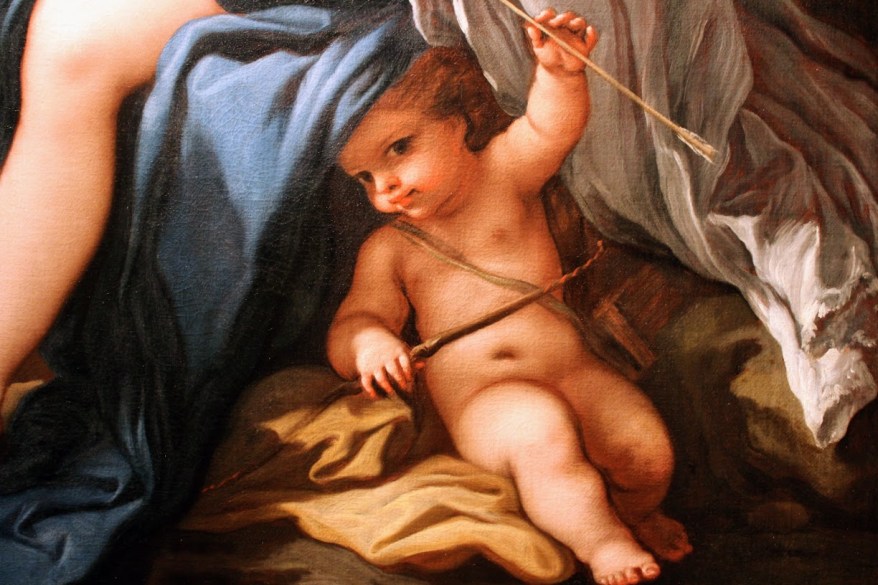
Quando infatti arrivai a Roma dopo che Baldassarre il Milanese aveva venduto a mia insaputa il Cupido spacciandolo per antico a cardinale Riario, avevo in tasca delle missive scritte proprio dal Popolano (Lorenzo di Pier Francesco de’ Medici).
Non erano altro che delle lettere di presentazione indirizzate al cardinale di San Giorgio, ovvero Raffaele Riario, ad alcuni mercanti fiorentini a Roma e a Baldassarre stesso.

Della presenza di queste lettere ne esiste traccia nella missiva che scrissi poi il 2 luglio del 1496 al Popolano.
Per il momento il sempre vostro Michelangelo Buonarroti vi saluta dandovi appuntamento ai prossimi post e sui social.


After the Magnificent, the Popolano was my protector
Even before being the favorite artist of the wealthy Roman banker Jacopo Galli and after spending a couple of years at the table of the Magnificent, it was Lorenzo di Pier Francesco de’ Medici who took me under his protective wing.
Lorenzo di Pier Francesco de Medici, a member of the cadet Popolano branch of the Medici family and cousin of the Magnificent, effectively became my protector when I returned to Florence from Bologna, between the end of 1495 and January 1496.
It cannot be ruled out that he encouraged me to leave Florence where creating works of art and above all selling them had become difficult while many were burned at the stakes of the vanities of Savonarola and the Piagnoni. In Rome the atmosphere was completely different and artists at that time had more opportunities to work both for high prelates and wealthy clients who loved beauty.
In fact, when I arrived in Rome after Baldassarre the Milanese had sold the Cupid without my knowledge passing it off as an antique to Cardinal Riario, I had some letters written by the Popolano himself (Lorenzo di Pier Francesco de’ Medici) in my pocket.
They were nothing more than letters of introduction addressed to the Cardinal of San Giorgio, namely Raffaele Riario, to some Florentine merchants in Rome and to Baldassarre.
There is a trace of the presence of these letters in the letter that I then wrote on 2 July 1496 to Popolano.
For the moment, your always Michelangelo Buonarroti greets you and will meet you in the next posts and on social media.

Sostienici – Support Us
Se questo blog ti piace e ti appassiona, puoi aiutarci a farlo crescere sempre più sostenendoci in modo concreto condividendo i post, seguendo le pagine social e con un contributo che ci aiuta ad andare avanti con il nostro lavoro di divulgazione. . ENGLISH: If you like and are passionate about this blog, you can help us make it grow more and more by supporting us in a concrete way by sharing posts, following social pages and with a contribution that helps us to move forward with our dissemination work.
8,00 €
-
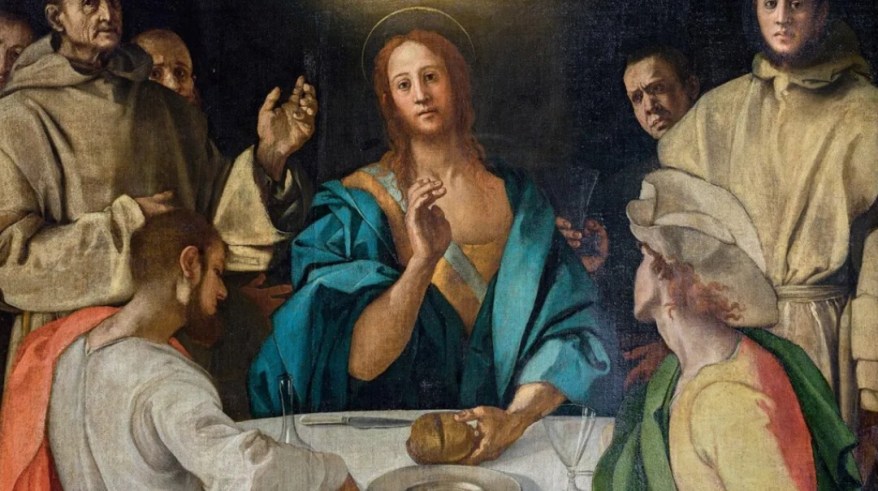
Cena in Emmaus di Pontormo: il pane, il gatto e il cane alle Scuderie del Quirinale
La Cena in Emmaus di Pontormo nasconde dettagli sorprendenti: il significato del pane, i simboli e il mistero della Resurrezione. Scopri il capolavoro del 1525 in mostra alle Scuderie del Quirinale a Roma… 🇬🇧Pontormo’s *Supper at Emmaus* conceals surprising details: the significance of the bread, various symbols, and the mystery of the Resurrection. Discover this…
-
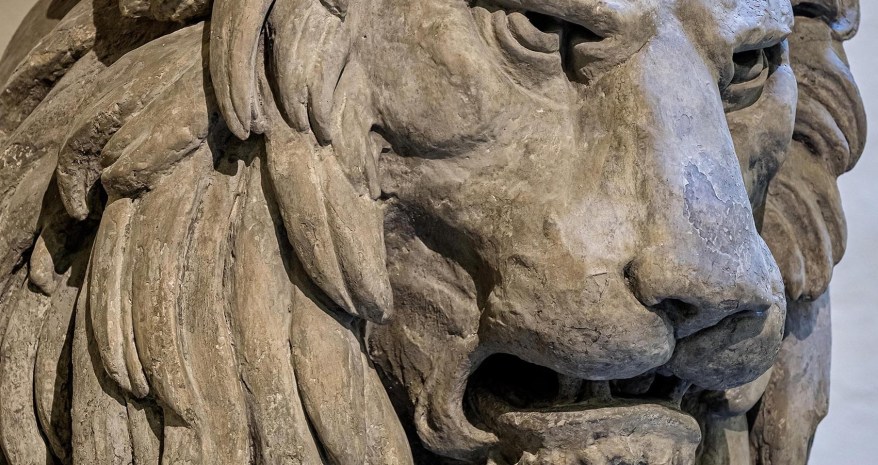
Palazzo Vecchio, il restauro svela la vera natura dei quattro leoni e il mistero della fontana greca
🇮🇹Restaurato il Cortile della Dogana di Palazzo Vecchio a Firenze: i quattro leoni sono calchi, una fontana conserva un’iscrizione greca da studiare e tornano a funzionare entrambe le fontane… 🇬🇧The Cortile della Dogana (Customs Courtyard) at Palazzo Vecchio in Florence has been restored: the four lions are casts, one fountain features a Greek inscription that…
-
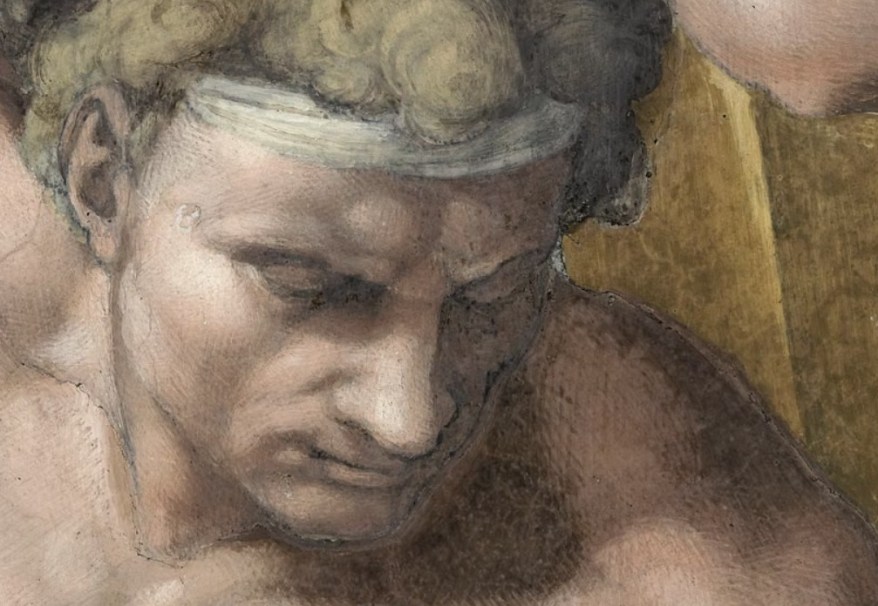
Disma, il buon ladrone nel Giudizio Universale: la misericordia e la giustizia divina
Nel Giudizio Universale della Cappella Sistina ci sono particolari che rischiano di passare inosservati, anche a chi ha avuto la fortuna di alzare gli occhi verso la mia grande parete. Tra i corpi che si sollevano, gli angeli che suonano le trombe e le anime che cercano di raggiungere il cielo, ci sono figure che…
Condividi:


Questo sono io




sostienici

Sostienici - Support Us
Se questo blog ti piace e ti appassiona, puoi aiutarci a farlo crescere sempre più sostenendoci in modo concreto condividendo i post, seguendo le pagine social e con un contributo che ci aiuta ad andare avanti con il nostro lavoro di divulgazione. . ENGLISH: If you like and are passionate about this blog, you can help us make it grow more and more by supporting us in a concrete way by sharing posts, following social pages and with a contribution that helps us to move forward with our dissemination work.
€10,00


