
Un disegno architettonico del 1518: interpretazioni e destinazione
Il disegno architettonico che vi propongo oggi lo realizzai nel 1518 e riguarda la pianta e il prospetto in elevazione di una struttura semiottagonale, tracciate a penna e inchiostro bruno.
Wilde ha interpretato questo studio come un pulpito da inserire a parete che formava parte di un coro mentre Kurz nel 1953 ha precisato che quel tipo di struttura sarebbe stata assai anacronistica nel Cinquecento a meno che non fosse stata realizzata per una chiesa appartenente a un ordine di clausura.
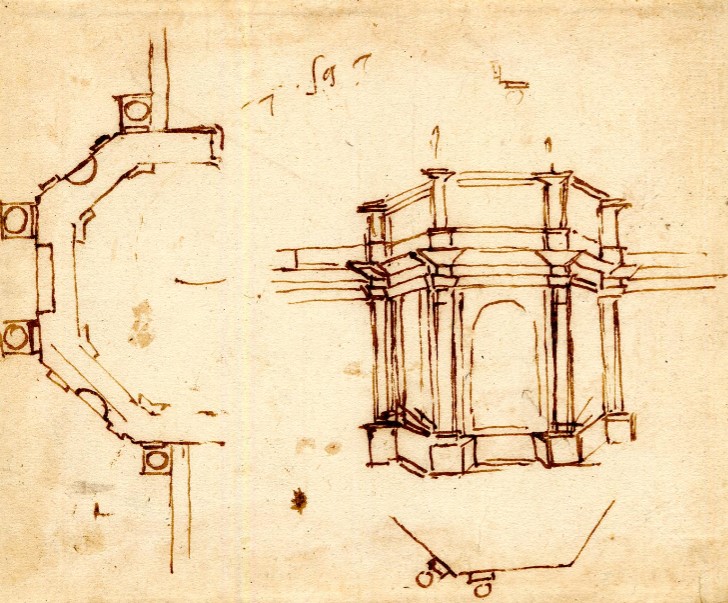
Come vedete la destinazione di questi due disegni è controversa ed è difficile stabilire con precisione cosa riguardi.
Fu sempre Wilde a datare il disegno attorno al 1518 sulla base della bozza di lettera che riguarda il trasporto di una corda particolarmente resistente presente su un foglio con uno studio simile appartenente all’Ashmolean Museum.
Il testo della lettera fa riferimento alla corda che mi serviva per far lizzare i marmi dalle cave a fondo valle nel momento in cui ero impegnato a far estrarre le colonne di marmo nelle cave di Seravezza che mi sarebbero servite per realizzare la facciata della Basilica di San Lorenzo, a Firenze.
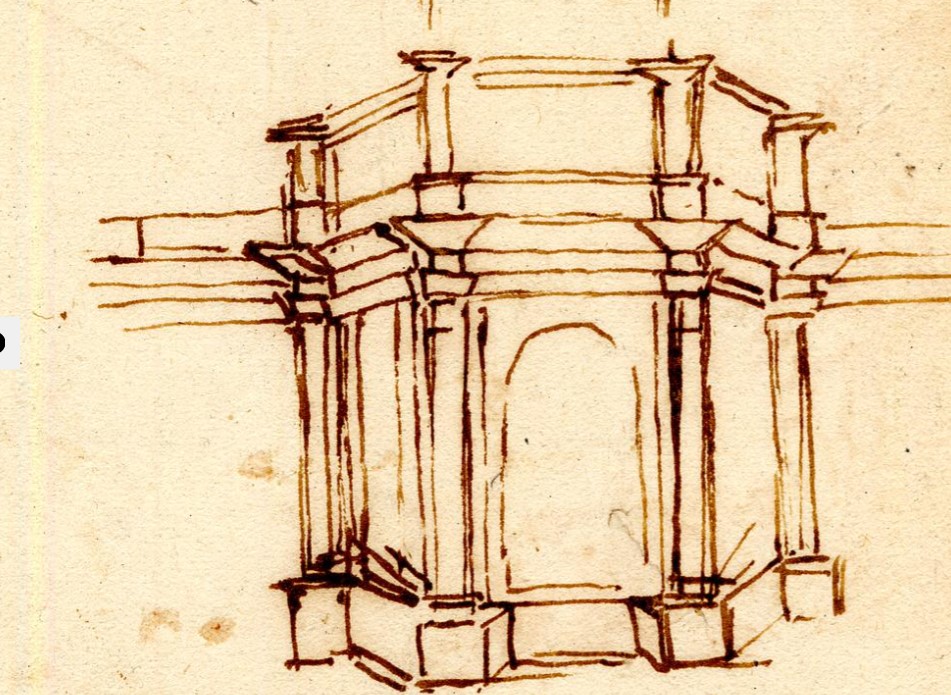
De Tolnay fu concorde con la datazione di Wilde suggerendo inoltre che il disegno potesse rappresentare una prima idea per la Tribuna delle Reliquie a San Lorenzo.
Per il momento il sempre vostro Michelangelo Buonarroti vi saluta dandovi appuntamento ai prossimi post e sui social.
An architectural drawing from 1518: interpretations and destination
The architectural drawing that I propose to you today was created in 1518 and concerns the plan and elevation of a semi-octagonal structure, drawn in pen and brown ink.
Wilde interpreted this study as a pulpit to be inserted on the wall that formed part of a choir while Kurz in 1953 specified that that type of structure would have been very anachronistic in the sixteenth century unless it had been built for a church belonging to an order of enclosure.
As you can see, the destination of these two drawings is controversial and it is difficult to establish precisely what it concerns.
It was also Wilde who dated the drawing around 1518 on the basis of the draft letter concerning the transport of a particularly resistant rope present on a sheet with a similar study belonging to the Ashmolean Museum.
The text of the letter refers to the rope that I needed to remove the marble from the quarries at the bottom of the valley when I was busy having the marble columns extracted from the Seravezza quarries which I would need to build the façade of the Basilica of San Lorenzo, in Florence.
De Tolnay agreed with Wilde’s dating, also suggesting that the drawing could represent a first idea for the Tribune of the Relics in San Lorenzo.
For the moment, your always Michelangelo Buonarroti greets you and will meet you in the next posts and on social media.

Sostienici – Support Us
Se questo blog ti piace e ti appassiona, puoi aiutarci a farlo crescere sempre più sostenendoci in modo concreto condividendo i post, seguendo le pagine social e con un contributo che ci aiuta ad andare avanti con il nostro lavoro di divulgazione. . ENGLISH: If you like and are passionate about this blog, you can help us make it grow more and more by supporting us in a concrete way by sharing posts, following social pages and with a contribution that helps us to move forward with our dissemination work.
10,00 €
-
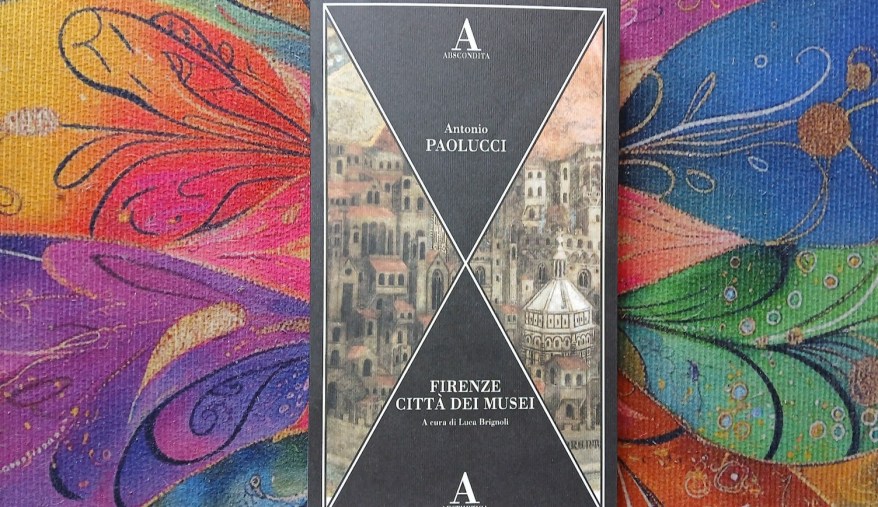
Firenze, i musei e Antonio Paolucci: il libro che ci fa rimpiangere una città perduta
‘Firenze città dei musei’ raccoglie 28 testi di Antonio Paolucci: Uffizi, Bargello, San Marco, Perseo, alluvione del 1966 e la Firenze dei musei prima di turismo di massa non più sostenibile…
-
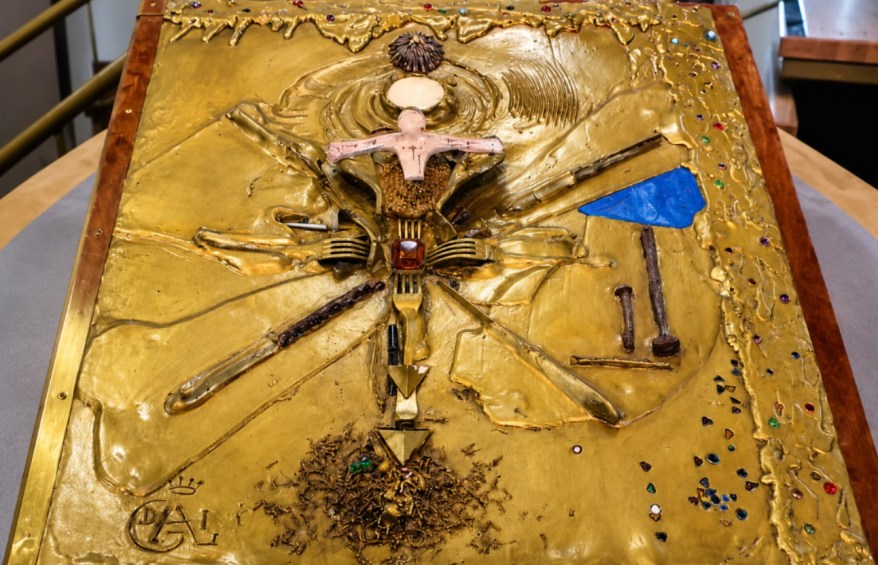
Rubato L’Apocalypse il libro più prezioso del mondo: pesa 210 chili e la copertina è di Dalí
🇮🇹In Francia è stato rubato L’Apocalypse, libro d’artista da 210 chili con una copertina in bronzo di Salvador Dalí. Vale diversi milioni di euro… 🇮🇹 Apocalypse—a 210 kilogram artist’s book featuring a bronze cover by Salvador Dalí—has been stolen in France. It is worth several million euros…
-
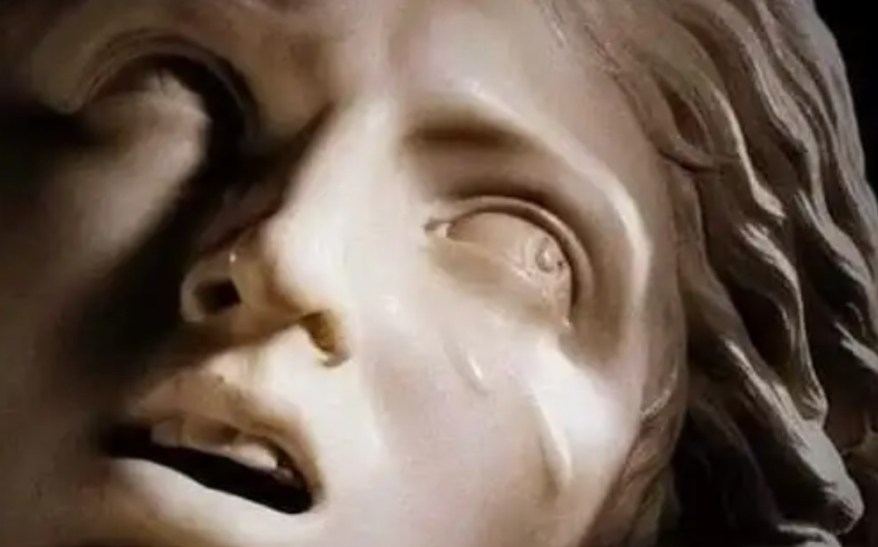
Le lacrime più belle della storia dell’arte: quando un artista riesce a far piangere anche il marmo
🇮🇹Le lacrime più emozionanti della storia dell’arte: da Rogier van der Weyden a Mantegna, Bernini, Ercole de’ Roberti e Odoardo Tabacchi… 🇬🇧The most moving tears in the history of art: from Rogier van der Weyden to Mantegna, Bernini, Ercole de’ Roberti, and Odoardo Tabacchi…
Condividi:


Questo sono io




sostienici

Sostienici - Support Us
Se questo blog ti piace e ti appassiona, puoi aiutarci a farlo crescere sempre più sostenendoci in modo concreto condividendo i post, seguendo le pagine social e con un contributo che ci aiuta ad andare avanti con il nostro lavoro di divulgazione. . ENGLISH: If you like and are passionate about this blog, you can help us make it grow more and more by supporting us in a concrete way by sharing posts, following social pages and with a contribution that helps us to move forward with our dissemination work.
€10,00


