
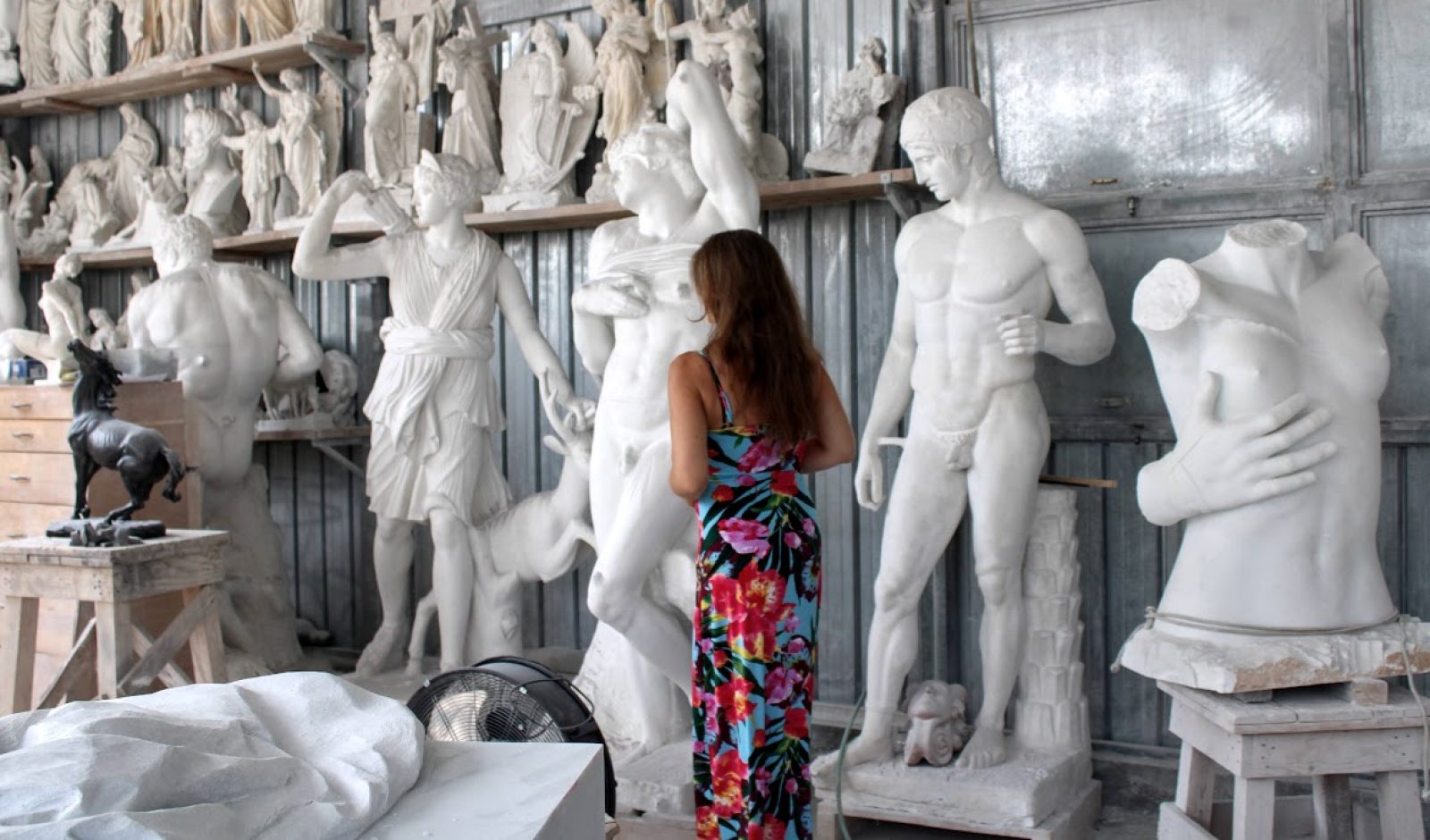
I miei fogli: l’anima del mio lavoro
“Spicca la metà di questo foglio e dàllo a messer Giorgio, perché va a lui. Non ho scritto altrimenti perché non avevo più carta in casa.“
Quando scrissi queste parole al mi’ nipote Lionardo, il 17 ‘agosto del 1557, sintetizzai il vaore che aveva per me la carta. Quelle poche righe raccontano infatti qualcosa che oggi può sembrare finanche strano: la carta era un bene prezioso. Non potevo certo permettermi il lusso di sprecare nemmeno i frammenti più piccoli.
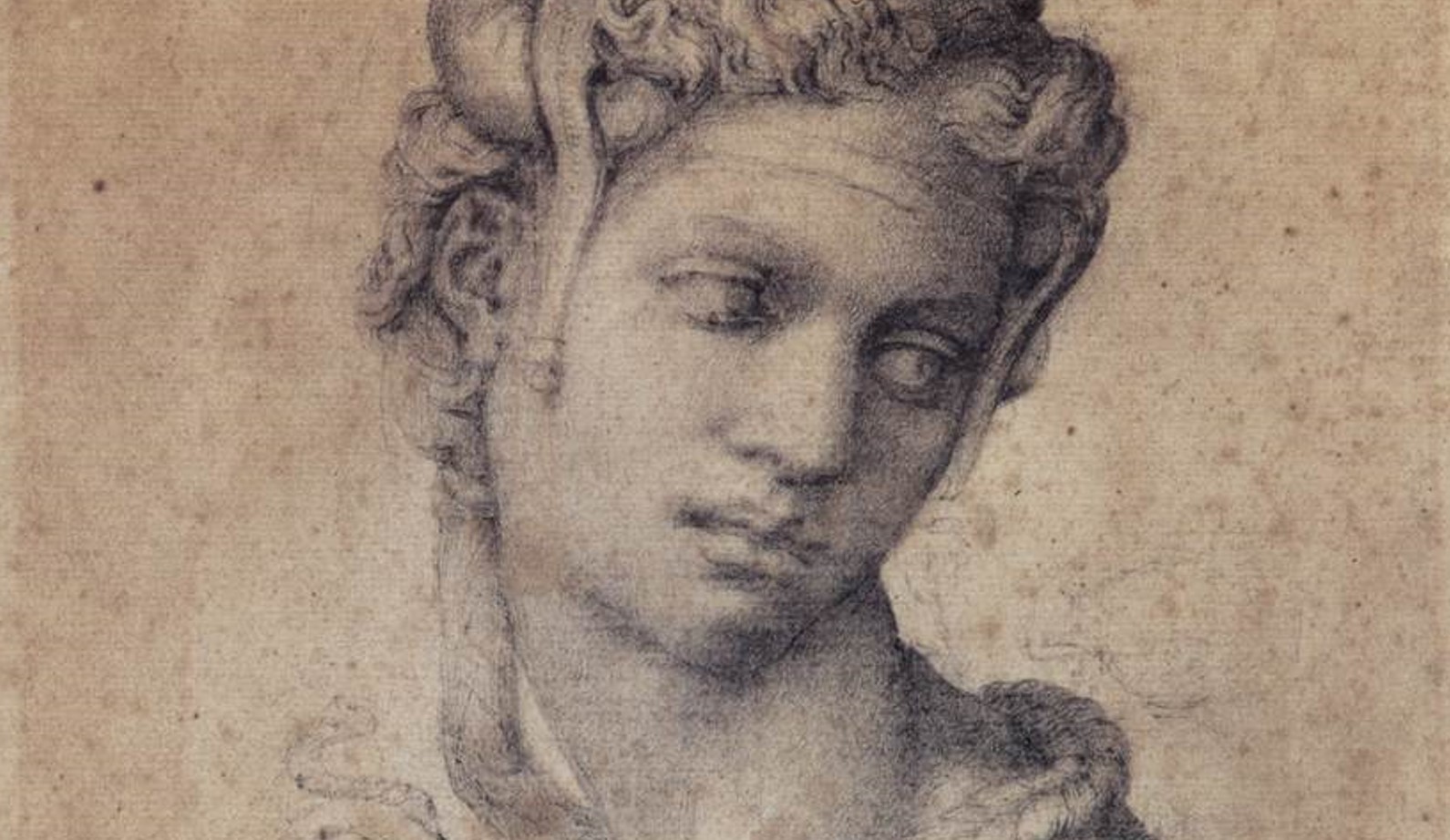
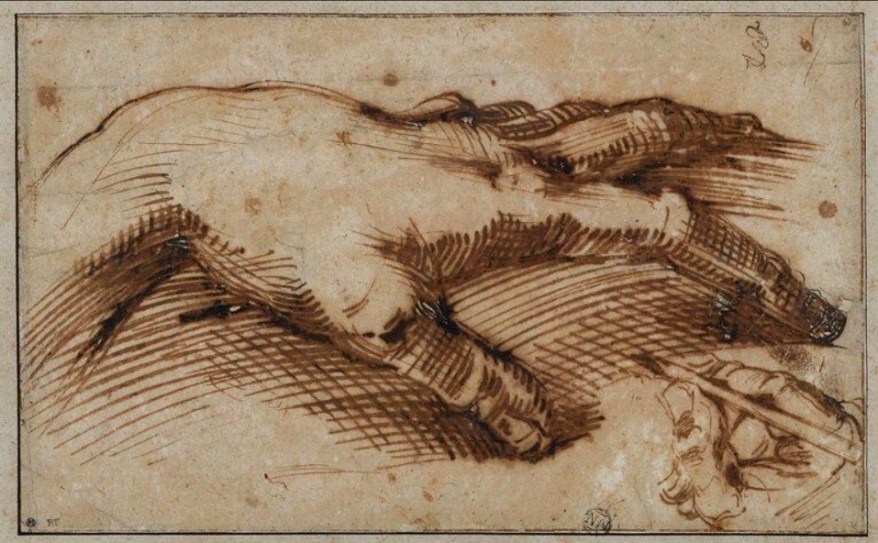
Ogni foglio che entrava nel mio studio aveva una vita lunga e complessa. Diventava uno spazio di riflessione, di sperimentazione e spesso anche di ripensamento. Lo utilizzavo fino all’ultimo centimetro disponibile, perché ogni porzione di quella superficie poteva accogliere un’idea destinata, forse, a trasformarsi in una scultura, in un affresco o nell’architettura di una chiesa o di un palazzo che fosse.
Il foglio era il primo luogo dove nasceva un’opera
Quando in generale si pensa a un’opera si pensa quasi che prenda forma da sola, direttamente scolpita nel marmo, affrescata su una parete o dipinta su tela. Non è esattamente così.
Prima di scolpire una figura o progettare una cupola, passavo ore davanti a un foglio di carta. Provavo soluzioni differenti, modificavo proporzioni, cancellavo, ricominciavo, aggiungevo annotazioni, cambiavo idea e, qualche volta, tornavo persino sugli schizzi realizzati anni prima per dargli la possibilità di diventare qualcos’altro.
Ecco perché difficilmente i miei fogli ospitano un solo disegno. Era consuetudine che convivessero studi di anatomia, progetti architettonici, conti, lettere, versi poetici e appunti destinati ai miei collaboratori. Ogni spazio bianco era un’opportunità da sfruttare: niente veniva lasciato inutilizzato.
La carta conserva la memoria delle mie mani
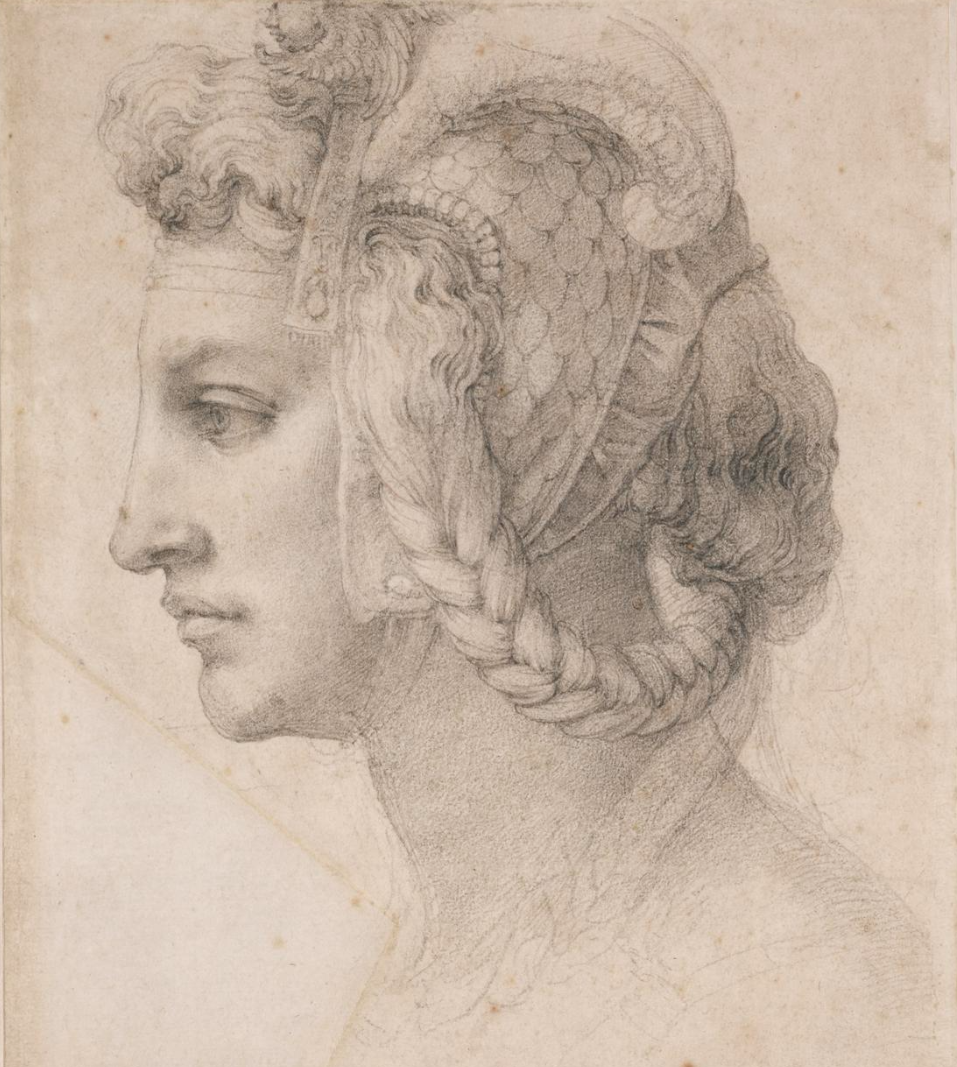
Quando guardate uno dei miei disegni, probabilmente il vostro sguardo si concentra sulle figure. Gli studiosi, invece, osservano molto di più ciò che si trova attorno al disegno.
Una piega racconta che quel foglio fu riposto e trasportato molte volte. Uno strappo può indicare che venne diviso per riutilizzarne una parte. Un foro lasciato dalla punta del compasso rivela il metodo con cui costruivo una figura geometrica.
Una cancellatura mostra il momento esatto in cui una soluzione non mi convinceva più e perfino una macchia d’inchiostro o una pennellata apparentemente casuale possono raccontare un istante preciso del lavoro nel mio studio.
Ogni segno materiale rappresenta una traccia della mia presenza come se fosse un’impronta rimasta impressa nel tempo.

Non osservate soltanto il disegno: osservate il foglio
Per molti secoli gli studiosi hanno considerato la carta soltanto come il supporto destinato ad accogliere il disegno ma oggi sappiamo che è molto di più. La carta è essa stessa un documento storico.
La qualità delle fibre, il suo spessore, il formato originale, il modo in cui è stata ritagliata, piegata o conservata permettono di ricostruire il percorso che quel foglio ha compiuto nel tempo e raccontano aspetti della mia vita quotidiana che nessun documento scritto potrebbe descrivere con la stessa precisione.
È come se ogni foglio fosse un piccolo archivio che custodisce la memoria del lavoro svolto sul tavolo di casa mia.

Le filigrane raccontano il viaggio della carta
Tra gli elementi più affascinanti vi sono le filigrane, quei marchi quasi invisibili che emergono soltanto osservando la carta in controluce.
La filigrana racconta quando un foglio è stato prodotto e suggerisce da quale cartiera provenga, quale fosse la qualità della carta, quali dimensioni avesse originariamente e persino come venisse commercializzata.
Osservata insieme ad altri elementi, come la disposizione delle vergelle, la distanza tra i filoni della carta e la posizione del marchio all’interno del foglio, permette di ricostruire intere partite di carta acquistate nel corso della mia vita.
In questo modo diventa possibile capire non solo quando un foglio è stato utilizzato, ma anche quali altri disegni potrebbero essere nati nello stesso periodo, utilizzando fogli appartenenti alla medesima risma.
Ogni taglio racconta una storia lunga cinque secoli
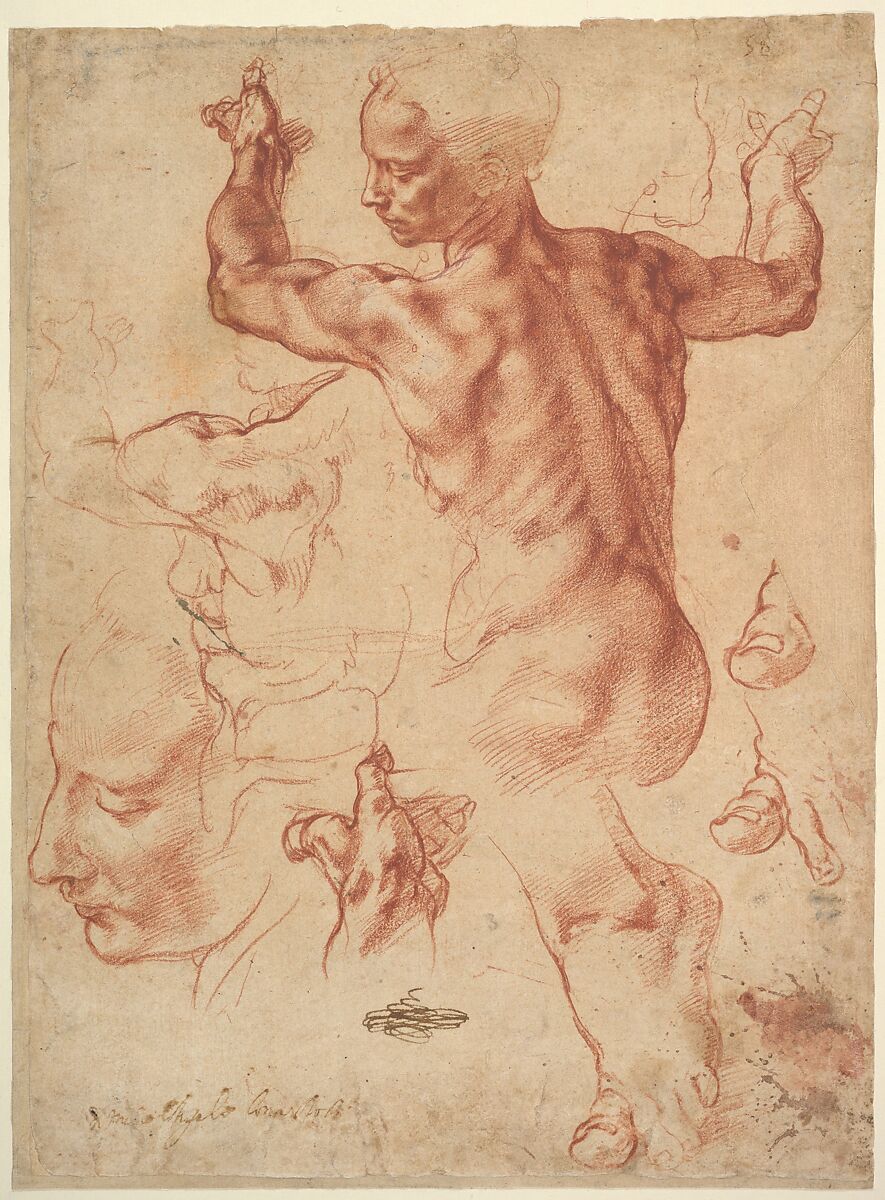
Molti dei miei fogli non sono arrivati fino a voi nelle condizioni in cui li lasciai. Infatti nel corso dei secoli sono stati tagliati per adattarli alle raccolte dei collezionisti, incollati su nuovi supporti, restaurati, suddivisi, catalogati e, in alcuni casi, persino separati da altri frammenti che in origine appartenevano allo stesso foglio.
Anche queste trasformazioni fanno parte della loro storia.
Ogni intervento racconta come siano cambiati, nel tempo, il modo di conservare il patrimonio artistico e il valore attribuito ai disegni, passati dall’essere semplici strumenti di lavoro a opere d’arte degne di essere esposte nei musei.
Ogni dettaglio contribuisce a ricostruire la vita di quel foglio e, insieme ad essa, anche il mio modo di pensare e di creare.
Per questo vi invito a guardare i miei disegni con occhi diversi. Non fermatevi alle figure. Lasciate che il vostro sguardo percorra lentamente tutta la superficie del foglio, osservando le pieghe, le abrasioni, gli strappi, le annotazioni ai margini e persino quelle filigrane che affiorano soltanto in controluce.
È proprio lì, in quei dettagli, si dipana il racconto della mia creatività artistica.
Per il momento il sempre vostro Michelangelo Buonarroti vi saluta dandovi appuntamento ai prossimi post e sui social.
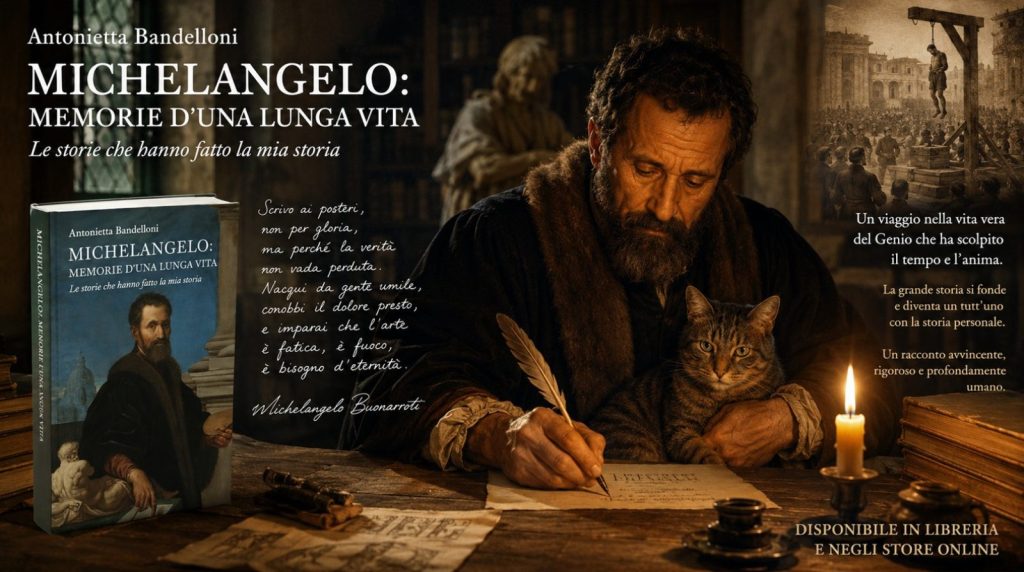
My Papers: The Soul of My Work
“Cut out half of this sheet and give it to Sir Giorgio, because it’s for him. I didn’t write otherwise because I had no more paper in the house.”
When I wrote these words to my nephew Lionardo on August 17, 1557, I summed up the value paper had for me. Those few lines, in fact, tell something that might seem almost strange today: paper was a precious commodity. I certainly couldn’t afford the luxury of wasting even the smallest fragments.
Every sheet of paper that entered my studio had a long and complex life. It became a space for reflection, experimentation, and often even second thoughts. I used every last available inch of it, because every portion of that surface could accommodate an idea destined, perhaps, to be transformed into a sculpture, a fresco, or the architecture of a church or palace.
The sheet of paper was the first place where a work was born
When you generally think of a work, you almost think of it taking shape on its own, directly sculpted in marble, frescoed on a wall, or painted on canvas. That’s not exactly the case.
Before sculpting a figure or designing a dome, I would spend hours in front of a sheet of paper. I would try different solutions, modify proportions, erase, start over, add notes, change my mind, and sometimes even return to sketches made years earlier to give them the chance to become something else.
This is why my sheets of paper rarely contain just one drawing. It was common for anatomical studies, architectural plans, accounts, letters, poetic verses, and notes for my collaborators to coexist. Every blank space was an opportunity to be exploited: nothing was left unused.
Paper preserves the memory of my hands
When you look at one of my drawings, your gaze probably focuses on the figures. Scholars, however, pay much more attention to what surrounds the drawing.
A fold tells us that that sheet of paper was stored and transported many times. A tear can indicate that it was divided to reuse a part. A hole left by the tip of a compass reveals the method I used to construct a geometric figure.
An erasure shows the exact moment when a solution no longer convinced me, and even an ink stain or a seemingly random brushstroke can tell a precise story of my work in my studio.
Every material sign represents a trace of my presence, as if it were an imprint imprinted in time.
Don’t just observe the drawing: observe the sheet of paper
For many centuries, scholars considered paper merely as a support for the drawing, but today we know it is much more. Paper is itself a historical document.
The quality of its fibers, its thickness, its original format, the way it was cut, folded, or preserved allow us to reconstruct the path that sheet of paper has taken over time and reveal aspects of my daily life that no written document could describe with the same precision.
It’s as if each sheet of paper were a small archive, preserving the memory of the work done on my table.
Watermarks tell the story of paper’s journey
Among the most fascinating elements are watermarks, those almost invisible marks that emerge only when held up to the light.
The watermark tells the story of when a sheet of paper was produced and suggests which paper mill it came from, what the paper’s quality was, what its original dimensions were, and even how it was marketed.
When observed together with other elements, such as the arrangement of the wire rods, the distance between the paper grains, and the position of the mark within the sheet, it allows us to reconstruct entire batches of paper purchased over the course of my life.
This makes it possible to understand not only when a sheet of paper was used, but also what other designs might have been created around the same time, using sheets from the same ream.
Every cut tells a story spanning five centuries
Many of my sheets have not reached you in the condition in which I left them. Indeed, over the centuries, they have been cut to fit collectors’ collections, glued onto new supports, restored, divided, cataloged, and, in some cases, even separated from other fragments that originally belonged to the same sheet.
These transformations are also part of their history
Each intervention tells the story of how, over time, the way we preserve artistic heritage and the value attributed to drawings have changed, from simple work tools to works of art worthy of museum display.
Every detail helps reconstruct the life of that sheet and, along with it, my way of thinking and creating.
For this I invite you to look at my drawings with different eyes. Don’t stop at the figures. Let your gaze slowly roam the entire surface of the paper, observing the folds, abrasions, tears, marginal notes, and even those watermarks that only emerge when held up to the light.
It is precisely there, in those details, that the story of my artistic creativity unfolds.
For now, yours truly, Michelangelo Buonarroti bids you farewell and invites you to see him in future posts and on social media.

Sostienici – Support Us
Se questo blog ti piace e ti appassiona, puoi aiutarci a farlo crescere sempre più sostenendoci in modo concreto condividendo i post, seguendo le pagine social e con un contributo che ci aiuta ad andare avanti con il nostro lavoro di divulgazione. . ENGLISH: If you like and are passionate about this blog, you can help us make it grow more and more by supporting us in a concrete way by sharing posts, following social pages and with a contribution that helps us to move forward with our dissemination work.
10,00 €
Articoli
Condividi:


Questo sono io




sostienici

Sostienici – Support Us
Se questo blog ti piace e ti appassiona, puoi aiutarci a farlo crescere sempre più sostenendoci in modo concreto condividendo i post, seguendo le pagine social e con un contributo che ci aiuta ad andare avanti con il nostro lavoro di divulgazione. . ENGLISH: If you like and are passionate about this blog, you can help us make it grow more and more by supporting us in a concrete way by sharing posts, following social pages and with a contribution that helps us to move forward with our dissemination work.
€10,00


