

30 luglio 1511: nasce Giorgio Vasari. Vi racconto l’amico che rese immortali gli artisti d’Italia
Il 30 luglio 1511, ad Arezzo, venne al mondo un uomo destinato a cambiare per sempre il modo di raccontare l’arte. Si chiamava Giorgio Vasari, figlio di Maddalena Tacci e Antonio Vasari, e ancora nessuno poteva immaginare che quel bambino sarebbe diventato il primo grande storico dell’arte della nostra civiltà.
Lasciate che sia io a raccontarvi chi fosse davvero Giorgio. Non soltanto un pittore e un architetto di straordinario valore, ma un amico fedele, un osservatore instancabile e colui che ha consegnato ai secoli la memoria degli artisti italiani.
Perché se oggi il mio nome continua a vivere, una parte del merito appartiene anche a lui.

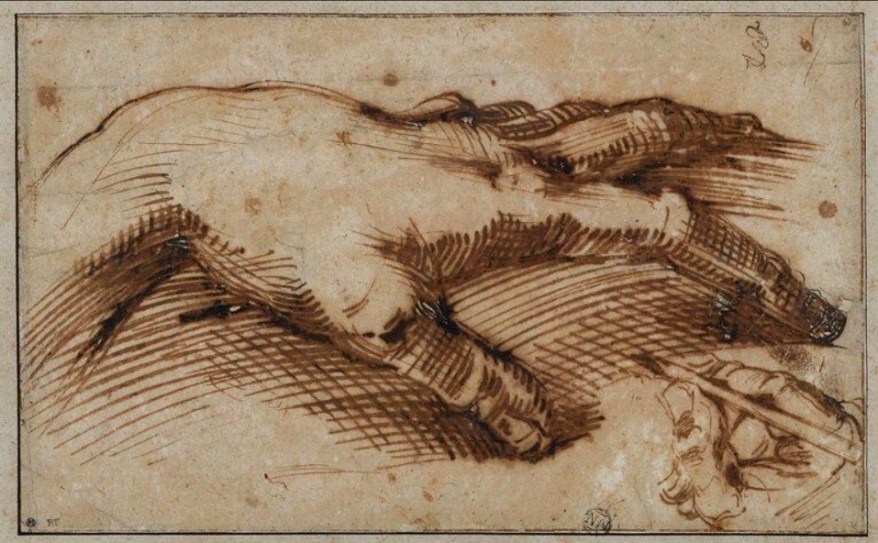
Ricordo ancora il suo amore sconfinato per il disegno
Quando Giorgio giunse a Firenze aveva appena tredici anni. Era il 1524 e la città rappresentava il cuore pulsante dell’arte.
Entrò nella bottega di Andrea del Sarto, frequentò quella di Baccio Bandinelli e imparò che il disegno non era soltanto un esercizio della mano, ma il fondamento stesso di ogni arte.
Successivamente tornò ad Arezzo, dove ebbe modo di conoscere Rosso Fiorentino. Continuò poi il suo percorso lavorando con Raffaello da Brescia e dedicandosi perfino all’arte dell’oreficeria, disciplina nella quale affinò ulteriormente precisione e gusto.
Era uno spirito inquieto, curioso, incapace di fermarsi davanti a una sola disciplina.
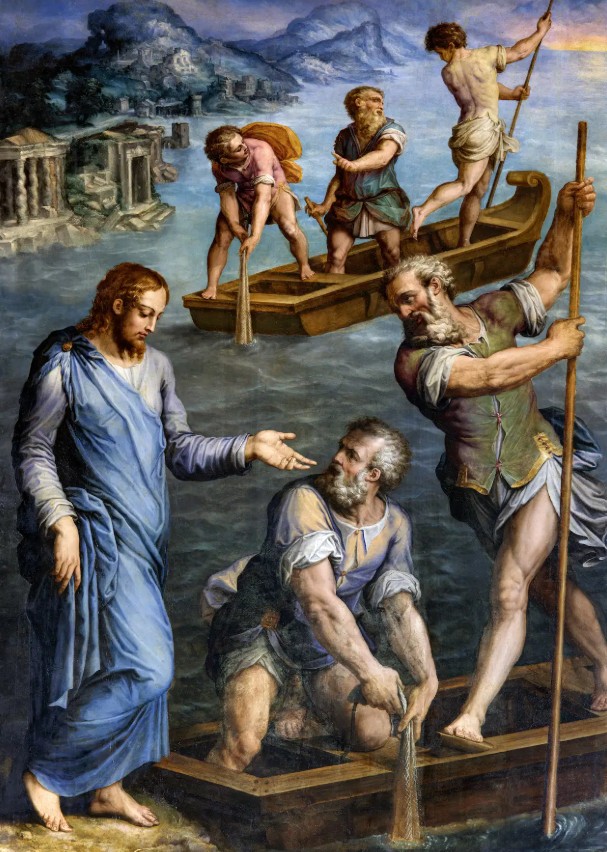
Roma comprese immediatamente il suo talento
Il suo ingegno non passò inosservato. Il cardinale Ippolito de’ Medici lo volle con sé a Roma, dove Giorgio poté osservare da vicino le meraviglie dell’antichità e le opere dei più grandi maestri del Rinascimento.
Ogni viaggio, ogni cantiere, ogni incontro diventava per lui un’occasione per imparare e, soprattutto, per annotare.
Perché Giorgio non si limitava a creare: ascoltava, ricordava e scriveva.

Le “Vite”: il libro che salvò la memoria degli artisti
Nel 1550 vide finalmente la luce quella che considero una delle opere più importanti mai dedicate all’arte.
Le “Vite de’ più eccellenti pittori, scultori e architetti”, stampate dall’editore ducale Lorenzo Torrentino, non erano un semplice elenco di artisti ma racconti e testimonianze.
Erano biografie costruite con passione, osservazione diretta e una sorprendente capacità narrativa.
Giorgio descriveva gli uomini prima ancora delle opere.
Ne raccontava il carattere, le rivalità, le debolezze, i trionfi e perfino gli episodi più curiosi, senza rinunciare, quando serviva, a una sottile ironia.

Dopo la mia morte continuò a raccontarmi
Nel 1564 lasciai questo mondo. Quattro anni più tardi, nel 1568, Giorgio pubblicò una seconda, monumentale edizione delle “Vite”, conosciuta come la Giuntina.
Non aggiornò semplicemente il testo ma lo ampliò, lo perfezionò e rese ancora più ricca quella straordinaria galleria di artisti che parte da Cimabue e arriva fino ai suoi contemporanei.
Fu proprio lui a voler conservare la memoria del mio lavoro con una dedizione che ancora oggi mi commuove.
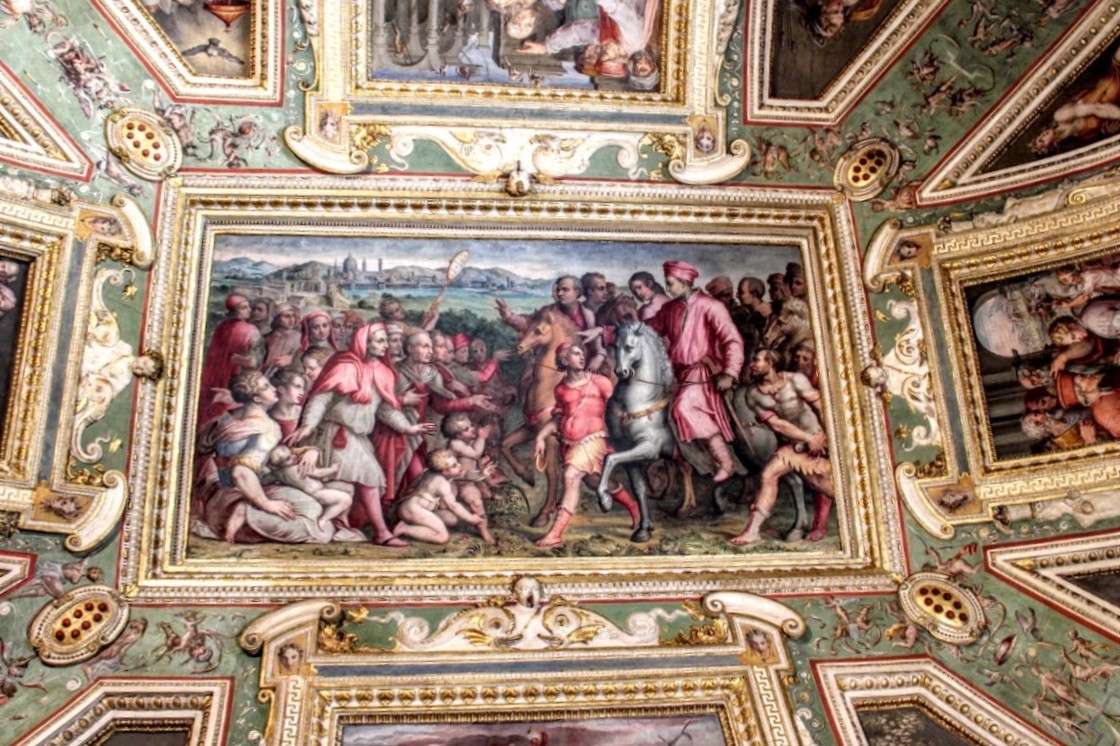
Il Vasari che trasformò Firenze
Molti ricordano Giorgio soltanto come scrittore.
Sbagliano.
Fu anche un architetto capace di lasciare un’impronta indelebile su Firenze.
Quando Cosimo I de’ Medici lo chiamò alla sua corte, Giorgio divenne uno dei protagonisti assoluti della città.
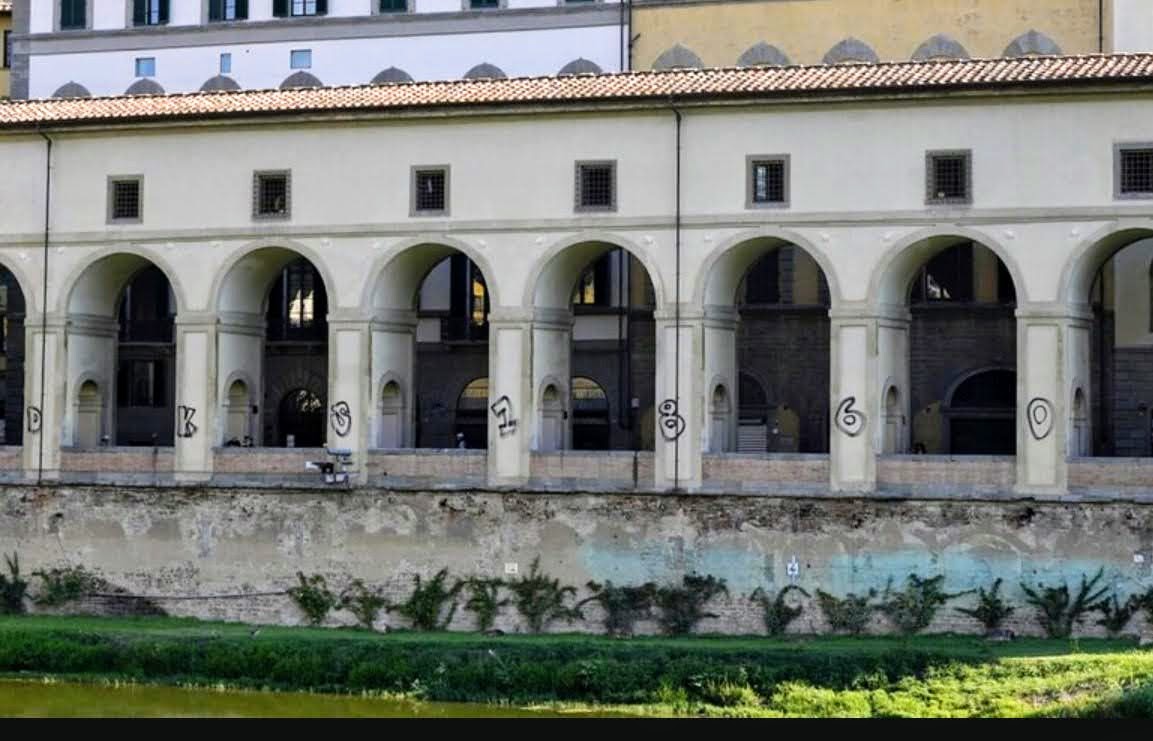
Lavorò alla ristrutturazione di Palazzo Vecchio, decorò il magnifico Salone dei Cinquecento, progettò gli Uffizi, realizzò il celebre Corridoio Vasariano e contribuì agli affreschi della cupola progettata da Brunelleschi nella Cattedrale di Santa Maria del Fiore.
Ancora oggi chi passeggia per Firenze cammina, spesso senza saperlo, dentro il suo genio.
Anche la mia ultima dimora porta la sua firma
C’è un gesto che racconta meglio di ogni altro il nostro legame.
Quando morii, fu proprio Giorgio Vasari a progettare la mia tomba nella Basilica di Santa Croce, dove ancora oggi riposano le mie spoglie.
Non fu soltanto un incarico.
Fu un ultimo atto di amicizia.
Un modo per salutarmi attraverso l’arte.

Le parole che dedicai al mio caro Giorgio
Alla conclusione delle sue Vite, Giorgio volle riportare una frase che gli scrissi e che ancora oggi considero il miglior ringraziamento possibile:
«Giorgio, s’i’ ho nulla di buono nell’ingegno, egli è venuto dal nascere nella sottilità dell’aria del vostro paese d’Arezzo.»
Era il mio modo di riconoscere il suo talento, la sua intelligenza e quella straordinaria capacità di comprendere gli artisti come pochi altri seppero fare.
Se amate l’arte, leggete Vasari
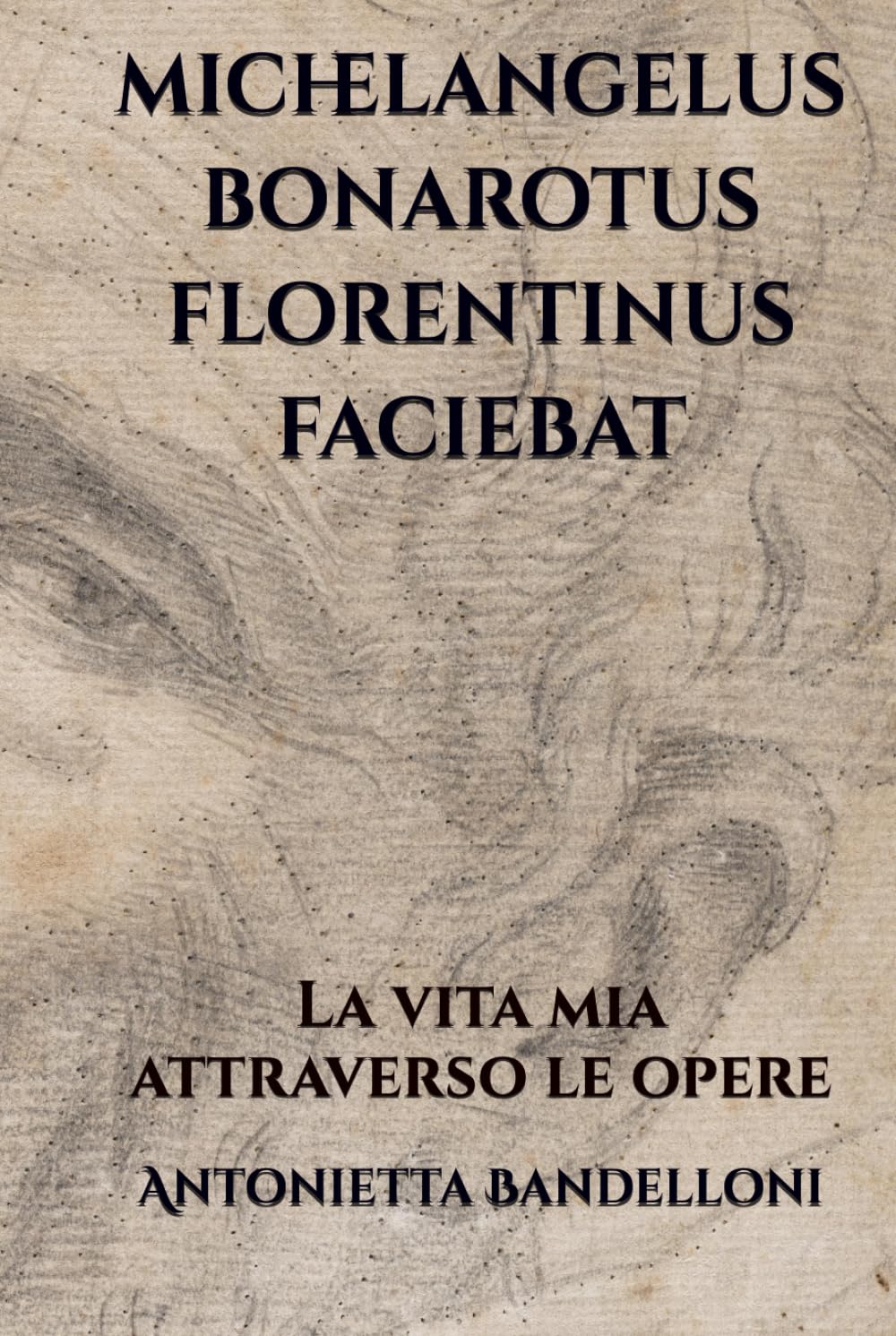
Se ancora non avete aperto le pagine delle “Vite de’ più eccellenti pittori, scultori e architetti”, vi invito a farlo. Il libro lo trovate QUA.
Non è soltanto un libro.
È il grande racconto del Rinascimento italiano.
È il luogo dove prendono vita Cimabue, Giotto, Donatello, Brunelleschi, Leonardo, Raffaello e tanti altri maestri che hanno costruito la nostra civiltà.
E, tra quelle pagine, troverete anche me.
Se oggi milioni di persone conoscono le nostre opere, è anche perché Giorgio Vasari decise che nessuno di noi dovesse essere dimenticato.
A distanza di oltre cinque secoli dalla sua nascita, il suo dono continua a vivere: non ha soltanto dipinto e costruito, ma ha insegnato al mondo che l’arte ha una storia, e quella storia merita di essere raccontata.
Per il momento il sempre vostro Michelangelo Buonarroti vi saluta dandovi appuntamento ai prossimi post e sui social.
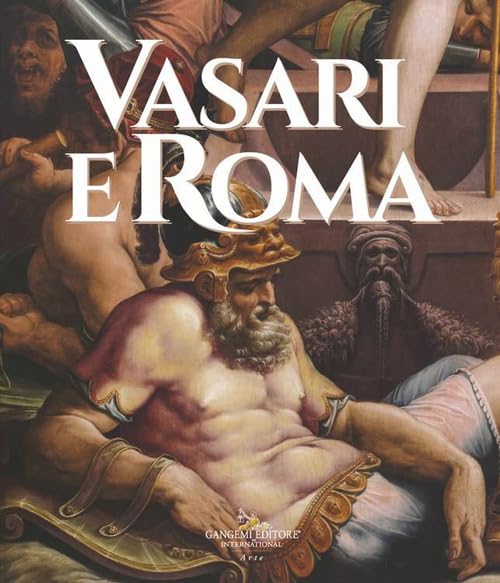
July 30, 1511: Giorgio Vasari is born. I’ll tell you about the friend who immortalized Italian artists.
On July 30, 1511, in Arezzo, a man was born who would forever change the way we talk about art. His name was Giorgio Vasari, son of Maddalena Tacci and Antonio Vasari, and no one could have imagined that this child would become the first great art historian of our civilization.
Let me tell you who Giorgio really was. Not only a painter and architect of extraordinary merit, but also a loyal friend, a tireless observer, and the man who preserved the memory of Italian artists for centuries.
Because if my name lives on today, part of the credit also belongs to him.
I still remember his boundless love for drawing.
When Giorgio arrived in Florence, he was just thirteen years old. It was 1524, and the city was the beating heart of art.
He entered the workshop of Andrea del Sarto, frequented that of Baccio Bandinelli, and learned that drawing was not merely an exercise of the hand, but the very foundation of all art.
He later returned to Arezzo, where he met Rosso Fiorentino. He then continued his career, working with Raffaello da Brescia and even dedicating himself to the art of goldsmithing, a discipline in which he further refined his precision and taste.
He was a restless, curious spirit, incapable of stopping at just one discipline.
Rome immediately recognized his talent
His ingenuity did not go unnoticed. Cardinal Ippolito de’ Medici invited him to Rome, where Giorgio could observe up close the wonders of antiquity and the works of the greatest Renaissance masters.
Every journey, every construction site, every encounter became for him an opportunity to learn and, above all, to take notes.
Because Giorgio did not simply create: he listened, remembered, and wrote.
The “Lives”: The Book That Saved the Artists’ Memory
In 1550, what I consider one of the most important works ever dedicated to art finally saw the light.
The “Lives of the Most Excellent Painters, Sculptors, and Architects,” printed by the ducal publisher Lorenzo Torrentino, were not a simple list of artists but rather stories and testimonies.
They were biographies constructed with passion, direct observation, and an astonishing narrative skill.
Giorgio described men even before their works.
He recounted their characters, their rivalries, their weaknesses, their triumphs, and even the most curious episodes, without sacrificing, when necessary, a subtle irony.
After my death, he continued to tell me
In 1564, I left this world. Four years later, in 1568, Giorgio published a second, monumental edition of the “Lives,” known as the Giuntina.
He didn’t simply update the text, but expanded it, refined it, and further enriched that extraordinary gallery of artists, from Cimabue to his contemporaries.
It was he who wanted to preserve the memory of my work with a dedication that still moves me today.
The Vasari who transformed Florence
Many remember Giorgio only as a writer.
They’re wrong.
He was also an architect who left an indelible mark on Florence.
When Cosimo I de’ Medici called him to his court, Giorgio became one of the city’s leading figures.
He worked on the renovation of the Palazzo Vecchio, decorated the magnificent Salone dei Cinquecento, designed the Uffizi, created the famous Vasari Corridor, and contributed to the frescoes of Brunelleschi’s dome in the Cathedral of Santa Maria del Fiore.
Even today, those who stroll through Florence walk, often unknowingly, within his genius.
Even my final resting place bears his signature.
There is one gesture that better than any other expresses our bond.
When I died, it was Giorgio Vasari himself who designed my tomb in the Basilica of Santa Croce, where my remains still rest today.
It wasn’t just a commission.
It was a final act of friendship.
A way to say goodbye through art.
The words I dedicated to my dear Giorgio
At the conclusion of his Lives, Giorgio quoted a phrase I wrote to him, which I still consider the best possible thank you:
“Giorgio, if I have any good in my genius, it came from being born in the thin air of your hometown of Arezzo.”
It was my way of acknowledging his talent, his intelligence, and that extraordinary ability to understand artists like few others could.
If you love art, read Vasari
If you haven’t yet opened the pages of “Lives of the Most Excellent Painters, Sculptors, and Architects,” I invite you to do so.
It’s not just a book.
It’s the great story of the Italian Renaissance.
It’s the place where Cimabue, Giotto, Donatello, Brunelleschi, Leonardo, Raphael, and so many other masters who built our civilization came to life.
And, among those pages, you’ll find me too.
If millions of people know our works today, it’s also because Giorgio Vasari decided that none of us should be forgotten.
More than five centuries after his birth, his gift lives on: he not only painted and built, but taught the world that art has a history, and that history deserves to be told.
For now, yours truly, Michelangelo Buonarroti bids you farewell and invites you to join him in future posts and on social media.

Sostienici – Support Us
Se questo blog ti piace e ti appassiona, puoi aiutarci a farlo crescere sempre più sostenendoci in modo concreto condividendo i post, seguendo le pagine social e con un contributo che ci aiuta ad andare avanti con il nostro lavoro di divulgazione. . ENGLISH: If you like and are passionate about this blog, you can help us make it grow more and more by supporting us in a concrete way by sharing posts, following social pages and with a contribution that helps us to move forward with our dissemination work.
10,00 €
Articoli
Condividi:


Questo sono io




sostienici

Sostienici – Support Us
Se questo blog ti piace e ti appassiona, puoi aiutarci a farlo crescere sempre più sostenendoci in modo concreto condividendo i post, seguendo le pagine social e con un contributo che ci aiuta ad andare avanti con il nostro lavoro di divulgazione. . ENGLISH: If you like and are passionate about this blog, you can help us make it grow more and more by supporting us in a concrete way by sharing posts, following social pages and with a contribution that helps us to move forward with our dissemination work.
€10,00


