

Ritrovata dopo oltre 80 anni la lapide del marinaio di Traiano: il reperto perduto torna finalmente in Italia
A volte capita che, opere che sembrano inghiottite dalla storia e dalle guerre, tornino a riemergere dall’oblio contro ogni previsione.
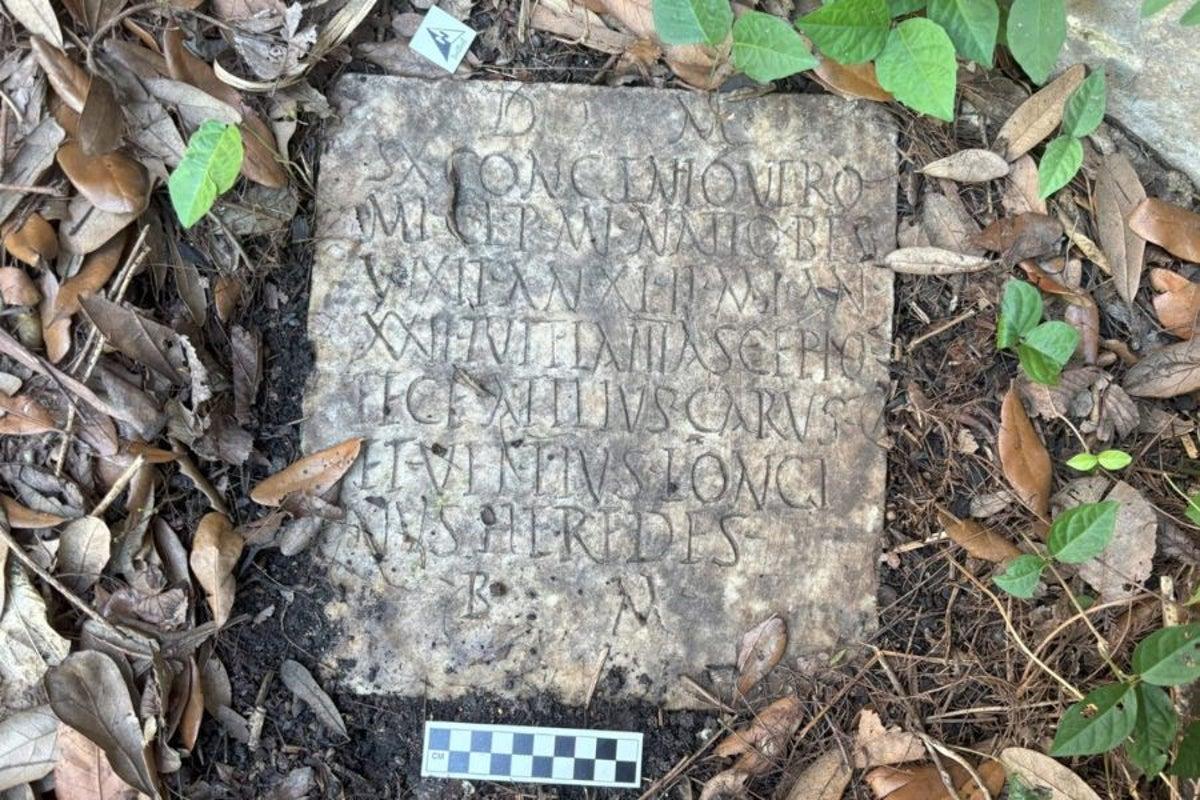
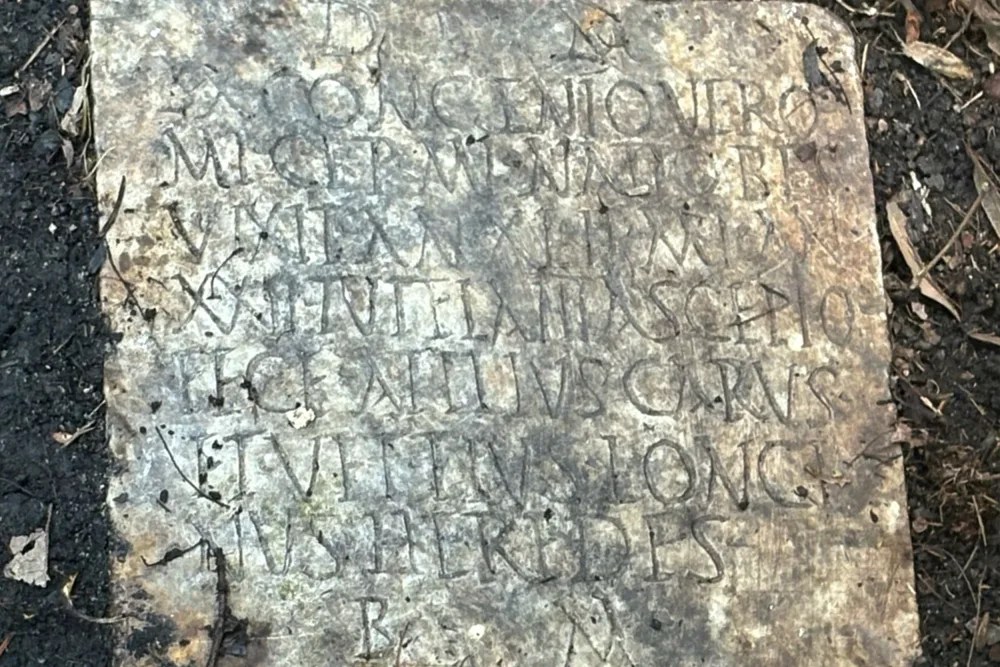
È quanto accaduto all’epigrafe funeraria di Sextus Congenius Verus, marinaio della prestigiosa flotta pretoria di Miseno, finalmente rientrata in Italia dopo essere stata considerata perduta per oltre ottant’anni.
La straordinaria lapide marmorea, databile al II secolo d.C., torna oggi al Museo Archeologico Nazionale di Civitavecchia, dove sarà uno dei simboli della riapertura dell’istituto prevista per il prossimo 18 settembre, all’interno di un percorso espositivo completamente rinnovato.
La sua è una storia che attraversa l’Impero romano, i bombardamenti della Seconda guerra mondiale, gli Stati Uniti e una complessa operazione internazionale che ha permesso di riportare a casa un tassello fondamentale della memoria storica italiana.
Dal sepolcreto romano di Centumcellae ai bombardamenti del 1943
L’epigrafe venne rinvenuta nel 1866 durante i lavori per la costruzione del carcere di Civitavecchia, nell’area del sepolcreto romano di Prato del Turco, presso l’antica Centumcellae, il grande porto voluto dall’imperatore Traiano.
Quell’area era destinata alle sepolture dei marinai appartenenti alle flotte imperiali di Miseno e Ravenna, uomini incaricati di garantire la sicurezza del porto e delle rotte marittime dell’Impero romano.
Dopo il ritrovamento, la lapide entrò nelle collezioni del museo civico cittadino. Tutto sembrava destinato a conservarla per sempre, finché i bombardamenti del 1943 distrussero il museo. Da quel momento del reperto si persero completamente le tracce e gli studiosi lo considerarono definitivamente disperso.
Il clamoroso ritrovamento negli Stati Uniti
La svolta è arrivata nel marzo 2025, quando la professoressa Susan S. Lusnia, docente di Archeologia classica presso la Tulane University di New Orleans, si è trovata davanti a una lapide romana apparentemente anonima.
L’archeologa ha riconosciuto immediatamente l’iscrizione confrontandola con i principali repertori epigrafici: era proprio l’epigrafe funeraria di Sextus Congenius Verus, da decenni indicata come dispersa.
Una scoperta sorprendente che ha dato il via a un’importante collaborazione internazionale.
La cooperazione internazionale che ha riportato il reperto in Italia
La restituzione è stata possibile grazie alla volontà dei privati che ne erano entrati in possesso negli Stati Uniti, i quali hanno deciso spontaneamente di riconsegnare il reperto all’Italia.
Da quel momento è entrata in azione una complessa rete di collaborazione che ha coinvolto l’Art Crimes Unit dell’FBI, il Consolato Generale d’Italia a New York, il Comando Carabinieri per la Tutela del Patrimonio Culturale e la Procura della Repubblica presso il Tribunale di Civitavecchia.
Il 10 aprile 2026 la lapide è finalmente rientrata in Italia, diventando uno degli esempi più significativi degli ultimi anni di cooperazione internazionale nella tutela del patrimonio culturale.
Chi era Sextus Congenius Verus
L’iscrizione racconta molto più di un semplice nome.
Sextus Congenius Verus era un soldato della flotta pretoria di Miseno, la più importante forza navale dell’Impero romano nel Mediterraneo occidentale. L’epigrafe rivela anche la sua origine: apparteneva infatti al popolo dei Bessi, antica popolazione della Tracia, nell’attuale Bulgaria.
Il testo ricorda che visse 42 anni e prestò servizio militare per 22 anni, una lunga carriera trascorsa al servizio dell’imperatore.
Particolarmente suggestivo è il riferimento finale dell’iscrizione, che ricorda come il monumento funerario fosse stato realizzato dalla trireme Tutela e dalla trireme Ascepio, probabilmente le navi sulle quali il marinaio aveva servito, insieme ai commilitoni Atilio Caro e Vettio Longo, che dedicarono il monumento alla sua memoria.
L’iscrizione recita:
“Agli Dei Mani. A Sesto Congenio Vero, soldato della flotta pretoria di Miseno, di origine bessa. Visse 42 anni e prestò servizio militare per 22 anni. La trireme Tutela e la trireme Ascepio fecero il monumento funerario. Lo dedicarono Atilio Caro e Vettio Longo.”
Un simbolo della rinascita del Museo Archeologico Nazionale di Civitavecchia
Il ritorno della lapide coincide con una fase completamente nuova per il museo.
Il nuovo allestimento, frutto di un importante progetto di riqualificazione, proporrà un racconto continuo della storia di Civitavecchia e del suo territorio attraverso reperti finora conservati nei depositi, ricostruzioni tridimensionali, installazioni multimediali e strumenti dedicati all’accessibilità fisica, sensoriale e cognitiva.
L’epigrafe di Sextus Congenius Verus diventerà uno dei pezzi più rappresentativi del percorso espositivo, non soltanto per il suo valore archeologico ma anche per ciò che rappresenta: un frammento di memoria che sembrava perduto e che oggi torna a raccontare una storia lunga quasi duemila anni.
Quando un reperto ritrovato restituisce identità a un territorio
La vicenda dell‘epigrafe di Sextus Congenius Verus rende chiaro quanto il patrimonio culturale sia la memoria di una comunità.
Ogni reperto recuperato permette di ricostruire un pezzo della nostra storia collettiva. In questo caso, la lapide racconta la vita di un uomo comune dell’Impero romano, un marinaio che dedicò oltre vent’anni al servizio della flotta imperiale e che, a quasi duemila anni dalla sua morte, continua ancora oggi a parlare attraverso poche righe incise nel marmo.
Per il momento il sempre vostro Michelangelo Buonarroti vi saluta dandovi appuntamento ai prossimi post e sui social.
Trajan’s Sailor’s Tomb Rediscovered After More Than 80 Years: The Lost Artifact Finally Returns to Italy
Sometimes, works seemingly swallowed up by history and wars reemerge from oblivion against all odds.
This is what happened to the funerary inscription of Sextus Congenius Verus, a sailor from the prestigious Praetorian fleet of Misenum, which has finally returned to Italy after being thought lost for over eighty years.
The extraordinary marble tombstone, dating to the 2nd century AD, returns today to the National Archaeological Museum of Civitavecchia, where it will be one of the symbols of the institution’s reopening scheduled for September 18th, as part of a completely renovated exhibition.
Its story spans the Roman Empire, the bombings of World War II, the United States, and a complex international operation that has brought home a fundamental piece of Italian historical memory.
From the Roman burial ground of Centumcellae to the 1943 bombings
The inscription was discovered in 1866 during construction of the Civitavecchia prison, in the area of the Roman burial ground of Prato del Turco, near ancient Centumcellae, the great port built by Emperor Trajan.
That area was designated for the burials of sailors belonging to the imperial fleets of Misenum and Ravenna, men charged with ensuring the safety of the port and the maritime routes of the Roman Empire.
After its discovery, the plaque entered the collections of the city’s civic museum. Everything seemed destined to preserve it forever, until the 1943 bombings destroyed the museum. From that moment on, the relic was completely lost, and scholars considered it permanently lost.
The sensational discovery in the United States
The turning point came in March 2025, when Professor Susan S. Lusnia, a professor of Classical Archaeology at Tulane University in New Orleans, stumbled upon a seemingly anonymous Roman tombstone.
The archaeologist immediately recognized the inscription by comparing it with the main epigraphic repertoire: it was indeed the funerary epigraph of Sextus Congenius Verus, which had been reported missing for decades.
A surprising discovery that sparked an important international collaboration.
The international cooperation that brought the artifact back to Italy
The restitution was made possible thanks to the will of the private individuals who had acquired it in the United States, who spontaneously decided to return the artifact to Italy.
From that moment on, a complex collaborative network was established, involving the FBI’s Art Crimes Unit, the Italian Consulate General in New York, the Carabinieri Command for the Protection of Cultural Heritage, and the Public Prosecutor’s Office at the Court of Civitavecchia.
On April 10, 2026, the plaque finally returned to Italy, becoming one of the most significant examples of international cooperation in the protection of cultural heritage in recent years.
Who was Sextus Congenius Verus?
The inscription reveals much more than just a name.
Sextus Congenius Verus was a soldier in the Praetorian Fleet of Misenum, the Roman Empire’s most important naval force in the western Mediterranean. The epigraph also reveals his origins: he belonged to the Bessi, an ancient people of Thrace, in present-day Bulgaria.
The text records that he lived to be 42 and served 22 years in the military, a long career spent in the service of the emperor.
Particularly evocative is the final reference of the inscription, which recalls that the funerary monument was built by the trireme Tutela and the trireme Ascepio, likely the ships on which the sailor had served, along with his comrades Atilius Carus and Vettius Longus, who dedicated the monument to his memory.
The inscription reads:
“To the Gods Manes. To Sextus Congenius Verus, soldier of the praetorian fleet of Misenum, of Bessa origin. He lived 42 years and served 22 years in the military. The trireme Tutela and the trireme Ascepio made the funerary monument. It was dedicated by Atilius Carus and Vettius Longus.”
A symbol of the rebirth of the National Archaeological Museum of Civitavecchia
The return of the plaque coincides with a completely new phase for the museum.
The new exhibition, the result of a major redevelopment project, will offer a continuous narrative of the history of Civitavecchia and its surrounding area through artifacts previously stored in storage, three-dimensional reconstructions, multimedia installations, and tools dedicated to physical, sensorial, and cognitive accessibility.
The Sextus Congenius Verus epigraph will become one of the most iconic pieces of the exhibition, not only for its archaeological value but also for what it represents: a fragment of memory that seemed lost and that today It returns to tell a story spanning nearly two thousand years.
When a rediscovered artifact restores an area’s identity
The story of the Sextus Congenius Verus inscription makes clear how cultural heritage is the memory of a community.
Each recovered artifact allows us to reconstruct a piece of our collective history. In this case, the inscription recounts the life of a common man of the Roman Empire, a sailor who dedicated over twenty years to serving the imperial fleet and who, nearly two thousand years after his death, continues to speak today through a few lines engraved in marble.
For now, yours truly, Michelangelo Buonarroti bids you farewell, saying he will see you in future posts and on social media.

Sostienici – Support Us
Se questo blog ti piace e ti appassiona, puoi aiutarci a farlo crescere sempre più sostenendoci in modo concreto condividendo i post, seguendo le pagine social e con un contributo che ci aiuta ad andare avanti con il nostro lavoro di divulgazione. . ENGLISH: If you like and are passionate about this blog, you can help us make it grow more and more by supporting us in a concrete way by sharing posts, following social pages and with a contribution that helps us to move forward with our dissemination work.
10,00 €



Condividi:


Questo sono io




sostienici

Sostienici – Support Us
Se questo blog ti piace e ti appassiona, puoi aiutarci a farlo crescere sempre più sostenendoci in modo concreto condividendo i post, seguendo le pagine social e con un contributo che ci aiuta ad andare avanti con il nostro lavoro di divulgazione. . ENGLISH: If you like and are passionate about this blog, you can help us make it grow more and more by supporting us in a concrete way by sharing posts, following social pages and with a contribution that helps us to move forward with our dissemination work.
€10,00


Un importante ritrovamento 👏👏👏👏👏👍👍👍👍👌
"Mi piace"Piace a 1 persona
proprio così
"Mi piace"Piace a 1 persona