
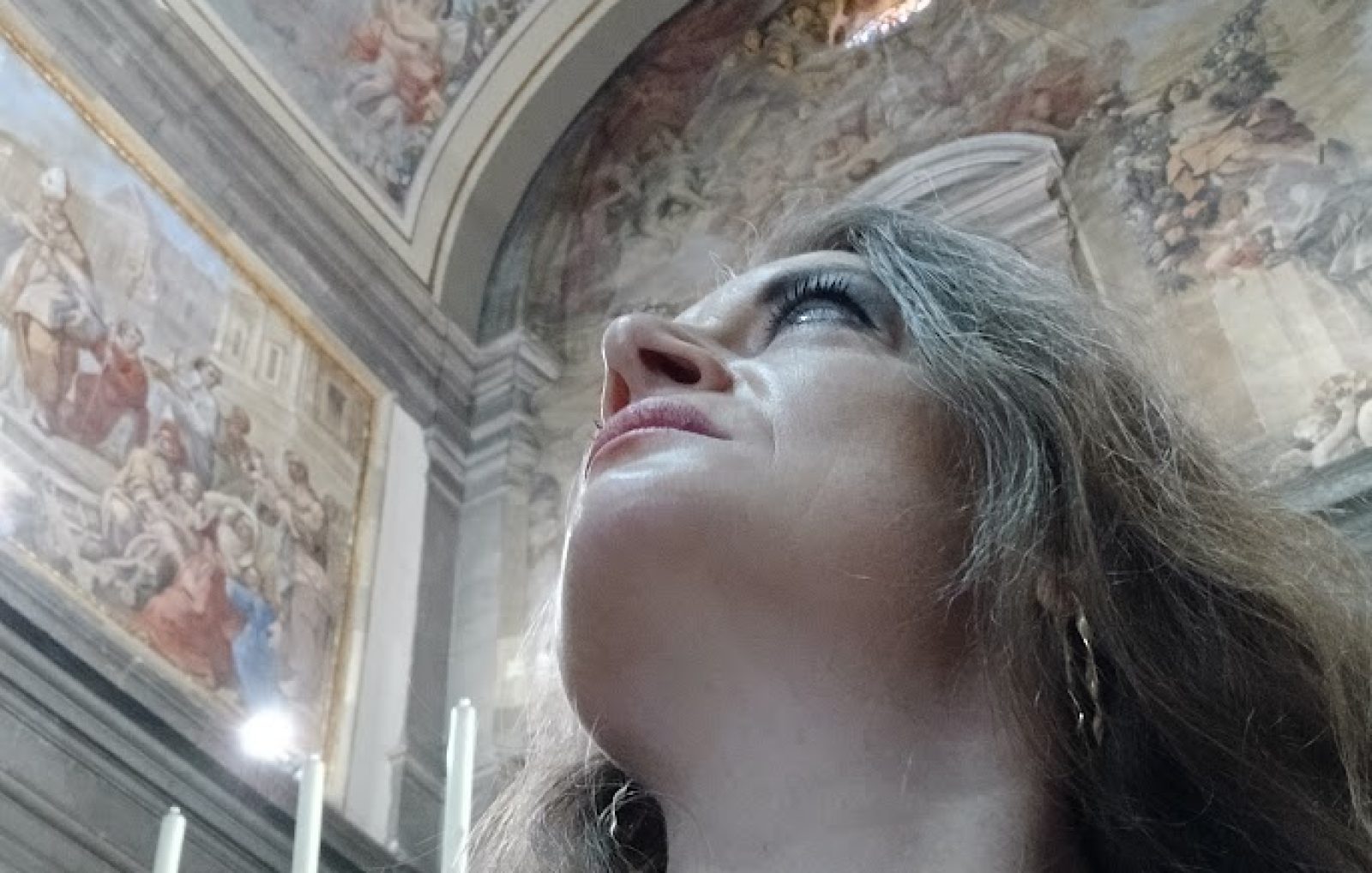
La sua bellezza era un dono del cielo e io ne pagai il prezzo
Quelle inquietudini che il marmo non riusciva a contenere, le scrivevo in versi.
Nel madrigale che vi propongo interrogo il mistero stesso della bellezza, il suo rapporto con il cielo, con l’amore e con il dolore di chi ama senza essere ricambiato.

La bellezza nasce sempre da una luce più grande
Comincio volgendo lo sguardo al firmamento. La notte, scrivo, riceve la sua luce da una fonte più grande. Le stelle brillano perché il cielo le accende da lontano grazie a una luce più intensa, il sole, che continua a esistere anche quando gli occhi non lo vedono. È un’immagine cara alla cultura del mio tempo: ogni splendore deriva sempre da uno splendore superiore.
Così è anche la donna che amo.
La sua bellezza non nasce soltanto da sé stessa. È un dono ricevuto dal cielo, una grazia concessa dall’alto. Ma vi è anche un altro paradosso: ogni cosa meno bella che le si avvicina sembra renderla ancora più luminosa. Come una gemma risalta su un panno scuro, così la sua perfezione cresce nel confronto con ciò che perfetto non è.
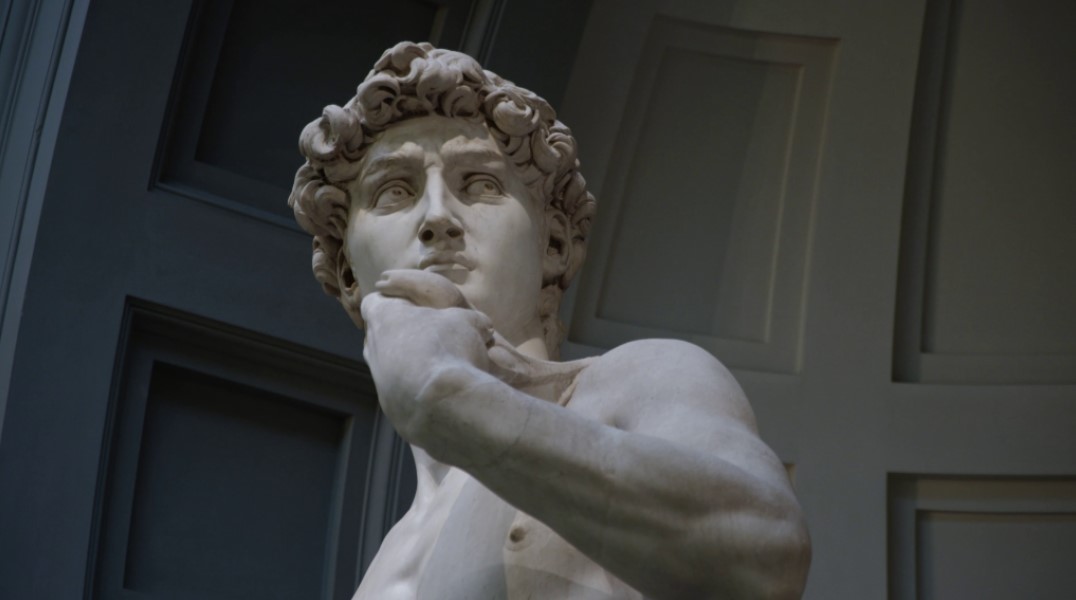
Il dolore di chi ama una donna irraggiungibile
Da lì nasce il mio patimento. Mi domando quale cuore possa mai riuscire a impietosirla. Quale sentimento potrà sciogliere quella freddezza che lascia nell’inquietudine chi continua ad ardere d’amore. Il mio fuoco resta vivo, ma davanti alla sua indifferenza rischia continuamente di trasformarsi in ghiaccio.
L’amore, quando non trova risposta, diventa una lotta tra il calore del desiderio e il gelo del rifiuto.
Chi ama rende ancora più bella la persona amata
Chi dona davvero bellezza? È davvero la donna a possederla oppure è anche lo sguardo di chi ama a renderla più nobile, più gentile e più splendente?
Scrivo che colui il quale, pur non essendo bello, riesce a donare grazia al volto, agli occhi e ai capelli dell’amata attraverso il proprio amore è forse colui che più merita compassione. L’innamorato non riceve soltanto bellezza: in qualche modo la crea, la esalta e la fa vivere.
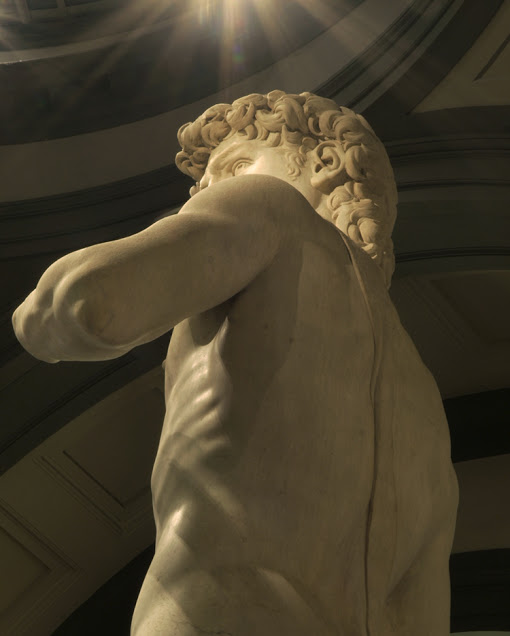
La mia accusa alla donna bella e crudele
Per questo le rivolgo un’accusa che si mischi assieme al lamento.
Se fugge me, fugge anche quella parte della sua bellezza che il mio amore continua ad alimentare. Le dico quasi di guardarsi dal respingere chi la contempla con tanta devozione, perché il bello cresce proprio quando si trova accanto a ciò che bello non è.
È un pensiero che può apparire superbo, ma nasce soltanto dalla disperazione di un uomo innamorato. La mia bruttezza, che spesso ho riconosciuto senza alcuna indulgenza, diventa il fondo scuro sul quale la sua bellezza risplende ancora di più.
Il cielo le ha dato ciò che ha tolto a me
Ed è allora che giungo all’immagine più audace.
Le dico: se tu restituissi al cielo quella bellezza che ti ha donato, e che a me sembra abbia sottratto, allora il mio volto sarebbe più bello e il tuo lo sarebbe meno.
Non è soltanto una provocazione.
È il grido di chi sente che la natura abbia distribuito i propri doni in modo diseguale. Come se il cielo, nel creare una creatura di straordinaria bellezza, avesse tolto qualcosa a un’altra. La sua perfezione non sarebbe soltanto un privilegio, ma anche il risultato di una perdita che altri hanno dovuto sopportare.

Il vero significato del madrigale
Questo madrigale non parla semplicemente di una donna bellissima.
Parla dell’amore che rende più bello chi è amato. Parla della sofferenza di chi sente di aver contribuito, con il proprio sguardo e con il proprio sentimento, a esaltare quella stessa bellezza che poi lo respinge. Parla del desiderio umano di trovare un equilibrio tra ciò che il cielo concede e ciò che inevitabilmente sottrae.
Forse è proprio questo il destino dell’amore: illuminare qualcuno come il sole illumina le stelle, sapendo che quella luce, troppo spesso, non tornerà mai indietro.
Da maggior luce e da più chiara stella
la notte il ciel le sue da lunge accende:
te sol presso a te rende
ognor più bella ogni cosa men bella.
Qual cor più questa o quella
a pietà muove o sprona,
c’ognor chi arde almen non s’agghiacc’egli?
Chi, senza aver, ti dona
vaga e gentil persona
e ’l volto e gli occhi e ’ biondi e be’ capegli.
Dunche, contr’a te quegli
ben fuggi e me con essi,
se ’l bello infra ’ non begli
beltà cresce a se stessi.
Donna, ma s’ tu rendessi
quel che t’ha dato il ciel, c’a noi l’ha tolto,
sarie più ’l nostro, e men bello il tuo volto.
Per il momento il sempre vostro Michelangelo Buonarroti vi saluta dandovi appuntamento ai prossimi post e sui social.
Her beauty was a gift from heaven, but I paid the price
Those anxieties that the marble could not contain, I wrote in verse.
In the madrigal I propose to you, I interrogate the very mystery of beauty, its relationship with the sky, with love, and with the pain of those who love without being loved in return.
Beauty always arises from a greater light
I begin by turning my gaze to the firmament. The night, I write, receives its light from a greater source. The stars shine because the sky lights them from afar thanks to a more intense light, the sun, which continues to exist even when the eyes cannot see it. It is an image dear to the culture of my time: all splendor always derives from a superior splendor.
So too is the woman I love.
Her beauty does not arise solely from herself. It is a gift received from heaven, a grace bestowed from above. But there is also another paradox: every less beautiful thing that approaches her seems to make her even more luminous. Like a gem that stands out against a dark cloth, its perfection grows when compared with what is not perfect.
The pain of one who loves an unattainable woman
From there my suffering arises. I wonder what heart could ever move her to pity. What feeling could melt the coldness that leaves those who continue to burn with love in a state of restlessness. My fire remains alive, but faced with her indifference, it continually risks turning to ice.
Love, when it finds no response, becomes a struggle between the heat of desire and the chill of rejection.
He who loves makes the loved one even more beautiful
Who truly gives beauty? Is it truly the woman who possesses it, or is it also the gaze of the one who loves that makes her more noble, more gentle, and more radiant?
I write that he who, despite not being handsome, manages to bring grace to the face, eyes, and hair of his beloved through his love is perhaps the one most deserving of compassion. The lover doesn’t just receive beauty: somehow he creates it, enhances it, and brings it to life.
My accusation against the beautiful and cruel woman
That’s why I level an accusation at her, mixed with a lament.
If she flees me, she also flees that part of her beauty that my love continues to nourish. I almost tell her to be careful not to reject those who contemplate her with such devotion, because beauty grows precisely when it is next to what is not beautiful.
It’s a thought that may seem proud, but it arises only from the desperation of a man in love. My ugliness, which I have often acknowledged without indulgence, becomes the dark background against which her beauty shines even more.
Heaven has given her what it has taken from me
And it is then that I arrive at the boldest image.
I tell her: if you were to give back to heaven that beauty it has given you, and which it seems to have taken from me, then my face would be more beautiful and yours would be less so.
It’s not just a provocation.
It’s the cry of someone who feels that nature has distributed its gifts unequally. As if heaven, in creating a creature of extraordinary beauty, had taken something from another. Her perfection would not only be a privilege, but also the result of a loss that others have had to endure.
The True Meaning of the Madrigal
This madrigal isn’t simply about a beautiful woman.
It’s about the love that makes those who are loved more beautiful. It’s about the suffering of those who feel they have contributed, with their gaze and their feelings, to exalting the very beauty that then rejects them. It’s about the human desire to find a balance between what heaven bestows and what it inevitably takes away.
Perhaps this is precisely the destiny of love: to illuminate someone as the sun illuminates the stars, knowing that that light, too often, will never return.
Da maggior luce e da più chiara stella
la notte il ciel le sue da lunge accende:
te sol presso a te rende
ognor più bella ogni cosa men bella.
Qual cor più questa o quella
a pietà muove o sprona,
c’ognor chi arde almen non s’agghiacc’egli?
Chi, senza aver, ti dona
vaga e gentil persona
e ’l volto e gli occhi e ’ biondi e be’ capegli.
Dunche, contr’a te quegli
ben fuggi e me con essi,
se ’l bello infra ’ non begli
beltà cresce a se stessi.
Donna, ma s’ tu rendessi
quel che t’ha dato il ciel, c’a noi l’ha tolto,
sarie più ’l nostro, e men bello il tuo volto.
For the moment, your always Michelangelo Buonarroti greets you and will meet you in the next posts and on social media.

Sostienici – Support Us
Se questo blog ti piace e ti appassiona, puoi aiutarci a farlo crescere sempre più sostenendoci in modo concreto condividendo i post, seguendo le pagine social e con un contributo che ci aiuta ad andare avanti con il nostro lavoro di divulgazione. . ENGLISH: If you like and are passionate about this blog, you can help us make it grow more and more by supporting us in a concrete way by sharing posts, following social pages and with a contribution that helps us to move forward with our dissemination work.
10,00 €
Articoli
Condividi:


Questo sono io




sostienici

Sostienici – Support Us
Se questo blog ti piace e ti appassiona, puoi aiutarci a farlo crescere sempre più sostenendoci in modo concreto condividendo i post, seguendo le pagine social e con un contributo che ci aiuta ad andare avanti con il nostro lavoro di divulgazione. . ENGLISH: If you like and are passionate about this blog, you can help us make it grow more and more by supporting us in a concrete way by sharing posts, following social pages and with a contribution that helps us to move forward with our dissemination work.
€10,00


