

Scavando i solchi del dolore umano
Mentre gli scultori quattrocenteschi s’erano prodigati nel cercare la grazia delle forme, nel creare corone di fiori e altri dettagli, io preferii scavare solchi nel dolore umano, andando in profondità, mettendo gli orpelli da parte.
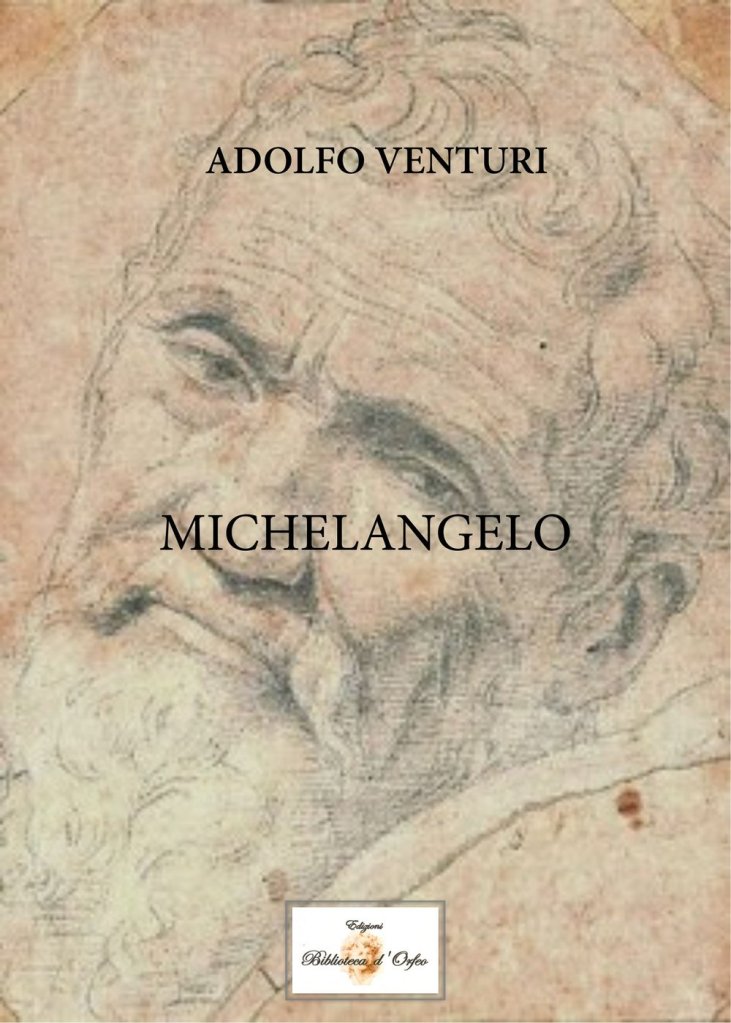
E’ questa una delle caratteristiche salienti che nota di me lo storico dell’arte e scrittore Adolfo Venturi, vissuto fra l’Ottocento e il Novecento.
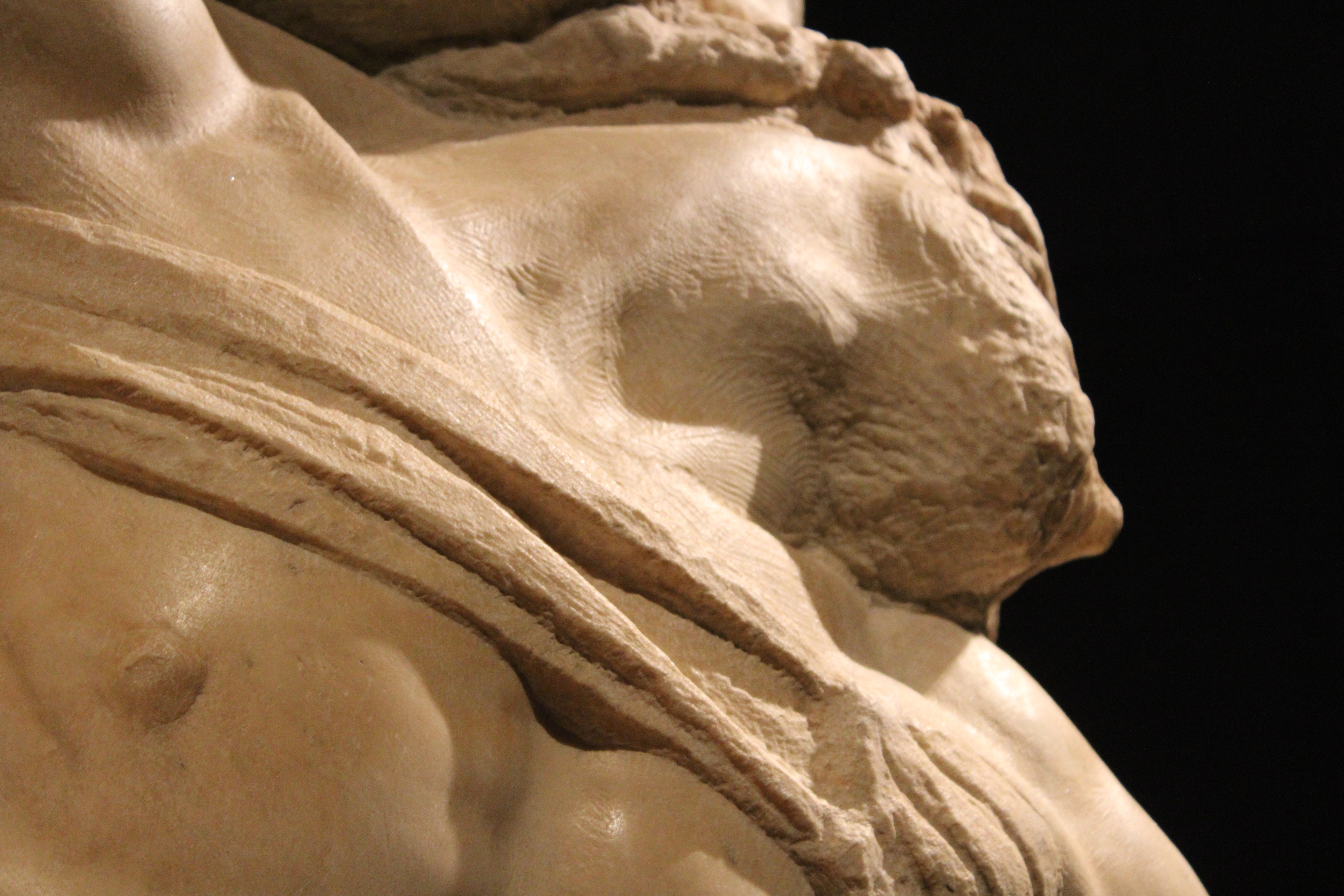
In effetti guardando le mie opere mie, soprattutto quelle scultoree, si nota che sono prive di accessori dettagliati che le decorano: preferivo le forme dei corpi e le loro descrizioni fatte con mazzuolo e scalpello piuttosto che la delicatezza di fiori e la riproduzione minuziosa dei decori di un tessuto.
“Creatore di forme nuove che furon ben presto mondiali, veggente nei campi dello spirito con una profondità che nessun artista italiano ebbe prima o dopo di di lui, Michelangelo giganteggia tra i geni della Rinascita – scrisse di me Adolfo Venturi – aveva la scultura del Quattrocento cercata la grazia, il Buonarroti la sprezzò; aveva prodigato fiori, corone, sorrisi ai simulacri marmorei, ed egli vi scavò i solchi del dolore umano; aveva assottigliata e ingentilita ogni cosa, ed egli, sopra un mondo ingigantito scatenò le tempeste.“
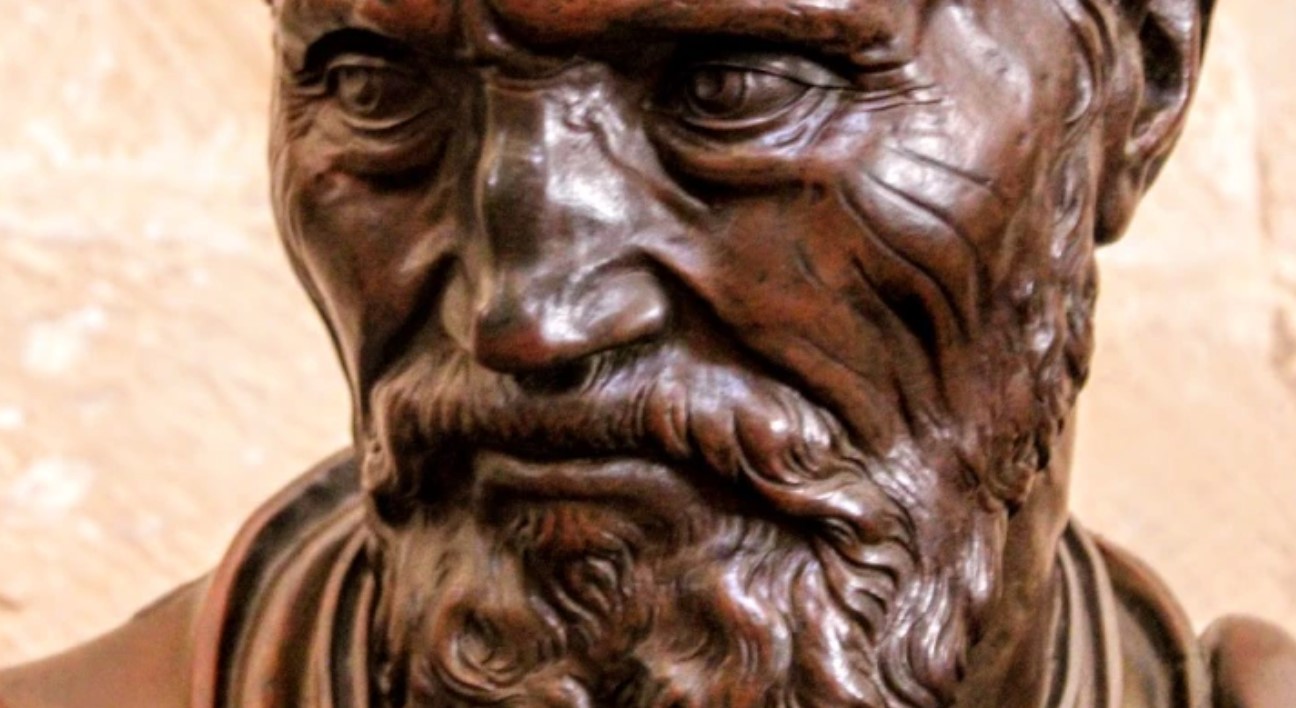
Per il momento il sempre vostro Michelangelo Buonarroti vi saluta dandovi appuntamento ai prossimi post e sui social.

Sostienici – Support Us
Se questo blog ti piace e ti appassiona, puoi aiutarci a farlo crescere sempre più sostenendoci in modo concreto condividendo i post, seguendo le pagine social e con un contributo che ci aiuta ad andare avanti con il nostro lavoro di divulgazione. . ENGLISH: If you like and are passionate about this blog, you can help us make it grow more and more by supporting us in a concrete way by sharing posts, following social pages and with a contribution that helps us to move forward with our dissemination work.
10,00 €
Digging the furrows of human pain
While fifteenth-century sculptors had done their utmost in seeking the grace of forms, in creating crowns of flowers and other details, I preferred to dig furrows in human pain, going deep, putting the tinsel aside.
This is one of the salient characteristics that the art historian and writer Adolfo Venturi, who lived between the nineteenth and twentieth centuries, notes about me.
In fact, looking at my works, especially the sculptural ones, you notice that they are devoid of detailed accessories that decorate them: I preferred the shapes of the bodies and their descriptions made with mallet and chisel rather than the delicacy of flowers and the meticulous reproduction of the decorations of a fabric.
“Creator of new forms that were soon worldwide, seer in the fields of the spirit with a depth that no Italian artist had before or after him, Michelangelo stands tall among the geniuses of the Renaissance – Adolfo Venturi wrote about me – he had the sculpture of the fifteenth century having sought grace, Buonarroti despised it; he had lavished flowers, crowns, smiles on the marble statues, and he dug the furrows of human pain into them; he had thinned and softened everything, and he unleashed storms upon an enlarged world.
For the moment, your always Michelangelo Buonarroti greets you and will meet you in the next posts and on social media.
Sostienici – Support Us
Se questo blog ti piace e ti appassiona, puoi aiutarci a farlo crescere sempre più sostenendoci in modo concreto condividendo i post, seguendo le pagine social e con un contributo che ci aiuta ad andare avanti con il nostro lavoro di divulgazione. . ENGLISH: If you like and are passionate about this blog, you can help us make it grow more and more by supporting us in a concrete way by sharing posts, following social pages and with a contribution that helps us to move forward with our dissemination work.
10,00 €
-
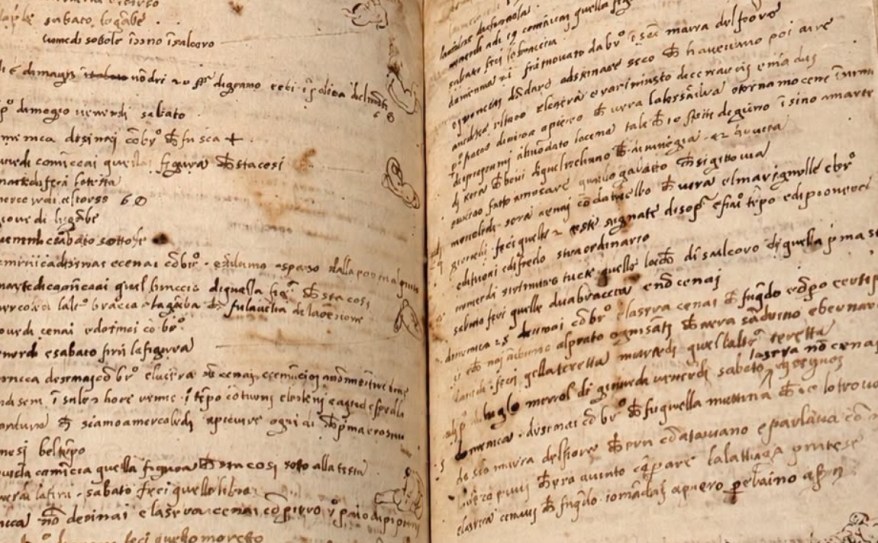
Pontormo, il diario segreto del pittore: malattie, pasti e piccoli disegni che raccontano la sua vita
🇮🇹Il diario di Pontormo: malattie, pasti, amicizie e piccoli disegni raccontano la vita privata del pittore e il lavoro perduto a San Lorenzo… 🇬🇧Pontormo’s diary—with its accounts of illnesses, meals, friendships, and small sketches—reveals the painter’s private life and his lost work at San Lorenzo…
-
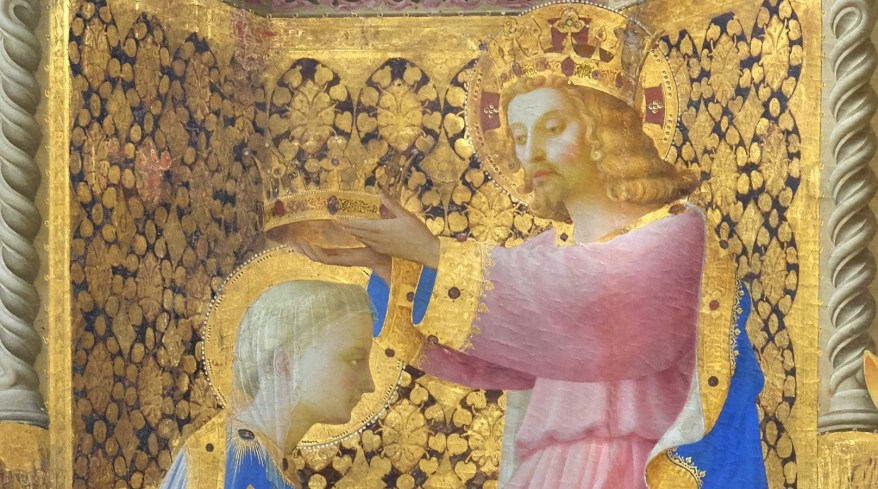
25 ottobre 1815: le opere rubate da Napoleone tornarono in Italia, ma 248 rimasero in Francia
🇮🇹Il 25 ottobre 1815 partì da Parigi un convoglio di 41 carri trainati da circa 200 cavalli, con 249 opere d’arte destinate a tornare in Italia… 🇬🇧On October 25, 1815, a convoy of 41 wagons, pulled by approximately 200 horses, departed from Paris, carrying 249 works of art destined to return to Italy…
-

Più forte della morte
🇮🇹Può l’amore superare la morte? In un madrigale sorprendente, il desiderio di chi amo arriva fino all’Inferno e al Paradiso… 🇬🇧Can love transcend death? In a striking madrigal, the longing for the one I love reaches as far as Hell and Paradise…
Condividi:


Questo sono io




sostienici

Sostienici - Support Us
Se questo blog ti piace e ti appassiona, puoi aiutarci a farlo crescere sempre più sostenendoci in modo concreto condividendo i post, seguendo le pagine social e con un contributo che ci aiuta ad andare avanti con il nostro lavoro di divulgazione. . ENGLISH: If you like and are passionate about this blog, you can help us make it grow more and more by supporting us in a concrete way by sharing posts, following social pages and with a contribution that helps us to move forward with our dissemination work.
€10,00


