

Gesù Bambino come non lo avete mai visto: 7 dipinti davvero bizzarri nella storia dell’arte
Se pensiamo a Gesù Bambino, probabilmente ci viene in mente un neonato paffuto, con un’espressione dolce, stretto fra le braccia della Madonna oppure adagiato nella mangiatoia. Eppure, basta sfogliare alcuni dipinti medievali e rinascimentali per imbattersi in rappresentazioni decisamente diverse da quelle a cui siamo abituati.
Ci sono bambini con il volto di uomini maturi, espressioni serie, corpi dalle proporzioni poco infantili e perfino neonati che sembrano avere già la saggezza di chi ha vissuto una vita intera. Alcuni di questi Gesù Bambino sono diventati negli ultimi anni protagonisti di curiosità e discussioni sui social, proprio per il loro aspetto così lontano dalla nostra idea di infanzia.
Ma perché gli artisti li dipingevano in questo modo? E soprattutto, erano davvero convinti che un neonato potesse avere quell’aspetto?
La risposta ha a che fare con il modo in cui, per secoli, la cristianità ha interpretato l’infanzia di Gesù. Prima che gli artisti cominciassero a rappresentarlo come un bambino in tutto e per tutto, il Figlio di Dio veniva spesso raffigurato come un uomo in miniatura: perfettamente formato, consapevole della propria natura divina e già portatore di una sapienza superiore.
Ho scelto sette dipinti che mostrano quanto possano essere sorprendenti queste rappresentazioni. Alcuni fanno sorridere a prima vista, altri lasciano davvero perplessi, ma tutti raccontano qualcosa di interessante sulla storia dell’arte.
Duccio di Buoninsegna: il Gesù Bambino con il volto di un uomo
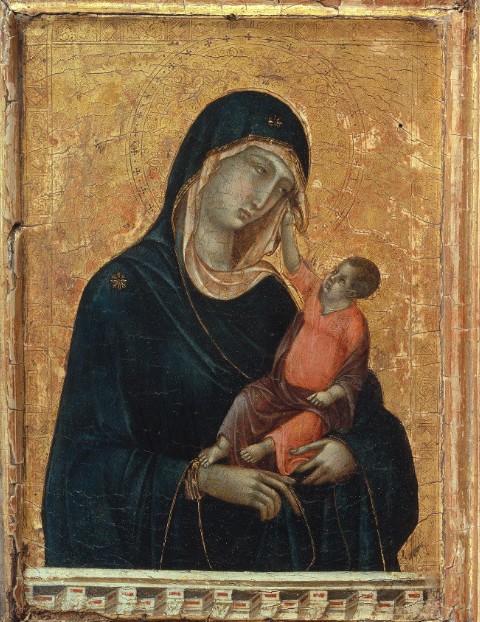
Cominciamo da Siena, con una tavola di Duccio di Buoninsegna intitolata Madonna col Bambino, realizzata intorno al 1290-1300 e oggi conservata al Metropolitan Museum of Art di New York.
Osservando il volto di Gesù, si comprende subito perché questo dipinto venga spesso citato quando si parla dei bambini dall’aspetto insolito nella pittura medievale. Il piccolo ha lineamenti molto maturi, uno sguardo serio e un’espressione che sembra appartenere più a un uomo adulto che a un neonato.
Non c’è alcuna intenzione caricaturale. Duccio sta lavorando all’interno di una tradizione figurativa nella quale la natura divina di Cristo ha un’importanza fondamentale. Gesù è il Figlio di Dio e la sua sapienza non deve apparire come qualcosa che acquisirà crescendo.
È interessante notare anche il gesto del Bambino, che allontana delicatamente il velo della madre. Un particolare che contribuisce a rendere più umano e intimo il rapporto fra le due figure.
La Madonna col Bambino della bottega di Paolo Veneziano: un piccolo uomo sul trono
Anche nella pittura veneziana del Trecento troviamo rappresentazioni che oggi possono sembrarci piuttosto insolite.
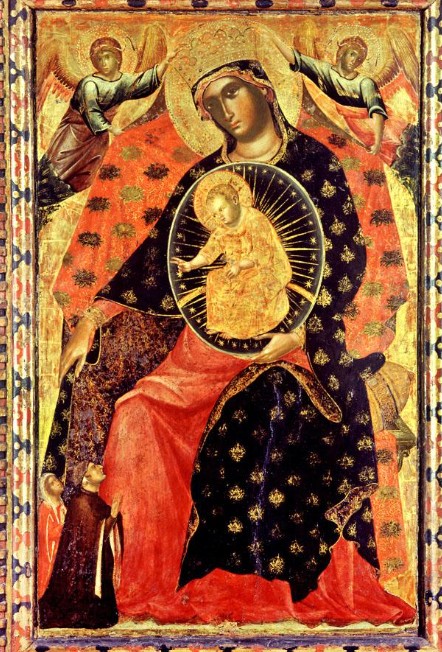
Nella Madonna col Bambino in trono, realizzata intorno al 1350 dalla bottega di Paolo Veneziano e conservata al Metropolitan Museum of Art, Gesù appare seduto sulle ginocchia della madre con un atteggiamento solenne.
Il suo aspetto è lontano da quello di un neonato che si muove spontaneamente fra le braccia della Madonna. La postura composta e l’espressione seria lo fanno sembrare un piccolo sovrano.
Del resto, l’immagine della Madonna in trono con il Figlio aveva una precisa funzione religiosa: Maria diventava il trono della Sapienza divina e Gesù veniva presentato ai fedeli come sovrano dell’universo.
Non si cercava quindi di rappresentare una normale scena familiare, ma di rendere visibile una verità teologica.
Andrea Mantegna: il Bambino addormentato che sembra già un adulto
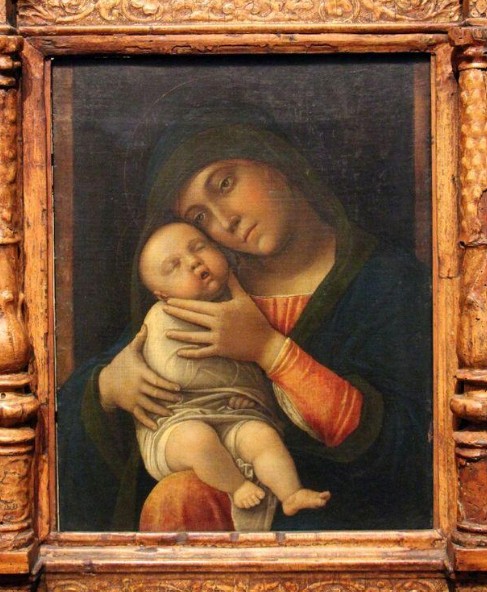
Passiamo al Rinascimento con Andrea Mantegna e la sua Madonna con Bambino, conservata al Museo Poldi Pezzoli di Milano e databile intorno al 1490-1500.
Qui Gesù è addormentato, avvolto in un sottile tessuto bianco, mentre Maria lo stringe a sé con una tenerezza che lascia trasparire anche una profonda malinconia.
Il dipinto può sorprendere per il modo in cui il corpo del Bambino viene rappresentato. Non troviamo la consueta immagine di un neonato paffuto e spensierato: la posa composta e il volto serio conferiscono alla figura un carattere particolare.
Il tessuto bianco che avvolge Gesù richiama il sudario nel quale sarà deposto dopo la crocifissione. Il sonno del Bambino diventa così un’anticipazione simbolica della sua morte.
La tenerezza materna e il destino doloroso del Figlio convivono nella stessa immagine.
Andrea Mantegna: il Bambino dalla strana espressione nella Madonna delle Cave
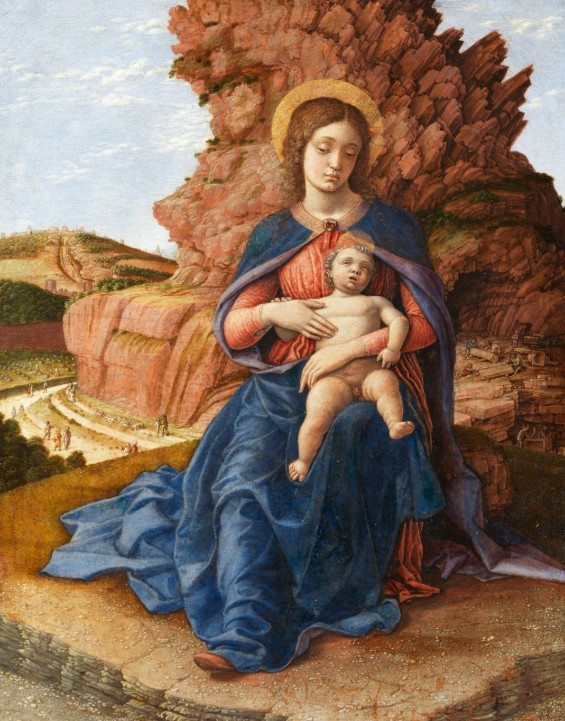
Ancora Mantegna, questa volta con la Madonna delle Cave, dipinta intorno al 1488-1490 e oggi conservata alle Gallerie degli Uffizi di Firenze.
Maria siede in un paesaggio roccioso, con un’espressione pensosa e malinconica, mentre indica Gesù con la mano destra. Il Bambino, a sua volta, guarda verso l’alto con la bocca leggermente aperta.
La sua espressione è tutt’altro che quella di un neonato sereno. Sembra quasi lamentarsi, oppure rivolgere un’invocazione a qualcuno che si trova fuori dalla scena.
Anche in questo caso, la scelta non è casuale. Il paesaggio contiene riferimenti simbolici alla Passione: le colonne ricavate dalla pietra richiamano la flagellazione, mentre il sarcofago allude alla sepoltura di Cristo.
Mantegna costruisce così un’immagine nella quale l’infanzia di Gesù è già attraversata dal presagio della sua morte.
Maarten van Heemskerck: il Gesù Bambino con il corpo di un adulto
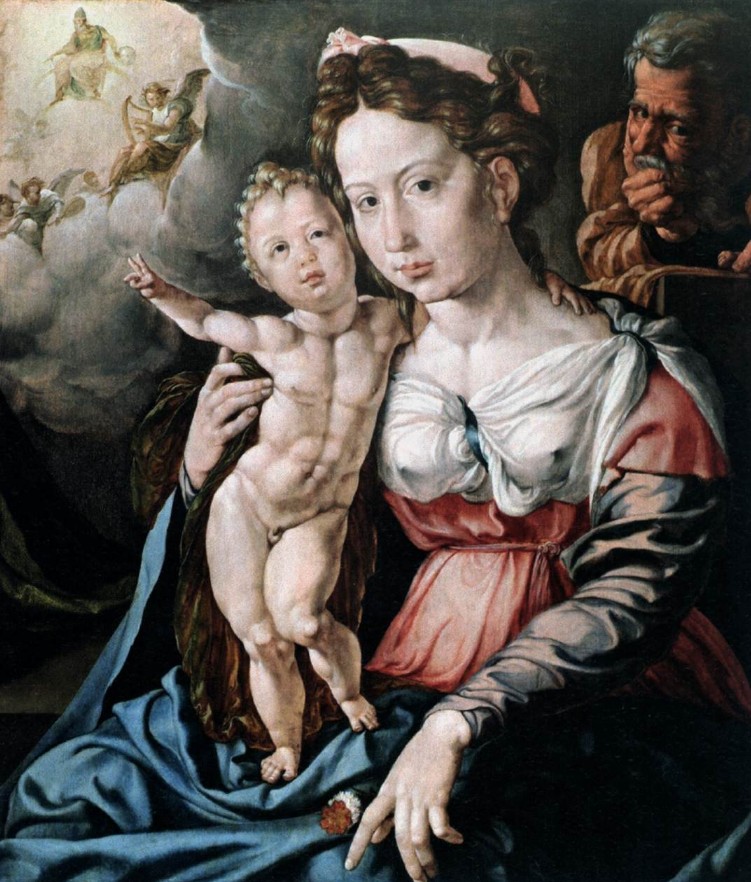
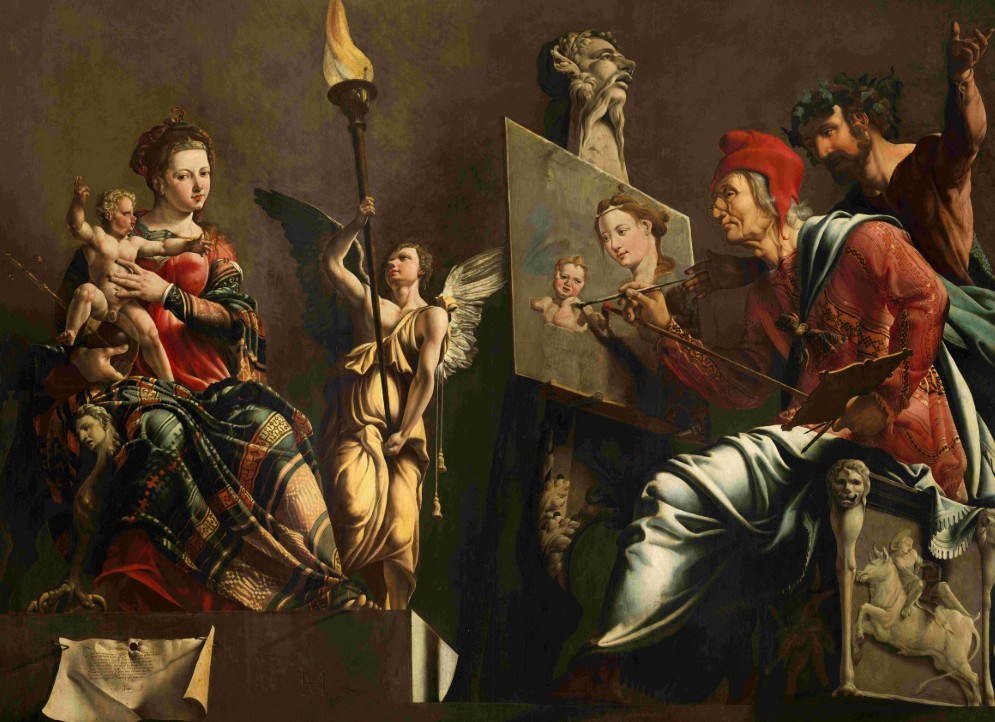
Tra le rappresentazioni più sorprendenti troviamo quella realizzata nel 1532 dal pittore olandese Maarten van Heemskerck, San Luca dipinge la Madonna, oggi conservata al Frans Hals Museum di Haarlem.
Il soggetto è legato a un’antica leggenda secondo la quale l’evangelista Luca avrebbe dipinto un ritratto della Vergine con il Bambino, diventando così il patrono degli artisti.
Nel dipinto di van Heemskerck, però, è difficile non soffermarsi proprio su Gesù.
Il suo corpo presenta proporzioni e una muscolatura decisamente insolite per un neonato. Il risultato è una figura che sembra mettere insieme un volto infantile e un fisico da adulto.
È uno di quei casi in cui la rappresentazione della natura divina di Cristo sembra prevalere completamente sulla ricerca di una somiglianza con un bambino reale.
Hans Baldung Grien: il Gesù Bambino pallido nella Natività del 1539
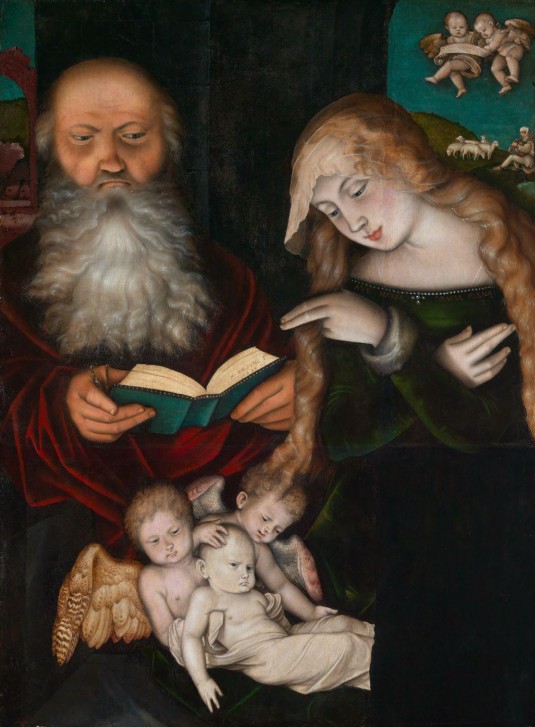
Fra le immagini più particolari della Natività troviamo quella dipinta nel 1539 da Hans Baldung Grien, oggi appartenente alla collezione della Kunsthalle Karlsruhe.
Il Bambino ha un incarnato pallidissimo e un’espressione seria, quasi sofferente. Due angeli lo sostengono delicatamente, come se fosse una figura che necessita di essere sollevata e mostrata.
La scena, osservata rapidamente, può apparire persino inquietante. Eppure, dietro questa scelta c’è un significato teologico molto preciso.
Baldung mette in relazione la nascita di Cristo con il sacrificio che lo attende. Il Bambino non è soltanto il protagonista della Natività, ma è già il Salvatore destinato alla Passione.
Il suo corpo pallido richiama anche l’immagine del Cristo morto sostenuto dagli angeli, mentre la luce che emana da lui illumina la scena notturna.
Una rappresentazione che racconta contemporaneamente la nascita e il destino finale di Gesù.
Hans Baldung Grien: un’altra Natività con un Bambino decisamente insolito
Non è l’unica volta che Hans Baldung Grien si cimenta con una rappresentazione così particolare del Bambino Gesù.
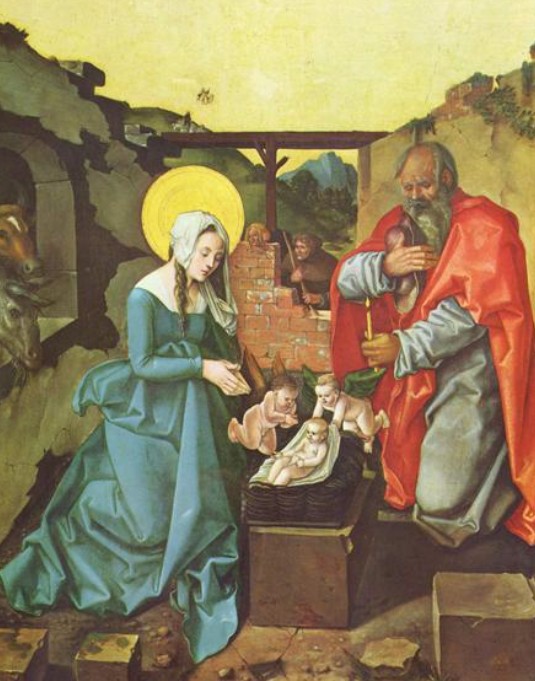
In un’altra Natività, databile intorno al 1525-1530, l’artista torna a giocare con il contrasto fra la nascita di Cristo e il sacrificio che attende il Figlio di Dio.
Anche qui l’aspetto del Bambino si allontana dall’immagine rassicurante e naturalistica alla quale siamo abituati. La sua presenza assume un significato che va ben oltre la semplice descrizione di un neonato appena venuto al mondo.
Baldung appartiene a quella tradizione di artisti che utilizzavano il corpo di Gesù per raccontare, attraverso un’unica immagine, diversi momenti della sua vicenda terrena.
La nascita e la morte, la luce e il sacrificio, l’infanzia e la redenzione diventano elementi di una stessa narrazione visiva.
Perché nei dipinti medievali Gesù Bambino sembra spesso un uomo adulto?
Dopo aver osservato queste sette opere, viene spontaneo domandarsi perché tanti artisti abbiano rappresentato Gesù con un aspetto così poco infantile.
Una delle spiegazioni più interessanti riguarda il concetto di homunculus, termine latino che significa letteralmente piccolo uomo.
Nella tradizione figurativa medievale, Gesù veniva spesso rappresentato come un essere perfettamente formato fin dalla nascita. La sua natura divina e la sua onniscienza dovevano essere riconoscibili anche nel corpo di un neonato.
Per questo motivo gli artisti non erano necessariamente interessati a riprodurre le proporzioni anatomiche di un bambino reale. Preferivano mostrare un Cristo già consapevole della propria missione, capace di benedire, impartire insegnamenti e rivolgersi ai fedeli con la solennità di un adulto.
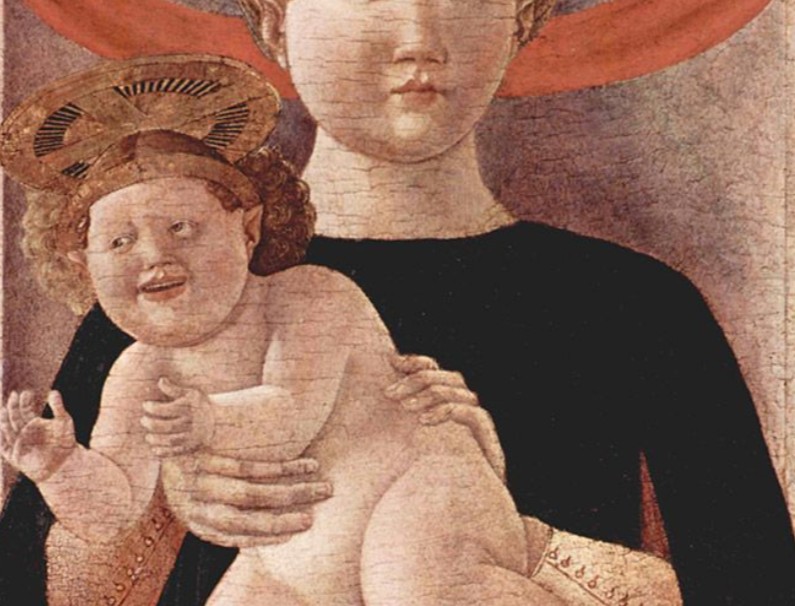
Con il passare del tempo qualcosa cambiò. Durante il Rinascimento si diffuse un interesse sempre maggiore per l’osservazione della natura, per lo studio dell’anatomia e per la rappresentazione dei sentimenti. Anche Gesù Bambino cominciò così ad assumere un aspetto più vicino a quello di un neonato vero, con guance paffute, gesti spontanei e un rapporto più tenero con la madre.
Non fu un cambiamento improvviso né uniforme, ma una trasformazione progressiva del modo di guardare e rappresentare l’infanzia.
La prossima volta che vi capiterà di osservare una Madonna con Bambino medievale, soffermatevi sul volto di Gesù. Potreste trovare un piccolo uomo molto più saggio e serio di quanto vi aspettereste da un neonato.
Per il momento il sempre vostro Michelangelo Buonarroti vi saluta dandovi appuntamento ai prossimi post e sui social.
The Infant Jesus as You’ve Never Seen Him: 7 Truly Bizarre Paintings in Art History
When we think of the Infant Jesus, we likely picture a chubby newborn with a sweet expression, held in the arms of the Virgin Mary or lying in a manger. Yet, one only needs to look through certain medieval and Renaissance paintings to encounter depictions that are strikingly different from what we are accustomed to.
There are infants with the faces of mature men, serious expressions, and bodies with proportions that are anything but childlike—some even appear to possess the wisdom of someone who has lived an entire lifetime. In recent years, some of these depictions of the Infant Jesus have become the subject of curiosity and discussion on social media, precisely because their appearance is so far removed from our modern conception of childhood.
But why did artists paint them this way? And, more importantly, did they truly believe that a newborn could look like that?
The answer lies in how, for centuries, Christianity interpreted the childhood of Jesus. Before artists began to portray Him as a child in every sense, the Son of God was often depicted as a miniature man: fully formed, conscious of His own divine nature, and already possessing a superior wisdom.
I have selected seven paintings that illustrate just how surprising these depictions can be. Some may elicit a smile at first glance, while others are genuinely puzzling—yet all of them reveal something fascinating about the history of art.
Duccio di Buoninsegna: The Infant Jesus with a Man’s Face
Let us begin in Siena, with a panel painting by Duccio di Buoninsegna titled Madonna and Child, created around 1290–1300 and now housed at the Metropolitan Museum of Art in New York. Looking at the face of Jesus, one immediately understands why this painting is often cited when discussing the unusual-looking children found in medieval art. The infant has very mature features, a serious gaze, and an expression that seems to belong more to an adult man than to a newborn.
There is no intent to create a caricature here. Duccio is working within a figurative tradition in which the divine nature of Christ is of fundamental importance. Jesus is the Son of God, and his wisdom is not something he is meant to acquire as he grows older.
It is also interesting to note the Child’s gesture as he gently pulls aside his mother’s veil—a detail that helps to make the relationship between the two figures feel more human and intimate.
The Madonna and Child from the workshop of Paolo Veneziano: a little man on a throne
In 14th-century Venetian painting, too, we find depictions that might strike us today as rather unusual.
In the Madonna and Child Enthroned—created around 1350 by the workshop of Paolo Veneziano and now held at the Metropolitan Museum of Art—Jesus sits on his mother’s lap with a solemn demeanor.
His appearance is far from that of a newborn moving spontaneously in his mother’s arms; his composed posture and serious expression make him look like a tiny sovereign.
Indeed, the image of the Madonna enthroned with her Son served a specific religious purpose: Mary became the throne of Divine Wisdom, and Jesus was presented to the faithful as the ruler of the universe.
The goal, therefore, was not to depict an ordinary family scene, but to make a theological truth visible.
Andrea Mantegna: The Sleeping Child Who Already Looks Like an Adult
Moving into the Renaissance, we encounter Andrea Mantegna’s Madonna and Child, housed at the Poldi Pezzoli Museum in Milan and dated to around 1490–1500.
Here, the infant Jesus is asleep, wrapped in a thin white cloth, while Mary holds Him close with a tenderness that also reveals a profound melancholy.
The painting may come as a surprise due to how the Child’s body is depicted. We do not see the typical image of a chubby, carefree infant; rather, His composed posture and serious expression lend a distinct character to the figure.
The white cloth enveloping Jesus evokes the shroud in which He would be laid following the Crucifixion. Thus, the Child’s sleep becomes a symbolic anticipation of His death.
Maternal tenderness and the Son’s painful destiny coexist within the same image.
Andrea Mantegna: The Child with the Peculiar Expression in Madonna of the Quarries
Once again, we turn to Mantegna—this time for his Madonna of the Quarries, painted around 1488–1490 and now held at the Uffizi Galleries in Florence.
Mary sits within a rocky landscape, her expression pensive and melancholic, as she gestures toward Jesus with her right hand. The Child, for His part, gazes upward with His mouth slightly open.
His expression is far from that of a serene infant. He appears almost as if He is lamenting, or perhaps directing an appeal toward someone outside the scene.
In this instance, too, the choice is not accidental. The landscape contains symbolic references to the Passion: the columns carved from the stone allude to the Flagellation, while the sarcophagus points toward the burial of Christ. In this way, Mantegna constructs an image in which the infancy of Jesus is already permeated by the premonition of his death.
Maarten van Heemskerck: The Infant Jesus with an Adult’s Body
Among the most striking depictions is one created in 1532 by the Dutch painter Maarten van Heemskerck, titled Saint Luke Painting the Virgin—a work now housed in the Frans Hals Museum in Haarlem.
The subject relates to an ancient legend, according to which the Evangelist Luke painted a portrait of the Virgin and Child, thereby becoming the patron saint of artists.
In van Heemskerck’s painting, however, it is difficult not to focus specifically on Jesus.
His body possesses proportions and musculature that are decidedly unusual for a newborn. The result is a figure that seems to combine an infantile face with an adult physique.
This is one of those instances where the representation of Christ’s divine nature appears to take complete precedence over any attempt to resemble an actual human infant.
Hans Baldung Grien: The Pale Infant Jesus in the 1539 Nativity
Among the more distinctive depictions of the Nativity is one painted in 1539 by Hans Baldung Grien, now part of the collection at the Kunsthalle Karlsruhe.
The infant has an extremely pale complexion and a serious, almost suffering expression. Two angels support him delicately, as if he were a figure in need of being lifted up and displayed.
At a quick glance, the scene might even appear unsettling. Yet, this choice is rooted in a very specific theological meaning.
Baldung links the birth of Christ to the sacrifice that awaits him. The infant is not merely the central figure of the Nativity; he is already the Savior destined for the Passion. His pale body also evokes the image of the dead Christ supported by angels, while the light emanating from him illuminates the nocturnal scene.
A depiction that simultaneously recounts both the birth and the ultimate destiny of Jesus.
Hans Baldung Grien: another Nativity featuring a decidedly unusual Child
This is not the only instance in which Hans Baldung Grien engages with such a distinctive depiction of the Christ Child.
In another Nativity, dating from around 1525–1530, the artist once again plays with the contrast between the birth of Christ and the sacrifice that awaits the Son of God.
Here, too, the appearance of the Child departs from the reassuring, naturalistic image to which we are accustomed. His presence takes on a significance that extends well beyond a mere description of a newborn who has just entered the world.
Baldung belongs to a tradition of artists who used the body of Jesus to convey—within a single image—various moments from his earthly life.
Birth and death, light and sacrifice, infancy and redemption all become elements of a unified visual narrative.
Why does the Christ Child often appear as a grown man in medieval paintings?
After examining these seven works, one naturally wonders why so many artists portrayed Jesus with such an unchildlike appearance.
One of the most compelling explanations concerns the concept of the homunculus—a Latin term that literally means “little man.”
In the medieval artistic tradition, Jesus was frequently depicted as a being who was fully formed from the moment of birth. His divine nature and omniscience had to be recognizable, even within the body of a newborn.
For this reason, artists were not necessarily concerned with replicating the anatomical proportions of an actual infant. Instead, they chose to present a Christ who was already conscious of his own mission—capable of bestowing blessings, imparting teachings, and addressing the faithful with the solemnity of an adult.
As time passed, things began to change. During the Renaissance, there was a growing interest in observing nature, studying anatomy, and depicting human emotions. Consequently, the infant Jesus began to take on an appearance more akin to that of a real baby—with chubby cheeks, spontaneous gestures, and a more tender interaction with his mother.
This was neither a sudden nor a uniform shift, but rather a gradual transformation in how childhood was perceived and represented.
The next time you happen to look at a medieval depiction of the Madonna and Child, take a close look at Jesus’s face. You might find a “little man”—far wiser and more serious than one would expect from a newborn.
For now, yours truly, Michelangelo Buonarroti, bids you farewell—until the next post, or perhaps we shall meet again on social media.

Sostienici – Support Us
Se questo blog ti piace e ti appassiona, puoi aiutarci a farlo crescere sempre più sostenendoci in modo concreto condividendo i post, seguendo le pagine social e con un contributo che ci aiuta ad andare avanti con il nostro lavoro di divulgazione. . ENGLISH: If you like and are passionate about this blog, you can help us make it grow more and more by supporting us in a concrete way by sharing posts, following social pages and with a contribution that helps us to move forward with our dissemination work.
10,00 €

Condividi:


Questo sono io





sostienici

Sostienici - Support Us
Se questo blog ti piace e ti appassiona, puoi aiutarci a farlo crescere sempre più sostenendoci in modo concreto condividendo i post, seguendo le pagine social e con un contributo che ci aiuta ad andare avanti con il nostro lavoro di divulgazione. . ENGLISH: If you like and are passionate about this blog, you can help us make it grow more and more by supporting us in a concrete way by sharing posts, following social pages and with a contribution that helps us to move forward with our dissemination work.
€10,00


