

Quando volevo avere un erede
Della mia discendenza mi preoccupai non poco. In vita avevo guadagnato fama, fortuna e non volevo che tutto ciò che avevo messo in piedi andasse disperso.
Ci tenevo ad avere un’onorata discendenza che però tardava pareva tardare ad arrivare. Era noto mio nipote Lionardo avrebbe ereditato gran parte dei miei beni ma non bastava. Chi avrebbe dopo di lui proseguito la discendenza?
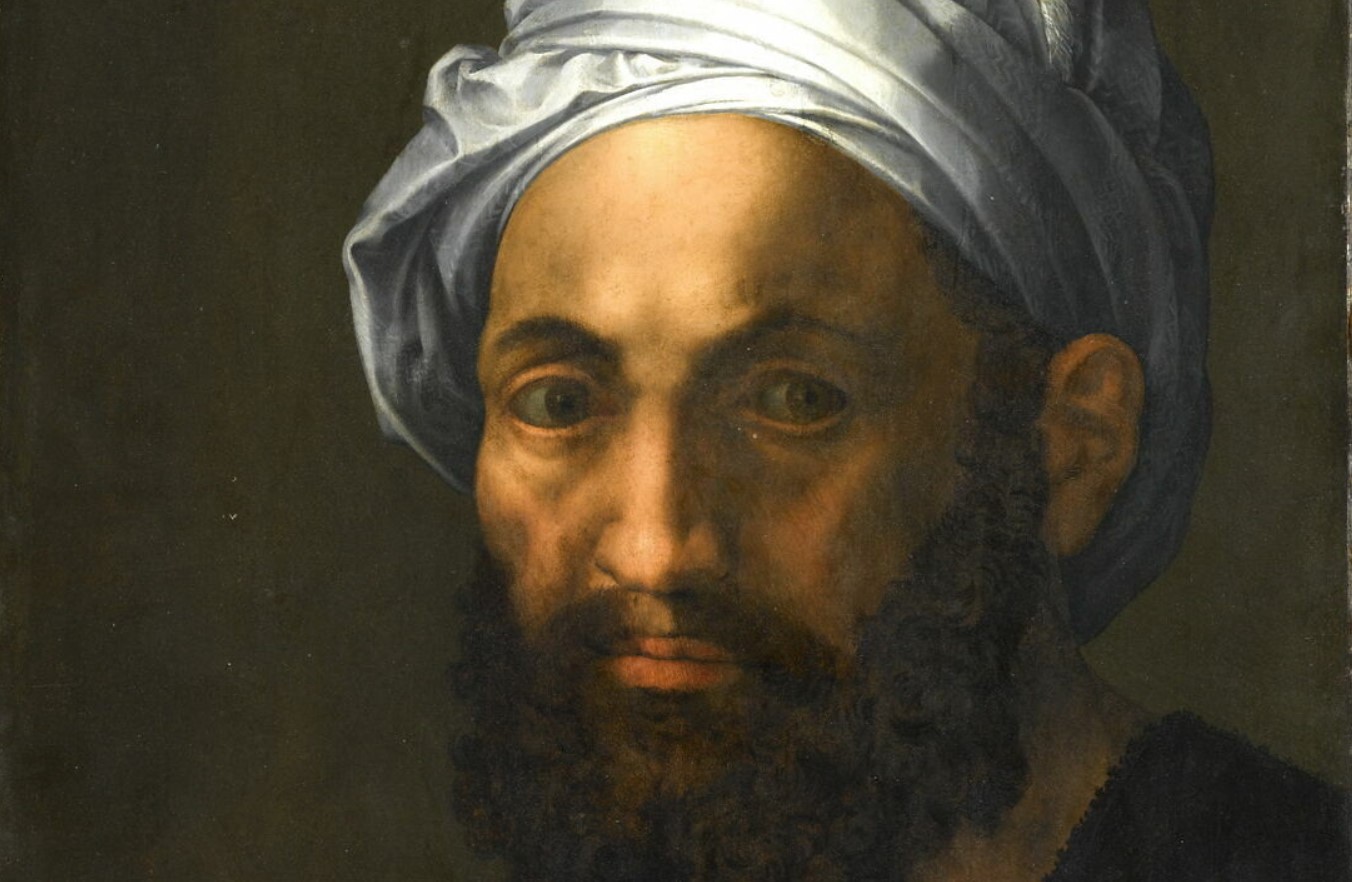
Ancora non era sposato e io iniziavo a sentirmi sempre più vecchio per occuparmi di queste cose. Dovevo attendere all’anima mia, le cose terrene oramai erano sempre più distanti dal mio sentire.
Eppure, fui chiamato in causa nel cercar moglie al mio nipote Lionardo.
Il primo di febbraio del 1549 gli scrissi parole che oggi considerereste, a ragion veduta, decisamente maschiliste “Tu ài bisognio d’una che stia teco e che tu gli possa comandare, e che non voglia stare in su le pompe, e andare ogni dì a conviti e a nozze, perché dove è corte, è facil cosa diventar puctana e massimo chi è senza parenti. Non è d’aver rispeto a direche e’ paia che tu ti voglia nobilitare, perchè gli è noto che noi siàno antichi cictadini fiorentini e nobili quant’è ogni altra casa.“
Dopo diverse lettere e diversi mesi Lionardo si decise a seguire il mio suggerimento sposando Cassandra Ridolfi.

Quando poi i due finalmente concepirono un figlio, mi parve d’essere in Paradiso. Oramai quasi non speravo più in qualcuno che potesse seguitare la discendenza. “Io ò per la tua come la Cassandra è gravida; del che n’ò piacer grandissimo, perché spero pur che di noi resti qualchereda, o femina o mastio che sia, e di tucto s’è a ringratiare Iddio”.
Quel bambino nacque e fu chiamato Buonarroto ma solo dopo quattordici anni, quando oramai ero bell’e che morto da quattro anni, venne al mondo Michelangelo, chiamato così in onor mio.
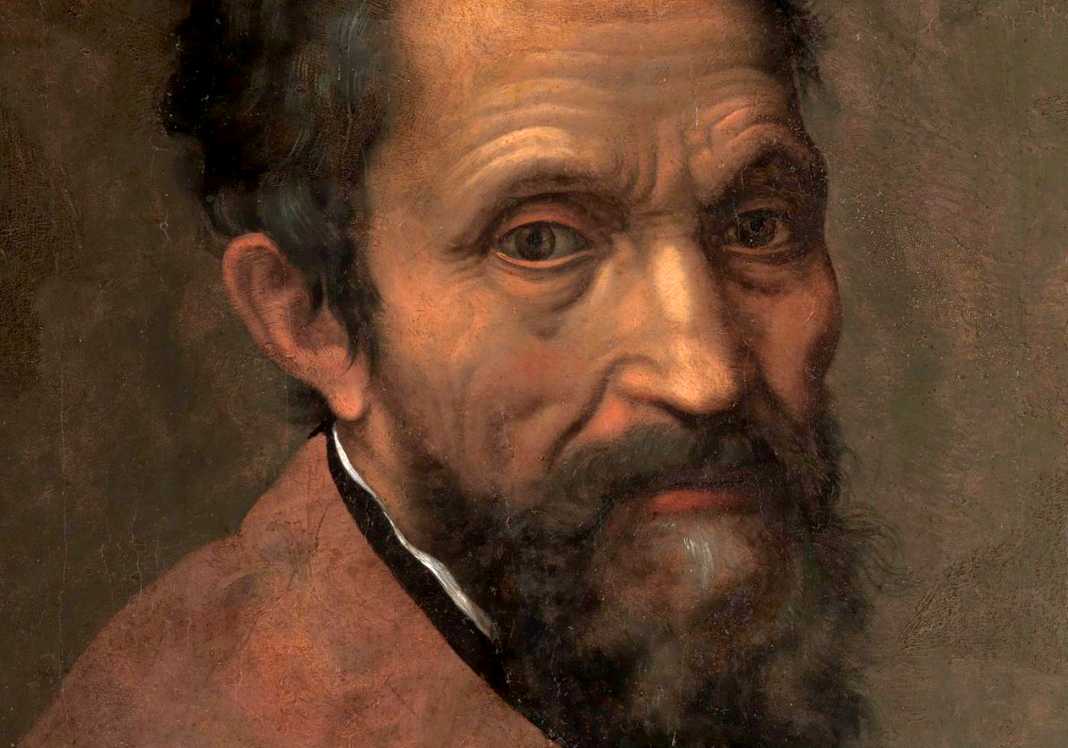
Fu lui che si occupò di mettere in piedi una ‘casa onorevole’ a Firenze per ricordare me e il mio operato.
Per il momento il sempre vostro Michelangelo Buonarroti vi saluta dandovi appuntamento ai prossimi post e sui social.

Sostienici – Support Us
Se questo blog ti piace e ti appassiona, puoi aiutarci a farlo crescere sempre più sostenendoci in modo concreto condividendo i post, seguendo le pagine social e con un contributo che ci aiuta ad andare avanti con il nostro lavoro di divulgazione. . ENGLISH: If you like and are passionate about this blog, you can help us make it grow more and more by supporting us in a concrete way by sharing posts, following social pages and with a contribution that helps us to move forward with our dissemination work.
10,00 €
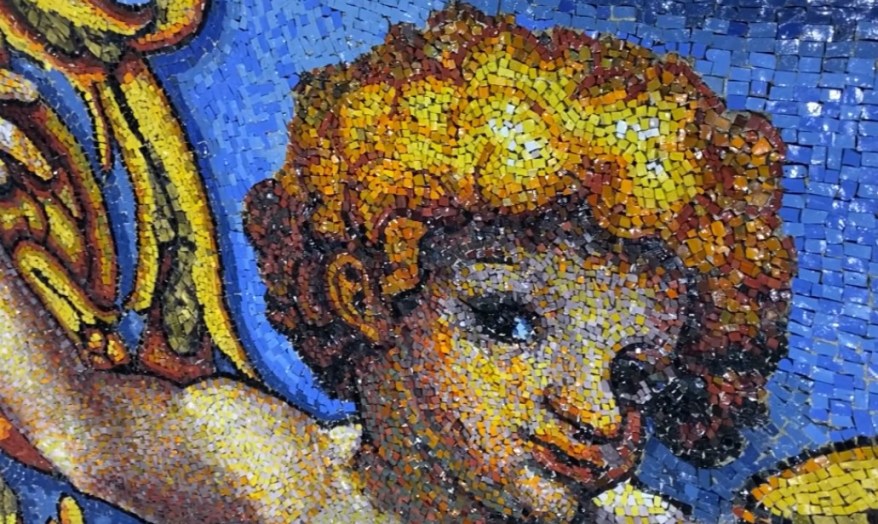
When I wanted to have an heir
I worried quite a bit about my descendants. I had gained fame and fortune in life: I didn’t want everything I had built to go to waste.
I wanted to have an honored lineage but it seemed slow in arriving. It was known my nephew Lionardo would inherit a large part of my assets but it wasn’t enough. Who would continue the lineage after him?
He still wasn’t married and I was starting to feel older and older to deal with these things. I had to attend to my soul, earthly things were now more and more distant from my feelings.
Yet, I was called into question in looking for a wife for my nephew Lionardo.
On February 1, 1549, I wrote to him words that today you would consider, with good reason, decidedly sexist: “You need someone who stays with you and who you can command, and who doesn’t want to stay on the pumps, and go every day at banquets and weddings, because where there is court, it is easy to become a whore, especially those without relatives. There is no need to say that it seems that you want to ennoble yourself, because it is known that we are ancient Florentine citizens and as noble as any other house.”
After several letters and several months Lionardo decided to follow my suggestion by marrying Cassandra Ridolfi.
When the two finally conceived a child, I felt like I was in Heaven. By now I almost no longer hoped for someone who could continue the lineage. “I am for yours as Cassandra is pregnant; of which I am very pleased, because I hope that some inheritance remains of us, whether female or mastiff, and for everything we have to thank God.”
That child was born and was called Buonarroto but only after fourteen years, when I was now handsome and having been dead for four years, Michelangelo came into the world, named so in honor of me.
It was he who took care of setting up an ‘honorable house’ in Florence to remember me and my work.
For the moment, your always Michelangelo Buonarroti greets you and will meet you in the next posts and on social media.
Sostienici – Support Us
Se questo blog ti piace e ti appassiona, puoi aiutarci a farlo crescere sempre più sostenendoci in modo concreto condividendo i post, seguendo le pagine social e con un contributo che ci aiuta ad andare avanti con il nostro lavoro di divulgazione. . ENGLISH: If you like and are passionate about this blog, you can help us make it grow more and more by supporting us in a concrete way by sharing posts, following social pages and with a contribution that helps us to move forward with our dissemination work.
10,00 €
-
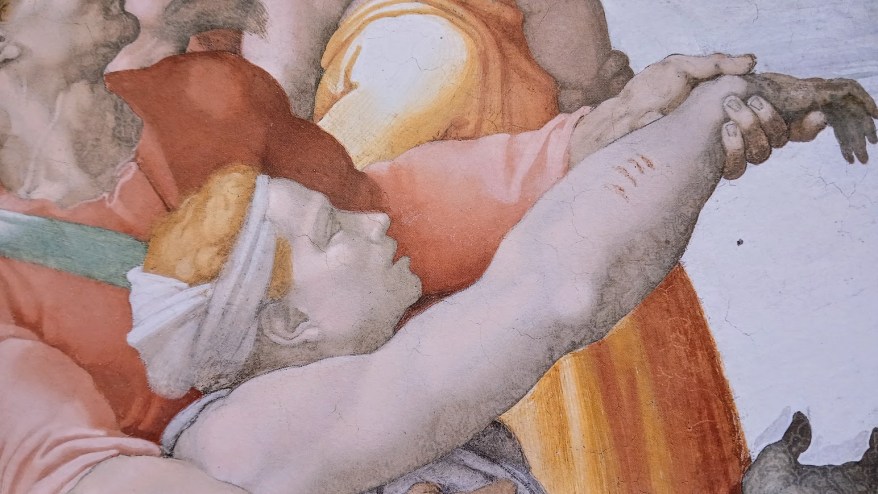
La donna morsa dal serpente nella Cappella Sistina
🇮🇹Quattro segni sul braccio. Nella volta della Cappella Sistina ho dipinto serpenti velenosi, corpi contorti e volti deformati dal terrore. Ma c’è un particolare che potrebbe sfuggirvi… 🇬🇧Four marks on the arm. On the ceiling of the Sistine Chapel, I painted venomous snakes, contorted bodies, and faces twisted by terror. But there is a detail…
-
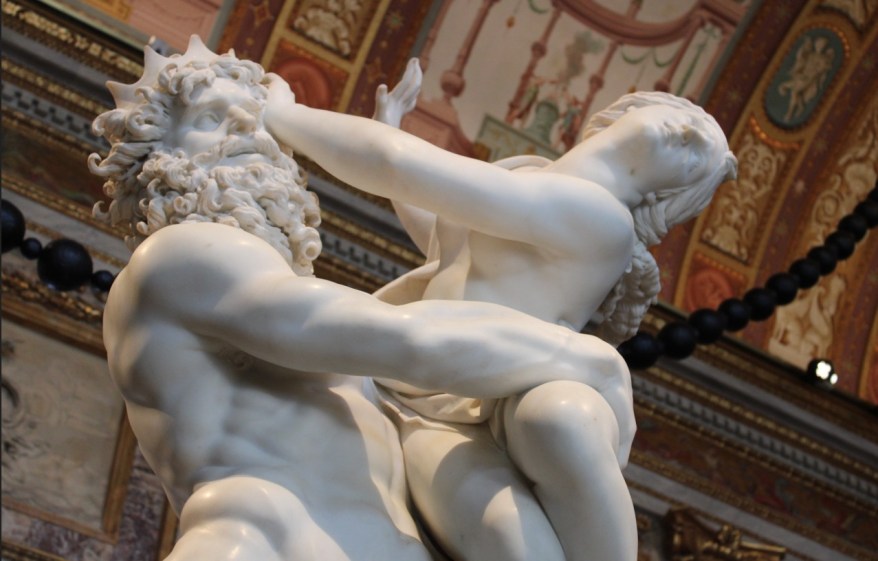
Gian Lorenzo Bernini: l’uomo che fece muovere il marmo
🇮🇹Davanti a una scultura di Gian Lorenzo Bernini, capita di avvicinarsi per osservare un dettaglio e ritrovarsi a seguire con lo sguardo l’intera scena. Una mano stringe una coscia, un volto si volta per sfuggire a uno sguardo, le dita si trasformano in foglie… 🇬🇧When standing before a sculpture by Gian Lorenzo Bernini, you might…
-
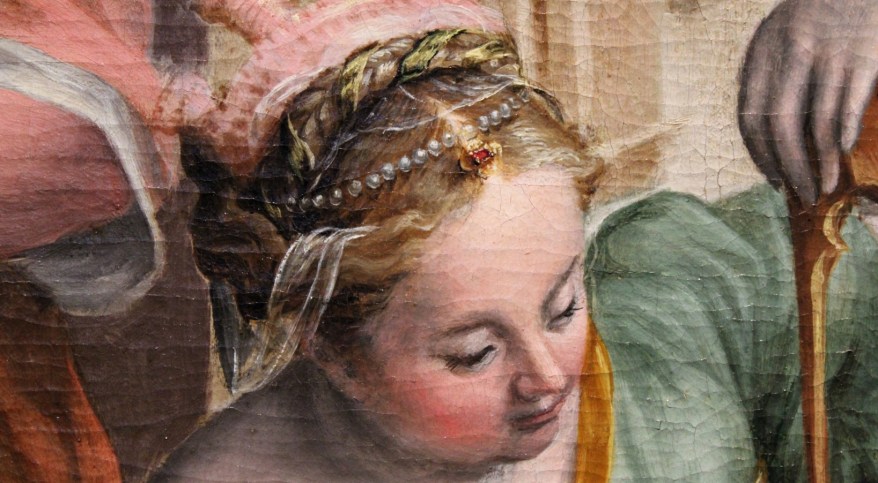
L’Allegoria della Geometria di Prospero Fontana: il dipinto attribuito per errore a Jacopo Coppi
🇮🇹L’Allegoria della Geometria, attribuita un tempo a Jacopo Coppi, è stata restituita a Prospero Fontana: storia, significato e segreti del dipinto… 🇬🇧The Allegory of Geometry, once attributed to Jacopo Coppi, has been reattributed to Prospero Fontana: the history, meaning, and secrets of the painting…
Condividi:


Questo sono io




sostienici

Sostienici - Support Us
Se questo blog ti piace e ti appassiona, puoi aiutarci a farlo crescere sempre più sostenendoci in modo concreto condividendo i post, seguendo le pagine social e con un contributo che ci aiuta ad andare avanti con il nostro lavoro di divulgazione. . ENGLISH: If you like and are passionate about this blog, you can help us make it grow more and more by supporting us in a concrete way by sharing posts, following social pages and with a contribution that helps us to move forward with our dissemination work.
€10,00


