
Angelica Kauffmann e Vigée Le Brun: le pittrici che conquistarono l’Europa in mostra a Napoli
Angelica Kauffmann ed Élisabeth Louise Vigée Le Brun, nella storia dell’arte, hanno cambiato le regole del gioco. In un Settecento nel quale il mondo della pittura, delle accademie e delle commissioni prestigiose era ancora prevalentemente maschile, entrambe riuscirono a costruire carriere internazionali, ottenendo riconoscimenti che pochissime donne avevano avuto prima di loro.
A queste due personalità straordinarie è dedicata “Angelica e Élisabeth. L’età delle donne pittrici”, la grande mostra ospitata alle Gallerie d’Italia di Napoli che ha inaugurato il 6 novembre 2026 e proseguirà fino al 7 marzo 2027.
Un appuntamento importante per chi ama la pittura del Settecento e per chi desidera conoscere le vicende di due donne che seppero trasformare il proprio talento in uno strumento di affermazione personale e professionale.
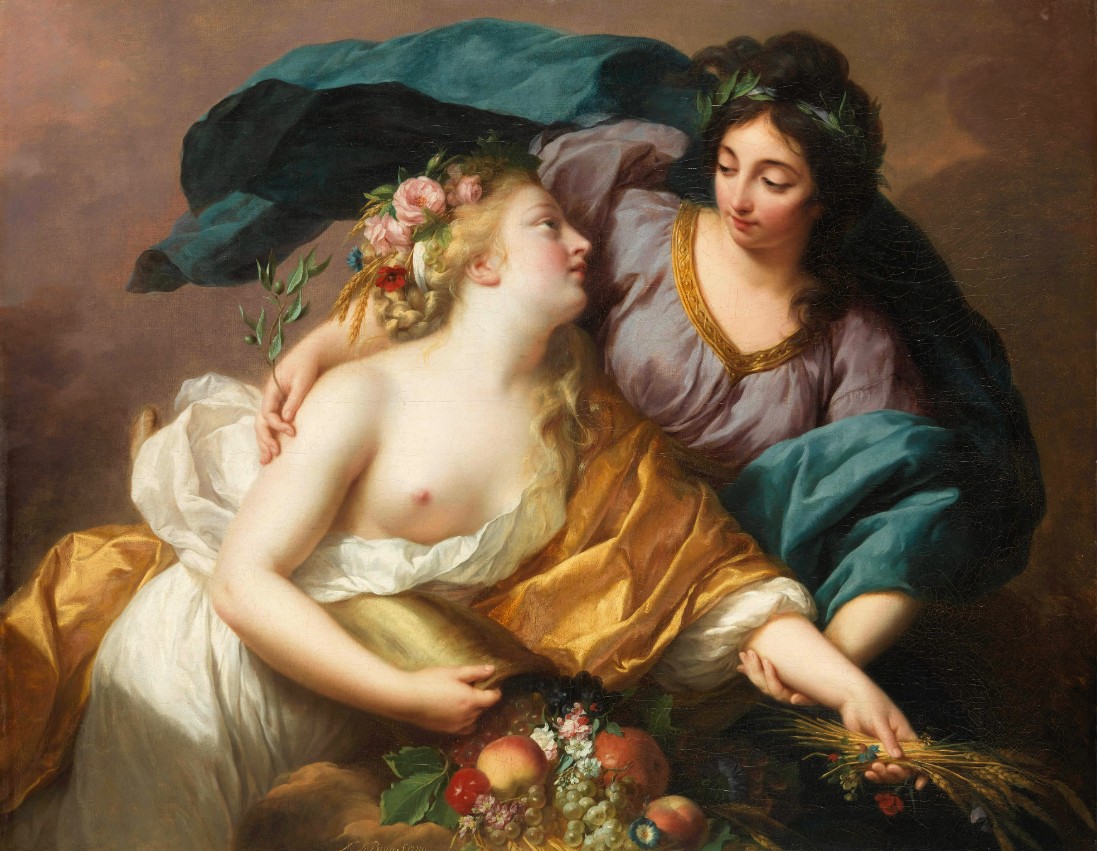
Angelica Kauffmann ed Élisabeth Vigée Le Brun: due donne, due carriere straordinarie
La mostra mette per la prima volta in dialogo le vite, le opere e le carriere di Angelica Kauffmann (1741-1807) e Élisabeth Louise Vigée Le Brun (1755-1842).
Nate a distanza di quattordici anni, le due artiste appartengono a una stagione culturale attraversata da trasformazioni profonde: l’Illuminismo, la diffusione delle idee neoclassiche e, infine, le grandi rivoluzioni politiche che avrebbero cambiato il volto dell’Europa.
Erano diverse per formazione, carattere e sensibilità artistica, ma avevano qualcosa di fondamentale in comune: la consapevolezza del proprio valore.
Furono professioniste che seppero gestire la propria immagine pubblica, conquistare committenti importanti, costruire relazioni culturali e affermarsi in ambienti nei quali alle artiste venivano spesso riconosciute possibilità molto più limitate rispetto ai colleghi uomini.
La loro fama non fu una riscoperta postuma. Erano già celebri mentre erano in vita, ricercate dalle corti europee e ammirate da collezionisti e intellettuali.
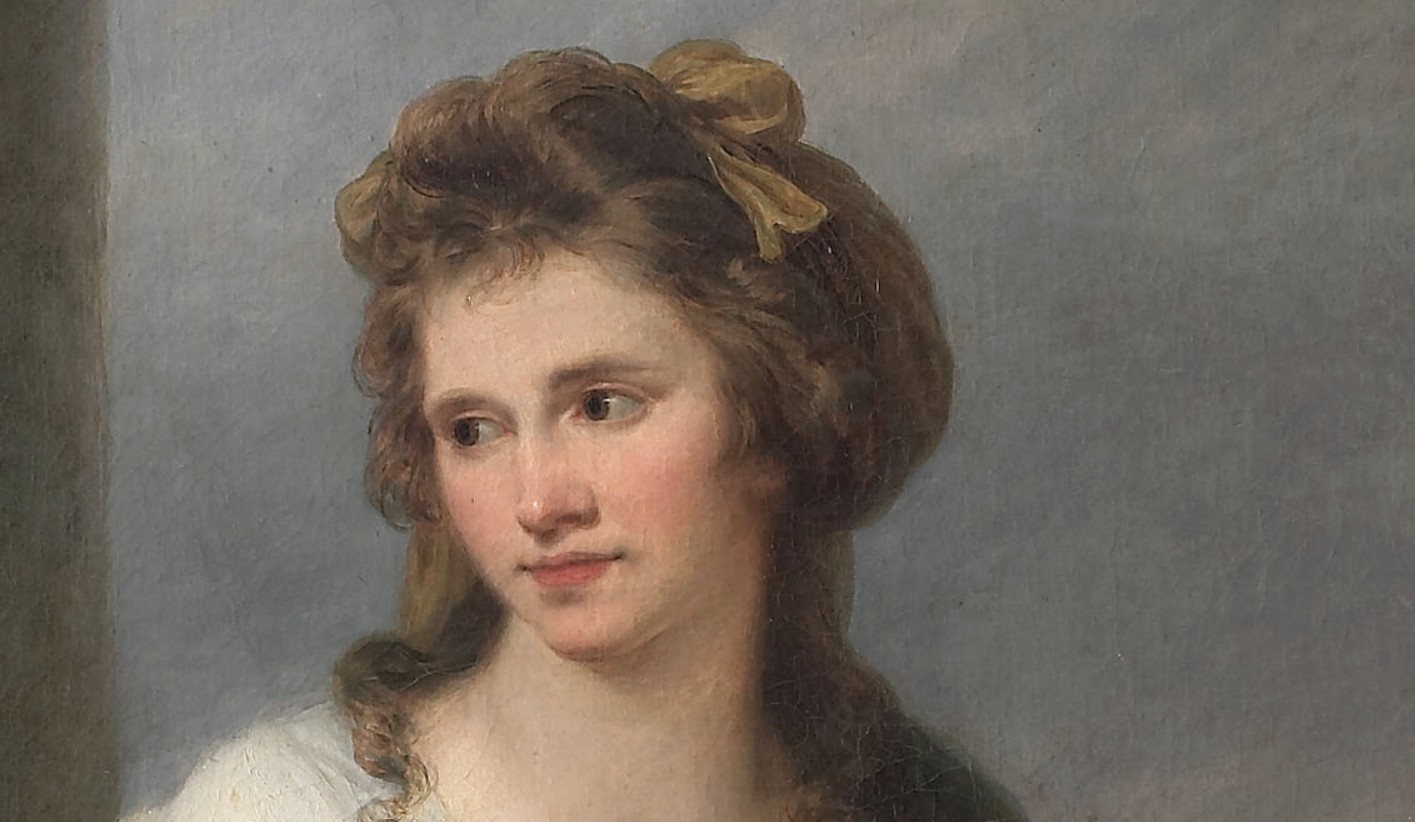
Pittura, 1787. Olio su tela, 128 x 93,5 cm. Firenze,
Angelica Kauffmann, la pittrice della grazia e della cultura
Angelica Kauffmann fu una delle personalità più colte e cosmopolite della pittura europea del Settecento.
Nata a Coira, in Svizzera, nel 1741, si formò in un ambiente nel quale la pratica artistica e lo studio della cultura classica ebbero un ruolo fondamentale. Viaggiò molto, lavorò in diversi centri europei e riuscì a costruire una reputazione internazionale grazie a una produzione che spaziava dal ritratto alla pittura di storia, dalle allegorie ai soggetti letterari.
La sua pittura è conosciuta per l’eleganza della composizione, la delicatezza dei colori e una particolare attenzione alla dimensione intellettuale dei soggetti rappresentati.
Non si accontentò di essere apprezzata come ritrattista e volle confrontarsi con uno dei generi considerati più prestigiosi e difficili: la pittura di storia, tradizionalmente riservata agli artisti uomini e fondata sulla conoscenza della storia antica, della letteratura e della mitologia.
La sua affermazione raggiunse un momento importante a Londra, dove fu tra i membri fondatori della Royal Academy of Arts, istituita nel 1768. Un riconoscimento eccezionale per una donna della sua epoca.
Angelica dimostrò che una pittrice poteva essere molto più di una talentuosa interprete del ritratto: poteva essere una protagonista della cultura europea.
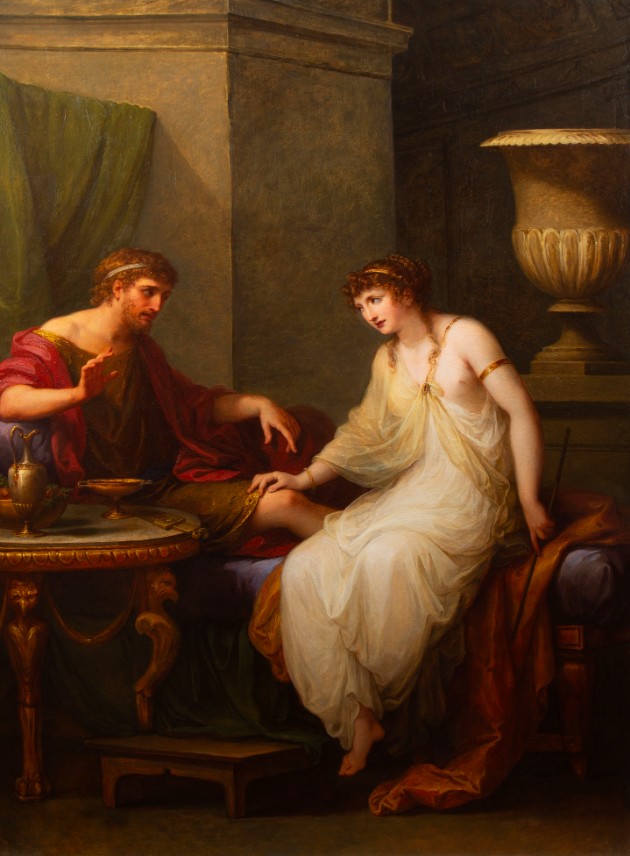
su tela, 139,7 x 104,8 cm. Charlottesville (Virginia),
The Fralin Museum of Art at the University of Virginia,
Élisabeth Vigée Le Brun, la donna che conquistò le corti europee
Se Angelica Kauffmann rappresenta la grazia colta e riflessiva del Neoclassicismo, Élisabeth Louise Vigée Le Brun incarna una straordinaria capacità di osservazione, immediatezza e sensibilità psicologica.
Nata a Parigi nel 1755, sviluppò prestissimo un talento eccezionale per il ritratto. La sua capacità di restituire non soltanto i lineamenti, ma anche la personalità e il temperamento dei soggetti, le permise di entrare negli ambienti più esclusivi della società francese.
Il suo nome è indissolubilmente legato a quello di Maria Antonietta, della quale realizzò numerosi ritratti, contribuendo a costruirne e diffonderne l’immagine pubblica.
Nei volti, negli sguardi e nei gesti che dipinse si riconosce una capacità particolare di suggerire emozioni e caratteri.
La Rivoluzione francese cambiò radicalmente la sua vita. Legata professionalmente alla corte, fu costretta a lasciare la Francia nel 1789. Iniziò così una lunga stagione di viaggi e soggiorni nelle principali città europee, dall’Italia alla Russia, continuando a lavorare per aristocratici e sovrani.
Anche lontano da Parigi, la sua fama non venne meno. Al contrario, la sua carriera dimostrò quanto fosse solida la reputazione conquistata attraverso anni di lavoro.
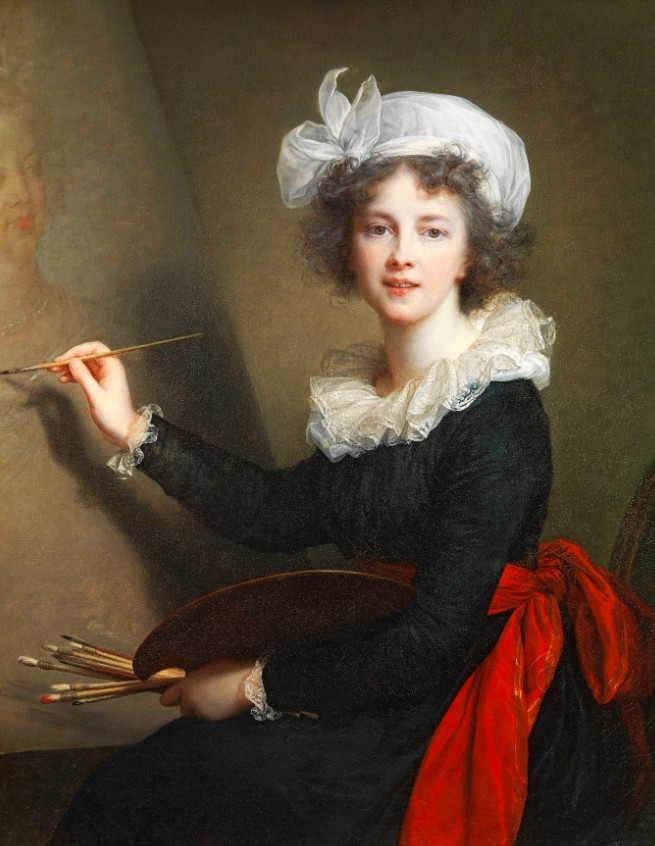
Olio su tela, 100 x 81 cm. Firenze, Gallerie degli Uffizi
Napoli e Roma, il filo rosso della mostra
Uno degli aspetti più interessanti dell’esposizione napoletana è l’attenzione riservata al rapporto delle due artiste con l’Italia.
Per entrambe, la penisola non fu soltanto una destinazione di viaggio, ma un luogo fondamentale per la formazione, la maturazione artistica e la consacrazione internazionale.
Roma, con le sue testimonianze dell’antichità, le collezioni e i circoli intellettuali, rappresentava una tappa imprescindibile per gli artisti europei. Napoli, con la corte borbonica, le raccolte archeologiche, il paesaggio del Golfo e l’intenso fermento culturale, era una delle mete più ambite del Grand Tour.
Il soggiorno italiano consentiva di confrontarsi direttamente con la grande tradizione artistica del passato, ma anche di entrare in contatto con una committenza internazionale, fatta di aristocratici, diplomatici, viaggiatori e collezionisti.
La mostra approfondisce proprio questi rapporti, soffermandosi anche sui legami con la corte borbonica e sull’ambiente culturale napoletano.
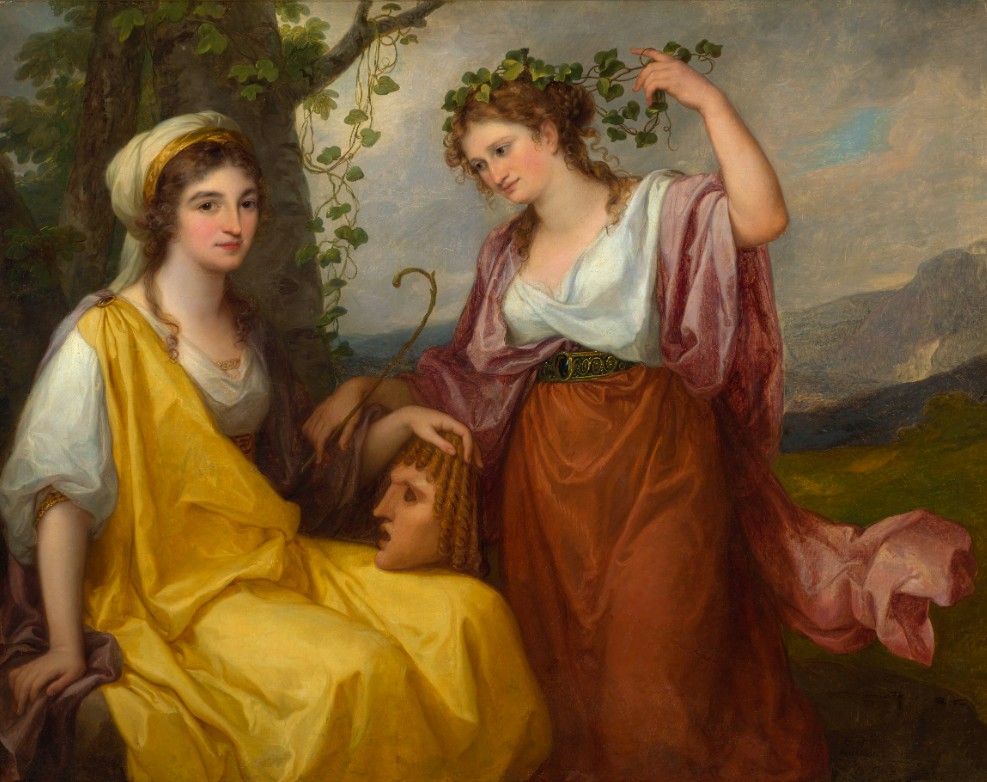
(1760-1811) e Maddalena Volpato nata Riggi (1765-
1825) come Muse della Tragedia e della Commedia,
Gli autoritratti: quando una donna decide come vuole essere ricordata
Gli autoritratti di Angelica Kauffmann ed Élisabeth Vigée Le Brun sono dichiarazioni di identità artistica.
In un’epoca nella quale l’immagine femminile era spesso costruita e raccontata attraverso lo sguardo degli uomini, queste due donne presero direttamente la parola attraverso la pittura.
Si presentarono al pubblico come artiste consapevoli, padrone del proprio mestiere e capaci di decidere quale immagine lasciare ai contemporanei e ai posteri.
Non nascosero la propria professione, non si limitarono a interpretare il ruolo sociale che veniva loro assegnato. Al contrario, fecero della propria identità di pittrici una parte essenziale della loro rappresentazione pubblica.
La conquista dell’indipendenza passa anche attraverso la possibilità di raccontare sé stesse, senza lasciare che siano gli altri a farlo.
Per il momento il sempre vostro Michelangelo Buonarroti vi saluta dandovi appuntamento ai prossimi post e sui social.

Angelica Kauffmann and Vigée Le Brun: the female painters who conquered Europe, on display in Naples
In the history of art, Angelica Kauffmann and Élisabeth Louise Vigée Le Brun changed the rules of the game. In an 18th-century world—where the realm of painting, art academies, and prestigious commissions remained predominantly male—both women succeeded in building international careers, earning recognition that very few women before them had ever achieved.
These two extraordinary figures are the focus of “Angelica and Élisabeth: The Age of Women Painters,” a major exhibition hosted at the Gallerie d’Italia in Naples, which opened on November 6, 2026, and will run until March 7, 2027.
It is an essential event for those who love 18th-century painting and for anyone interested in the stories of two women who knew how to transform their talent into a tool for personal and professional success.
Angelica Kauffmann and Élisabeth Vigée Le Brun: two women, two extraordinary careers
For the first time, this exhibition brings the lives, works, and careers of Angelica Kauffmann (1741–1807) and Élisabeth Louise Vigée Le Brun (1755–1842) into dialogue.
Born fourteen years apart, both artists belonged to a cultural era defined by profound transformations: the Enlightenment, the spread of Neoclassical ideas, and, ultimately, the great political revolutions that would reshape the face of Europe.
While they differed in their training, character, and artistic sensibilities, they shared something fundamental: a clear awareness of their own worth.
They were consummate professionals who knew how to manage their public image, secure high-profile commissions, cultivate cultural networks, and establish themselves in environments where women artists were often granted far fewer opportunities than their male counterparts.
Their fame was not a posthumous rediscovery. They were already celebrated during their lifetimes, sought after by European courts and admired by collectors and intellectuals alike.
Angelica Kauffmann: A Painter of Grace and Culture
Angelica Kauffmann was one of the most cultured and cosmopolitan figures in 18th-century European painting.
Born in Chur, Switzerland, in 1741, she was trained in an environment where artistic practice and the study of classical culture played a fundamental role. She traveled extensively, worked in various European centers, and built an international reputation through a body of work that spanned portraiture, history painting, allegories, and literary subjects.
Her painting is noted for the elegance of its composition, the delicacy of its colors, and a particular focus on the intellectual dimension of the subjects depicted.
Not content with being appreciated merely as a portraitist, she sought to engage with one of the most prestigious and challenging genres: history painting—a field traditionally reserved for men, rooted in a deep knowledge of ancient history, literature, and mythology.
A major milestone in her career occurred in London, where she became one of the founding members of the Royal Academy of Arts, established in 1768—an extraordinary achievement for a woman of her era.
Angelica demonstrated that a female painter could be far more than a talented portraitist; she could be a leading figure in European culture.
Élisabeth Vigée Le Brun: The Woman Who Won Over European Courts
While Angelica Kauffmann represents the cultured, reflective grace of Neoclassicism, Élisabeth Louise Vigée Le Brun embodies an extraordinary capacity for observation, immediacy, and psychological sensitivity.
Born in Paris in 1755, she displayed an exceptional talent for portraiture at a very early age. Her ability to capture not only the physical features but also the personality and temperament of her subjects allowed her to gain entry into the most exclusive circles of French society.
Her name is inextricably linked to that of Marie Antoinette; she painted numerous portraits of the queen, helping to shape and disseminate her public image.
In the faces, gazes, and gestures she depicted, one can discern a unique talent for conveying emotions and character traits.
The French Revolution radically altered her life. Professionally tied to the royal court, she was forced to leave France in 1789. This marked the beginning of a long period of travel and extended stays in major European cities—from Italy to Russia—during which she continued to work for aristocrats and monarchs.
Even far from Paris, her fame did not wane. On the contrary, her career demonstrated just how solid the reputation she had built over years of work truly was.
Naples and Rome: the common thread of the exhibition
One of the most compelling aspects of the exhibition in Naples is the focus on the relationship both artists had with Italy.
For both women, the Italian peninsula was more than just a travel destination; it was a crucial setting for their training, artistic maturation, and international acclaim.
Rome, with its historical legacy antiquities, collections, and intellectual circles—it represented an essential stop for European artists. Naples, with its Bourbon court, archaeological collections, the landscape of the Gulf, and its intense cultural vibrancy, was one of the most coveted destinations of the Grand Tour.
A stay in Italy offered the chance to engage directly with the great artistic tradition of the past, while also connecting with an international clientele—aristocrats, diplomats, travelers, and collectors.
The exhibition explores these very relationships, focusing in particular on ties to the Bourbon court and the cultural milieu of Naples.
Self-portraits: when a woman decides how she wishes to be remembered
The self-portraits of Angelica Kauffmann and Élisabeth Vigée Le Brun are declarations of artistic identity.
In an era when the image of women was frequently constructed and defined through the male gaze, these two women took the floor themselves—by way of their painting.
They presented themselves to the public as self-assured artists, masters of their craft, capable of deciding exactly how they would be perceived by their contemporaries and by posterity.
They did not hide their profession, nor did they merely conform to the social roles assigned to them. On the contrary, they made their identity as painters an integral part of their public persona.
Achieving independence also means having the power to tell one’s own story, rather than letting others tell it for you.
For now, yours truly, Michelangelo Buonarroti, bids you farewell—until the next post, here and on social media.

Sostienici – Support Us
Se questo blog ti piace e ti appassiona, puoi aiutarci a farlo crescere sempre più sostenendoci in modo concreto condividendo i post, seguendo le pagine social e con un contributo che ci aiuta ad andare avanti con il nostro lavoro di divulgazione. . ENGLISH: If you like and are passionate about this blog, you can help us make it grow more and more by supporting us in a concrete way by sharing posts, following social pages and with a contribution that helps us to move forward with our dissemination work.
10,00 €

Condividi:


Questo sono io





sostienici

Sostienici - Support Us
Se questo blog ti piace e ti appassiona, puoi aiutarci a farlo crescere sempre più sostenendoci in modo concreto condividendo i post, seguendo le pagine social e con un contributo che ci aiuta ad andare avanti con il nostro lavoro di divulgazione. . ENGLISH: If you like and are passionate about this blog, you can help us make it grow more and more by supporting us in a concrete way by sharing posts, following social pages and with a contribution that helps us to move forward with our dissemination work.
€10,00


