
Claude Monet, nato il 14 novembre 1840: il pittore che inventò un nuovo modo di vedere la luce
Il 14 novembre 1840 nasceva a Parigi Claude Monet, uno dei più grandi protagonisti della pittura francese e il fondatore, insieme ad altri artisti della sua generazione, dell’Impressionismo. Con i suoi paesaggi, le ninfee, i riflessi sull’acqua e le infinite variazioni della luce, Monet trasformò il modo di guardare e rappresentare la realtà.
La sua pittura non cercava di riprodurre fedelmente ogni dettaglio, ma di fermare sulla tela un’impressione, un istante, una particolare condizione della luce. Una rivoluzione che avrebbe cambiato profondamente il corso della pittura moderna.

Claude Monet: dagli esordi alla rivoluzione impressionista
Gli anni della giovinezza: da Parigi alla Normandia
Oscar-Claude Monet nasce il 14 novembre 1840 a Parigi. Sebbene venga al mondo nella capitale francese, trascorre gran parte della giovinezza a Le Havre, in Normandia, dove la famiglia si trasferisce quando lui è ancora bambino.
Fin da ragazzo dimostra una particolare inclinazione per il disegno. Inizialmente si dedica soprattutto alle caricature, che realizza e vende con una certa facilità, facendosi conoscere nell’ambiente locale.
L’incontro destinato a cambiare la sua vita è quello con il pittore Eugène Boudin, che lo incoraggia ad abbandonare progressivamente la caricatura per dedicarsi alla pittura di paesaggio.
Boudin gli insegna soprattutto a osservare la natura e a dipingere all’aperto, direttamente davanti al soggetto. È una lezione fondamentale: Monet comprende che la luce non è mai uguale a se stessa e che il paesaggio cambia continuamente sotto i suoi effetti.
Nel 1859 si trasferisce a Parigi, dove frequenta ambienti artistici e conosce altri giovani pittori. Nel 1862 entra nell’atelier di Charles Gleyre, dove stringe amicizia con Pierre-Auguste Renoir, Alfred Sisley e Frédéric Bazille.
Sono anni di formazione, sperimentazione e ricerca, durante i quali prende forma una nuova idea di pittura, sempre più lontana dalle convenzioni accademiche.
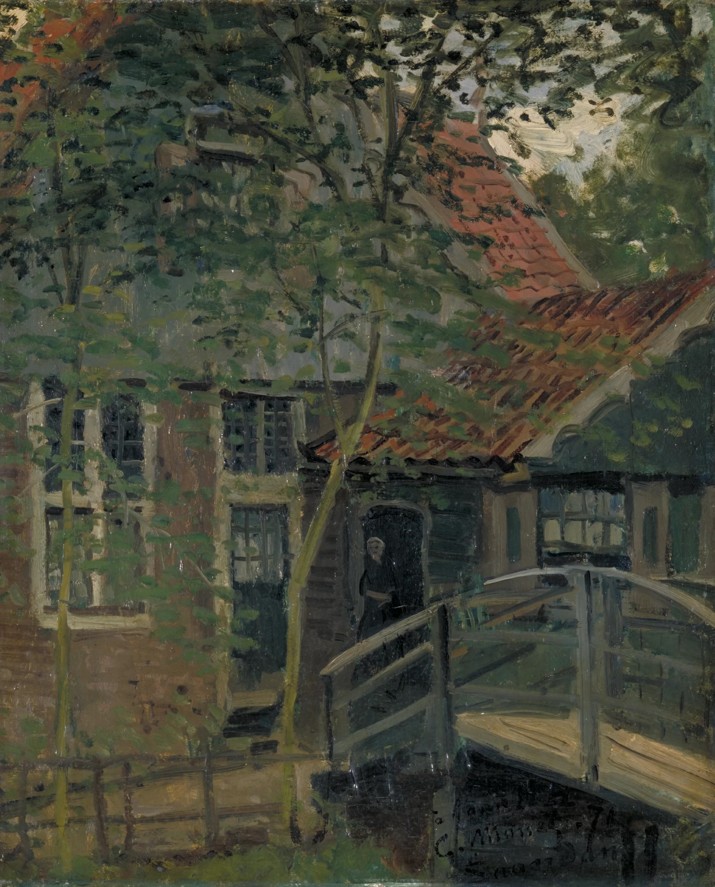
Passerella a Zaandam
1871
olio su tela
Macon, Musée des Ursulines
La nascita dell’Impressionismo: il dipinto che cambiò la storia dell’arte
Una delle opere più importanti nella storia della pittura moderna è senza dubbio Impression, soleil levant, realizzata da Monet nel 1872 e presentata al pubblico nel 1874, durante la prima esposizione indipendente degli impressionisti, organizzata a Parigi nello studio del fotografo Nadar.
Il dipinto rappresenta il porto di Le Havre avvolto nella foschia del mattino. Le imbarcazioni appaiono appena delineate, mentre il sole arancione si riflette sull’acqua creando un contrasto luminoso con le tonalità fredde del paesaggio.
Monet vuole restituire quello che il suo occhio percepisce in un determinato momento. Proprio dal titolo di questo dipinto nasce il termine Impressionismo. Il critico Louis Leroy lo utilizza inizialmente in senso ironico, prendendo spunto dalla parola impressione per deridere quella pittura che considera incompleta e approssimativa.
Quello che avrebbe dovuto essere un giudizio negativo finisce per diventare il nome di uno dei movimenti artistici più importanti dell’Ottocento.
Con Monet, Renoir, Degas, Pissarro, Sisley e gli altri protagonisti del gruppo, la pittura si apre a una nuova libertà espressiva.

La luce diventa protagonista della pittura
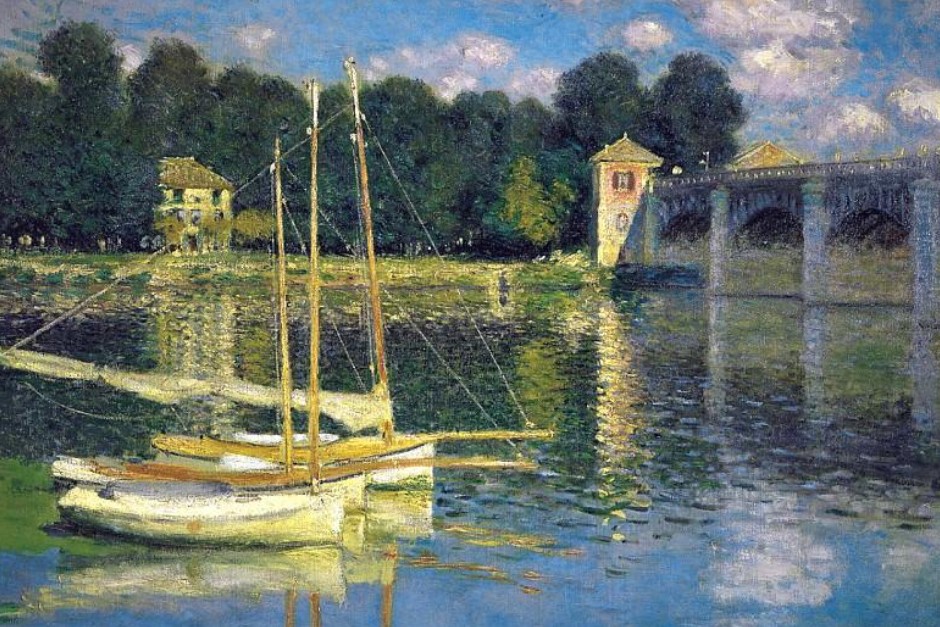
Negli anni Settanta dell’Ottocento Monet sviluppa ulteriormente la propria ricerca. Si stabilisce ad Argenteuil, sulle rive della Senna, dove trova un ambiente ideale per dipingere all’aperto.
Il fiume, le barche, i ponti, i giardini e le campagne diventano i soggetti privilegiati delle sue tele.
Tra i dipinti più celebri di questo periodo troviamo ‘I papaveri, La passeggiata. Camille Monet e il figlio Jean‘ e le numerose vedute della Senna.
Monet non è interessato soltanto a ciò che rappresenta, ma soprattutto a come la luce trasforma ciò che osserva.
Una stessa scena può apparire completamente diversa a seconda dell’ora, della stagione, delle condizioni atmosferiche e della posizione del sole. È proprio questa intuizione che lo porterà, negli anni successivi, a realizzare alcune delle serie pittoriche più straordinarie della storia dell’arte.
Giverny: il giardino che diventò un’opera d’arte
Nel 1883 Monet si trasferisce a Giverny, un piccolo villaggio della Normandia che diventerà la sua casa per il resto della vita.
Qui trova finalmente un luogo nel quale può dedicarsi completamente alla pittura e alla creazione del proprio universo artistico.
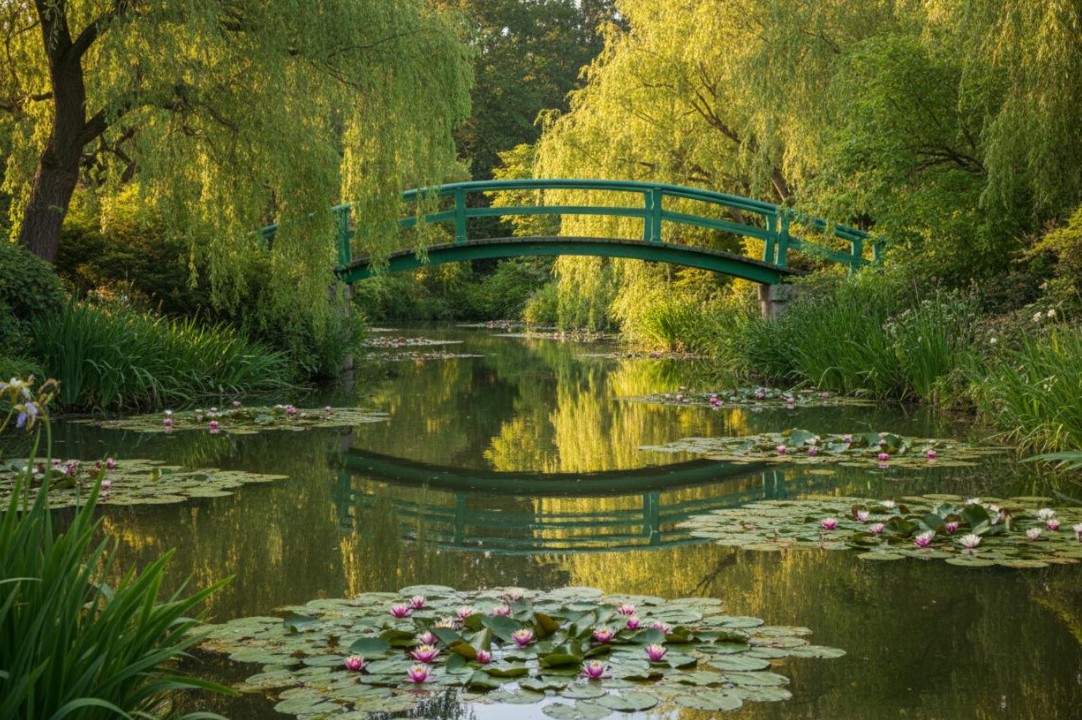
Nel 1890 acquista la casa e successivamente amplia la proprietà, trasformandola in un magnifico giardino. Fa realizzare uno stagno, introduce piante acquatiche, costruisce un ponte di ispirazione giapponese e studia attentamente la disposizione di fiori e vegetazione.
Il giardino non è soltanto uno spazio privato nel quale trascorrere il tempo libero. Diventa progressivamente il suo principale laboratorio creativo.
Le ninfee, i salici, i ponticelli e i riflessi dell’acqua offrono a Monet infinite possibilità di sperimentazione.
È qui che nascono alcune delle sue opere più conosciute, quelle che ancora oggi associamo immediatamente al suo nome.
Le grandi serie: dipingere lo stesso soggetto in modi sempre diversi
Una delle innovazioni più interessanti della ricerca di Monet è la realizzazione di cicli pittorici dedicati allo stesso soggetto.
L’artista dipinge ripetutamente un medesimo elemento, osservandolo in momenti differenti della giornata e in condizioni atmosferiche diverse.
Nascono così le celebri serie dei Covoni, dei Pioppi, della Cattedrale di Rouen e delle Ninfee.
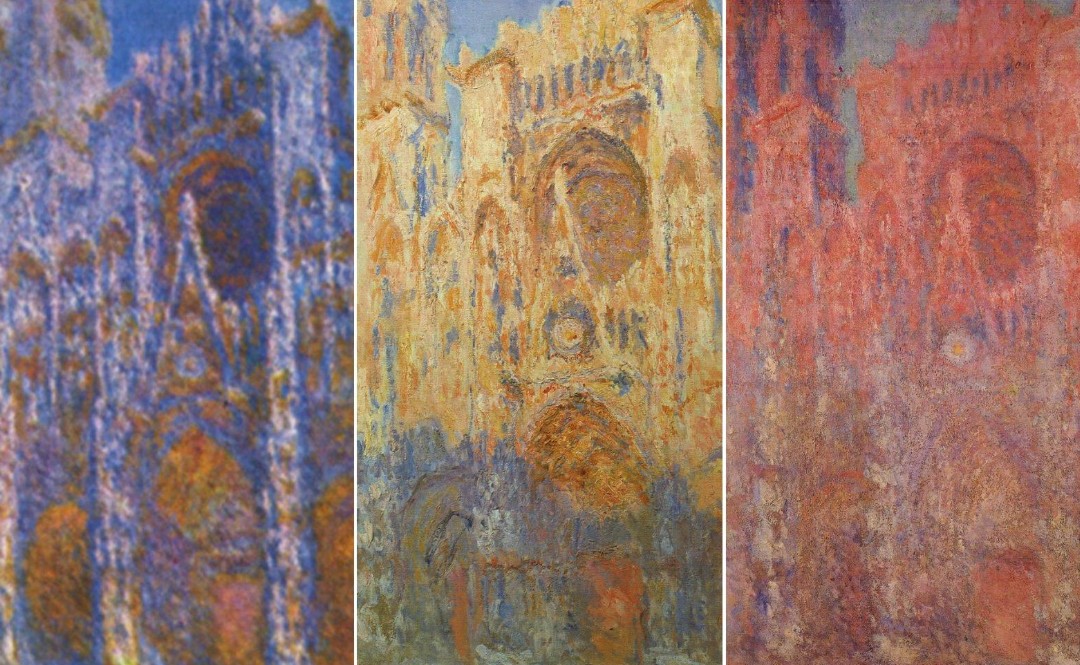
La Cattedrale di Rouen, per esempio, viene rappresentata attraverso numerose tele nelle quali la facciata gotica appare trasformata dalla luce del mattino, dal sole pomeridiano o dalla foschia.
L’edificio rimane lo stesso, ma cambia continuamente la percezione che ne abbiamo.
Con questa ricerca Monet dimostra che la realtà non è mai qualcosa di immobile e definitivo. La luce modifica ogni cosa e il pittore deve essere capace di coglierne le infinite variazioni.
Le Ninfee: il testamento artistico di Claude Monet
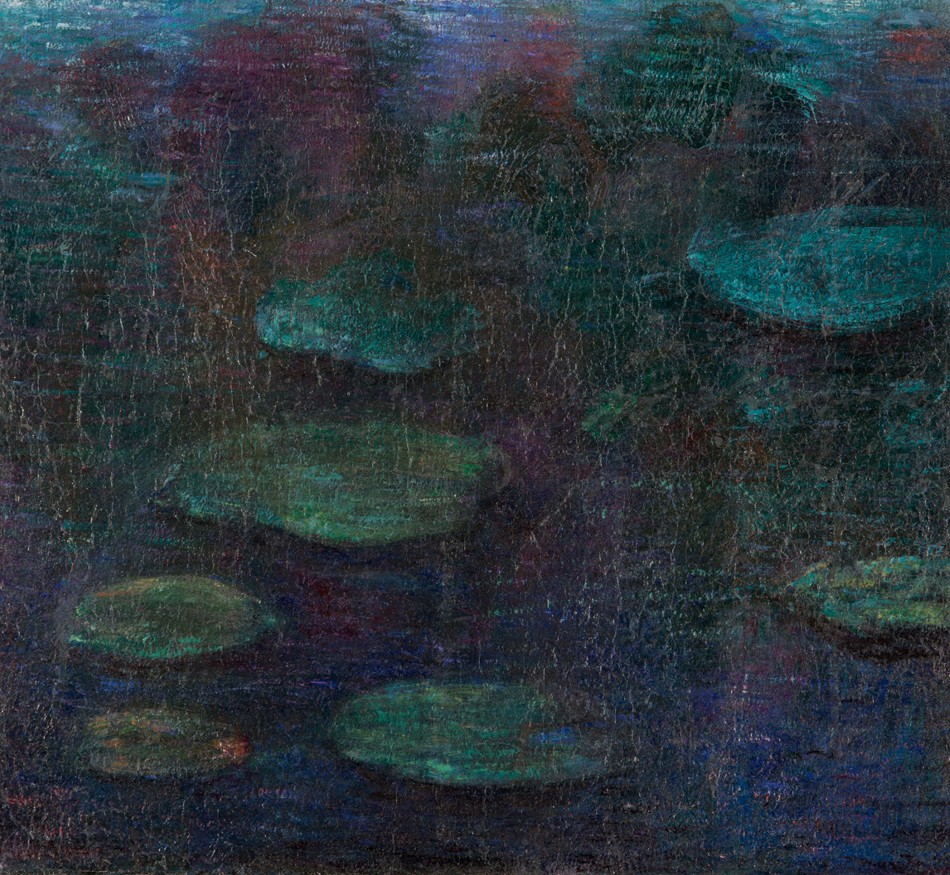
Negli ultimi decenni della sua vita Monet si dedica soprattutto alle Ninfee, un ciclo pittorico al quale lavora per molti anni, realizzando circa 250 dipinti.
Lo stagno del giardino di Giverny diventa il centro di una ricerca sempre più ambiziosa. L’acqua riflette il cielo, gli alberi e la vegetazione circostante, mentre le ninfee galleggiano sulla superficie creando composizioni di straordinaria suggestione.
In queste opere la distinzione tra cielo, acqua e terra sembra progressivamente dissolversi.
La pittura diventa sempre più libera, le pennellate si fanno ampie e il colore assume un’importanza fondamentale.
Nel 1914 Monet fa costruire un nuovo atelier per poter lavorare su tele di grandi dimensioni.
Nel 1922 dona allo Stato francese un importante insieme di pannelli decorativi dedicati alle Ninfee. Le opere saranno installate nel Musée de l’Orangerie a Parigi, nelle celebri sale ovali appositamente concepite per accoglierle, aperte al pubblico nel 1927.
La morte e l’eredità di un grande maestro
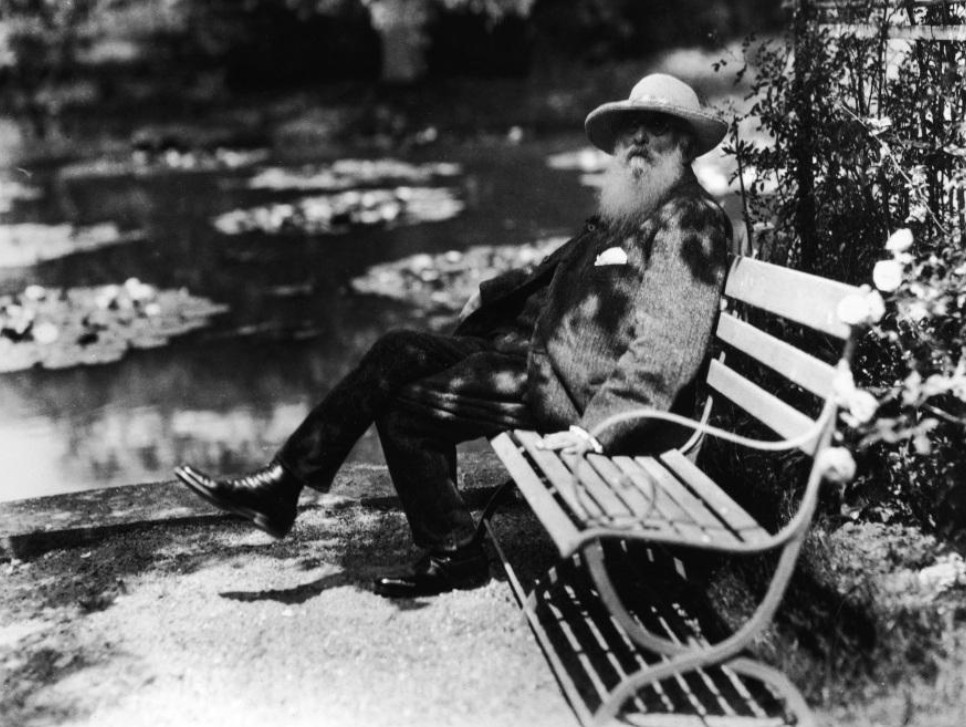
Claude Monet muore il 5 dicembre 1926 a Giverny, all’età di 86 anni. Negli ultimi anni della sua esistenza deve affrontare anche importanti problemi alla vista, legati alla cataratta, ma continua a dipingere, lavorando sulle sue amate Ninfee.
La sua scomparsa non interrompe la fortuna della sua pittura. Al contrario, la sua influenza diventa sempre più importante per le generazioni successive.
Monet apre la strada a una concezione dell’arte nella quale il colore, la luce e la percezione assumono un ruolo centrale. La sua ricerca anticipa alcune delle sperimentazioni che caratterizzeranno la pittura del Novecento.
Oggi le sue opere sono conservate nei più importanti musei del mondo e Giverny continua ad attirare visitatori desiderosi di conoscere il luogo nel quale nacquero alcuni dei suoi capolavori.
Per il momento il sempre vostro Michelangelo Buonarroti vi saluta dandovi appuntamento ai prossimi post e su social.
Claude Monet, born November 14, 1840: the painter who invented a new way of seeing light
Claude Monet was born in Paris on November 14, 1840. He became one of the greatest figures in French painting and, alongside other artists of his generation, the founder of Impressionism. Through his landscapes, water lilies, reflections on water, and the infinite variations of light, Monet transformed the way we look at and represent reality.
His approach to painting did not seek to faithfully reproduce every detail; rather, it aimed to capture an impression—a fleeting moment or a specific quality of light—on canvas. This was a revolution that would profoundly alter the course of modern painting.
Claude Monet: from his early days to the Impressionist revolution
Youthful years: from Paris to Normandy
Oscar-Claude Monet was born on November 14, 1840, in Paris. Although he entered the world in the French capital, he spent much of his youth in Le Havre, in Normandy, where his family moved when he was still a child.
From a young age, he showed a distinct aptitude for drawing. Initially, he focused primarily on caricatures, which he created and sold with relative ease, gaining a reputation within his local community.
A pivotal encounter—one that would change his life—was his meeting with the painter Eugène Boudin, who encouraged him to gradually move away from caricature and turn his attention to landscape painting.
Above all, Boudin taught him to observe nature and to paint outdoors, directly in front of his subject. This was a fundamental lesson: Monet came to understand that light is never constant and that a landscape is in a state of perpetual change under its influence.
In 1859, he moved to Paris, where he immersed himself in artistic circles and met other young painters. In 1862, he entered the studio of Charles Gleyre, where he formed friendships with Pierre-Auguste Renoir, Alfred Sisley, and Frédéric Bazille.
These were years of training, experimentation, and exploration, during which a new concept of painting—increasingly removed from academic conventions—began to take shape.
The Birth of Impressionism: The Painting That Changed Art History
One of the most significant works in the history of modern painting is undoubtedly Impression, Sunrise (Impression, soleil levant), created by Monet in 1872 and presented to the public in 1874 during the first independent Impressionist exhibition, held in Paris at the studio of the photographer Nadar.
The painting depicts the port of Le Havre shrouded in morning mist. The boats are only vaguely outlined, while the orange sun reflects off the water, creating a luminous contrast against the cool tones of the landscape.
Monet sought to capture what his eye perceived at a specific moment in time. The term “Impressionism” itself originated from the title of this painting; the critic Louis Leroy initially used the word “impression” in an ironic sense, mocking what he considered to be incomplete and sketchy painting.
What was intended as a negative critique ultimately became the name of one of the most important artistic movements of the 19th century.
With Monet, Renoir, Degas, Pissarro, Sisley, and the other key figures of the group, painting embraced a new expressive freedom.
Light Becomes the Protagonist of Painting
During the 1870s, Monet further developed his artistic exploration. He settled in Argenteuil, on the banks of the Seine, where he found an ideal environment for en plein air (outdoor) painting.
The river, boats, bridges, gardens, and the surrounding countryside became the primary subjects of his canvases. Among the most famous paintings from this period are ‘Poppies’ and ‘The Stroll: Camille Monet and Her Son Jean,’ as well as numerous views of the Seine.
Monet is not interested solely in the subject matter itself, but, above all, in how light transforms what he observes.
The very same scene can appear completely different depending on the time of day, the season, the weather conditions, and the position of the sun.
It is precisely this insight that would lead him, in later years, to create some of the most extraordinary series of paintings in the history of art.
Giverny: the garden that became a work of art
In the 1870s, Monet further developed his artistic exploration. He settled in Argenteuil, on the banks of the Seine, where he found an ideal environment for painting outdoors.
The river, boats, bridges, gardens, and the countryside became the primary subjects of his canvases.
Among the most famous paintings from this period are ‘Poppies’ and ‘The Stroll: Camille Monet and Her Son Jean,’ as well as numerous views of the Seine.
Monet is not interested solely in the subject matter itself, but, above all, in how light transforms what he observes.
The very same scene can appear completely different depending on the time of day, the season, the weather conditions, and the position of the sun.
It is precisely this insight that would lead him in the years that followed, he went on to create some of the most extraordinary series of paintings in the history of art.
The great series: painting the same subject in ever-changing ways
One of the most compelling innovations in Monet’s artistic exploration was the creation of painting cycles centered on a single subject.
The artist would paint the same element repeatedly, observing it at different times of the day and under varying atmospheric conditions.
This gave rise to his celebrated series: the Haystacks, the Poplars, the Rouen Cathedral, and the Water Lilies.
Rouen Cathedral, for instance, is depicted across numerous canvases in which the Gothic façade appears transformed by morning light, the afternoon sun, or mist.
The building itself remains the same, yet our perception of it is constantly shifting.
Through this exploration, Monet demonstrates that reality is never something static or definitive. Light alters everything, and a painter must be capable of capturing its infinite variations.
The Water Lilies: Claude Monet’s Artistic Testament
During the final decades of his life, Monet devoted himself primarily to the Water Lilies—a series he worked on for many years, ultimately producing around 250 paintings.
The pond in his garden at Giverny became the focal point of an increasingly ambitious artistic exploration. The water reflected the sky, the trees, and the surrounding vegetation, while the water lilies floated upon the surface, creating compositions of extraordinary evocative power.
In these works, the distinction between sky, water, and land seems to gradually dissolve.
His painting style became increasingly free; the brushstrokes grew broader, and color took on a fundamental importance.
In 1914, Monet had a new studio built to accommodate large-scale canvases.
In 1922, he gifted a significant collection of decorative panels—all centered on the Water Lilies—to the French state. These works were installed in the Musée de l’Orangerie in Paris, within iconic oval rooms designed specifically to house them; the space opened to the public in 1927.
The Death and Legacy of a Great Master
Claude Monet passed away on December 5, 1926, in Giverny, at the age of 86. In his final years, he struggled with serious vision problems caused by cataracts, yet he continued to paint, remaining dedicated to his beloved Water Lilies.
His passing did not diminish the standing of his work; on the contrary, his influence grew ever more significant for subsequent generations.
Monet paved the way for a conception of art in which color, light, and perception take center stage. His artistic inquiry anticipated many of the experimental approaches that would come to define the painting of the 20th century. Today, his works are housed in the world’s most important museums, and Giverny continues to attract visitors eager to discover the place where some of his masterpieces were created.
For now, yours truly, Michelangelo Buonarroti, bids you farewell—until the next posts and over on social media!

Sostienici – Support Us
Se questo blog ti piace e ti appassiona, puoi aiutarci a farlo crescere sempre più sostenendoci in modo concreto condividendo i post, seguendo le pagine social e con un contributo che ci aiuta ad andare avanti con il nostro lavoro di divulgazione. . ENGLISH: If you like and are passionate about this blog, you can help us make it grow more and more by supporting us in a concrete way by sharing posts, following social pages and with a contribution that helps us to move forward with our dissemination work.
10,00 €

Condividi:


Questo sono io





sostienici

Sostienici - Support Us
Se questo blog ti piace e ti appassiona, puoi aiutarci a farlo crescere sempre più sostenendoci in modo concreto condividendo i post, seguendo le pagine social e con un contributo che ci aiuta ad andare avanti con il nostro lavoro di divulgazione. . ENGLISH: If you like and are passionate about this blog, you can help us make it grow more and more by supporting us in a concrete way by sharing posts, following social pages and with a contribution that helps us to move forward with our dissemination work.
€10,00


