

Il piccolo Crocifisso a sanguigna e la Sagrestia Nuova
Quello che vi propongo oggi è un piccolo disegno di un Crocifisso che realizzai fra il 1534 e il 1541, appartenente alle collezioni del British Museum.
Si tratta di un frammento ritagliato evidentemente da un foglio più grande. Wilde riteneva potesse essere collegabile al più grande disegno della Crocifissione che ideai per la mia carissima Vittoria Colonna mentre Hartt notò che il Cristo ha le braccia insolitamente tese.
Su disegno non si notano ombreggiature ma solo il tratto netto della sanguigna. Pochi sono i pentimenti se non nei contorni del capo di Cristo e della croce, quest’ultima marcata con una linea molto più sottile rispetto al corpo di Nostro Signore.
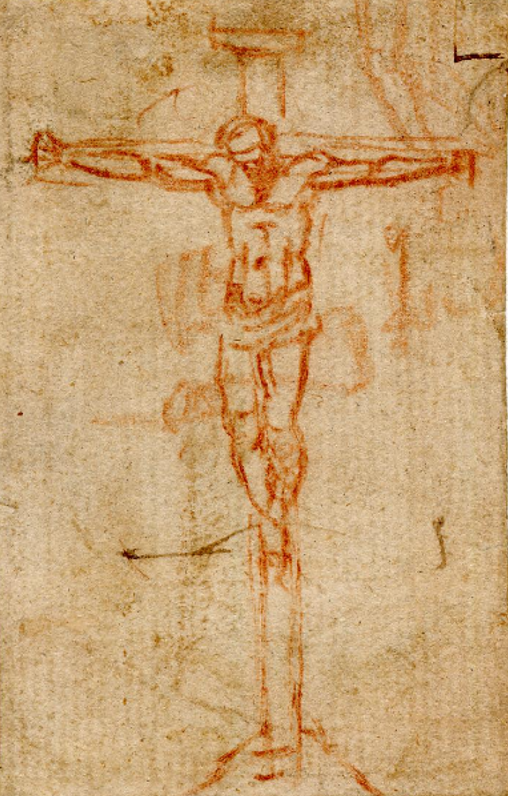
A differenza del Cristo vivo pensato per la Colonna, in questo disegno preferii raffigurarlo morto, con il capo reclinato e l’iscrizione ben evidente sulla croce.
Nel periodo in cui disegnai questo piccolo Crocifisso, stavo pensando di scolpire nel marmo un gruppo di una Crocifissione tanto che custodito a Casa Bunoarroti esiste un foglio sul quale già avevo tracciato le dimensioni dei blocchi da far estrarre in cava.
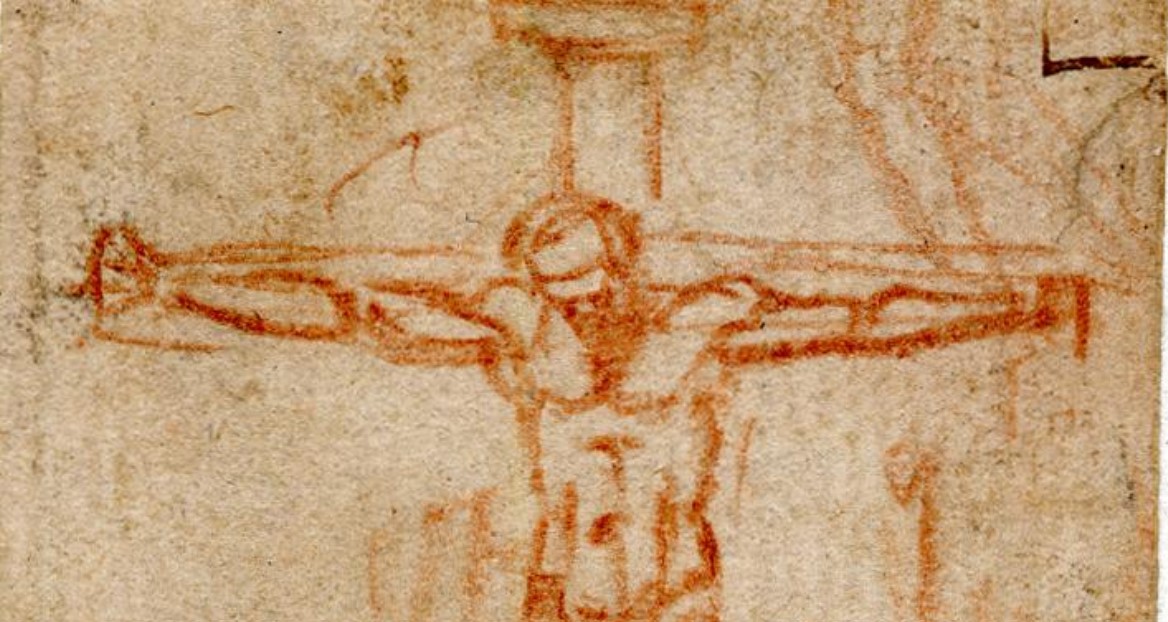
Lo stile di questo disegno è riconducibile e l’utilizzo della sanguigna sono carattistiche tipiche del periodo in cui ero impegnato con il progetto della Sagrestia Nuova.
Come sostenne Tolnay, non è improbabile che questo schizzo potesse essere collegato direttamente agli arredi di quell’ambiente già che il triangolo posto ai piedi della croce suggerisce la presenza di un supporto del Crocefisso scolpito nel marmo, da posizionare sopra l’altare.
Per il momento il sempre vostro Michelangelo Buonarroti vi saluta dandovi appuntamento ai prossimi post e sui social.


Sostienici – Support Us
Se questo blog ti piace e ti appassiona, puoi aiutarci a farlo crescere sempre più sostenendoci in modo concreto condividendo i post, seguendo le pagine social e con un contributo che ci aiuta ad andare avanti con il nostro lavoro di divulgazione. . ENGLISH: If you like and are passionate about this blog, you can help us make it grow more and more by supporting us in a concrete way by sharing posts, following social pages and with a contribution that helps us to move forward with our dissemination work.
8,00 €
The small sanguine Crucifix and its relevance to the New Sacristy
What I propose to you today is a small drawing of a Crucifix that I made between 1534 and 1541, belonging to the collections of the British Museum.
It is a fragment evidently cut from a larger sheet. Wilde believed it could be linked to the larger drawing of the Crucifixion that I created for my dearest Vittoria Colonna while Hartt noted that Christ has unusually outstretched arms.
On the drawing there are no shadings but only the clear line of the sanguine. There are few repentances except in the contours of the head of Christ and the cross, the latter marked with a much thinner line than the body of Our Lord.
Unlike the living Christ designed for the Column, in this drawing I preferred to depict him dead, with his head bowed and the inscription clearly visible on the cross.
In the period in which I designed this small Crucifix, I was thinking of sculpting a group of a Crucifixion in marble, so much so that kept in Casa Buoarroti there is a sheet on which I had already traced the dimensions of the blocks to be extracted from the quarry.
The style of this drawing can be traced back and the use of sanguine are typical characteristics of the period in which I was involved with the project of the New Sacristy. As Tolnay claimed, it is not unlikely that this sketch could be directly connected to the furnishings of that room since the triangle placed at the foot of the cross suggests the presence of a support for the Crucifix carved in marble, to be positioned above the altar.
For the moment, your always Michelangelo Buonarroti greets you and will meet you in the next posts and on social media.
Sostienici – Support Us
Se questo blog ti piace e ti appassiona, puoi aiutarci a farlo crescere sempre più sostenendoci in modo concreto condividendo i post, seguendo le pagine social e con un contributo che ci aiuta ad andare avanti con il nostro lavoro di divulgazione. . ENGLISH: If you like and are passionate about this blog, you can help us make it grow more and more by supporting us in a concrete way by sharing posts, following social pages and with a contribution that helps us to move forward with our dissemination work.
8,00 €
-
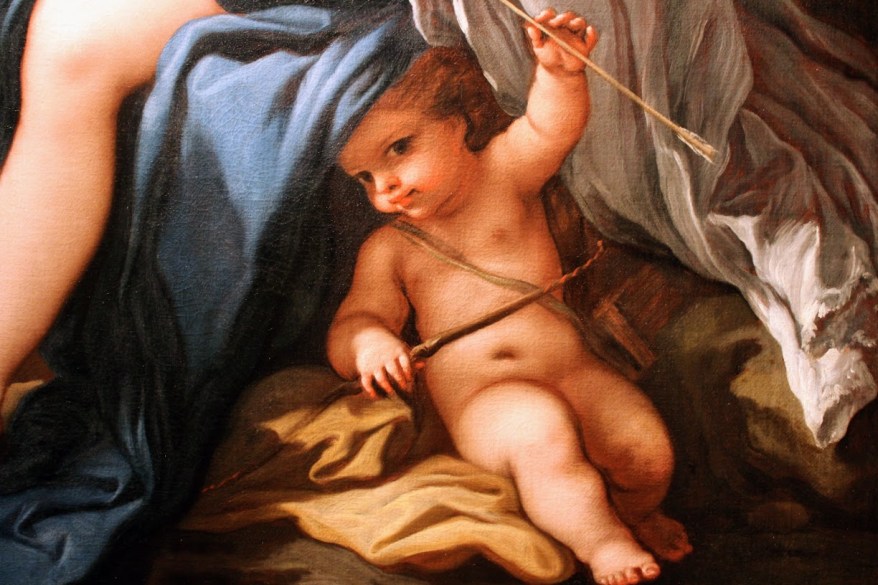
18 ottobre 1634: nasce Luca Giordano, il pittore che dipingeva così in fretta da essere chiamato «Luca fa’ presto»
🇮🇹Luca Giordano nacque a Napoli il 18 ottobre 1634. Scopri perché era chiamato «Luca fa’ presto» e i suoi capolavori, dalla Galleria degli Specchi alla corte di Spagna… 🇬🇧Luca Giordano was born in Naples on October 18, 1634. Discover why he was nicknamed “Luca fa’ presto” (“Luca, hurry up!”) and explore his masterpieces—from the Hall…
-
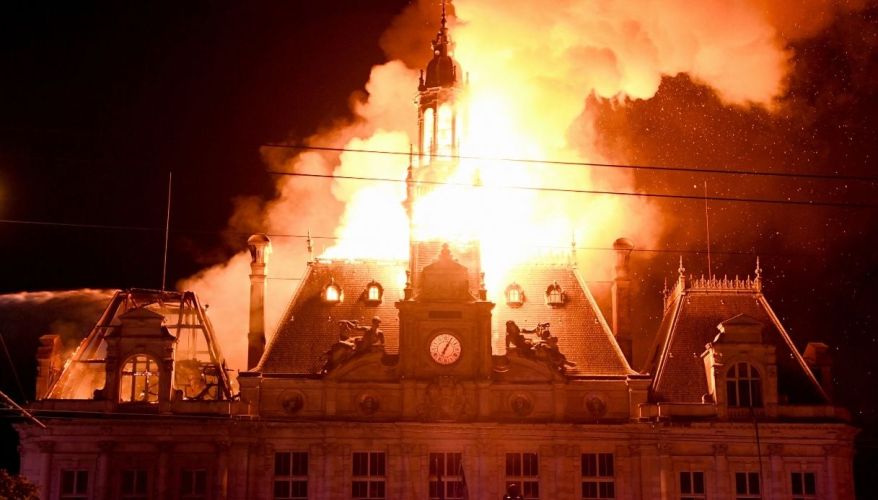
Incendio al municipio di Limoges, crolla la torre dell’orologio: distrutto storico palazzo dell’Ottocento
🇮🇹Incendio a Limoges, il municipio storico è devastato: crollano il tetto e la torre dell’orologio alta 43 metri. Che cosa resta del patrimonio artistico? 🇬🇧Fire in Limoges: the historic town hall is devastated, with its roof and 43-meter-tall clock tower having collapsed. What remains of its artistic heritage?
-
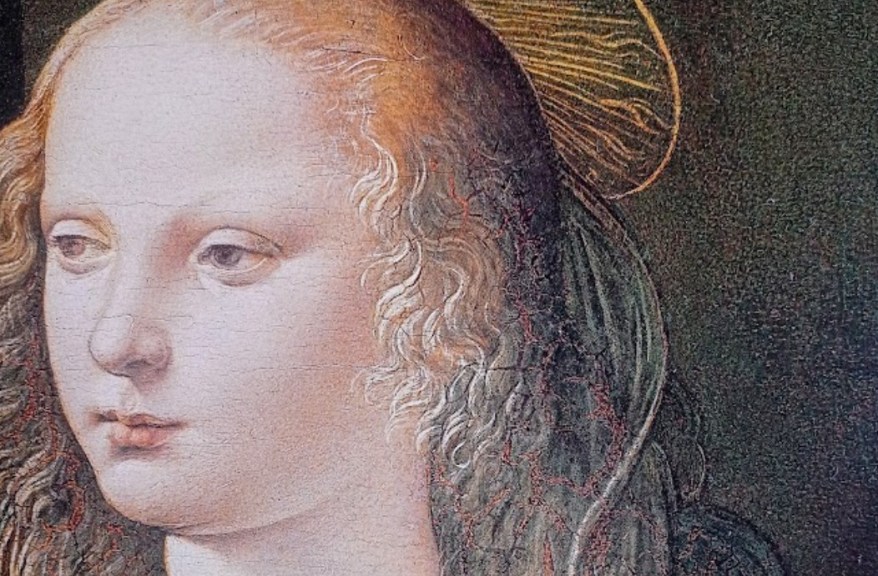
Prima di Gesù Bambino viene l’Annunciazione: i dipinti che raccontano l’inizio della storia di Natale
🇮🇹Prima di Gesù Bambino c’è l’Annunciazione: scopri i dipinti più celebri di Leonardo, Beato Angelico e Simone Martini e i simboli nascosti nell’arte cristiana… 🇬🇧Before the Christ Child comes the Annunciation: discover the most famous paintings by Leonardo, Fra Angelico, and Simone Martini, and the symbols hidden within Christian art…
Condividi:


Questo sono io




sostienici

Sostienici - Support Us
Se questo blog ti piace e ti appassiona, puoi aiutarci a farlo crescere sempre più sostenendoci in modo concreto condividendo i post, seguendo le pagine social e con un contributo che ci aiuta ad andare avanti con il nostro lavoro di divulgazione. . ENGLISH: If you like and are passionate about this blog, you can help us make it grow more and more by supporting us in a concrete way by sharing posts, following social pages and with a contribution that helps us to move forward with our dissemination work.
€10,00


