

Pissarro saccheggiato dai nazisti, Sotheby’s nei guai: vendita annullata e restituzione agli eredi
Un dipinto di Camille Pissarro, venduto a Londra nel 2024 per 1,2 milioni di sterline, dovrà essere restituito ai discendenti del banchiere ebreo Salomon Flavian. La casa d’aste dovrà anche identificare l’acquirente anonimo, pena una multa di 1.000 euro al giorno.
Una vendita da 1,2 milioni di sterline, una collezione d’arte dispersa durante l’occupazione nazista di Parigi e una battaglia giudiziaria che riporta al centro una delle questioni più delicate del mercato internazionale dell’arte: la restituzione delle opere sottratte alle famiglie ebree durante l’Olocausto.
Un tribunale francese ha annullato la vendita di un dipinto di Camille Pissarro effettuata da Sotheby’s a Londra nel 2024 e ha ordinato che l’opera venga restituita agli eredi di Salomon Flavian, un banchiere ebreo di origine rumena la cui collezione fu saccheggiata durante la Seconda guerra mondiale.
La decisione, pronunciata mercoledì 4 novembre, rappresenta un passaggio importante nella vicenda e impone alla celebre casa d’aste di identificare l’acquirente del dipinto. Se non lo farà entro due mesi, potrà essere sottoposta a una penalità di 1.000 euro per ogni giorno di ritardo.
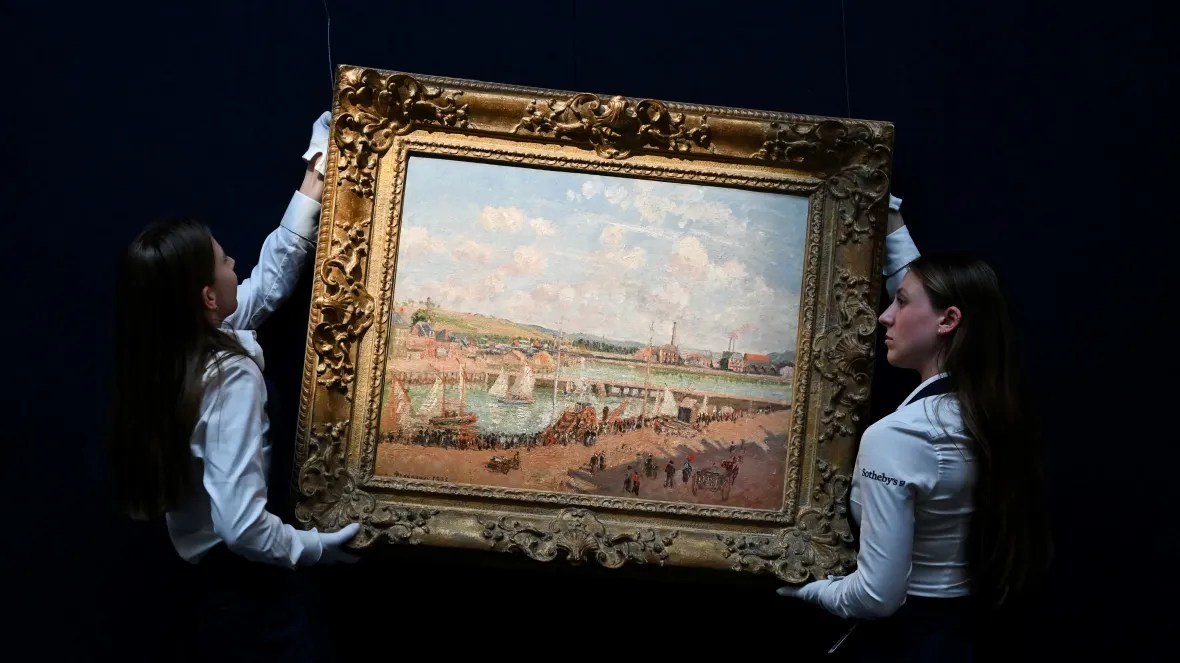
Il Pissarro venduto per 1,2 milioni di sterline da Sotheby’s
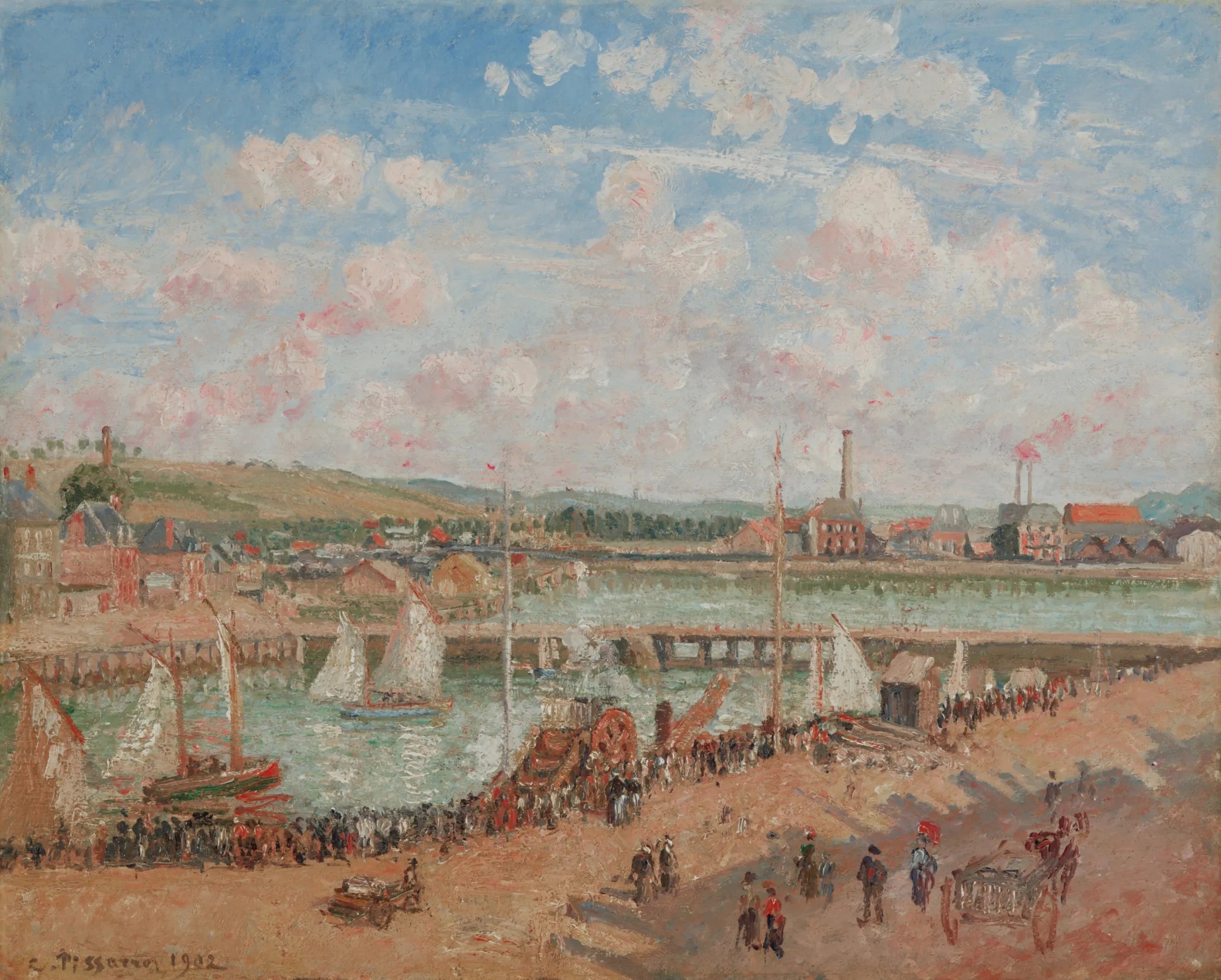
Al centro della controversia c’è un paesaggio dipinto nel 1902 da Camille Pissarro, intitolato Darse de pêche et bassin Duquesne, Dieppe, après-midi ensoleillé.
L’opera raffigura uno scorcio di Dieppe e apparteneva un tempo alla collezione di Salomon Flavian. Il banchiere aveva raccolto nel corso degli anni dipinti impressionisti e opere del Settecento, una raccolta che sarebbe stata dispersa con la violenza delle persecuzioni naziste.
Nel 1941, durante l’occupazione tedesca della Francia, le opere custodite nelle cassette di sicurezza di Flavian presso la Westminster Foreign Bank di Parigi furono sequestrate.
Il dipinto di Pissarro compariva anche in un registro francese dei beni saccheggiati pubblicato nel 1947.
Decenni dopo, nel 2024, Sotheby’s lo mise all’asta a Londra, vendendolo per 1,2 milioni di sterline. Nel catalogo della vendita veniva precisato che la transazione avveniva sulla base di un accordo tra l’attuale proprietario e gli eredi di Salomon Flavian.
La validità di quell’accordo ha dato origine alla controversia giudiziaria.
Perché sette eredi hanno contestato la vendita
A rivolgersi al tribunale sono stati sette discendenti di Salomon Flavian, che hanno contestato l’intesa utilizzata per autorizzare la vendita del dipinto.
L’accordo era stato raggiunto con Mondex Corporation, società canadese con sede a Toronto specializzata nel recupero delle opere d’arte saccheggiate dai nazisti.
Secondo i ricorrenti, tuttavia, l’intesa non poteva essere considerata valida perché era stata sottoscritta soltanto da due eredi, titolari di una quota minoritaria del patrimonio familiare.
Il tribunale francese ha accolto questa contestazione, dichiarando nullo l’accordo e annullando tutte le vendite del dipinto successive al saccheggio.
La sentenza dispone che l’opera venga restituita ai discendenti di Flavian, indipendentemente da dove si trovi e da chi ne sia attualmente in possesso.
Sotheby’s e Mondex sono state inoltre condannate congiuntamente a versare agli eredi 20.000 euro per le spese legali.
La controversia sulla provenienza dell’opera
La vicenda, però, non è priva di contestazioni.
James Palmer, fondatore di Mondex, ha sostenuto che il dipinto non sarebbe stato effettivamente sottratto dai nazisti. A sostegno della propria ricostruzione ha richiamato la presunta proprietà dell’opera da parte di Edward Le Bas, collezionista londinese, tra il 1939 e i primi anni Cinquanta.
Palmer ha fatto riferimento anche a un catalogo delle opere di Pissarro compilato nel 1939 dal mercante d’arte parigino Paul Rosenberg, nel quale il dipinto risultava associato proprio a Le Bas.
Una ricostruzione contestata dall’avvocata Corinne Hershkovitch, che rappresenta i sette discendenti di Flavian. Secondo la legale, gli appunti e le registrazioni di Rosenberg del dopoguerra non sarebbero sufficientemente accurati e potrebbero aver portato a confondere il dipinto con un’altra opera di Pissarro appartenuta a Le Bas.
Mondex ha annunciato l’intenzione di presentare ricorso contro la decisione. La sentenza, tuttavia, resta immediatamente esecutiva anche in presenza di un eventuale appello.
Sotheby’s dovrà rivelare chi ha acquistato il Pissarro
Per Sotheby’s la questione non si esaurisce con l’annullamento della vendita. Il tribunale ha infatti imposto alla casa d’aste di identificare l’acquirente rimasto anonimo, concedendole due mesi di tempo. In caso contrario scatterà una penalità di 1.000 euro al giorno.
La società ha dichiarato di rispettare la decisione relativa alla restituzione dell’opera, pur manifestando delusione per alcuni aspetti della sentenza.
In una dichiarazione ha inoltre ricordato la complessità della storia del dipinto e riconosciuto le profonde perdite subite dalla famiglia Flavian durante l’epoca nazista, sostenendo di aver affrontato la questione con responsabilità e attenzione.
Sotheby’s ha anche sottolineato che il tribunale ha respinto tutte le accuse mosse direttamente contro la casa d’aste.
Resta da capire se l’opera si trovi ancora nel Regno Unito oppure sia stata trasferita altrove. Nel secondo caso, gli eredi potrebbero dover chiedere il riconoscimento e l’esecuzione della sentenza francese nella giurisdizione in cui si trova attualmente il dipinto.
Secondo l’avvocata Hershkovitch, ottenere il riconoscimento della decisione in Inghilterra dovrebbe essere una procedura relativamente semplice.
La legale ha inoltre sottolineato che questa vicenda potrebbe avere conseguenze importanti sul modo in cui le grandi case d’asta affrontano la provenienza delle opere d’arte e le richieste di restituzione legate alle persecuzioni naziste.
Dietro una vendita milionaria c’è la storia di una famiglia privata dei propri beni, una collezione dispersa dalla violenza della guerra e una questione di giustizia che, a distanza di oltre ottant’anni, continua a chiedere risposte.
Per il momento il sempre vostro Michelangelo Buonarroti vi saluta dandovi appuntamento ai prossimi post e sui social.

Pissarro looted by the Nazis; Sotheby’s in trouble: sale annulled and work to be returned to heirs
A painting by Camille Pissarro, sold in London in 2024 for £1.2 million, must be returned to the descendants of the Jewish banker Salomon Flavian. The auction house is also required to identify the anonymous buyer, under penalty of a €1,000-per-day fine.
A £1.2 million sale, an art collection dispersed during the Nazi occupation of Paris, and a legal battle that brings one of the most sensitive issues in the international art market back to the forefront: the restitution of works seized from Jewish families during the Holocaust.
A French court has annulled the sale of a Camille Pissarro painting—conducted by Sotheby’s in London in 2024—and ordered that the work be returned to the heirs of Salomon Flavian, a Jewish banker of Romanian origin whose collection was looted during the Second World War.
The ruling, handed down on Wednesday, November 4, marks a significant development in the case and mandates that the renowned auction house identify the painting’s buyer. Failure to do so within two months will result in a penalty of €1,000 for every day of delay.
The Pissarro painting sold by Sotheby’s for £1.2 million
At the heart of the dispute is a landscape painted in 1902 by Camille Pissarro, titled Darse de pêche et bassin Duquesne, Dieppe, après-midi ensoleillé.
The work depicts a scene in Dieppe and was once part of the collection of Salomon Flavian. Over the years, the banker had amassed a collection of Impressionist paintings and 18th-century artworks—a collection that would later be scattered due to the brutality of Nazi persecution.
In 1941, during the German occupation of France, the artworks kept in Flavian’s safe-deposit boxes at the Westminster Foreign Bank in Paris were seized.
The Pissarro painting also appeared in a French registry of looted property, published in 1947.
Decades later, in 2024, Sotheby’s auctioned the piece in London, selling it for £1.2 million. The sale catalog noted that the transaction was based on an agreement between the current owner and the heirs of Salomon Flavian.
The validity of that agreement became the subject of a legal dispute.
Why seven heirs challenged the sale
Seven descendants of Salomon Flavian took the matter to court, challenging the agreement that had authorized the sale of the painting.
The agreement had been reached with the Mondex Corporation, a Toronto-based Canadian firm specializing in the recovery of artworks looted by the Nazis.
According to the plaintiffs, however, the agreement could not be considered valid because it had been signed by only two heirs, who held a minority share of the family estate.
The French court upheld this challenge, declaring the agreement void and annulling all sales of the painting that had taken place since the initial looting.
The ruling mandates that the artwork be returned to Flavian’s descendants, regardless of its current location or who may currently be in possession of it.
Furthermore, Sotheby’s and Mondex were jointly ordered to pay the heirs €20,000 to cover legal costs. The controversy over the work’s provenance
The case, however, is not without dispute.
James Palmer, founder of Mondex, has argued that the painting was not, in fact, seized by the Nazis. To support his account, he pointed to the alleged ownership of the work by Edward Le Bas, a London-based collector, between 1939 and the early 1950s.
Palmer also referred to a catalogue of Pissarro’s works compiled in 1939 by the Parisian art dealer Paul Rosenberg, in which the painting was linked to Le Bas.
This account is contested by lawyer Corinne Hershkovitch, who represents the seven descendants of Flavian. According to her, Rosenberg’s post-war notes and records are not sufficiently accurate and may have led to the painting being confused with another work by Pissarro that had belonged to Le Bas.
Mondex has announced its intention to appeal the decision. The ruling, however, remains immediately enforceable, regardless of any potential appeal.
Sotheby’s must reveal who purchased the Pissarro
For Sotheby’s, the matter does not end with the annulment of the sale. The court has ordered the auction house to identify the anonymous buyer, granting it a two-month deadline. Failure to do so will result in a penalty of 1,000 euros per day.
The company stated that it respects the decision regarding the restitution of the work, while expressing disappointment with certain aspects of the ruling.
In a statement, it also noted the complexity of the painting’s history and acknowledged the profound losses suffered by the Flavian family during the Nazi era, maintaining that they had addressed the matter with responsibility and care.
Sotheby’s also pointed out that the court dismissed all allegations brought directly against the auction house.
It remains unclear whether the work is still in the United Kingdom or if it has been moved elsewhere. In the latter case, the heirs might need to seek recognition and enforcement of the French judgment in the jurisdiction where the painting is currently located.
According to lawyer Hershkovitch, obtaining recognition of the decision in England should be a relatively straightforward procedure.
The attorney further noted that this case could have significant implications for how major auction houses handle the provenance of artworks and restitution claims linked to Nazi-era persecution.
Behind a multi-million-pound sale lies the story of a family stripped of their possessions, a collection scattered by the violence of war, and a quest for justice that—more than eighty years later—continues to demand answers.
For now, yours truly, Michelangelo Buonarroti, bids you farewell—until the next post, and see you on social media.

Sostienici – Support Us
Se questo blog ti piace e ti appassiona, puoi aiutarci a farlo crescere sempre più sostenendoci in modo concreto condividendo i post, seguendo le pagine social e con un contributo che ci aiuta ad andare avanti con il nostro lavoro di divulgazione. . ENGLISH: If you like and are passionate about this blog, you can help us make it grow more and more by supporting us in a concrete way by sharing posts, following social pages and with a contribution that helps us to move forward with our dissemination work.
10,00 €
Articoli
Condividi:


Questo sono io





sostienici

Sostienici – Support Us
Se questo blog ti piace e ti appassiona, puoi aiutarci a farlo crescere sempre più sostenendoci in modo concreto condividendo i post, seguendo le pagine social e con un contributo che ci aiuta ad andare avanti con il nostro lavoro di divulgazione. . ENGLISH: If you like and are passionate about this blog, you can help us make it grow more and more by supporting us in a concrete way by sharing posts, following social pages and with a contribution that helps us to move forward with our dissemination work.
€10,00


