
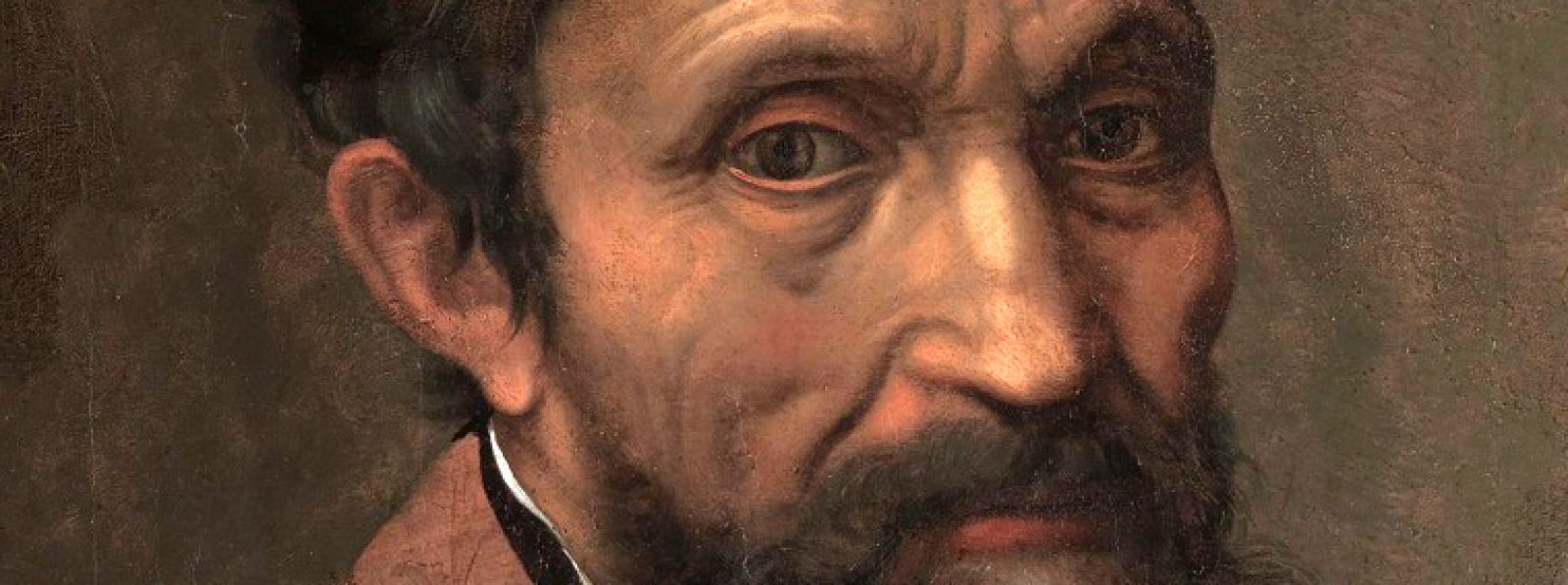
29 giugno: da Caravaggio a Guido Reni, le opere più belle dedicate a San Pietro e San Paolo
Il 29 giugno Roma si veste a festa. È il giorno dedicato ai Santi Pietro e Paolo, patroni della Città Eterna, celebrati con solenni liturgie, la tradizionale Infiorata, la suggestiva Girandola di Castel Sant’Angelo e migliaia di pellegrini provenienti da tutto il mondo.
Ma oltre alla fede, Pietro e Paolo hanno lasciato un’impronta profondissima anche nella storia dell’arte. Per oltre quindici secoli pittori, scultori e mosaicisti hanno raccontato la loro vita, il loro martirio e la loro straordinaria testimonianza attraverso alcune delle opere più emozionanti mai realizzate.
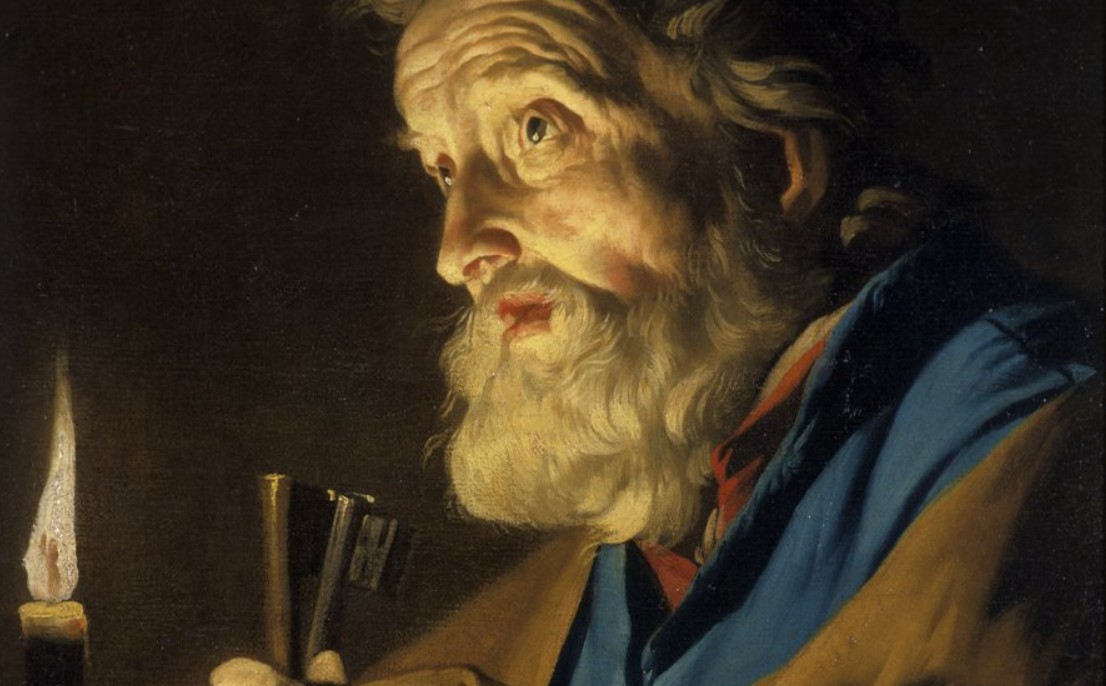
San Pietro, il pescatore scelto da Cristo
Prima di diventare il primo Papa, San Pietro si chiamava Simone ed era un semplice pescatore. Fu Gesù a ribattezzarlo “Pietro”, la pietra sulla quale avrebbe edificato la Chiesa.
Il Nuovo Testamento ce lo presenta come un uomo profondamente umano: impulsivo, fragile, persino capace di rinnegare Cristo tre volte, ma anche pronto a pentirsi e a consacrare tutta la propria vita alla diffusione del Vangelo.
Secondo la tradizione morì martire a Roma, intorno al 64-67 d.C., crocifisso a testa in giù per sua stessa volontà, ritenendosi indegno di morire come Gesù.
È patrono non soltanto di Roma, ma anche di pescatori, fornai, fabbri, macellai, calzolai e costruttori di ponti.
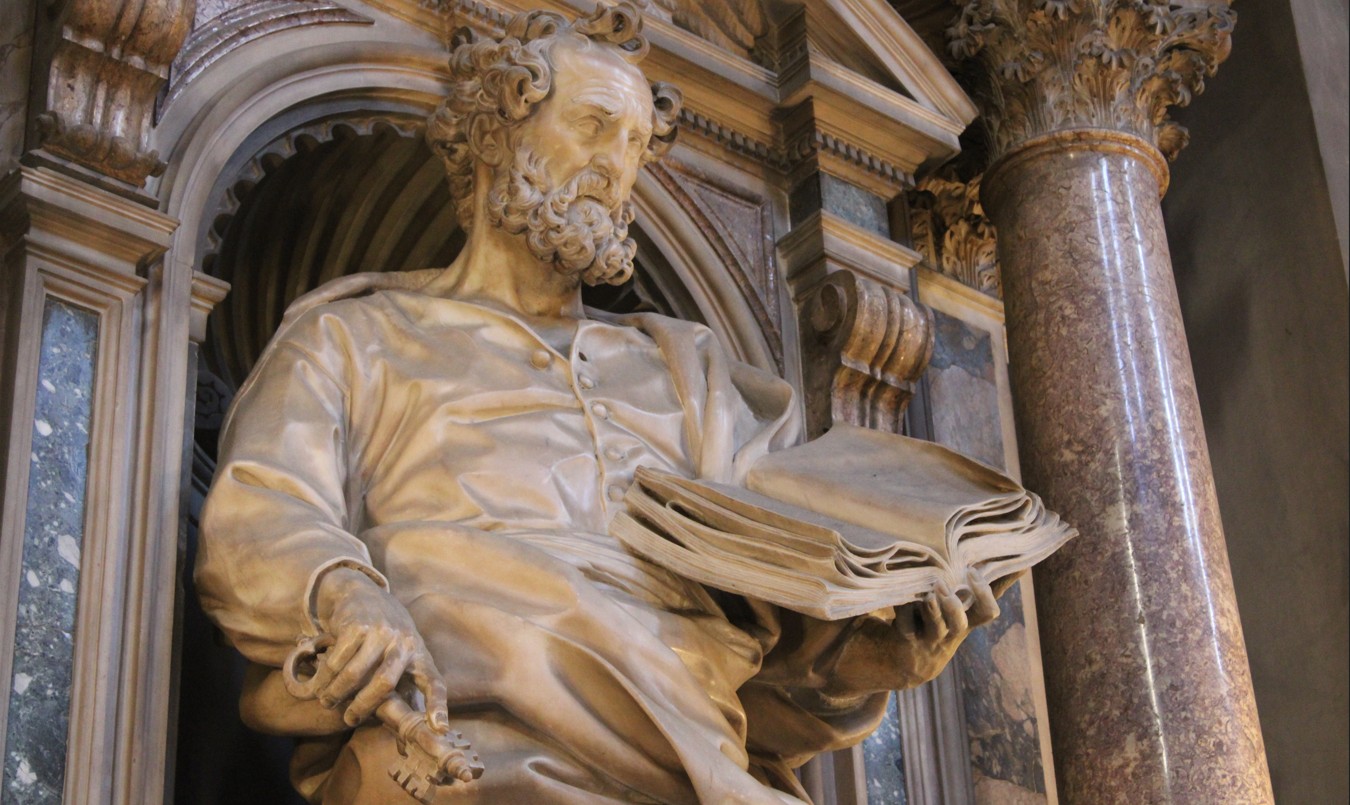
San Paolo, da persecutore dei cristiani ad Apostolo delle genti
La storia di San Paolo è una delle conversioni più celebri della storia.
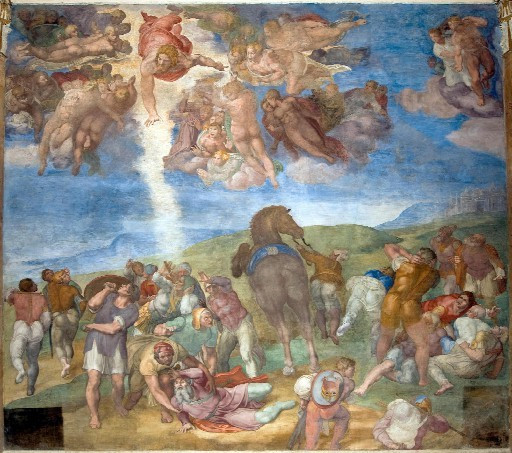
Nato con il nome di Saulo, perseguitava duramente i cristiani finché, durante il viaggio verso Damasco, fu folgorato dalla visione di Cristo risorto. Da quel momento la sua vita cambiò completamente.
Divenne il più instancabile evangelizzatore del Cristianesimo nascente, autore di numerose Lettere del Nuovo Testamento e protagonista di lunghi viaggi missionari nel Mediterraneo.
Anche lui trovò il martirio a Roma, dove venne decapitato perché cittadino romano.
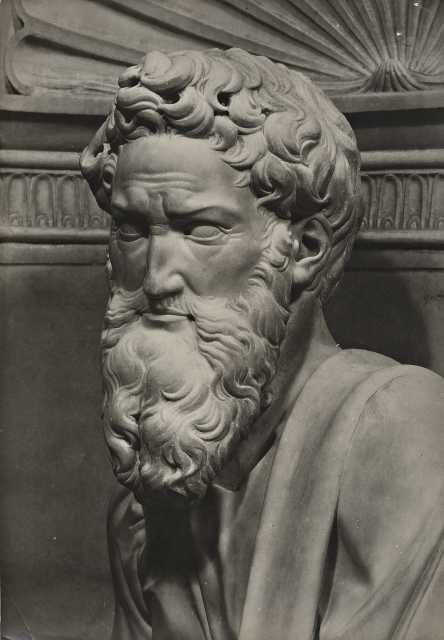
Il mio omaggio ai due Apostoli nella Cappella Paolina
Tra gli omaggi artistici più grandiosi dedicati ai due Santi, sicuramente ci sono i due miei affreschi che realizzai su commissione di papa Paolo III Farnese nella Cappella Paolina, in Vaticano.
Negli ultimi affreschi che realizzai nel corso della mia esistenza volli raffigurare la Conversione di Saulo e la Crocifissione di San Pietro. Opere drammatiche, intense e profondamente spirituali.
Nella Crocifissione di San Pietro, raffigurai l’istante in cui la croce viene sollevata. Colpisce il modo in cui alcuni spettatori distolgono lo sguardo, incapaci di assistere a un supplizio tanto crudele.
La composizione è costruita come un vortice di corpi, emozioni e tensione che coinvolge lo spettatore.
Il capolavoro assoluto di Caravaggio
Quando si parla di San Pietro nell’arte è impossibile non pensare al Martirio di San Pietro, dipinto da Caravaggio tra il 1600 e il 1601 per la Cappella Cerasi.
L’opera è uno dei vertici assoluti della pittura barocca.
La scena è costruita con uno straordinario realismo: gli aguzzini faticano a sollevare la pesante croce mentre Pietro, ormai anziano, affronta la morte con uno sguardo intenso e consapevole.
Ogni dettaglio racconta la realtà senza idealizzazioni: la pianta sporca del piede dell’uomo inginocchiato, le rughe dei carnefici, la luce improvvisa che scolpisce i volti.
È proprio questa umanità a rendere il dipinto uno dei più emozionanti della storia dell’arte.

Il pentimento di Pietro secondo Guido Reni
Diversissimo è il clima del San Pietro penitente di Guido Reni.
Qui non c’è violenza ma introspezione.
L’Apostolo appare con gli occhi colmi di lacrime dopo aver rinnegato Cristo. Le mani giunte e lo sguardo rivolto verso il cielo raccontano il dolore del pentimento e la speranza del perdono.
Una delle immagini più intense dedicate al tema della misericordia.

La Conversione di San Paolo di Caravaggio
Altro capolavoro assoluto è la Conversione di San Paolo sulla via di Damasco, anch’essa conservata nella Cappella Cerasi.
Caravaggio rompe completamente la tradizione iconografica.
Paolo non appare come un vecchio filosofo, ma come un giovane soldato appena caduto da cavallo, travolto dalla luce divina.
Il cavallo occupa gran parte della composizione, mentre il futuro apostolo giace a terra con le braccia aperte in un gesto di totale abbandono.
Una scena rivoluzionaria che trasforma un evento spirituale in un’esperienza profondamente umana.

Raffaello racconta la liberazione di San Pietro
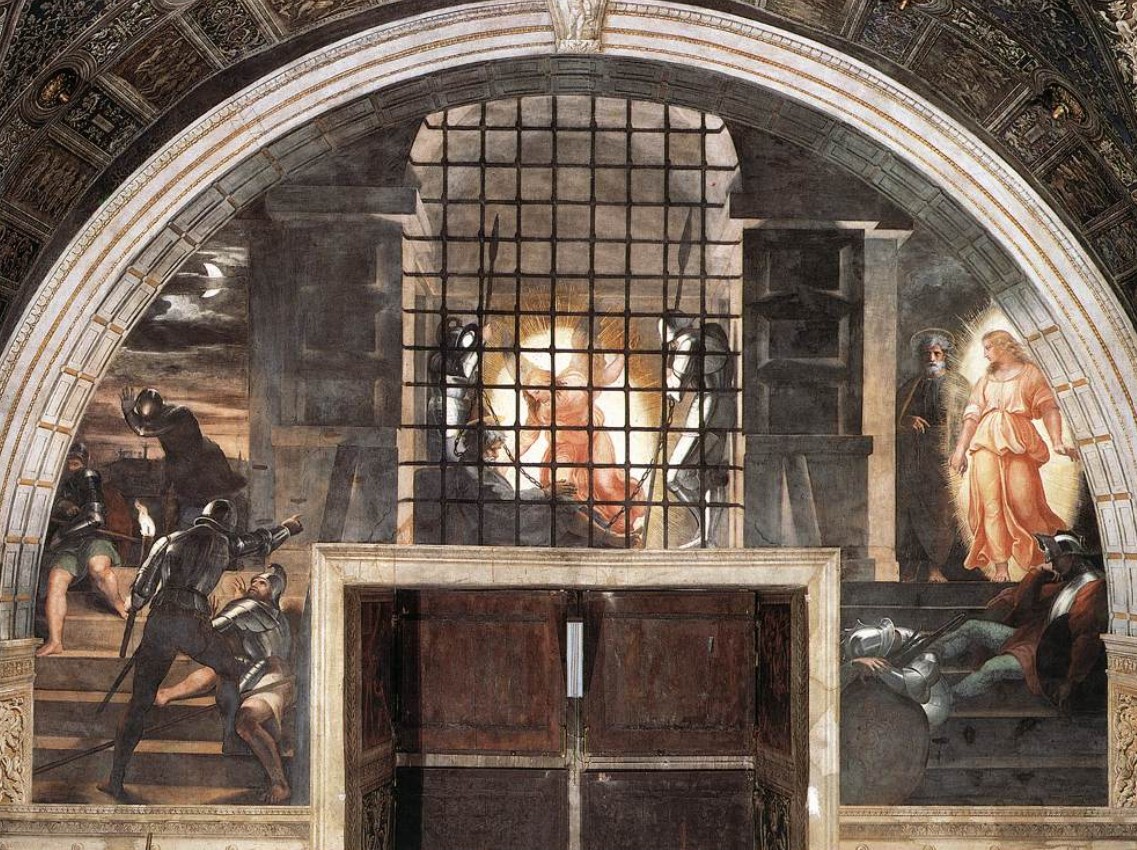
Tra gli affreschi più celebri delle Stanze Vaticane spicca La Liberazione di San Pietro, realizzata da Raffaello.
L’artista racconta l’episodio narrato negli Atti degli Apostoli: Pietro viene miracolosamente liberato dal carcere da un angelo.
L’opera è famosa per il magistrale uso della luce, che illumina la notte con effetti spettacolari, anticipando soluzioni pittoriche che influenzeranno generazioni di artisti.
Perugino e la consegna delle chiavi
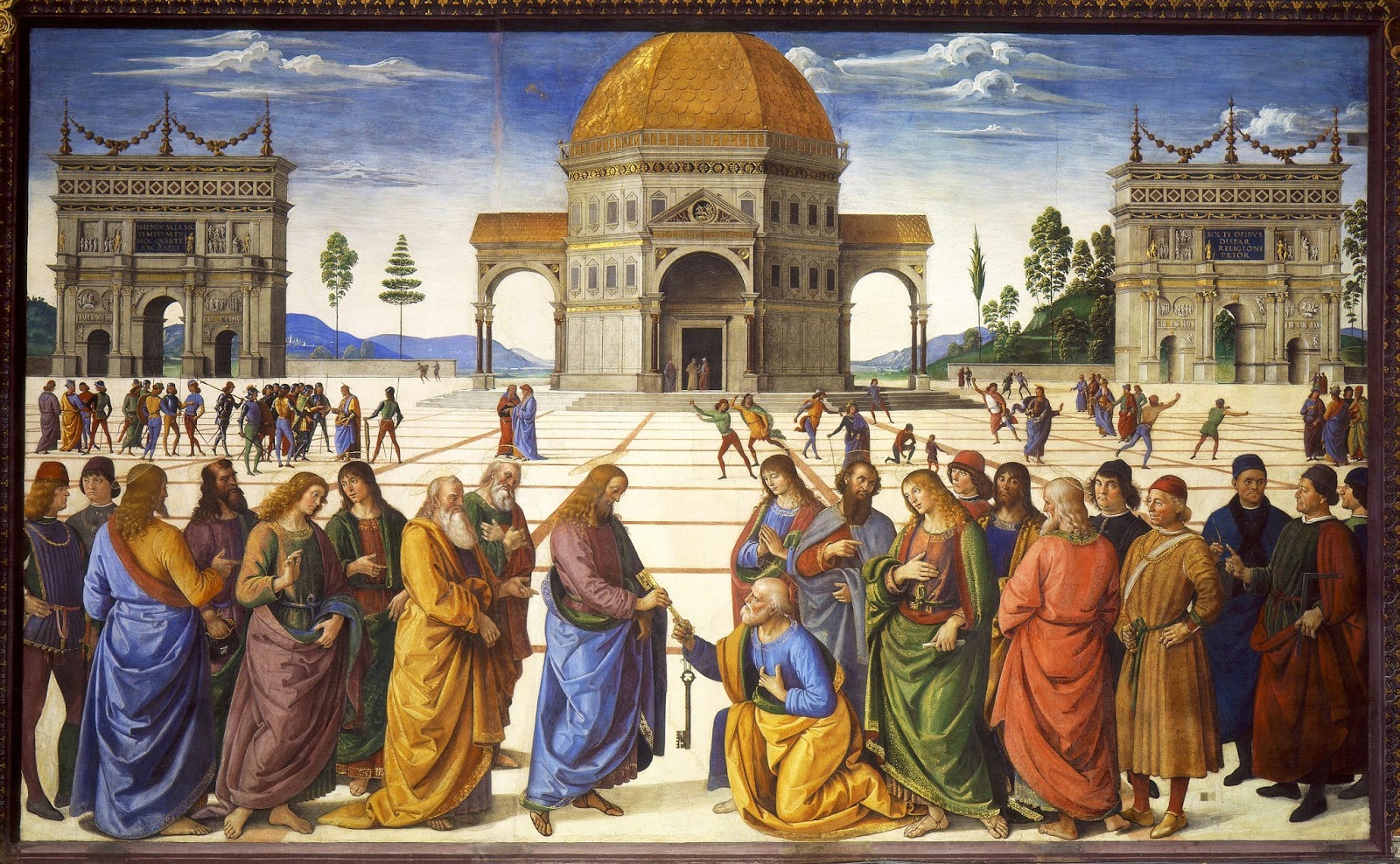
Uno dei simboli più importanti del primato di Pietro è raccontato da Pietro Perugino nella celeberrima Consegna delle Chiavi, affresco della Cappella Sistina.
Cristo porge le chiavi del Regno dei Cieli a Pietro davanti a una scenografia rinascimentale perfetta, trasformando il momento evangelico in una delle immagini simbolo della Chiesa.
Rubens e il trionfo dei due Apostoli
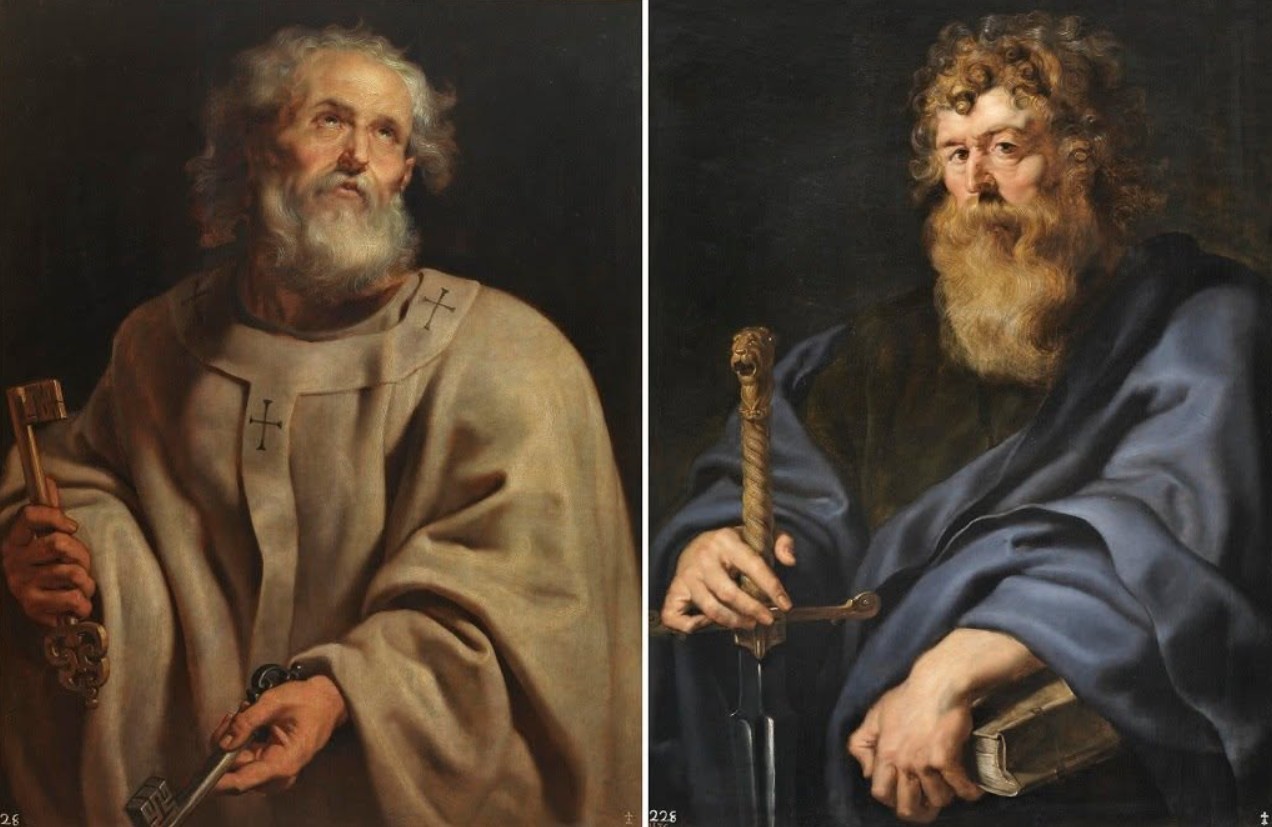
Anche Pieter Paul Rubens dedicò ai due santi numerose opere monumentali.
Tra le più celebri figura I Santi Pietro e Paolo, dove i due Apostoli sono rappresentati come colonne della Chiesa, uniti nella missione e nella fede.
Il dinamismo barocco e la ricchezza cromatica rendono il dipinto uno dei massimi esempi dell’arte fiamminga del Seicento.
Due santi, un’eredità immortale
Dal Rinascimento al Barocco, passando per il Medioevo e fino all’arte contemporanea, San Pietro e San Paolo hanno ispirato alcuni dei più grandi artisti di ogni epoca.
Io, Caravaggio, Raffaello, Perugino, Guido Reni, Rubens e Bernini abbiamo raccontato il loro coraggio, la loro fede e il loro sacrificio attraverso opere che ancora oggi emozionano milioni di visitatori.
Nel giorno della loro festa, il 29 giugno, questi capolavori diventano anche un modo straordinario per riscoprire la storia delle radici culturali e spirituali di Roma e dell’Europa.
Per il momento il sempre vostro Michelangelo Buonarroti vi saluta dandovi appuntamento ai prossimi post e sui social.

June 29: From Caravaggio to Guido Reni, the most beautiful works dedicated to Saints Peter and Paul
On June 29, Rome dresses up for celebration. It is the day dedicated to Saints Peter and Paul, patrons of the Eternal City, celebrated with solemn liturgies, the traditional Infiorata, the evocative Girandola of Castel Sant’Angelo, and thousands of pilgrims from around the world.
But beyond their faith, Peter and Paul have also left a profound mark on the history of art. For over fifteen centuries, painters, sculptors, and mosaic artists have recounted their lives, their martyrdom, and their extraordinary testimony through some of the most moving works ever created.
Saint Peter, the fisherman chosen by Christ
Before becoming the first Pope, Saint Peter was called Simon and was a simple fisherman. It was Jesus who renamed him “Peter,” the rock on which he would build the Church.
The New Testament presents him as a profoundly human man: impulsive, fragile, even capable of denying Christ three times, but also ready to repent and devote his entire life to spreading the Gospel.
According to tradition, he died a martyr in Rome, around 64-67 AD, crucified upside down by his own will, deeming himself unworthy of dying like Jesus.
He is the patron saint not only of Rome, but also of fishermen, bakers, blacksmiths, butchers, shoemakers, and bridge builders.
Saint Paul, from persecutor of Christians to Apostle to the Gentiles
The story of Saint Paul is one of the most famous conversions in history.
Born with the name Saul, he harshly persecuted Christians until, during the journey to Damascus, he was struck by the vision of the risen Christ. From that moment, his life changed completely.
He became the most tireless evangelizer of nascent Christianity, author of numerous New Testament Letters, and protagonist of long missionary journeys across the Mediterranean.
He also met martyrdom in Rome, where he was beheaded because he was a Roman citizen.
My homage to the two Apostles in the Pauline Chapel
Among the grandest artistic tributes to the two Saints are undoubtedly the two frescoes I created at the commission of Pope Paul III Farnese in the Pauline Chapel in the Vatican.
In the last frescoes I painted during my life, I chose to depict the Conversion of Saul and the Crucifixion of Saint Peter. Dramatic, intense, and profoundly spiritual works.
In the Crucifixion of Saint Peter, I depicted the moment the cross is lifted. It is striking how some spectators look away, unable to witness such cruel torture.
The composition is constructed as a vortex of bodies, emotions and tension that involves the viewer.
Caravaggio’s absolute masterpiece
When we talk about Saint Peter in art, it’s impossible not to think of the Martyrdom of Saint Peter, painted by Caravaggio between 1600 and 1601 for the Cerasi Chapel.
The work is one of the absolute pinnacles of Baroque painting.
The scene is constructed with extraordinary realism: the torturers struggle to lift the heavy cross while Peter, now elderly, faces death with an intense and knowing gaze.
Every detail tells the story of reality without idealization: the dirty sole of the kneeling man’s foot, the wrinkles of the executioners, the sudden light that sculpts the faces.
It is precisely this humanity that makes the painting one of the most moving in the history of art.
Peter’s Repentance According to Guido Reni
The atmosphere of Guido Reni’s Saint Peter Penitent is very different.
Here, there is no violence, but introspection.
The Apostle appears with eyes filled with tears after denying Christ. His clasped hands and gaze turned toward heaven convey the pain of repentance and the hope of forgiveness.
One of the most powerful images dedicated to the theme of mercy.
The Conversion of Saint Paul by Caravaggio
Another absolute masterpiece is The Conversion of Saint Paul on the Road to Damascus, also preserved in the Cerasi Chapel.
Caravaggio completely breaks with iconographic tradition.
Paul appears not as an old philosopher, but as a young soldier who has just fallen from his horse, overwhelmed by divine light.
The horse occupies a large part of the composition, while the future apostle lies on the ground with his arms outstretched in a gesture of total abandonment.
A revolutionary scene that transforms a spiritual event into a profoundly human experience.
Raphael Recounts the Liberation of Saint Peter
Among the most famous frescoes in the Vatican Rooms, The Liberation of Saint Peter, painted by Raphael, stands out.
The artist recounts the episode narrated in the Acts of the Apostles: Peter is miraculously freed from prison by an angel.
The work is famous for its masterful use of light, which illuminates the night with spectacular effects, anticipating pictorial solutions that would influence generations of artists.
Perugino and the Delivery of the Keys
One of the most important symbols of Peter’s primacy is depicted by Pietro Perugino in his celebrated Delivery of the Keys, a fresco in the Sistine Chapel.
Christ hands the keys to the Kingdom of Heaven to Peter before a perfect Renaissance setting, transforming the evangelical moment into one of the Church’s most iconic images.
Rubens and the Triumph of the Two Apostles
Peter Paul Rubens also dedicated numerous monumental works to the two saints.
Among the most famous is Saints Peter and Paul, where the two Apostles are depicted as pillars of the Church, united in mission and faith.
The Baroque dynamism and rich color make the painting one of the finest examples of 17th-century Flemish art.
Two Saints, an Immortal Legacy
From the Renaissance to the Baroque, through the Middle Ages, and up to contemporary art, Saints Peter and Paul have inspired some of the greatest artists of all time.
I, Caravaggio, Raphael, Perugino, Guido Reni, Rubens, and Bernini have recounted their courage, their faith, and their sacrifice through works that still move millions of visitors today.
On their feast day, June 29th, these masterpieces also become an extraordinary way to rediscover the history of the cultural and spiritual roots of Rome and Europe.
For now, yours truly, Michelangelo Buonarroti bids you farewell and invites you to join me in future posts and on social media.

Sostienici – Support Us
Se questo blog ti piace e ti appassiona, puoi aiutarci a farlo crescere sempre più sostenendoci in modo concreto condividendo i post, seguendo le pagine social e con un contributo che ci aiuta ad andare avanti con il nostro lavoro di divulgazione. . ENGLISH: If you like and are passionate about this blog, you can help us make it grow more and more by supporting us in a concrete way by sharing posts, following social pages and with a contribution that helps us to move forward with our dissemination work.
10,00 €
Condividi:


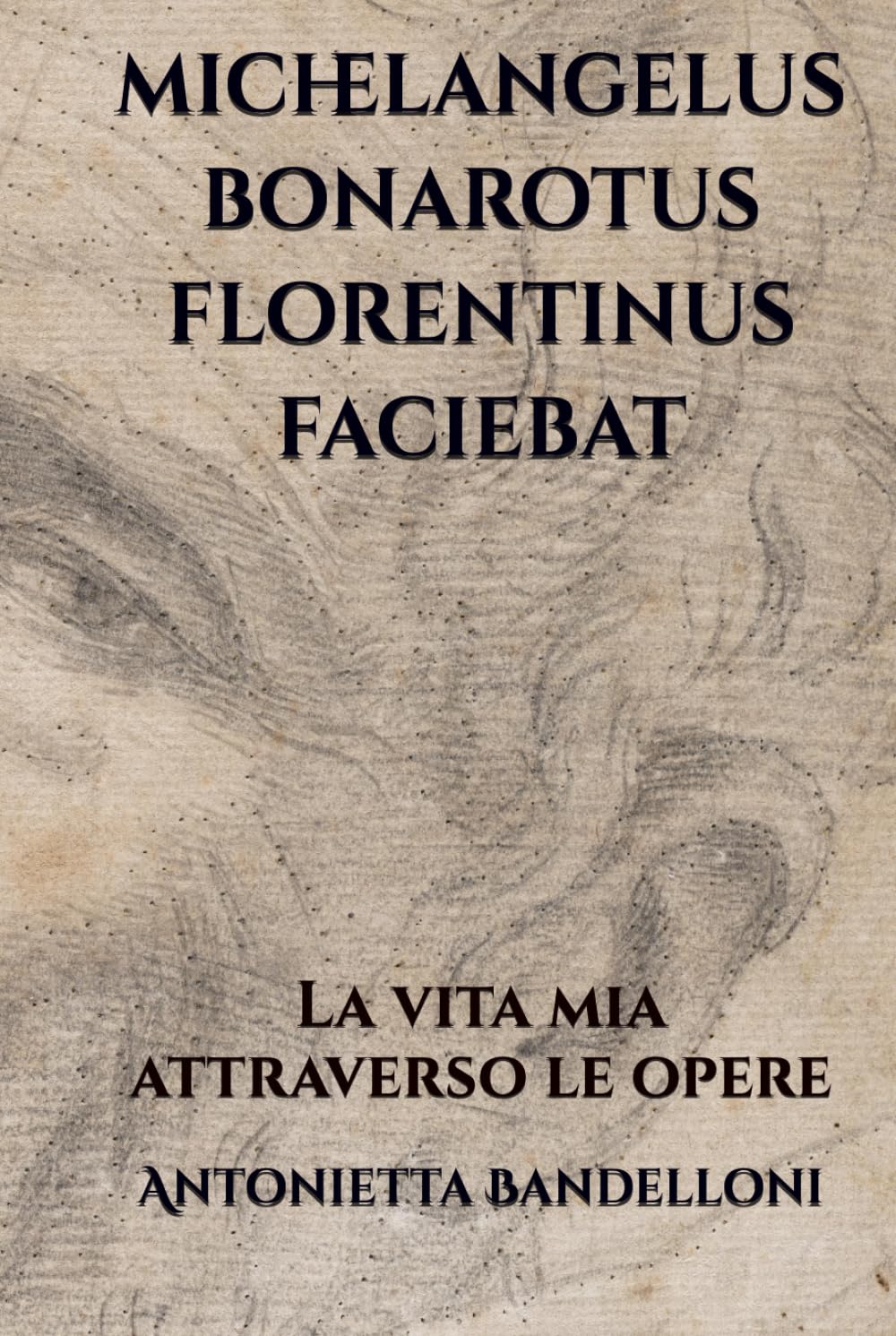
Questo sono io




sostienici

Sostienici – Support Us
Se questo blog ti piace e ti appassiona, puoi aiutarci a farlo crescere sempre più sostenendoci in modo concreto condividendo i post, seguendo le pagine social e con un contributo che ci aiuta ad andare avanti con il nostro lavoro di divulgazione. . ENGLISH: If you like and are passionate about this blog, you can help us make it grow more and more by supporting us in a concrete way by sharing posts, following social pages and with a contribution that helps us to move forward with our dissemination work.
€10,00


