

Perché vestono la scultura di San Pietro il 29 giugno? La storia dell’antico rito in Vaticano
Ogni anno, il 29 giugno, la Basilica di San Pietro in Vaticano rinnova una delle tradizioni più suggestive e meno conosciute della cristianità. In occasione della solennità dei Santi Pietro e Paolo, la celebre scultura in bronzo di San Pietro viene rivestita con preziosi paramenti pontificali, trasformandosi in una delle immagini più iconiche della festa dedicata al primo Papa della Chiesa.
Un rito che si ripete di anno in anno e che custodisce intatto il suo significato dopo secoli di storia.

La scultura di San Pietro viene vestita con piviale e triregno
La protagonista della cerimonia è la celebre scultura in bronzo attribuita ad Arnolfo di Cambio, realizzata nel Duecento e collocata nella navata centrale della Basilica di San Pietro, davanti al pilone di San Longino.
Per la ricorrenza del 29 giugno, la statua viene adornata con un ricco piviale ricamato e con il triregno, l’antica tiara papale che nei primi anni del Seicento sostituì la tradizionale mitra episcopale. Gli eleganti tessuti, caratterizzati dai colori porpora e oro, richiamano rispettivamente la Passione di Cristo e la sua regalità, oltre a esaltare la figura dell’Apostolo.
La stessa vestizione viene ripetuta anche il 22 febbraio, in occasione della festa della Cattedra di San Pietro.

Una tradizione che affonda le radici nel Medioevo
L’origine di questa usanza risale a molti secoli fa. Secondo la tradizione, già nel Medioevo la statua veniva rivestita con paramenti donati da papa Innocenzo VI, pontefice nel XIV secolo.
Una delle prime testimonianze scritte compare nel volume pubblicato nel 1644 da Francesco Maria Torrigio. Lo storico racconta che il giorno della festa dei Santi Pietro e Paolo la statua veniva solennemente abbigliata “per cagionare nel popolo maggiore riverenza e venerazione”. All’epoca il Santo indossava un camice bianco, una stola ricamata, un antico piviale donato alla Basilica secoli prima e una mitra vescovile, poi sostituita dal triregno.
Da allora il rito è rimasto una delle tradizioni più affascinanti del Vaticano.

La statua di San Pietro consumata dai baci dei fedeli
La scultura è considerata una delle opere più venerate della cristianità. Alta circa due metri, rappresenta San Pietro seduto in cattedra mentre benedice con la mano destra secondo l’antico gesto greco e stringe nella sinistra le chiavi del Regno dei Cieli.
A colpire chiunque la osservi sono soprattutto i piedi, ormai completamente levigati. Da secoli, infatti, milioni di pellegrini baciano o accarezzano il piede destro della statua come gesto di devozione. Un’abitudine tramandata nel tempo che ha consumato il bronzo fino a renderne quasi irriconoscibili i dettagli originari.
Un’opera tra storia e leggenda
Sebbene la tradizione attribuisca la realizzazione della statua ad Arnolfo di Cambio, alcuni studiosi hanno avanzato un’ipotesi ancora più affascinante. Secondo questa teoria, sarebbe stato papa Leone I, nel V secolo, a far realizzare l’opera utilizzando il bronzo proveniente da una statua di Giove Capitolino dopo il celebre incontro con Attila.
Non esistono prove definitive a sostegno di questa ricostruzione, ma il racconto contribuisce ad alimentare il fascino che da secoli circonda una delle immagini più amate della Basilica Vaticana.

Perché la vestizione di San Pietro continua ad affascinare
La vestizione dell’opera è un ponte tra il presente e una tradizione che attraversa il Medioevo, il Rinascimento e l’età contemporanea, mantenendo vivo il legame tra la Basilica di San Pietro e milioni di fedeli.
Per il momento il vostro Michelangelo Buonarroti vi saluta dandovi appuntamento ai prossimi post e sui social.
Why do they dress the sculpture of St. Peter on June 29th? The history of the ancient rite in the Vatican
Every year on June 29th, St. Peter’s Basilica in the Vatican renews one of the most evocative and little-known traditions in Christianity. On the occasion of the solemnity of Saints Peter and Paul, the famous bronze sculpture of St. Peter is dressed in precious pontifical vestments, transforming it into one of the most iconic images of the feast dedicated to the Church’s first Pope.
A rite that is repeated year after year and that preserves its meaning intact after centuries of history.
The sculpture of St. Peter is dressed in a cope and tiara
The star of the ceremony is the famous bronze sculpture attributed to Arnolfo di Cambio, created in the 13th century and located in the central nave of St. Peter’s Basilica, in front of the pillar of St. Longinus.
For the June 29th celebration, the statue is adorned with a richly embroidered cope and the papal tiara, the ancient papal tiara that replaced the traditional episcopal miter in the early 17th century. The elegant fabrics, characterized by the colors purple and gold, respectively recall the Passion of Christ and his royalty, as well as exalting the figure of the Apostle.
The same vestment is also repeated on February 22nd, the feast of the Chair of St. Peter.
A tradition rooted in the Middle Ages
The origins of this custom date back many centuries. According to tradition, as early as the Middle Ages, the statue was dressed in vestments donated by Pope Innocent VI, pontiff in the 14th century.
One of the first written accounts appears in a volume published in 1644 by Francesco Maria Torrigio. The historian recounts that on the feast day of Saints Peter and Paul, the statue was solemnly dressed “to inspire greater reverence and veneration among the people.” At the time, the Saint wore a white alb, an embroidered stole, an ancient cope donated to the Basilica centuries earlier, and a bishop’s miter, later replaced by the tiara.
Since then, the rite has remained one of the Vatican’s most fascinating traditions.
The statue of St. Peter worn by the kisses of the faithful
The sculpture is considered one of the most venerated works in Christianity. Approximately two meters tall, it depicts St. Peter seated on a throne, blessing with his right hand in the ancient Greek gesture and clutching the keys to the Kingdom of Heaven in his left.
What is most striking to anyone who observes it are the feet, now completely smooth. For centuries, millions of pilgrims have kissed or caressed the statue’s right foot as a gesture of devotion. A custom passed down over time that has worn the bronze to the point where the original details are almost unrecognizable.
A work between history and legend
Although tradition attributes the statue’s creation to Arnolfo di Cambio, some scholars have advanced an even more fascinating hypothesis. According to this theory, Pope Leo I, in the 5th century, commissioned the work using bronze from a statue of Capitoline Jupiter after his famous encounter with Attila.
There is no definitive evidence to support this reconstruction, but the story contributes to the centuries-old fascination with one of the most beloved images of the Vatican Basilica.
Why the Investiture of St. Peter Continues to Fascinate
The investiture of the work is a bridge between the present and a tradition spanning the Middle Ages, the Renaissance, and the contemporary age, keeping alive the bond between St. Peter’s Basilica and millions of faithful.
For now, your Michelangelo Buonarroti bids farewell and says he’ll see you in future posts and on social media.

Sostienici – Support Us
Se questo blog ti piace e ti appassiona, puoi aiutarci a farlo crescere sempre più sostenendoci in modo concreto condividendo i post, seguendo le pagine social e con un contributo che ci aiuta ad andare avanti con il nostro lavoro di divulgazione. . ENGLISH: If you like and are passionate about this blog, you can help us make it grow more and more by supporting us in a concrete way by sharing posts, following social pages and with a contribution that helps us to move forward with our dissemination work.
10,00 €
Condividi:


Questo sono io




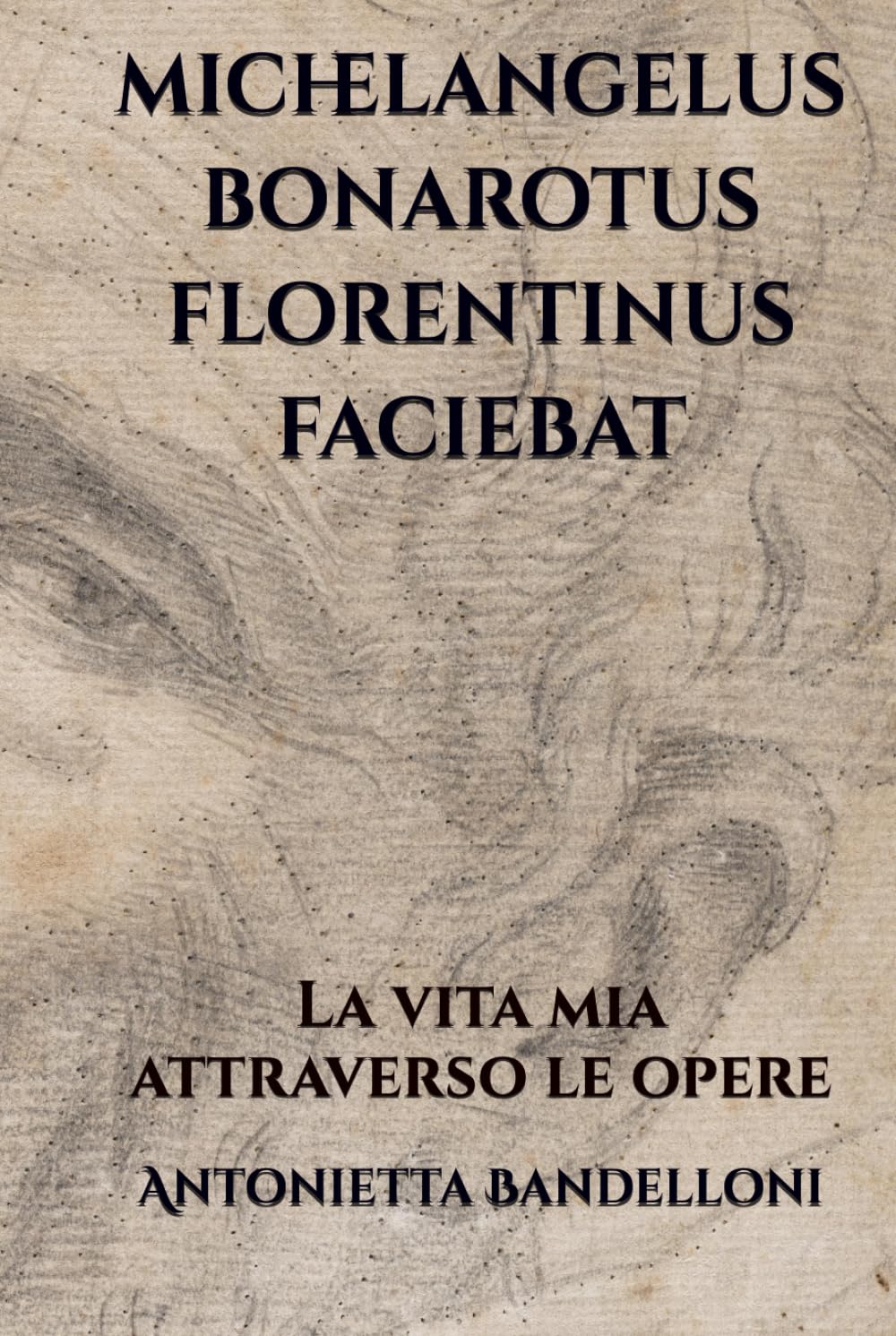
sostienici

Sostienici – Support Us
Se questo blog ti piace e ti appassiona, puoi aiutarci a farlo crescere sempre più sostenendoci in modo concreto condividendo i post, seguendo le pagine social e con un contributo che ci aiuta ad andare avanti con il nostro lavoro di divulgazione. . ENGLISH: If you like and are passionate about this blog, you can help us make it grow more and more by supporting us in a concrete way by sharing posts, following social pages and with a contribution that helps us to move forward with our dissemination work.
€10,00


