

Perseo del Cellini: il 27 aprile 1554 viene inaugurato il capolavoro impossibile
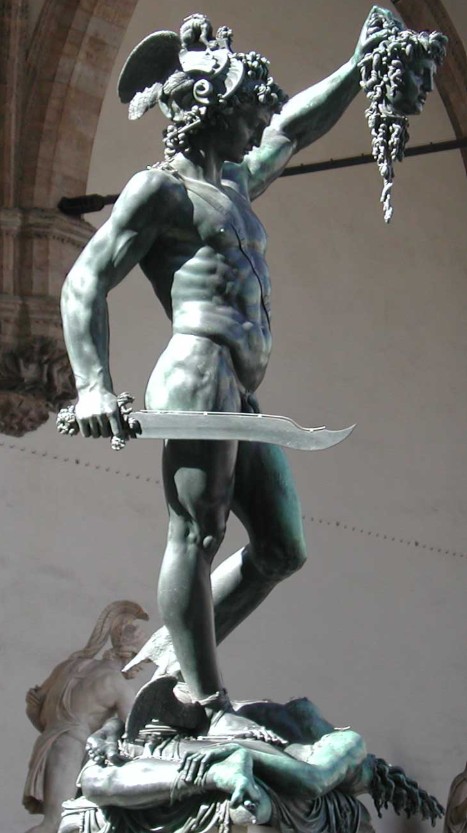
Era un giovedì mattina del 27 aprile 1554 quando Firenze assistette allo svelamento di uno dei capolavori più straordinari del Rinascimento. Il Perseo con la testa di Medusa di Benvenuto Cellini veniva finalmente presentato alla città, dopo anni di lavoro e difficoltà.
Un’opera destinata a lasciare un segno profondo nella storia artistica e politica della città.
Il significato del Perseo: tra mito e propaganda
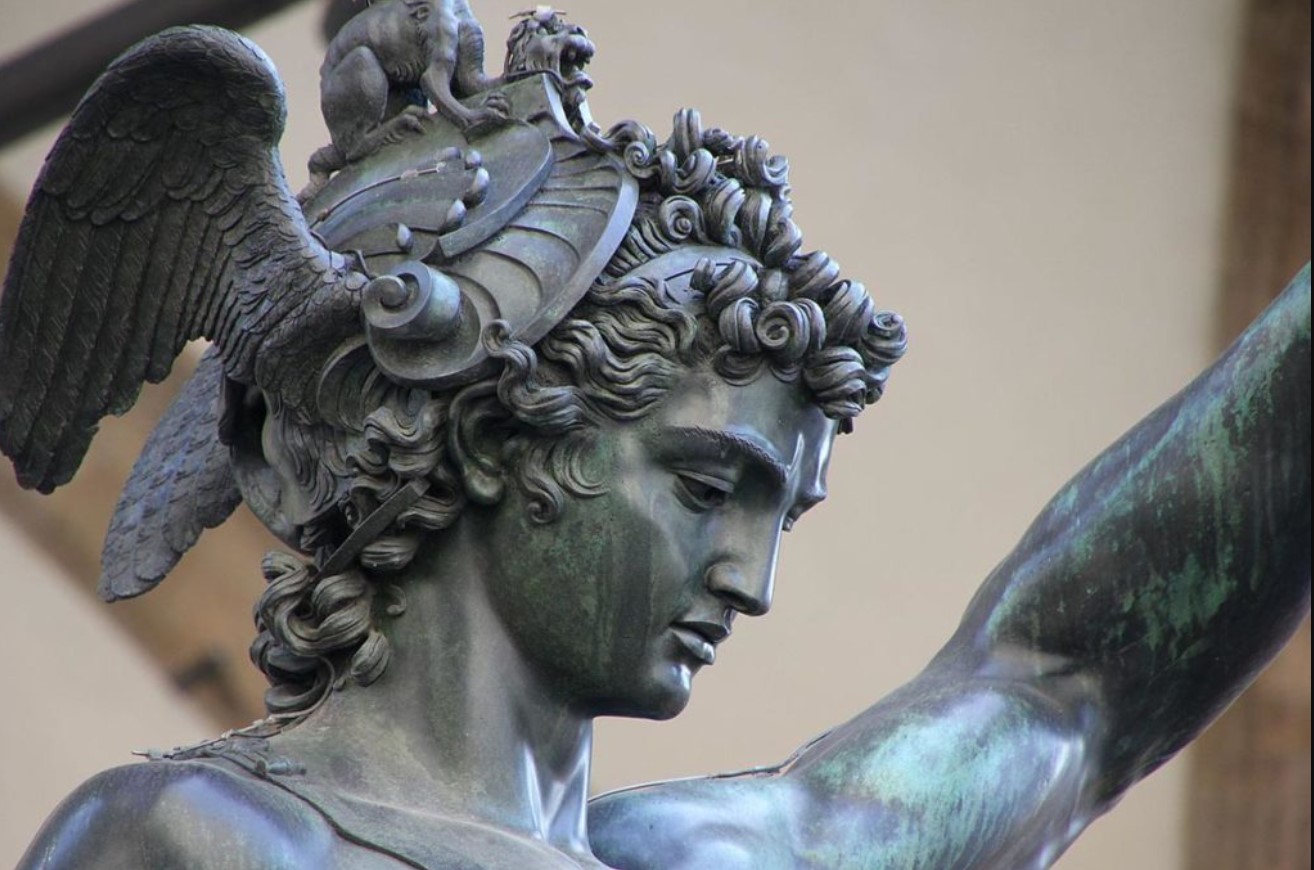
Commissionato da Cosimo I de’ Medici, il Perseo non rappresentava solo un episodio mitologico. La testa di Medusa, con i suoi serpenti intrecciati, alludeva alle divisioni e ai conflitti della Firenze repubblicana.
Attraverso questa immagine, il potere mediceo si presentava come la forza capace di riportare ordine e stabilità, trasformando l’opera in un potente strumento simbolico.
Una fusione drammatica: tra malattia e imprevisti
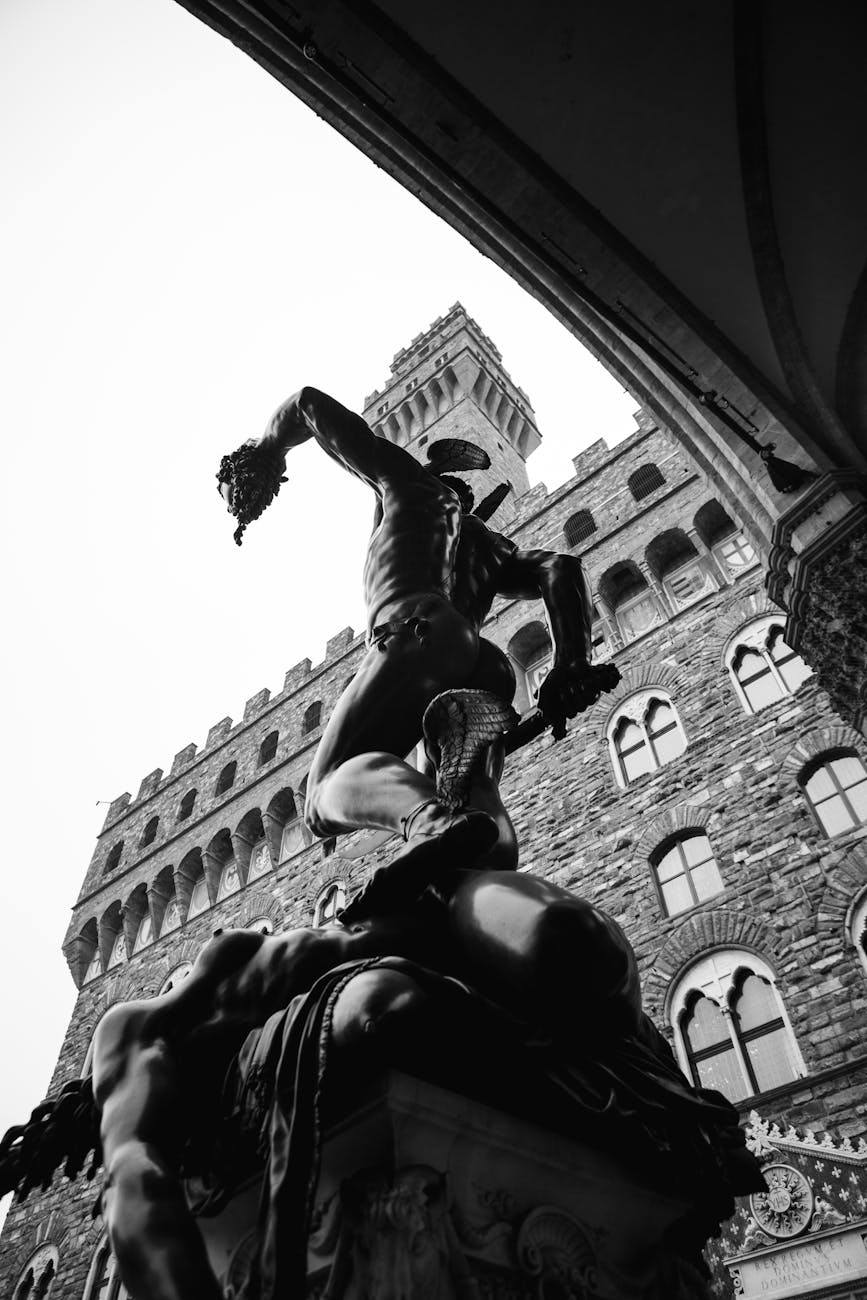
La realizzazione della statua fu segnata da difficoltà estreme. Durante la fusione del bronzo, Cellini e i suoi collaboratori furono esposti a fumi tossici che provocarono febbri violente e debilitanti.
Nel momento più critico, un temporale fece abbassare la temperatura della fornace, mettendo a rischio l’intero lavoro. A complicare ulteriormente la situazione fu la mancanza di stagno, elemento fondamentale per ottenere una fusione fluida.
Di fronte a questo rischio, Cellini prese una decisione drastica, facendo fondere tutte le stoviglie in stagno disponibili per salvare l’opera. Come se non bastasse, un principio di incendio nella bottega rese la situazione ancora più difficile.
Il trionfo del genio: una sfida tecnica senza precedenti
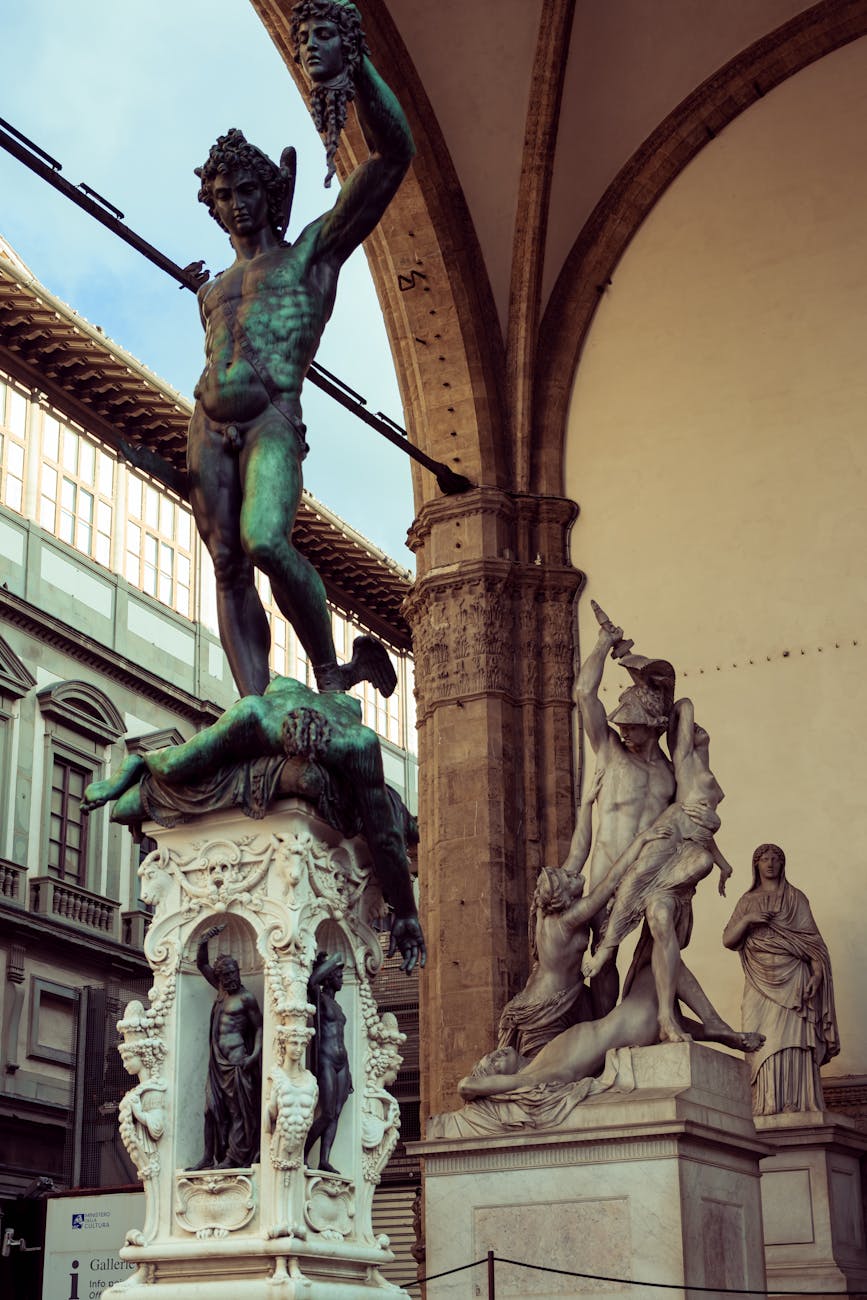
La struttura del Perseo rappresentava una sfida quasi impossibile. La figura slanciata e il braccio sollevato, distante dal corpo, rendevano estremamente complessa la fusione in un unico getto.
Nonostante tutto, Cellini riuscì nell’impresa. Il lavoro di rifinitura proseguì per anni, dal 1549 al 1554, e studi successivi hanno dimostrato che alcune parti della statua furono rifuse, tra cui l’intero piede destro e parte dello stinco.
Questo dettaglio rende l’opera ancora più affascinante, mostrando come anche un capolavoro possa nascere attraverso correzioni e interventi successivi.
Dove ammirare oggi il Perseo di Cellini
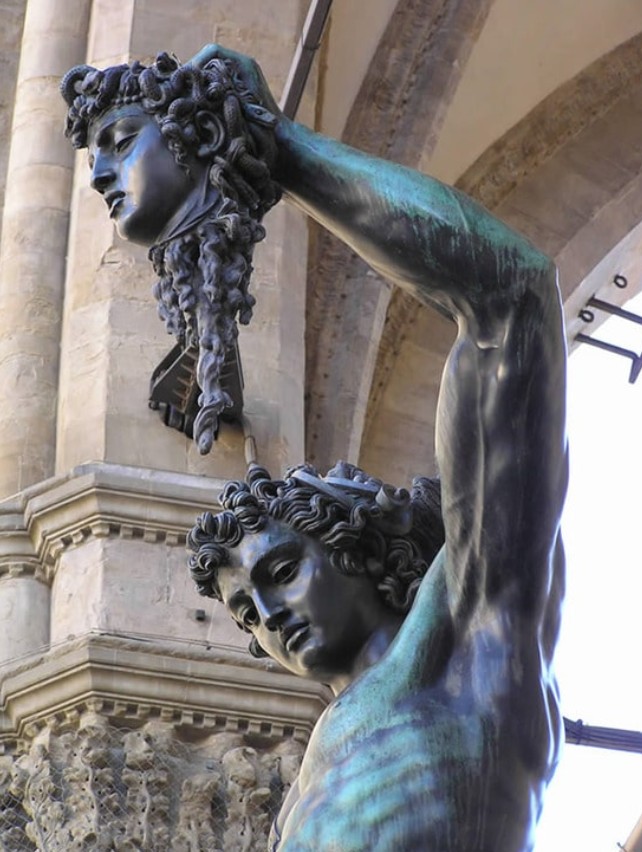
Oggi il Perseo si trova a Firenze, sotto la Loggia dei Lanzi, dove continua a essere uno dei punti più ammirati della città.
Inserito in un contesto artistico di straordinaria importanza, dialoga con altre opere celebri, contribuendo a creare uno degli scenari più iconici del Rinascimento italiano.
Un capolavoro che continua a raccontare la sua storia
Il Perseo è il risultato di una lotta contro i limiti tecnici, contro gli imprevisti e contro la fragilità umana. È la dimostrazione che dietro ogni grande opera non c’è solo perfezione, ma anche rischio, determinazione e ingegno.
Il 27 aprile 1554 fu il momento in cui l’impossibile prese forma e divenne eterno.
Per i momento il sempre vostro Michelangelo Buonarroti vi saluta dandovi appuntamento ai prossimi post e sui social.
Cellini’s Perseus: The Impossible Masterpiece Is Inaugurated on April 27, 1554
It was a Thursday morning, April 27, 1554, when Florence witnessed the unveiling of one of the most extraordinary masterpieces of the Renaissance. Benvenuto Cellini’s Perseus with the Head of Medusa was finally presented to the city, after years of work and difficulty.
A work destined to leave a profound mark on the city’s artistic and political history.
The Meaning of Perseus: Between Myth and Propaganda
Commissioned by Cosimo I de’ Medici, Perseus did not simply represent a mythological episode. The head of Medusa, with its intertwined serpents, alluded to the divisions and conflicts of Republican Florence.
Through this image, the Medici power presented itself as the force capable of restoring order and stability, transforming the work into a powerful symbolic tool.
A Dramatic Fusion: Between Illness and Unforeseen Events
The creation of the statue was marked by extreme difficulties. While casting the bronze, Cellini and his collaborators were exposed to toxic fumes that caused violent and debilitating fevers.
At the most critical moment, a storm lowered the furnace temperature, putting the entire work at risk. Further complicating the situation was the lack of tin, a crucial element for achieving a fluid casting.
Faced with this risk, Cellini took a drastic step, melting down all the available tinware to save the work. To make matters worse, a small fire in the workshop made the situation even more difficult.
The triumph of genius: an unprecedented technical challenge
The structure of Perseus posed a nearly impossible challenge. The slender figure and the raised arm, distant from the body, made casting in a single casting extremely complex.
Despite everything, Cellini succeeded. The finishing work continued for years, from 1549 to 1554, and subsequent studies have shown that some parts of the statue were recast, including the entire right foot and part of the shin.
This detail makes the work even more fascinating, demonstrating how even a masterpiece can be born through subsequent corrections and interventions.
Where to admire Cellini’s Perseus today
Today, the Perseus is located in Florence, under the Loggia dei Lanzi, where it continues to be one of the most admired sights in the city.
Set in an artistic context of extraordinary importance, it dialogues with other famous works, contributing to one of the most iconic scenes of the Italian Renaissance.
A masterpiece that continues to tell its story
The Perseus is the result of a struggle against technical limitations, against the unexpected, and against human frailty. It demonstrates that behind every great work there is not only perfection, but also risk, determination, and ingenuity.
April 27, 1554, was the moment when the impossible took shape and became eternal.
For now, yours truly, Michelangelo Buonarroti bids farewell and looks forward to seeing you in future posts and on social media.

Sostienici – Support Us
Se questo blog ti piace e ti appassiona, puoi aiutarci a farlo crescere sempre più sostenendoci in modo concreto condividendo i post, seguendo le pagine social e con un contributo che ci aiuta ad andare avanti con il nostro lavoro di divulgazione. . ENGLISH: If you like and are passionate about this blog, you can help us make it grow more and more by supporting us in a concrete way by sharing posts, following social pages and with a contribution that helps us to move forward with our dissemination work.
6,00 €
Condividi:


Questo sono io




sostienici

Sostienici – Support Us
Se questo blog ti piace e ti appassiona, puoi aiutarci a farlo crescere sempre più sostenendoci in modo concreto condividendo i post, seguendo le pagine social e con un contributo che ci aiuta ad andare avanti con il nostro lavoro di divulgazione. . ENGLISH: If you like and are passionate about this blog, you can help us make it grow more and more by supporting us in a concrete way by sharing posts, following social pages and with a contribution that helps us to move forward with our dissemination work.
€10,00


