
7 maggio 1664: Luigi XIV inaugura Versailles e nasce il mito del Re Sole
Il 7 maggio 1664 il giovane re Luigi XIV inaugurò ufficialmente la futura Reggia di Versailles con una celebrazione spettacolare destinata a entrare nella storia europea. Quell’evento rappresentò l’inizio simbolico del progetto politico e culturale più ambizioso della monarchia francese.
La manifestazione prese il nome di “Les Plaisirs de l’Île Enchantée”, una settimana di feste, banchetti, rappresentazioni teatrali, fuochi d’artificio e giochi equestri organizzati per stupire la nobiltà francese e mostrare al mondo la potenza del sovrano.
Versailles, che allora era ancora lontana dalla magnificenza definitiva che oggi conosciamo, divenne il palcoscenico perfetto per il sogno assolutista di Luigi XIV.
Perché Luigi XIV scelse Versailles
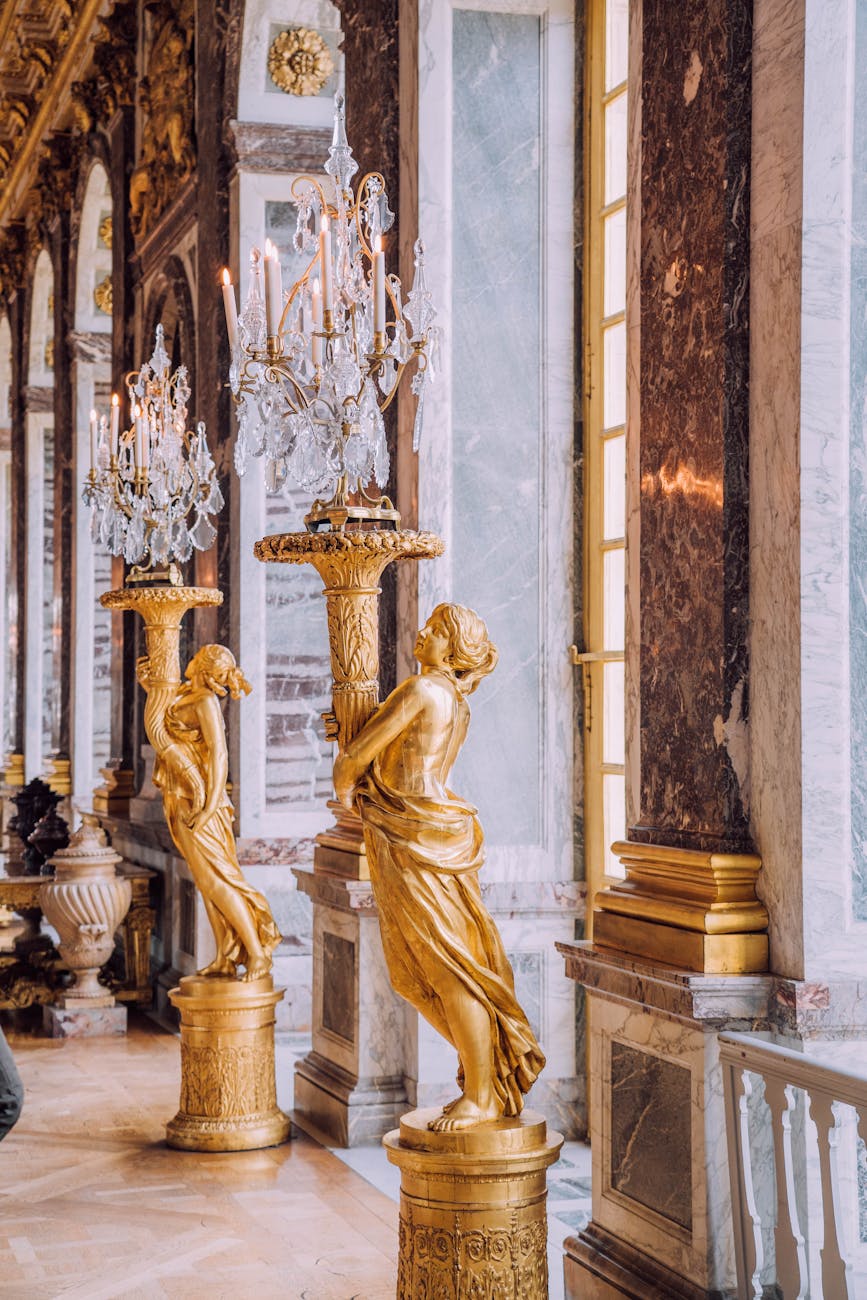
Prima di diventare il centro del potere francese, Versailles era un semplice padiglione di caccia costruito dal padre di Luigi XIV, Luigi XIII. Il luogo si trovava lontano dalle tensioni politiche di Parigi e garantiva al sovrano maggiore controllo sulla nobiltà.
Luigi XIV aveva vissuto da bambino il trauma della Fronda, la rivolta dei nobili e del Parlamento contro la monarchia. Da quel momento maturò la convinzione che il re dovesse concentrare tutto il potere nelle proprie mani.
Versailles nacque anche per questo: trasformare la corte in uno strumento politico, obbligando aristocratici e funzionari a vivere accanto al sovrano sotto il suo costante controllo.
L’inaugurazione del 1664 fu dunque il primo grande passo verso la costruzione del simbolo assoluto della monarchia francese.
Les Plaisirs de l’Île Enchantée: sette giorni di lusso e spettacolo
L’evento organizzato da Luigi XIV fu un’autentica dimostrazione di ricchezza. I festeggiamenti durarono dal 7 al 13 maggio 1664 e coinvolsero centinaia di artisti, musicisti, servitori e cortigiani.
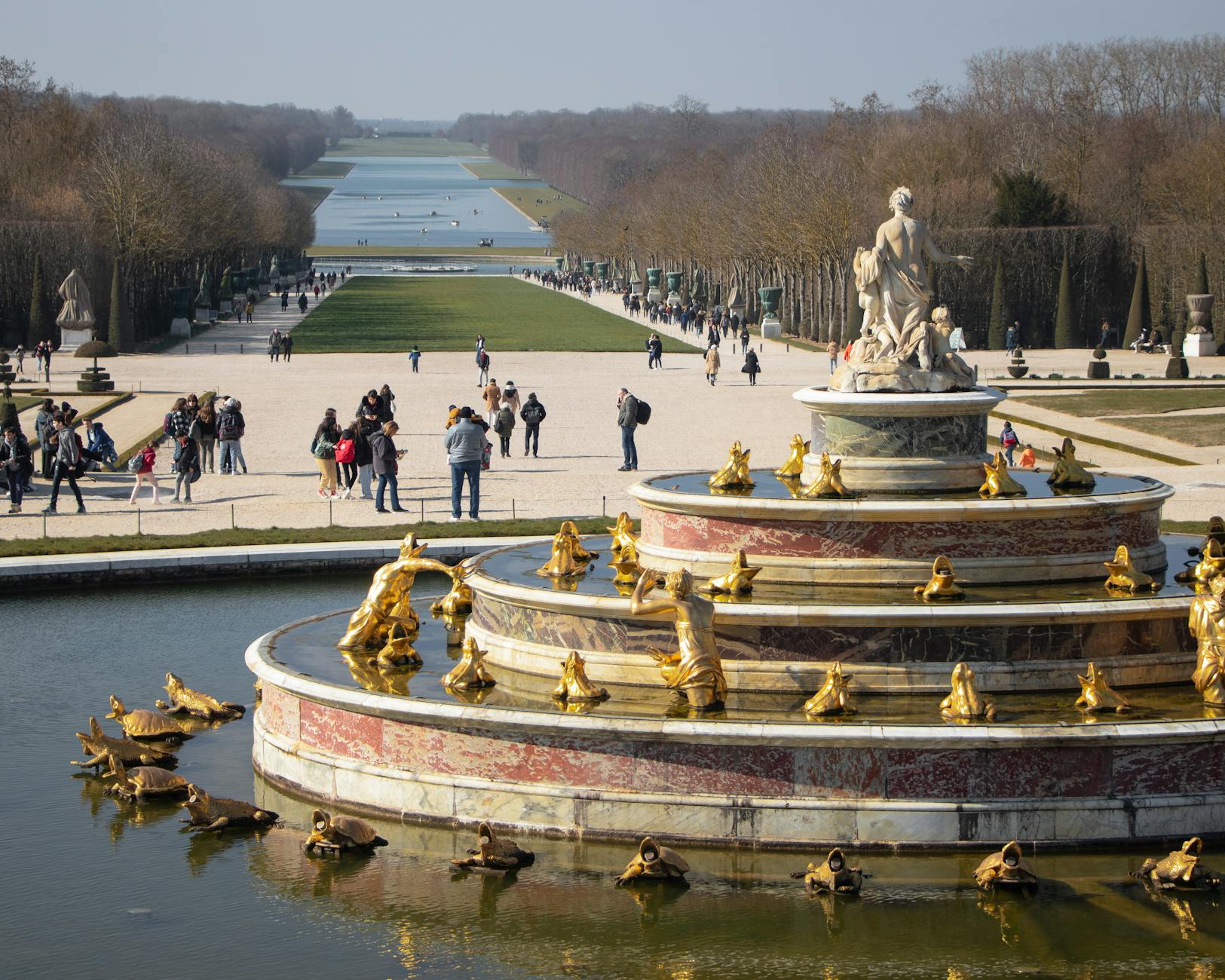
Tra i protagonisti delle celebrazioni ci furono Molière e Jean-Baptiste Lully, chiamati a mettere in scena spettacoli teatrali e musicali destinati agli ospiti della corte. Le scenografie erano straordinarie: giardini illuminati da migliaia di candele, fontane in funzione per tutta la notte e tavole imbandite con pietanze provenienti da ogni parte del regno.
La festa era ispirata all’“Orlando Furioso” di Ludovico Ariosto e aveva lo scopo di associare Luigi XIV all’immagine di un sovrano quasi mitologico, capace di dominare arte, politica e natura.
La trasformazione della Reggia di Versailles
Nel 1664 Versailles non era ancora il gigantesco palazzo che oggi attira milioni di visitatori. I lavori di ampliamento iniziarono proprio dopo quelle celebrazioni e continuarono per decenni.
Luigi XIV affidò il progetto agli architetti Louis Le Vau e successivamente Jules Hardouin-Mansart. I giardini vennero invece progettati dal celebre paesaggista André Le Nôtre, che trasformò il territorio circostante in uno dei più spettacolari esempi di giardino alla francese.
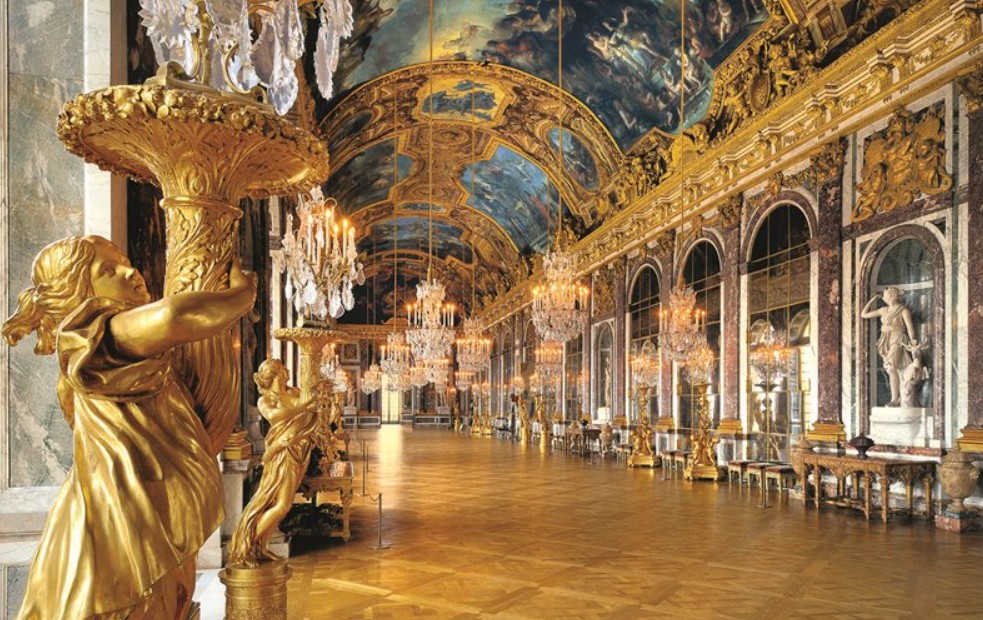
Negli anni successivi furono costruiti la celebre Galleria degli Specchi, gli appartamenti reali, le fontane monumentali e gli enormi spazi destinati alla corte. Nel 1682 Luigi XIV trasferì ufficialmente il governo e la corte a Versailles, rendendola il cuore politico della Francia.
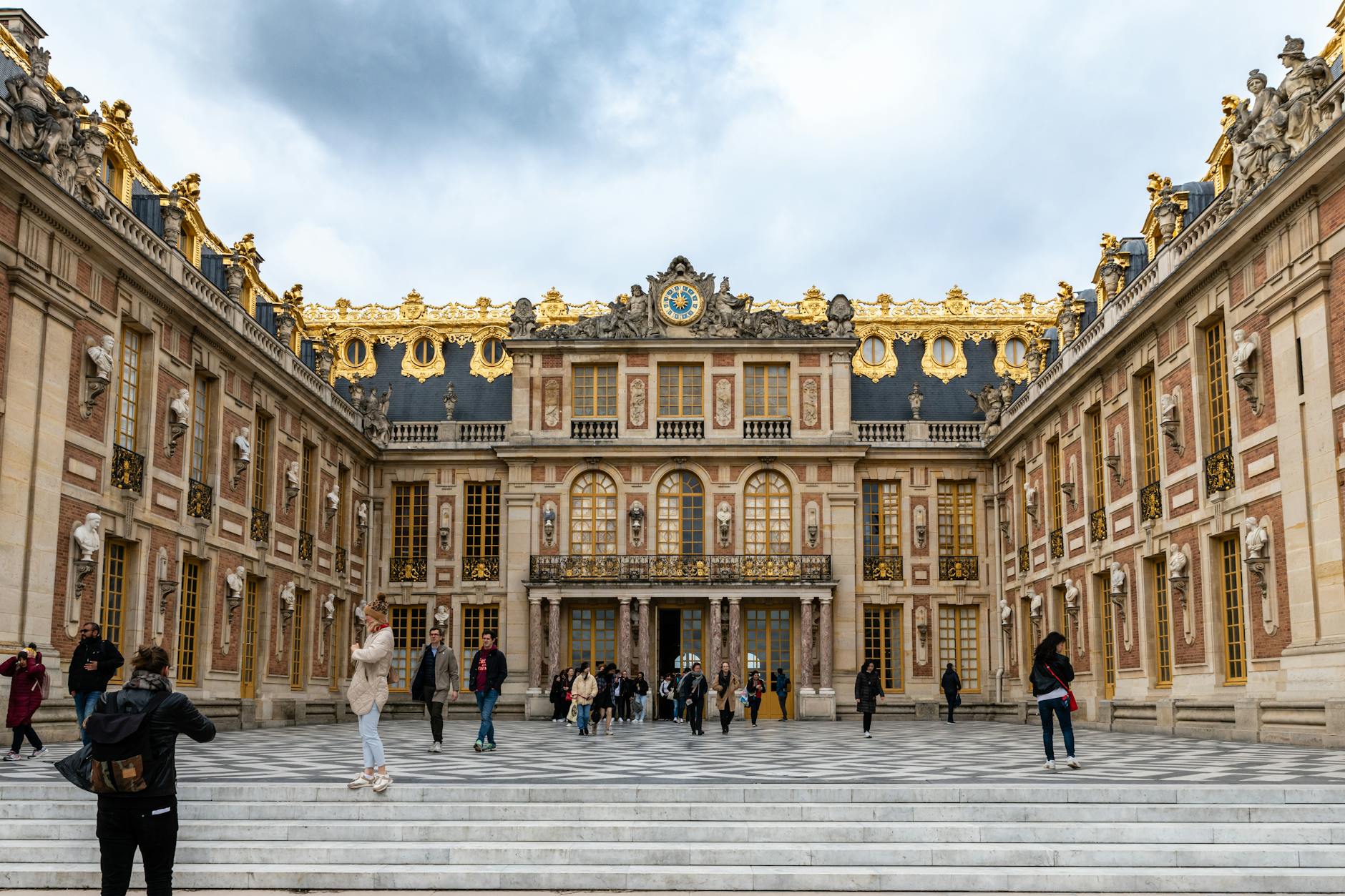
La Galleria degli Specchi: il simbolo del potere assoluto
Tra gli ambienti più iconici della reggia spicca la Galleria degli Specchi, lunga oltre 70 metri e decorata con centinaia di specchi, lampadari e affreschi celebrativi.
Ogni dettaglio serviva a glorificare Luigi XIV e il suo regno. Gli specchi riflettevano la luce naturale proveniente dalle enormi finestre affacciate sui giardini, creando un effetto scenografico senza precedenti per l’epoca.
Proprio qui, oltre due secoli dopo, sarebbe stato firmato il trattato che pose fine alla Prima guerra mondiale.
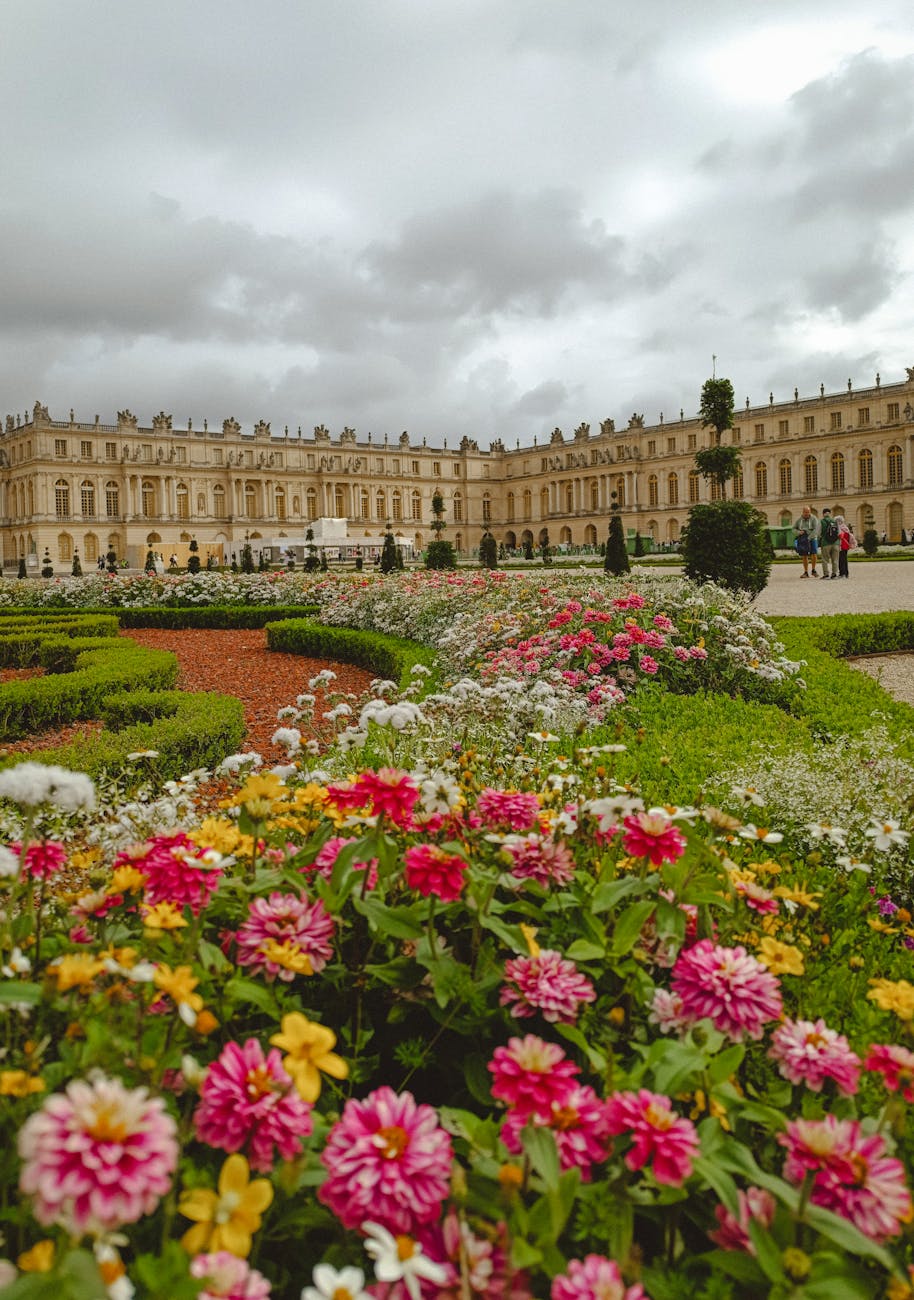
Versailles oggi: patrimonio mondiale e simbolo della Francia
Oggi la Reggia di Versailles è uno dei monumenti più visitati al mondo e rappresenta ancora il massimo splendore della monarchia francese.
Inserita tra i patrimoni dell’umanità UNESCO, la reggia conserva appartamenti reali, opere d’arte, giardini monumentali e fontane che raccontano la grandezza del regno di Luigi XIV. Ogni anno milioni di turisti raggiungono Versailles per ammirare il luogo dove nacque il modello della corte moderna europea.
L’inaugurazione del 7 maggio 1664 fu quindi l’inizio di un progetto destinato a cambiare la storia della Francia e dell’Europa.
Versailles divenne il simbolo del potere assoluto, di un sovrano che voleva essere ricordato come il centro del mondo.
Per il momento il sempre vostro Michelangelo Buonarroti vi saluta dandovi appuntamento ai prossimi post e sui social.
May 7, 1664: Louis XIV inaugurates Versailles and the myth of the Sun King is born
On May 7, 1664, the young King Louis XIV officially inaugurated the future Palace of Versailles with a spectacular celebration destined to go down in European history. That event marked the symbolic beginning of the most ambitious political and cultural project of the French monarchy.
The event took the name “Les Plaisirs de l’Île Enchantée,” a week of parties, banquets, theatrical performances, fireworks, and equestrian games organized to amaze the French nobility and demonstrate the sovereign’s power to the world.
Versailles, which was still far from the definitive magnificence we know today, became the perfect stage for Louis XIV’s absolutist dream.
Why Louis XIV chose Versailles
Before becoming the center of French power, Versailles was a simple hunting lodge built by Louis XIV’s father, Louis XIII. The site was far from the political tensions of Paris and guaranteed the sovereign greater control over the nobility.
As a child, Louis XIV had experienced the trauma of the Fronde, the revolt of the nobles and Parliament against the monarchy. From that moment, he developed the conviction that the king should concentrate all power in his own hands.
Versailles was also born for this: to transform the court into a political instrument, forcing aristocrats and officials to live alongside the sovereign under his constant scrutiny.
The inauguration in 1664 was therefore the first major step towards building the absolute symbol of the French monarchy.
Les Plaisirs de l’Île Enchantée: seven days of luxury and spectacle
The event organized by Louis XIV was a true demonstration of wealth. The celebrations lasted from May 7 to 13, 1664, and involved hundreds of artists, musicians, servants, and courtiers.
Among the protagonists of the celebrations were Molière and Jean-Baptiste Lully, who were invited to stage theatrical and musical performances for the guests of the court. The settings were extraordinary: gardens illuminated by thousands of candles, fountains running all night, and tables laden with dishes from all over the kingdom.
The festival was inspired by Ludovico Ariosto’s “Orlando Furioso” and aimed to associate Louis XIV with the image of an almost mythological ruler, capable of mastering art, politics, and nature.
The Transformation of the Palace of Versailles
In 1664, Versailles was not yet the gigantic palace that today attracts millions of visitors. Expansion work began immediately after those celebrations and continued for decades.
Louis XIV entrusted the project to the architects Louis Le Vau and later Jules Hardouin-Mansart. The gardens were designed by the renowned landscape architect André Le Nôtre, who transformed the surrounding area into one of the most spectacular examples of a French garden.
In the following years, the famous Hall of Mirrors, the royal apartments, the monumental fountains, and the enormous spaces for the court were built. In 1682, Louis XIV officially moved the government and court to Versailles, making it the political heart of France.
The Hall of Mirrors: the symbol of absolute power
Among the palace’s most iconic spaces, the Hall of Mirrors stands out, over 70 meters long and decorated with hundreds of mirrors, chandeliers, and celebratory frescoes.
Every detail served to glorify Louis XIV and his reign. The mirrors reflected the natural light coming from the enormous windows overlooking the gardens, creating a spectacular effect unprecedented for the time.
It was here, over two centuries later, that the treaty that ended the First World War would be signed.
Versailles Today: A World Heritage Site and a Symbol of France
Today, the Palace of Versailles is one of the most visited monuments in the world and still represents the pinnacle of the French monarchy.
A UNESCO World Heritage Site, the palace preserves royal apartments, works of art, monumental gardens, and fountains that speak to the grandeur of Louis XIV’s reign. Every year, millions of tourists flock to Versailles to admire the birthplace of the modern European court.
The inauguration on May 7, 1664, was therefore the beginning of a project destined to change the history of France and Europe.
Versailles became the symbol of absolute power, of a sovereign who wanted to be remembered as the center of the world.
For now, Michelangelo Buonarroti bids you farewell and invites you to join him in future posts and on social media.

Sostienici – Support Us
Se questo blog ti piace e ti appassiona, puoi aiutarci a farlo crescere sempre più sostenendoci in modo concreto condividendo i post, seguendo le pagine social e con un contributo che ci aiuta ad andare avanti con il nostro lavoro di divulgazione. . ENGLISH: If you like and are passionate about this blog, you can help us make it grow more and more by supporting us in a concrete way by sharing posts, following social pages and with a contribution that helps us to move forward with our dissemination work.
10,00 €
Articoli
Condividi:


Questo sono io




sostienici

Sostienici – Support Us
Se questo blog ti piace e ti appassiona, puoi aiutarci a farlo crescere sempre più sostenendoci in modo concreto condividendo i post, seguendo le pagine social e con un contributo che ci aiuta ad andare avanti con il nostro lavoro di divulgazione. . ENGLISH: If you like and are passionate about this blog, you can help us make it grow more and more by supporting us in a concrete way by sharing posts, following social pages and with a contribution that helps us to move forward with our dissemination work.
€10,00


Che incanto straordinario!! Finora dal vivo non l’ho ancora vista, l’ho sempre ammirata attraverso documentari alla tv.👌👌👍👍👏👏👏👏👏👏👏👏👏👏
"Mi piace"Piace a 1 persona
un logo strepitoso dove lo sfarzo è di casa
"Mi piace"Piace a 1 persona