

La Scultura del giorno: i leoni di Canova
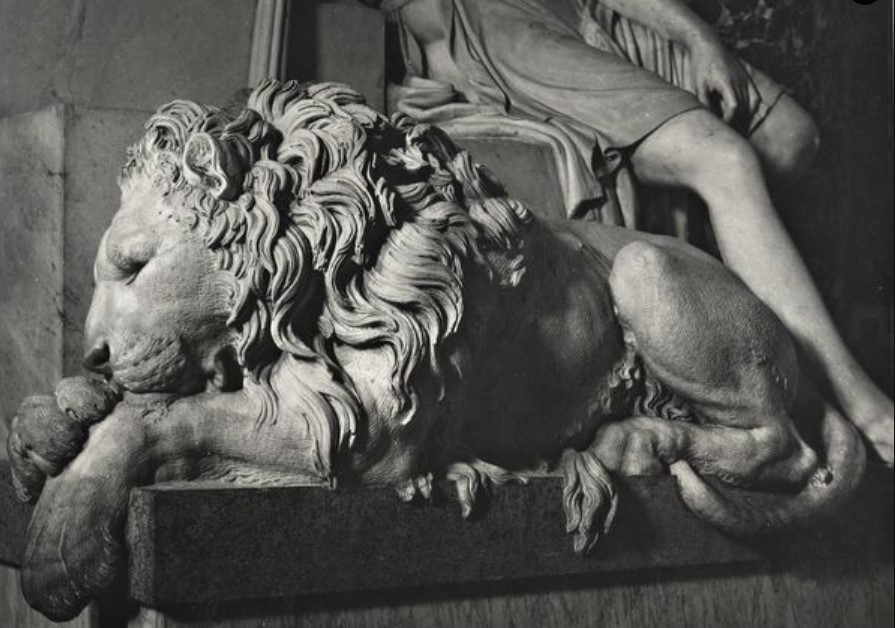
La scultura del giorno che vi propongo oggi in realtà sono due opere scultoree di Canova in pendand: il leone vegliante e quello dormiente che l’artista scolpì per la tomba di papa Clemente XIII, al secolo Carlo Rezzonico, fra il 1783 e il 1792.

Per papa Clemente XIII, Canova pensò a una struttura è suddivisa su tre differenti livelli. Il primo è occupato dai due mirabili leoni, l’uno vegliante e l’altro addormentato, che proteggono l’accesso al sepolcro mentre ai lati sono posizionati il Genio della Morte e della Religione.
il secondo livello è occupato dal sarcofago contenente le spoglie del pontefice mentre al vertice della composizione è posizionato Clemente XIII, inginocchiato su un cuscino mentre prega e, come segno di umiltà, ha deposto la tiara a terra.
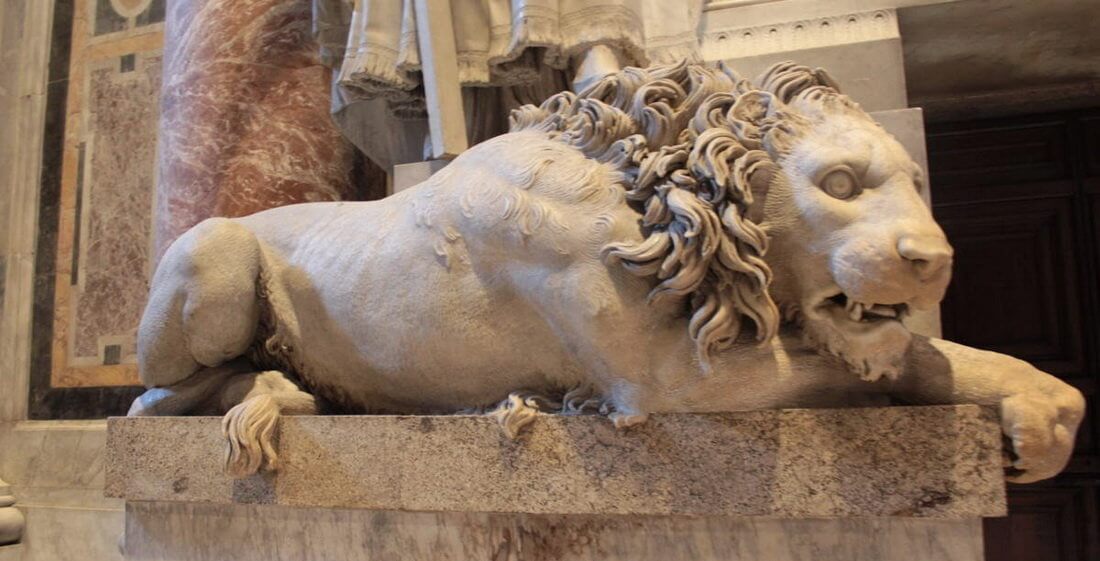
I due leoni collocati all’interno della Basilica di San Pietro in Vaticano ebbero un grandissimo successo tanto che l’artista volle replicare il leone dormiente per il monumento funebre di Maria Cristina d’Austria.
Dal punto di vista stilistico innegabile che i due felini e finanche la seconda versione, sono stati scolpiti da Canova in modo magistrale. La posa delle zampe, le criniere, l’atteggiamento degli animali e le loro espressioni fanno sembrare palpitanti e vivi i leoni.

Il grande monumento funebre fu inaugurato alla presenza del pontefice Pio VI Braschi la Settimana Santa del 1792, 23 anni dopo la morte di Clemente XIII.
Canova volle assistere di persona all’evento ma preferì mescolarsi fra la folla vestito da abate per ascoltare i commenti delle persone senza farsi notare.
Per il momento il vostro Michelangelo Buonarroti vi saluta dandovi appuntamento ai prossimi post e sui social.

Sculpture of the day: Canova’s lions
The sculpture of the day that I propose to you today are actually two sculptural works by Canova in pendand: the waking lion and the sleeping lion that the artist sculpted for the tomb of Pope Clement XIII, born Carlo Rezzonico, between 1783 and 1792.
For Pope Clement XIII, Canova thought of a structure divided into three different levels. The first is occupied by the two wonderful lions, one waking and the other sleeping, which protect access to the tomb while the Genius of Death and Religion are positioned on the sides.
the second level is occupied by the sarcophagus containing the remains of the pontiff while at the top of the composition is Clement XIII, kneeling on a cushion while praying and, as a sign of humility, he has placed the tiara on the ground.
The two lions placed inside St. Peter’s Basilica in the Vatican were such a great success that the artist wanted to replicate the sleeping lion for the funerary monument of Maria Christina of Austria.
From a stylistic point of view, it is undeniable that the two felines and even the second version were sculpted by Canova in a masterful way. The pose of the paws, the manes, the attitude of the animals and their expressions make the lions seem vibrant and alive.
The large funerary monument was inaugurated in the presence of Pope Pius VI Braschi during Holy Week 1792, 23 years after the death of Clement XIII.
Canova wanted to witness the event in person but preferred to mingle among the crowd dressed as an abbot to listen to people’s comments without being noticed.
For the moment, your Michelangelo Buonarroti greets you and will meet you in future posts and on social media.

Sostienici – Support Us
Se questo blog ti piace e ti appassiona, puoi aiutarci a farlo crescere sempre più sostenendoci in modo concreto condividendo i post, seguendo le pagine social e con un contributo che ci aiuta ad andare avanti con il nostro lavoro di divulgazione. . ENGLISH: If you like and are passionate about this blog, you can help us make it grow more and more by supporting us in a concrete way by sharing posts, following social pages and with a contribution that helps us to move forward with our dissemination work.
10,00 €
-

21 ottobre 1556: muore Pietro Aretino, il ‘flagello dei principi’ che attaccò il mio Giudizio Universale
🇮🇹Il 21 ottobre 1556 moriva Pietro Aretino, poeta e polemista rinascimentale. Dopo aver chiesto invano un mio disegno, si scagliò contro il Giudizio Universale… 🇬🇧On October 21, 1556, Pietro Aretino—a Renaissance poet and polemicist—died. After having asked me in vain for a drawing, he lashed out against The Last Judgment…
-
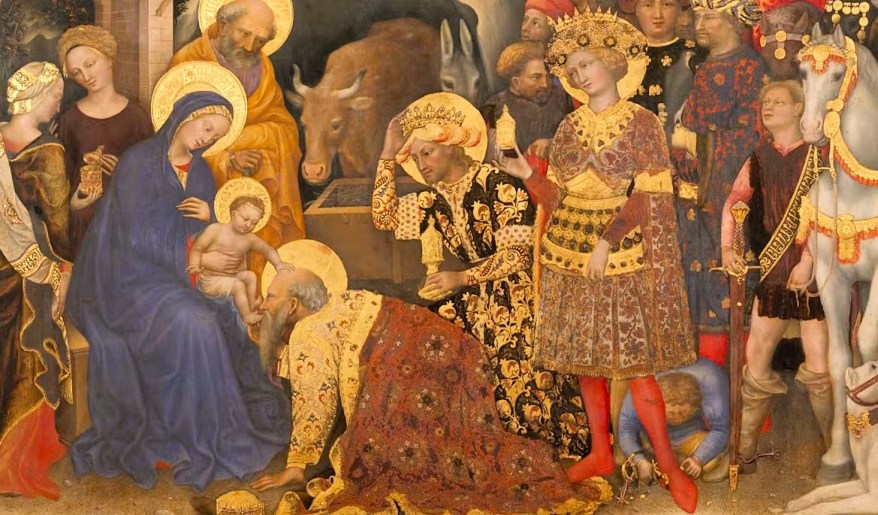
L’Adorazione dei Magi di Gentile da Fabriano: il Natale più ricco e spettacolare del Rinascimento
🇮🇹Oro, mantelli ricamati e un corteo di sovrani: scopri l’Adorazione dei Magi di Gentile da Fabriano, capolavoro del 1423 agli Uffizi… 🇬🇧Gold, embroidered cloaks, and a procession of sovereigns: discover the Adoration of the Magi by Gentile da Fabriano, a 1423 masterpiece housed at the Uffizi…
-
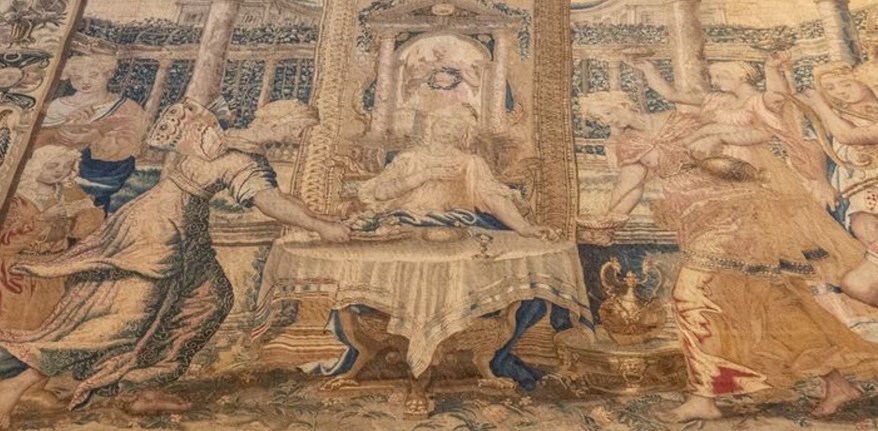
Dopo un secolo lontano dal pubblico, il Banchetto di Psiche torna a vivere: al via il restauro
🇮🇹Al via a Firenze il restauro del Banchetto di Psiche, l’arazzo seicentesco del Bargello rimasto nei depositi per un secolo. L’intervento durerà 30 mesi… 🇬🇧Restoration work has begun in Florence on *The Banquet of Psyche*, a 17th-century tapestry from the Bargello that had remained in storage for a century. The project will last 30 months…
Condividi:


Questo sono io




sostienici

Sostienici – Support Us
Se questo blog ti piace e ti appassiona, puoi aiutarci a farlo crescere sempre più sostenendoci in modo concreto condividendo i post, seguendo le pagine social e con un contributo che ci aiuta ad andare avanti con il nostro lavoro di divulgazione. . ENGLISH: If you like and are passionate about this blog, you can help us make it grow more and more by supporting us in a concrete way by sharing posts, following social pages and with a contribution that helps us to move forward with our dissemination work.
€10,00


1 commento »