

“D’un oggetto leggiadro e pellegrino”: i versi sul dolore che nasce dalla bellezza
Basta uno sguardo, una presenza, una bellezza fuori dall’ordinario per cambiare il nostro modo di percepire le cose. Non sempre ciò che ci appare meraviglioso porta con sé però la felicità. Talvolta è proprio da ciò che più ci attrae che nasce il nostro dolore.
D’un oggetto leggiadro e pellegrino,
d’un fonte di pietà nasce ’l mie male.
Il mio male nasce da un essere leggiadro e straordinario, da una presenza che suscita in me un sentimento profondo. Non si tratta di una bellezza qualsiasi, ma di qualcosa di raro, singolare, capace di lasciare un’impronta nell’animo.

Leggiadro e pellegrino. La prima parola richiama la grazia, la delicatezza, una bellezza che conquista senza bisogno di imporsi. La seconda, nel linguaggio poetico del mio tempo, indica ciò che è insolito, eccezionale, fuori dal comune.
Una bellezza che a conti fatti supera la normalità, una bellezza che diventa quasi impossibile da ignorare. Ma perché proprio da essa dovrebbe nascere il dolore?
Quando amare significa anche soffrire
Siamo abituati a pensare che la bellezza sia una fonte di gioia. La contempliamo, ci lasciamo conquistare, cerchiamo di avvicinarla. Esiste un’altra faccia di questo sentimento: quella in cui ciò che desideriamo diventa anche ciò che ci fa soffrire.
Accade quando la distanza fra noi e ciò che amiamo sembra incolmabile, quando il desiderio non trova risposta o quando la semplice contemplazione non riesce più a placare il nostro bisogno di vicinanza.
La bellezza, allora, si trasforma in una ferita.
Non sempre, dunque, ciò che ci fa stare bene è anche ciò che ci rende felici. A volte una persona può diventare il centro dei nostri pensieri proprio perché non riusciamo a raggiungerla come vorremmo.

“Fonte di pietà”: il significato nascosto di un’espressione
Il secondo verso contiene un’immagine ancora più interessante: ‘fonte di pietà‘. Questa espressione ha una storia antica. Nella tradizione cristiana, la fonte di pietà è un appellativo riferito a Cristo, sorgente di misericordia e salvezza. La poesia amorosa però aveva già trasferito questa immagine anche alla persona amata.
Prima di me, Francesco Petrarca aveva utilizzato un’espressione simile nel Canzoniere, rivolgendosi alla donna amata come a una possibile fonte di misericordia: “i’ pur devrei / al fonte di pietà trovar mercede”.
Chi ama non cerca soltanto di essere ricambiato, ma invoca anche comprensione, benevolenza, una forma di misericordia capace di alleviare il proprio tormento.
La bellezza è qualcosa che ci riguarda intimamente, che risveglia desideri, inquietudini e sentimenti difficili da governare. Non tutte le cose straordinarie arrivano per renderci felici. Alcune entrano nella nostra vita per mostrarci quanto possiamo essere vulnerabili.
E così, da un essere leggiadro e pellegrino, da quella stessa fonte dalla quale attendo pietà, continua a nascere il mio male.
D’un oggetto leggiadro e pellegrino,
d’un fonte di pietà nasce ’l mie male.
Per il momento il sempre vostro Michelangelo Buonarroti vi saluta dandovi appuntamento ai prossimi post e sui social.
“Of a graceful and extraordinary object”: verses on the pain born from beauty
A single glance, a presence, or a beauty beyond the ordinary is enough to shift how we perceive the world. Yet, what appears wonderful to us does not always bring happiness. Sometimes, it is precisely that which draws us in the most that gives rise to our pain.
Of a graceful and extraordinary object,
from a source of compassion, my suffering is born.
My suffering stems from a graceful and extraordinary being—a presence that stirs a profound feeling within me. This is no ordinary beauty; it is something rare and singular, capable of leaving an indelible mark upon the soul.
“Graceful and extraordinary” (leggiadro e pellegrino): the first term evokes grace and delicacy—a beauty that captivates without the need to assert itself. The second, in the poetic language of my time, denotes something unusual, exceptional—something truly out of the ordinary.
It is a beauty that transcends the norm, a beauty that becomes nearly impossible to ignore. But why should pain arise from such a source?
When loving also means suffering
We are accustomed to thinking of beauty as a source of joy. We contemplate it, allow ourselves to be won over by it, and seek to draw near to it. Yet, this sentiment has another side: one where the object of our desire becomes the very source of our suffering.
This happens when the distance between us and what we love seems unbridgeable, when our desire goes unanswered, or when mere contemplation is no longer enough to satisfy our longing for closeness.
In such moments, beauty transforms into a wound.
Thus, what makes us feel good is not always what makes us happy. Sometimes, a person may become the very center of our thoughts precisely because we cannot reach them in the way we wish. “Fount of Pity”: The Hidden Meaning of an Expression
The second line contains an even more intriguing image: “fount of pity.” This expression has an ancient history. In the Christian tradition, the “fount of pity” is a title applied to Christ—a source of mercy and salvation. In the realm of love poetry, however, this image was also extended to the beloved.
Before my time, Francesco Petrarca used a similar expression in his Canzoniere, addressing his beloved as a potential source of mercy: “I ought, surely, / to find grace at the fount of pity.”
Those who love do not merely seek to have their affection returned; they also plead for understanding, benevolence—a form of mercy capable of easing their own torment.
Beauty is something that touches us deeply, awakening desires, restlessness, and emotions that are difficult to control. Not everything extraordinary arrives to bring us happiness; some things enter our lives only to reveal just how vulnerable we can be.
And so, from a graceful, transient being—from that very same fount where I seek pity—my suffering continues to spring.
D’un oggetto leggiadro e pellegrino,
d’un fonte di pietà nasce ’l mie male.
For now, yours truly, Michelangelo Buonarroti, bids you farewell—see you in future posts and on social media.
Sostienici – Support Us
Se questo blog ti piace e ti appassiona, puoi aiutarci a farlo crescere sempre più sostenendoci in modo concreto condividendo i post, seguendo le pagine social e con un contributo che ci aiuta ad andare avanti con il nostro lavoro di divulgazione. . ENGLISH: If you like and are passionate about this blog, you can help us make it grow more and more by supporting us in a concrete way by sharing posts, following social pages and with a contribution that helps us to move forward with our dissemination work.
10,00 €
Condividi:


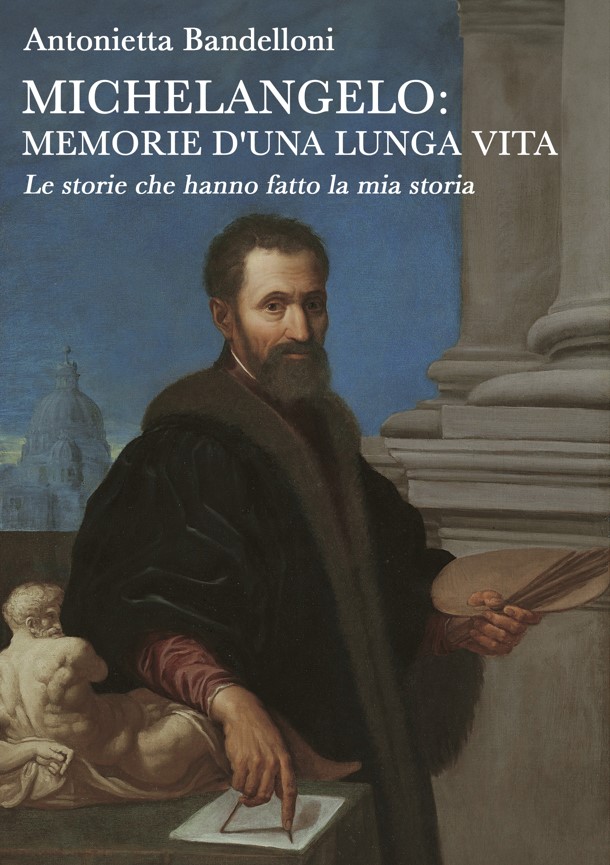
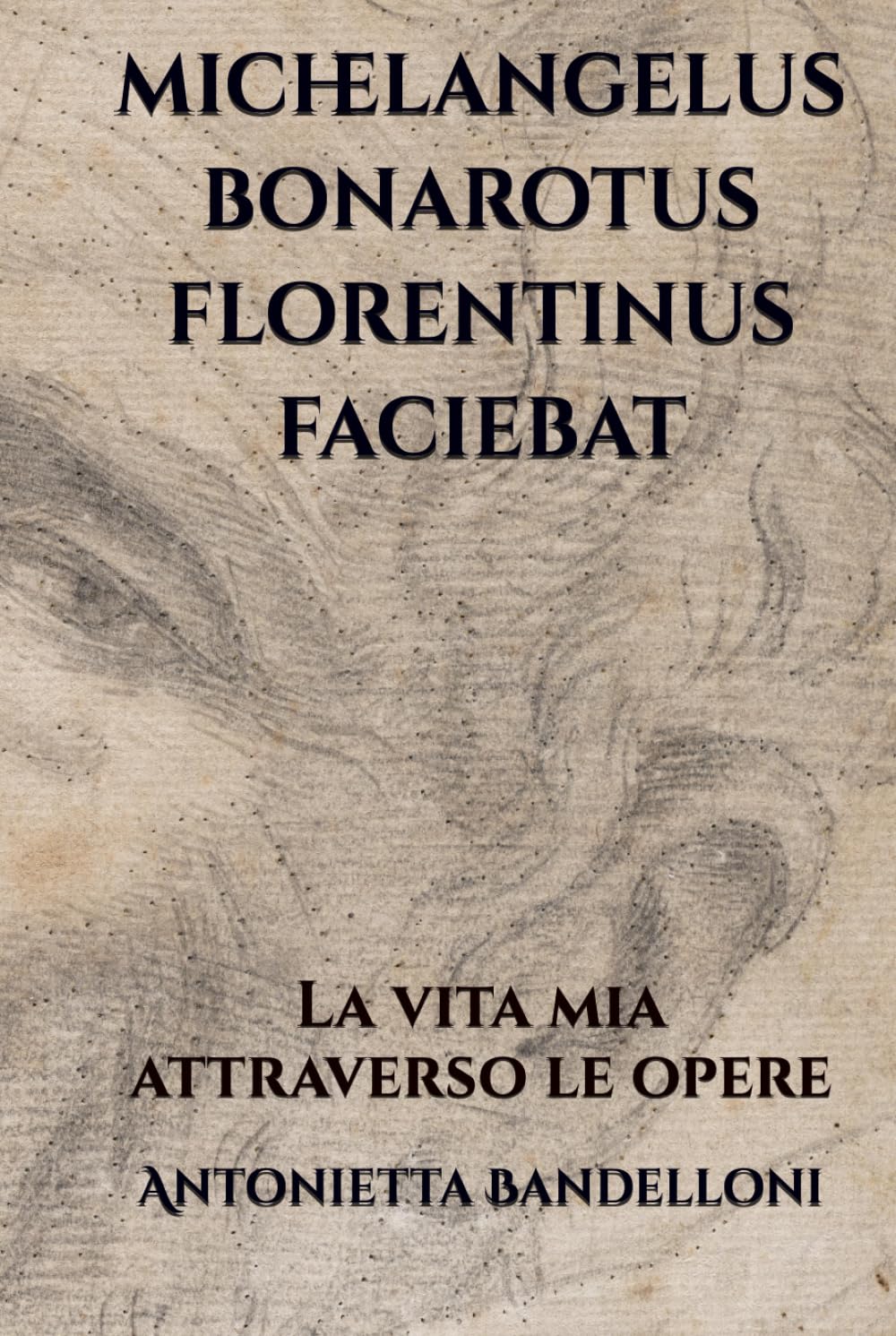
Questo sono io



sostienici

Sostienici - Support Us
Se questo blog ti piace e ti appassiona, puoi aiutarci a farlo crescere sempre più sostenendoci in modo concreto condividendo i post, seguendo le pagine social e con un contributo che ci aiuta ad andare avanti con il nostro lavoro di divulgazione. . ENGLISH: If you like and are passionate about this blog, you can help us make it grow more and more by supporting us in a concrete way by sharing posts, following social pages and with a contribution that helps us to move forward with our dissemination work.
€10,00


