
Teodorico, 1500 anni dopo: Ravenna riaccende la memoria del re goto
Ravenna torna a guardare alla propria storia e lo fa nel segno di una delle figure più affascinanti della tarda Antichità. A 1500 anni dalla morte di Teodorico il Grande, la città celebra il sovrano degli Ostrogoti con le “Celebrazioni Teodoriciane 526-2026: Ravenna nel segno di Teodorico”, un programma che attraversa storia, arte, musica, teatro e linguaggi contemporanei.
L’appuntamento assume un significato ancora più forte perché nel 2026 ricorrono anche i 30 anni dall’iscrizione dei Monumenti Paleocristiani di Ravenna nella lista del Patrimonio Mondiale UNESCO e i trent’anni della rassegna estiva Mosaico di Notte.

Chi era Teodorico, il re degli Ostrogoti che scelse Ravenna
Teodorico nacque nel 454 e morì a Ravenna il 30 agosto 526. Re degli Ostrogoti, fu uno dei protagonisti più importanti e controversi del passaggio dall’Antichità al Medioevo.
Da giovane visse a Costantinopoli, dove entrò in contatto con la cultura e le istituzioni dell’Impero romano d’Oriente. Quando arrivò in Italia alla guida del suo popolo, seppe trasformare Ravenna nel cuore politico del proprio regno.
Nel 493 conquistò Ravenna, facendone la capitale del regno ostrogoto.
La sua esperienza politica rappresentò un momento singolare di incontro tra mondi diversi: la tradizione romana, la cultura germanica e l’eredità bizantina finirono per convivere nella stessa città.

Il 30 agosto il cuore delle celebrazioni
La data simbolica sarà naturalmente quella del 30 agosto, giorno della morte di Teodorico.
Ravenna proporrà una serie di appuntamenti dedicati alla sua memoria, ma il calendario delle celebrazioni si svilupperà anche nei giorni precedenti e successivi, trasformando l’anniversario in un vero percorso attraverso la storia della città.
Al centro ci sarà soprattutto il Mausoleo di Teodorico, uno dei monumenti più riconoscibili della Ravenna tardoantica e testimonianza straordinaria della presenza ostrogota.
Il Mausoleo di Teodorico diventa una scena contemporanea
Tra gli appuntamenti più suggestivi c’è “Visioni di Eterno”, progetto di Andrea Bernabini in programma il 29 agosto e dall’1 al 6 settembre.
La pietra d’Istria del Mausoleo di Teodorico sarà trasformata attraverso luci e suoni in una superficie capace di dialogare con le nuove tecnologie e con la sensibilità contemporanea.
Il monumento non sarà quindi soltanto osservato come testimonianza archeologica, ma diventerà uno spazio immersivo nel quale passato e presente potranno incontrarsi.
La prima esecuzione moderna del “Teodorico” di Giovanni Porta
Uno dei momenti più attesi delle Celebrazioni Teodoriciane sarà quello musicale.
Il 30 agosto, nell’ambito di “Notti Trasfigurate”, al Mausoleo di Teodorico sarà proposta la prima esecuzione in tempi moderni del “Teodorico”, dramma per musica composto nel 1720 da Giovanni Porta.
L’opera è stata ricostruita grazie alla collaborazione con il Dipartimento di Beni Culturali dell’Università di Bologna e con l’Ensemble Aurea.
Dopo oltre tre secoli, la figura del sovrano goto tornerà dunque a vivere anche attraverso la musica.
È uno degli aspetti più affascinanti dell’iniziativa: non limitarsi a celebrare un personaggio storico, ma recuperare una pagina della storia musicale legata alla sua figura e restituirla al pubblico contemporaneo.
Carlo Lucarelli racconta il mistero della Corazza di Teodorico
La storia di Teodorico arriverà anche sul palcoscenico del Teatro Alighieri.
Il 22 settembre è in programma “La Corazza di Teodorico”, spettacolo che vedrà protagonista Carlo Lucarelli, insieme al baritono Raffaello Bellavista.
Al centro della narrazione ci sarà una delle vicende più misteriose legate alla memoria del sovrano: il furto del reperto aureo avvenuto nel 1924.
La storia diventa così un racconto investigativo nel quale archeologia, cronaca e mistero si intrecciano, riportando alla luce una vicenda che ancora oggi alimenta la curiosità.
Judith Herrin e il ruolo di Ravenna nel Mediterraneo
La dimensione storica delle celebrazioni sarà approfondita anche attraverso gli incontri con studiosi e storici.
Il 1° settembre, al Teatro Alighieri, sarà protagonista la storica e bizantinista Judith Herrin, con una Lectio Magistralis dedicata al ruolo di Ravenna come snodo politico del Mediterraneo e luogo di incontro tra culture.
A completare il programma sarà il ciclo di conferenze “Tempus non vincit omnia”, con docenti e storici chiamati a rileggere l’epoca di Teodorico e il complesso rapporto tra mondo romano, cultura germanica e Oriente bizantino.
La danza contemporanea entra nel Palazzo di Teodorico
Il dialogo tra passato e presente proseguirà anche attraverso la danza.
Al Palazzo di Teodorico, la performance contemporanea “Giuiuzza” di Veronica Parlagreco metterà in relazione la memoria del corpo con l’architettura storica.
È una delle chiavi più interessanti delle celebrazioni: Teodorico non viene raccontato soltanto attraverso conferenze e ricostruzioni storiche, ma attraverso una pluralità di linguaggi capaci di coinvolgere pubblici differenti.
Ravenna, una città costruita sulla memoria
Le Celebrazioni Teodoriciane 526-2026 diventano così molto più di un anniversario.
Sono l’occasione per tornare a riflettere sulla particolare identità di Ravenna, città nella quale si sono incontrate e sovrapposte culture, religioni, lingue e poteri differenti.
Teodorico appartiene a un’epoca di profonde trasformazioni, ma proprio per questo la sua storia continua a interrogare il presente.
A 1500 anni dalla sua morte, Ravenna sceglie di non limitarsi a ricordarlo. Lo fa rivivere attraverso la musica, la luce, il teatro, la danza e la ricerca storica.
Per il momento il sempre vostro Michelangelo Buonarroti vi saluta dandovi appuntamento ai prossimi post e sui social.
Theodoric, 1500 Years Later: Ravenna Rekindles the Memory of the Gothic King
Ravenna returns to its history, and it does so in the name of one of the most fascinating figures of late antiquity. 1500 years after the death of Theodoric the Great, the city celebrates the Ostrogoth ruler with “Theodorician Celebrations 526-2026: Ravenna in the Name of Theodoric,” a program spanning history, art, music, theater, and contemporary languages.
The event takes on an even greater significance because 2026 also marks the 30th anniversary of the inscription of the Early Christian Monuments of Ravenna on the UNESCO World Heritage List and the thirtieth anniversary of the Mosaico di Notte summer festival.
Who was Theodoric, the King of the Ostrogoths Who Chose Ravenna
Theodoric was born in 454 and died in Ravenna on August 30, 526. King of the Ostrogoths, he was one of the most important and controversial figures in the transition from Antiquity to the Middle Ages.
As a young man, he lived in Constantinople, where he came into contact with the culture and institutions of the Eastern Roman Empire. When he arrived in Italy to lead his people, he transformed Ravenna into the political heart of his kingdom.
In 493, he conquered Ravenna, making it the capital of the Ostrogothic kingdom.
His political experience represented a unique moment of encounter between different worlds: Roman tradition, Germanic culture, and Byzantine heritage ended up coexisting in the same city.
August 30th: The Heart of the Celebrations
The symbolic date will naturally be August 30th, the day of Theodoric’s death.
Ravenna will offer a series of events dedicated to his memory, but the calendar of celebrations will also unfold in the days leading up to and after, transforming the anniversary into a true journey through the city’s history.
At the center will be the Mausoleum of Theodoric, one of the most recognizable monuments of late-antique Ravenna and an extraordinary testimony to the Ostrogothic presence.
The Mausoleum of Theodoric Becomes a Contemporary Stage
Among the most evocative events is “Visions of Eternity,” a project by Andrea Bernabini scheduled for August 29th and from September 1st to 6th.
The Istrian stone of the Mausoleum of Theodoric will be transformed through light and sound into a surface capable of interacting with new technologies and contemporary sensibilities.
The monument will therefore not only be observed as an archaeological testimony, but will become an immersive space in which past and present can meet.
The first modern performance of Giovanni Porta’s “Teodorico”
One of the most anticipated moments of the Theodoric Celebrations will be the musical one.
On August 30th, as part of “Notti Trasfigurate,” the Mausoleum of Theodoric will host the first modern performance of “Teodorico,” a musical drama composed in 1720 by Giovanni Porta.
The opera was reconstructed thanks to the collaboration with the Department of Cultural Heritage of the University of Bologna and the Ensemble Aurea.
After more than three centuries, the figure of the Gothic ruler will thus be brought back to life, also through music.
This is one of the most fascinating aspects of the initiative: not simply celebrating a historical figure, but recovering a page in the history of music linked to his figure and bringing it back to contemporary audiences.
Carlo Lucarelli recounts the mystery of Theodoric’s Armor
Theodoric’s story will also be performed on the stage of the Alighieri Theater.
On September 22nd, “Theodoric’s Armor” will be performed, starring Carlo Lucarelli and baritone Raffaello Bellavista.
The narrative will center on one of the most mysterious events linked to the sovereign’s memory: the theft of the gold relic in 1924.
The story thus becomes an investigative tale in which archaeology, current events, and mystery intertwine, bringing to light a story that still fuels curiosity today.
Judith Herrin and Ravenna’s Role in the Mediterranean
he historical dimension of the celebrations will also be explored through meetings with scholars and historians.
On September 1st, at the Teatro Alighieri, historian and Byzantinist Judith Herrin will deliver a Lectio Magistralis dedicated to Ravenna’s role as a political hub of the Mediterranean and a meeting place of cultures.
The program will be rounded out by the series of conferences “Tempus non vincit omnia,” with professors and historians invited to reinterpret the era of Theodoric and the complex relationship between the Roman world, Germanic culture, and the Byzantine East.
Contemporary dance enters Theodoric’s Palace
The dialogue between past and present will also continue through dance.
At Theodoric’s Palace, the contemporary performance “Giuiuzza” by Veronica Parlagreco will connect the memory of the body with historical architecture.
This is one of the most interesting aspects of the celebrations: Theodoric is told not only through conferences and historical reconstructions, but through a variety of languages capable of engaging different audiences.
Ravenna, a city built on memory
The Theodoric Celebrations 526-2026 thus become much more than an anniversary.
They are an opportunity to reflect once again on the unique identity of Ravenna, a city where different cultures, religions, languages, and powers met and overlapped.
Theodoric belonged to an era of profound transformations, but precisely for this reason his story continues to question the present.
1,500 years after his death, Ravenna chooses not to simply remember him. It brings him to life through music, light, theater, dance, and historical research.
For now, yours truly, Michelangelo Buonarroti bids you farewell and invites you to join him in future posts and on social media.

Sostienici – Support Us
Se questo blog ti piace e ti appassiona, puoi aiutarci a farlo crescere sempre più sostenendoci in modo concreto condividendo i post, seguendo le pagine social e con un contributo che ci aiuta ad andare avanti con il nostro lavoro di divulgazione. . ENGLISH: If you like and are passionate about this blog, you can help us make it grow more and more by supporting us in a concrete way by sharing posts, following social pages and with a contribution that helps us to move forward with our dissemination work.
10,00 €
-
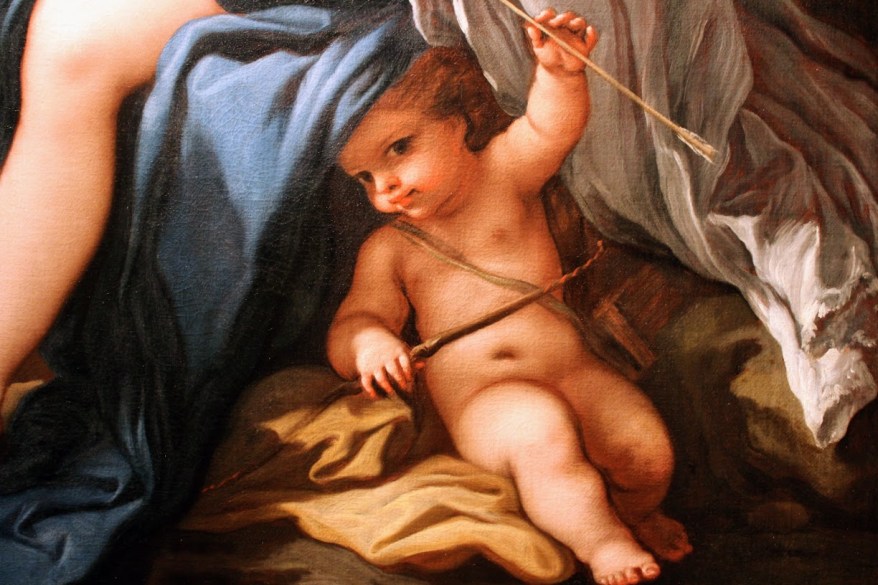
18 ottobre 1634: nasce Luca Giordano, il pittore che dipingeva così in fretta da essere chiamato «Luca fa’ presto»
🇮🇹Luca Giordano nacque a Napoli il 18 ottobre 1634. Scopri perché era chiamato «Luca fa’ presto» e i suoi capolavori, dalla Galleria degli Specchi alla corte di Spagna… 🇬🇧Luca Giordano was born in Naples on October 18, 1634. Discover why he was nicknamed “Luca fa’ presto” (“Luca, hurry up!”) and explore his masterpieces—from the Hall…
-
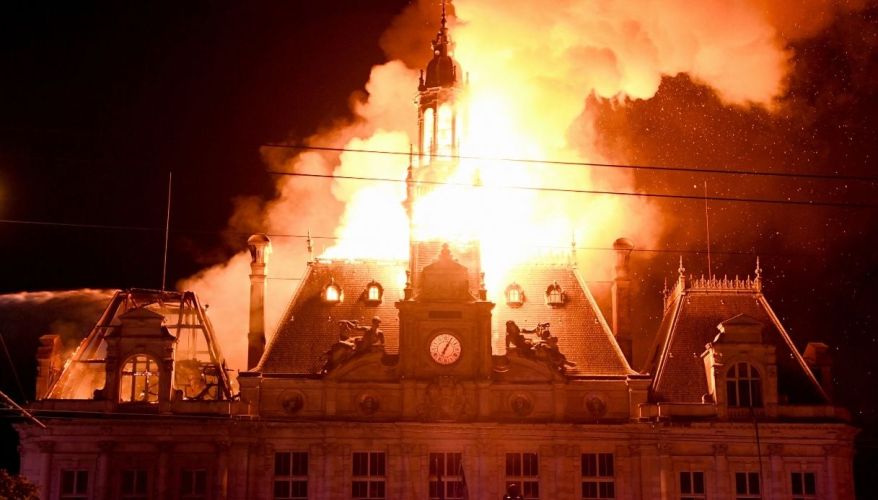
Incendio al municipio di Limoges, crolla la torre dell’orologio: distrutto storico palazzo dell’Ottocento
🇮🇹Incendio a Limoges, il municipio storico è devastato: crollano il tetto e la torre dell’orologio alta 43 metri. Che cosa resta del patrimonio artistico? 🇬🇧Fire in Limoges: the historic town hall is devastated, with its roof and 43-meter-tall clock tower having collapsed. What remains of its artistic heritage?
-
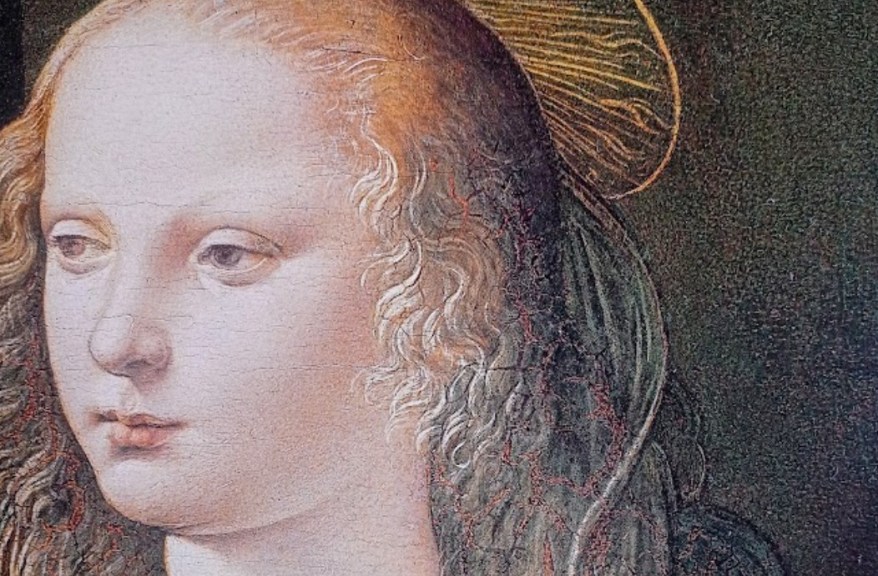
Prima di Gesù Bambino viene l’Annunciazione: i dipinti che raccontano l’inizio della storia di Natale
🇮🇹Prima di Gesù Bambino c’è l’Annunciazione: scopri i dipinti più celebri di Leonardo, Beato Angelico e Simone Martini e i simboli nascosti nell’arte cristiana… 🇬🇧Before the Christ Child comes the Annunciation: discover the most famous paintings by Leonardo, Fra Angelico, and Simone Martini, and the symbols hidden within Christian art…
Condividi:


Questo sono io




sostienici

Sostienici – Support Us
Se questo blog ti piace e ti appassiona, puoi aiutarci a farlo crescere sempre più sostenendoci in modo concreto condividendo i post, seguendo le pagine social e con un contributo che ci aiuta ad andare avanti con il nostro lavoro di divulgazione. . ENGLISH: If you like and are passionate about this blog, you can help us make it grow more and more by supporting us in a concrete way by sharing posts, following social pages and with a contribution that helps us to move forward with our dissemination work.
€10,00


