
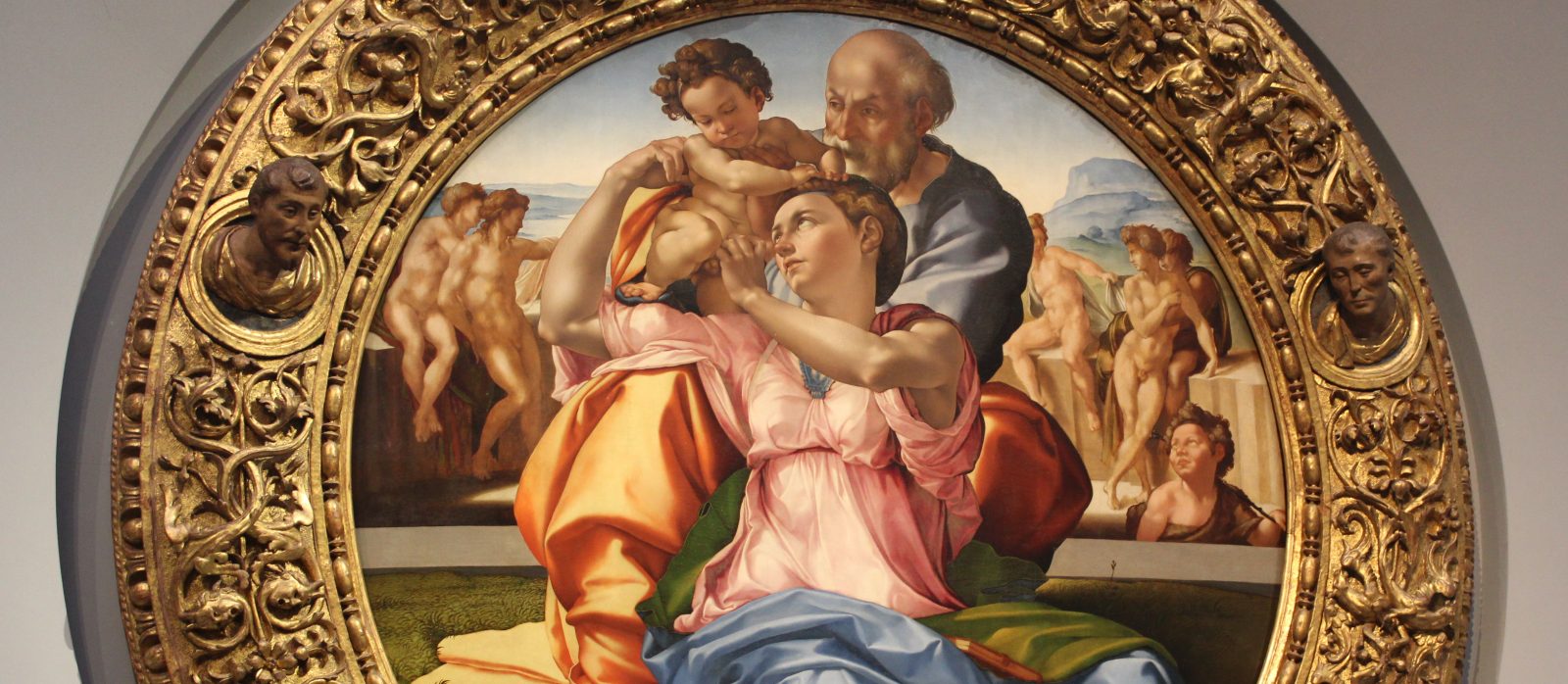
“O mondo falso”: il passato, le illusioni e il cielo
Mentre il passato mi torna davanti agli occhi, mi diviene sempre più netta la sensazione di capire quanto l’uomo possa ingannarsi dietro alle promesse del mondo.
Ho scritto questi versi guardando non tanto al presente, quanto alla memoria: è nel passato, infatti, che spesso impariamo a riconoscere ciò che, quando lo vivevamo, non riuscivamo ancora a vedere.
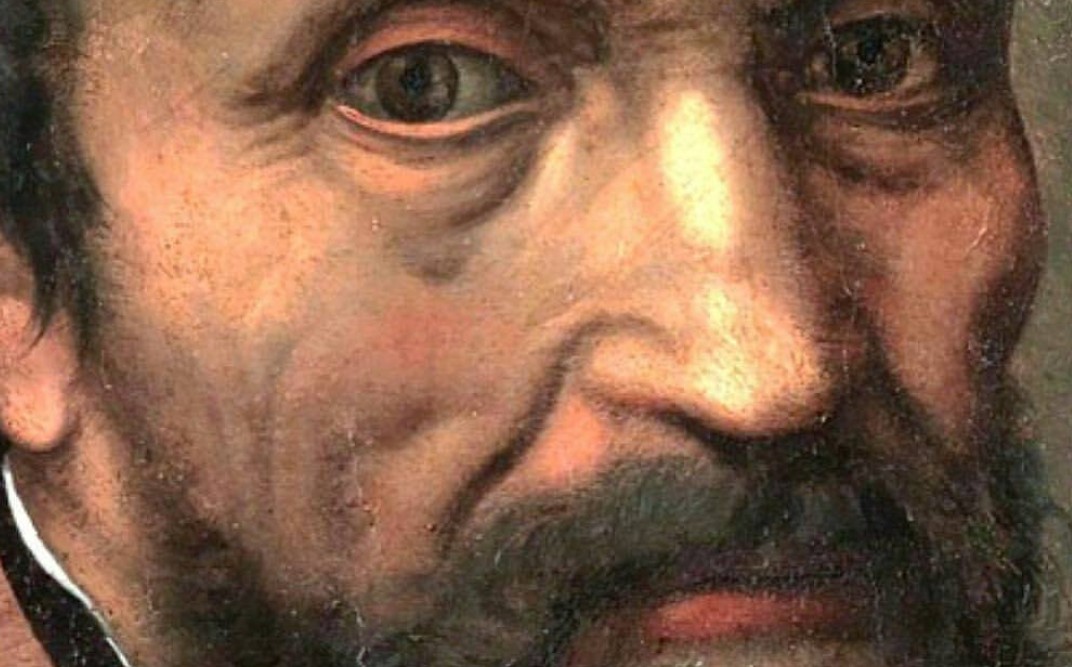
Il mondo è seducente, promette felicità, pace, piaceri e soddisfazioni. Ma è un mondo falso: conosco il prezzo delle sue lusinghe. Ciò che sembra desiderabile può trasformarsi in inquietudine, rimorso e dolore.
Mentre che ’l mie passato m’è presente,
sì come ognor mi viene,
o mondo falso, allor conosco bene
l’errore e ’l danno dell’umana gente.
È un sentimento che appartiene alla vecchiaia e alla consapevolezza: il tempo, dopo averci fatto vivere le cose, ci concede di comprenderle.
Le lusinghe del mondo e i suoi vani diletti
L’uomo, però, non sempre riesce a resistere. C’è un cuore che finisce per arrendersi alle seduzioni della vita, ai piaceri che sembrano promettere felicità ma che, alla fine, lasciano nell’anima soltanto inquietudine.
Quel cor, c’alfin consente
a’ tuo lusinghi e a’ tuo van diletti,
procaccia all’alma dolorosi guai.
Ecco le lusinghe del mondo, dei suoi “vani diletti”: piaceri destinati a svanire, desideri che sembrano appagare ma che possono diventare una fonte di sofferenza.
Chi vi cede non trova necessariamente quella felicità che cercava. Al contrario, può procurare all’anima “dolorosi guai”. La parola alma, anima, porta il discorso oltre la semplice esperienza terrena: ciò che conta non è soltanto ciò che possediamo o godiamo nel mondo, ma ciò che lasciamo dentro di noi.
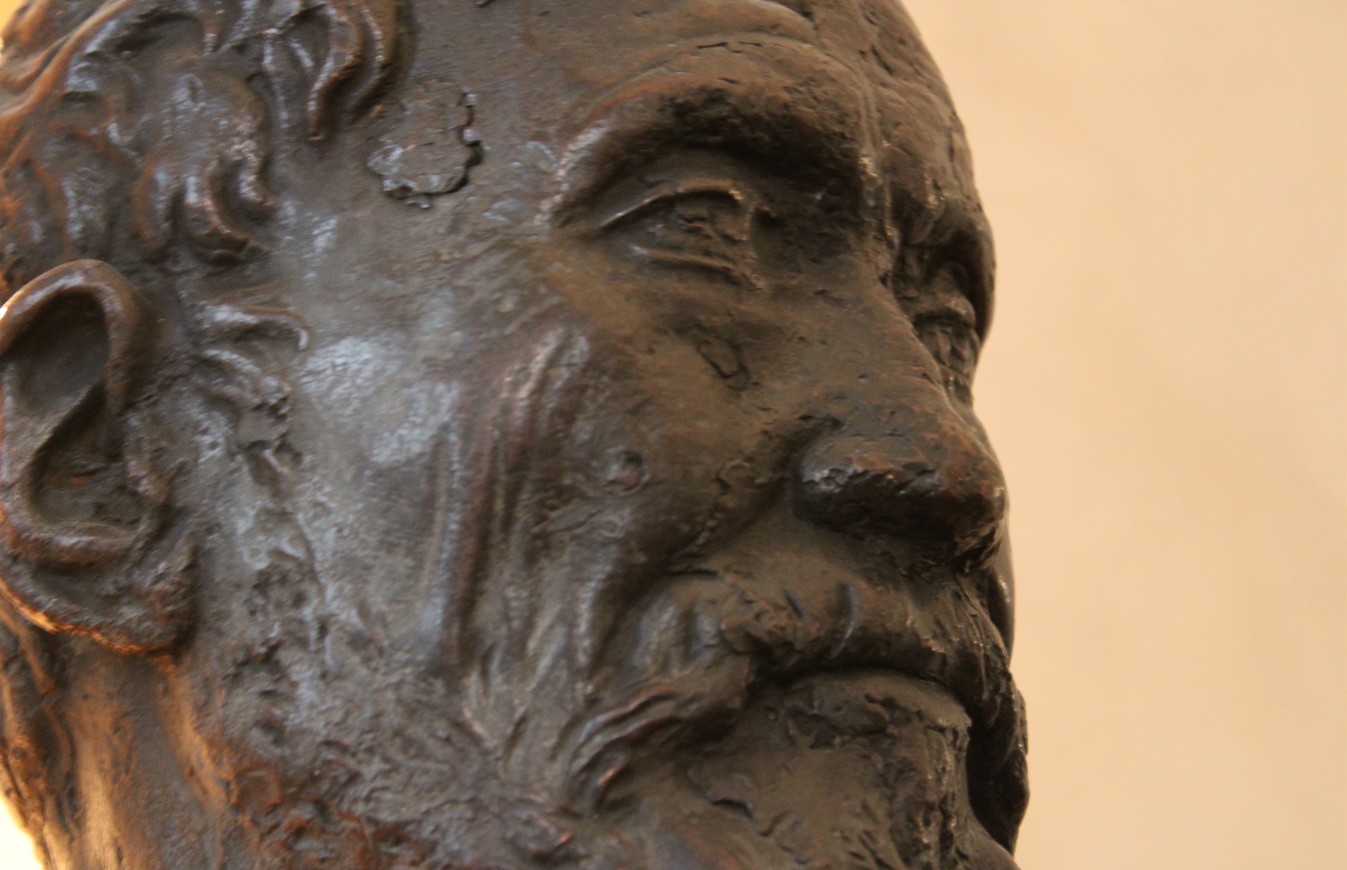
La promessa di una pace che il mondo non possiede
Il mondo promette ciò che non può realmente dare.
Ben lo sa chi lo sente,
come spesso prometti
altrui la pace e ’l ben che tu non hai
né debbi aver già mai.
Chi ha provato sulla propria pelle le seduzioni della vita sa bene quanto spesso il mondo prometta pace e bene senza possederli veramente.
Non è una condanna pronunciata da chi osserva la vita da lontano ma il mio è il pensiero di un uomo che ha conosciuto il desiderio, la gloria, l’arte, le passioni, le fatiche e le illusioni e che, con il passare degli anni, guarda a tutto questo con occhi diversi.
Più a lungo si vive, più pesante può diventare il cammino
Dunche ha men grazia chi più qua soggiorna:
ché chi men vive più lieve al ciel torna.
Se dunque l’uomo rimane più a lungo in questo mondo, può accumulare più colpe, più legami, più cedimenti alle sue seduzioni. Chi vive meno a lungo, invece, può tornare al cielo più leggero, perché ha avuto meno tempo per caricarsi dei peccati e delle illusioni della vita terrena.
La parola “lieve” è fondamentale. Non indica soltanto leggerezza fisica: è la leggerezza dell’anima che si presenta al cielo senza il peso di ciò che il mondo ha accumulato sulle sue spalle.
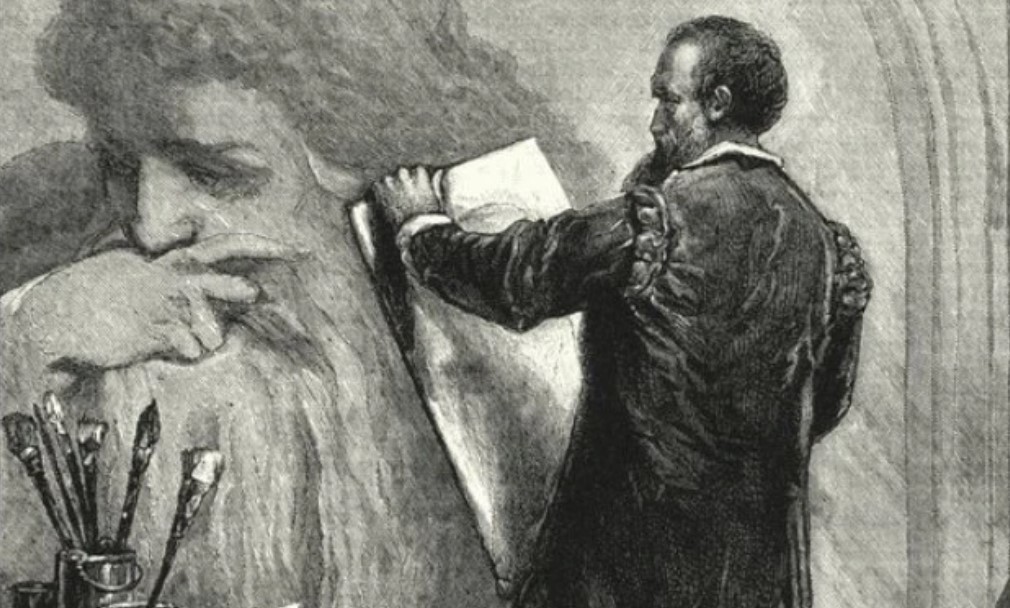
Il mondo terreno e il desiderio del cielo
In questi versi non guardo solo alla morte ma alla salvezza dell’anima e alla necessità di liberarsi dalle illusioni terrene.
Il mondo può affascinare, ma non è eterno. Le sue promesse sono fragili, i suoi piaceri passeggeri. L’arte stessa, che pure ho inseguito per tutta la vita, non può essere il fine ultimo dell’uomo.
La vera pace non appartiene alle cose che possediamo qui, ma a ciò che l’anima può finalmente trovare oltre questa vita.
Il madrigale e il dialogo con Petrarca
Il componimento è un madrigale che ha una forte eco della tradizione petrarchesca. Alcune espressioni richiamano infatti direttamente il linguaggio di Francesco Petrarca, soprattutto nel rapporto tra esperienza personale, errore umano, pentimento e consapevolezza.
Non è casuale che io dica “ben lo sa chi lo sente”: la verità acquisisce valore quando nasce dall’esperienza.
Anche l’espressione “dell’umana gente” appartiene a quel linguaggio alto e morale che Petrarca aveva reso familiare alla poesia italiana. Ma nei miei versi la lezione petrarchesca diventa confessione personale: non osservo l’uomo ma guardo me stesso dentro l’uomo.
Mentre che ’l mie passato m’è presente,
sì come ognor mi viene,
o mondo falso, allor conosco bene
l’errore e ’l danno dell’umana gente:
quel cor, c’alfin consente
a’ tuo lusinghi e a’ tuo van diletti,
procaccia all’alma dolorosi guai.
Ben lo sa chi lo sente,
come spesso prometti
altrui la pace e ’l ben che tu non hai
né debbi aver già mai.
Dunche ha men grazia chi più qua soggiorna:
ché chi men vive più lieve al ciel torna.
Per il momento il sempre vostro Michelangelo Buonarroti vi saluta dandovi appuntamento ai prossimi post e sui social.
“O False World”: The Past, Illusions, and the Sky
As the past returns before my eyes, I feel ever more clearly how man can deceive himself by the promises of the world.
I wrote these verses looking not so much at the present as at memory: it is in the past, in fact, that we often learn to recognize what, when we lived it, we could not yet see.
The world is seductive, it promises happiness, peace, pleasure, and satisfaction. But it is a false world: I know the price of its allurements. What seems desirable can turn into anxiety, remorse, and pain.
While my past is present to me,
as it always is,
O false world, then I know well
the error and harm of humankind.
It is a feeling that belongs to old age and awareness: time, after having made us experience things, allows us to understand them.
The lures of the world and its vain pleasures
But man cannot always resist. There is a heart that ends up surrendering to the seductions of life, to pleasures that seem to promise happiness but, in the end, leave only restlessness in the soul.
That heart, which finally consents
to your lures and your vain pleasures,
brings painful troubles to the soul.
These are the lures of the world, of its “vain pleasures”: pleasures destined to vanish, desires that seem to satisfy but can become a source of suffering.
Those who give in to them do not necessarily find the happiness they seek. On the contrary, they can bring “painful troubles” to the soul. The word “alma,” soul, takes the discussion beyond mere earthly experience: what matters is not only what we possess or enjoy in the world, but what we leave within ourselves.
The promise of a peace that the world does not possess
The world promises what it cannot truly deliver.
Anyone who feels it knows well,
how often you promise
others peace and happiness that you neither have
nor should ever have.
Those who have personally experienced the seductions of life know well how often the world promises peace and happiness without truly possessing them.
This is not a condemnation pronounced by someone who observes life from afar, but mine is the thought of a man who has known desire, glory, art, passions, toil, and illusions, and who, with the passing of the years, looks at all of this with different eyes.
The longer one lives, the more difficult the journey can become.
Therefore, the more graceful the one who stays here, the less:
for the less one lives, the lighter one returns to heaven.
So if man remains longer in this world, he can accumulate more guilt, more ties, more succumbing to its seductions. Those who live less, however, can return to heaven lighter, because they have had less time to burden themselves with the sins and illusions of earthly life.
The word “light” is crucial. It doesn’t merely indicate physical lightness: it is the lightness of the soul that presents itself to heaven without the burden of what the world has heaped upon its shoulders.
The Earthly World and the Desire for Heaven
In these verses, I am not only looking at death but at the salvation of the soul and the need to free ourselves from earthly illusions.
The world may fascinate, but it is not eternal. Its promises are fragile, its pleasures fleeting. Art itself, which I have pursued all my life, cannot be man’s ultimate goal.
True peace belongs not to the things we possess here, but to what the soul can finally find beyond this life.
The Madrigal and the Dialogue with Petrarch
The poem is a madrigal that strongly echoes the Petrarchan tradition. Indeed, some expressions directly recall the language of Francesco Petrarca, especially in the relationship between personal experience, human error, repentance, and awareness.
It’s no coincidence that I say “he who feels it knows well”: truth acquires value when born of experience.
The expression “of the human people” also belongs to that lofty and moral language that Petrarch had made familiar to Italian poetry. But in my verses, Petrarch’s lesson becomes a personal confession: I don’t observe man, but I look at myself within man.
Mentre che ’l mie passato m’è presente,
sì come ognor mi viene,
o mondo falso, allor conosco bene
l’errore e ’l danno dell’umana gente:
quel cor, c’alfin consente
a’ tuo lusinghi e a’ tuo van diletti,
procaccia all’alma dolorosi guai.
Ben lo sa chi lo sente,
come spesso prometti
altrui la pace e ’l ben che tu non hai
né debbi aver già mai.
Dunche ha men grazia chi più qua soggiorna:
ché chi men vive più lieve al ciel torna.
For now, yours truly, Michelangelo Buonarroti, bids farewell and invites you to join him in future posts and on social media.

Sostienici – Support Us
Se questo blog ti piace e ti appassiona, puoi aiutarci a farlo crescere sempre più sostenendoci in modo concreto condividendo i post, seguendo le pagine social e con un contributo che ci aiuta ad andare avanti con il nostro lavoro di divulgazione. . ENGLISH: If you like and are passionate about this blog, you can help us make it grow more and more by supporting us in a concrete way by sharing posts, following social pages and with a contribution that helps us to move forward with our dissemination work.
10,00 €
-
Il Louvre rischia la chiusura? Ecco cosa sta succedendo al museo dopo il furto da 88 milioni
🇮🇹Il Louvre rischia di chiudere senza una grande ristrutturazione. Dopo il furto dei gioielli della Corona, il direttore Christophe Leribault lancia l’allarme… 🇬🇧The Louvre risks closure without a major renovation. Following the theft of the Crown Jewels, director Christophe Leribault has raised the alarm…
-
Francesco Mochi, lo scultore che liberò il marmo e il bronzo dal silenzio prima di Bernini
🇮🇹Prima di Bernini, c’è stato Francesco Mochi: scultore straordinario del Seicento, Mochi anticipò il dinamismo barocco con figure che sembrano sul punto di uscire dalla pietra e cavalli di bronzo carichi di energia… 🇬🇧Before Bernini, there was Francesco Mochi—an extraordinary 17th-century sculptor who anticipated Baroque dynamism with figures that seem on the verge of stepping…
-
Kekova, Turchia: trovato un relitto di quasi 5.000 anni fa
🇮🇹Al largo di Kekova, in Turchia, un relitto che potrebbe risalire a 4.700 anni fa riporta l’attenzione sugli antichi commerci del Mediterraneo… 🇬🇧Off the coast of Kekova, in Türkiye, a shipwreck that may date back 4,700 years is drawing renewed attention to ancient Mediterranean trade…
Condividi:


Questo sono io




sostienici

Sostienici – Support Us
Se questo blog ti piace e ti appassiona, puoi aiutarci a farlo crescere sempre più sostenendoci in modo concreto condividendo i post, seguendo le pagine social e con un contributo che ci aiuta ad andare avanti con il nostro lavoro di divulgazione. . ENGLISH: If you like and are passionate about this blog, you can help us make it grow more and more by supporting us in a concrete way by sharing posts, following social pages and with a contribution that helps us to move forward with our dissemination work.
€10,00


