
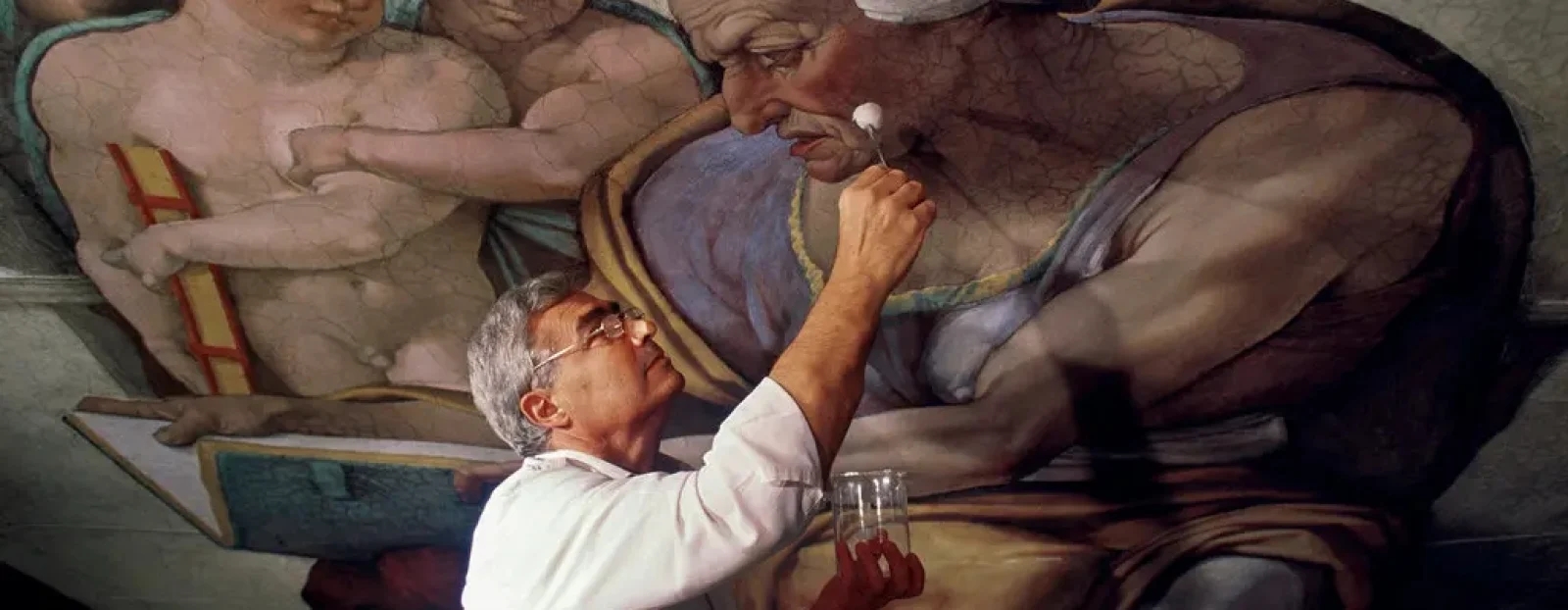
10 maggio 1508: il giorno in cui nacque la volta della Cappella Sistina
«Ricordo chome oggi, questo dì 10 di Maggio nel mille cinquecento octo, io Michelagnolo scultore ho ricevuto dalla Santità del nostro Santo Papa Julio secondo, duchati cinquecento per conto della pictura della volta della Chappella di Papa Sisto, per la quale chomincio oggi allavorare.»
Era il 10 maggio del 1508 quando misi mano alla volta della Cappella Sistina. E ancora non sapevo che quell’opera mi avrebbe consumato il corpo, la vista e l’anima per anni interi.
Io nacqui scultore. Del marmo conoscevo il respiro, la forza nascosta sotto la pietra. Ma dipingere una volta tanto vasta, sospeso sopra impalcature alte come torri, fu impresa che pareva oltre ogni misura umana.
Eppure tutto ebbe origine da una ferita.

La grande crepa che cambiò il destino della Sistina
Qualche anno prima, il 15 maggio del 1504, la parete meridionale della Cappella Sistina s’era inclinata verso l’interno. Un’enorme frattura attraversò la volta e il vecchio cielo blu di lapislazzuli, trapuntato di stelle e dipinto da Pier Matteo d’Amelia, rimase gravemente danneggiato.
La cappella venne dichiarata inagibile. Le funzioni sacre furono sospese e per mettere in sicurezza l’edificio si dovettero ancorare i soffitti soprastanti alle pareti mediante robuste catene di ferro.
Fu allora che papa Giulio II della Rovere decise che quella volta dovesse rinascere.
E chiamò me.
Il progetto iniziale? Dodici apostoli e poco più
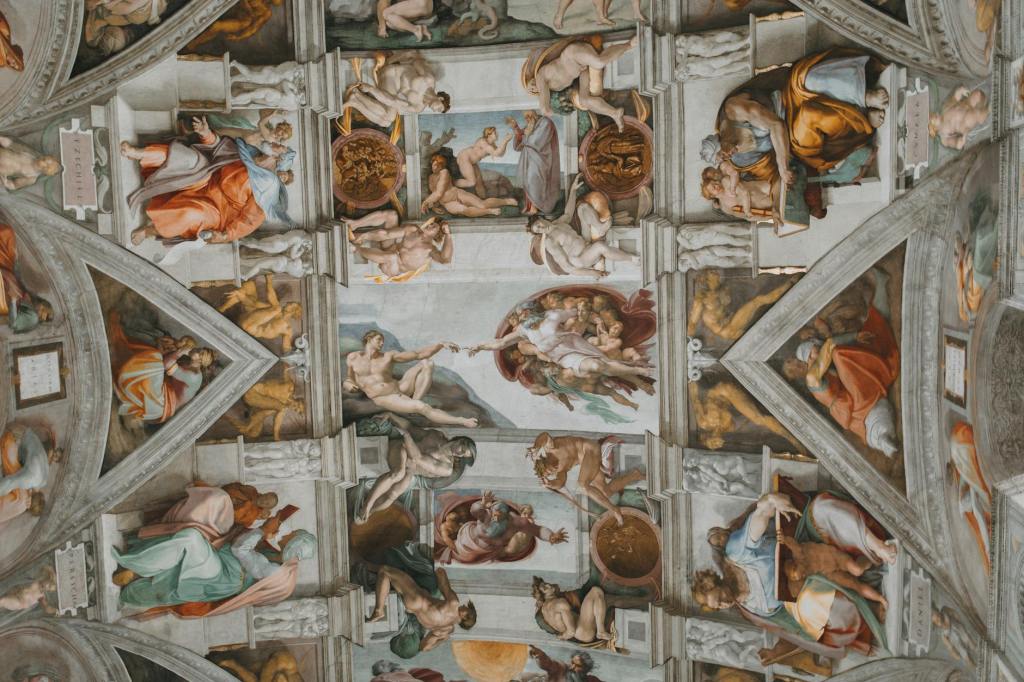
All’inizio il pontefice aveva immaginato una decorazione assai semplice: dodici apostoli nei peducci e motivi geometrici nella parte centrale della volta.
Ma ditemi voi: potevo io lasciare un’opera tanto grande in una veste tanto povera?
Immaginate oggi la Sistina senza i Profeti, senza le Sibille, senza la Creazione di Adamo, senza quel turbine di corpi e di storie che sembrano muoversi nel cielo stesso della cappella. Al loro posto vi sarebbero stati pochi apostoli isolati e semplici ornamenti.
Non era possibile.
Così chiesi al papa carta bianca.
E, con mia stessa sorpresa, la ottenni.
L’impresa che mi consumò
Da quel giorno iniziai una battaglia quotidiana contro la fatica, l’umidità degli intonaci e il dolore del corpo.
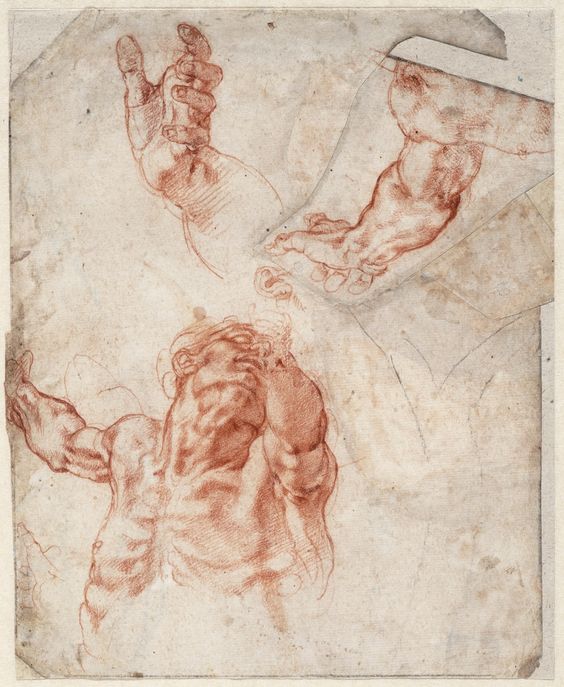
Molti credono ancora oggi che io dipingessi sdraiato. Non fu così. Lavoravo in piedi, col capo piegato all’indietro per ore interminabili. La calce cadeva sugli occhi, i colori colavano sul volto, il collo si spezzava dal dolore.
Vi furono giorni nei quali desiderai abbandonare tutto.
Ma lentamente la volta prese vita.
Il Diluvio, i Profeti, le Sibille, gli Ignudi, fino alle grandi storie della Genesi. E al centro di tutto quell’istante eterno in cui Dio tende la mano verso Adamo.
Un gesto che ancora oggi pare accendere la scintilla della vita.
Il trionfo del 31 ottobre 1512
Dopo oltre quattro anni di lavoro, finalmente l’opera fu compiuta.
Nel tardo pomeriggio del 31 ottobre 1512 papa Giulio II inaugurò gli affreschi della volta della Sistina celebrando i Vespri nella vigilia di Ognissanti.
Roma rimase senza parole.
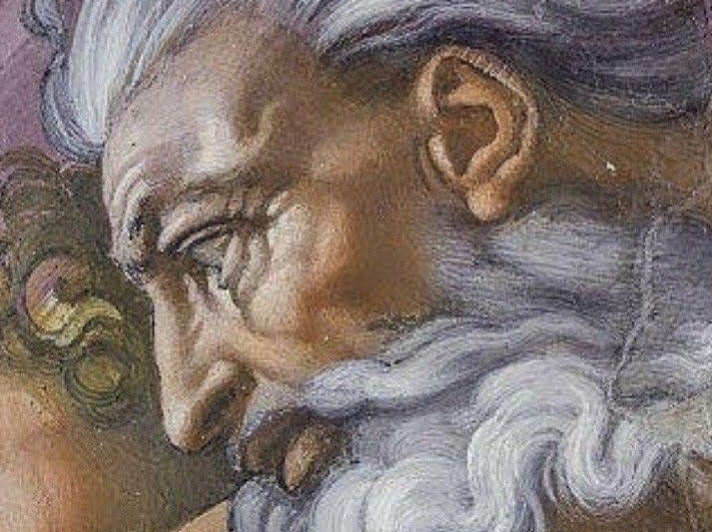
Coloro che entrarono nella cappella videro qualcosa che nessuno aveva mai osato immaginare prima: figure gigantesche, corpi potenti, colori vivi come carne e cielo. Non più semplice pittura, ma un universo intero spalancato sopra le teste degli uomini.
E forse, in quel momento, anch’io compresi davvero ciò che avevo creato.

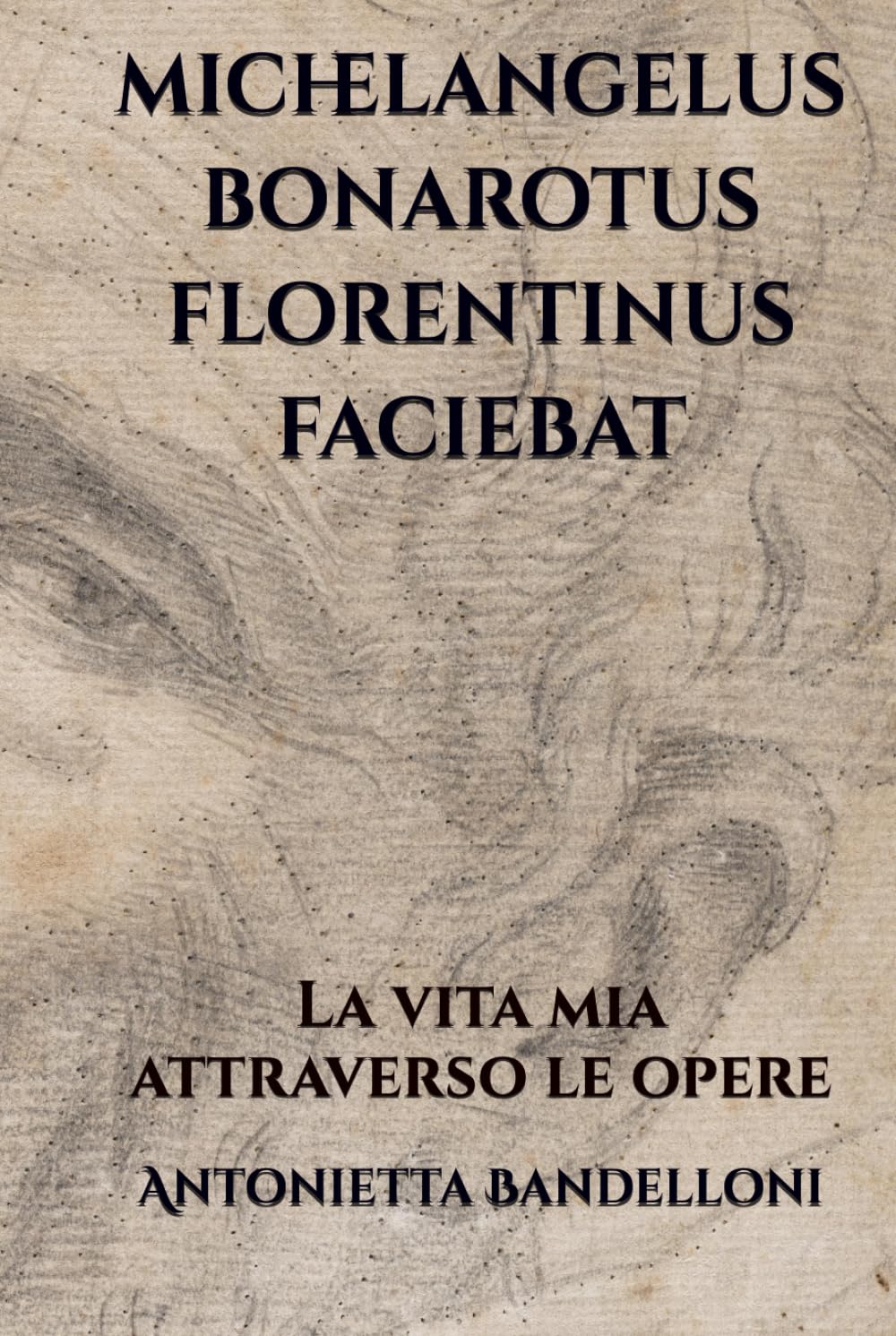
“MICHELANGELUS BONAROTUS FLORENTINUS FACIEBAT”
Fra le pagine di questo volume vi racconto la mia storia, i miei lavori e pure le mie emozioni con lo stile narrativo che oramai avete imparato a conoscere.
Vi porterò per mano indietro nel tempo, raccontandovi fatti talvolta semi sconosciuti o così curiosi da sembrare quasi irreali. Ogni particolare che vi propongo nasce da lettere, racconti dei miei contemporanei, contratti che firmai e documenti giunti sino a noi attraverso i secoli.
Perché l’arte non nasce soltanto dal genio.
Nasce dalla fatica, dalla paura, dall’ostinazione. E dal desiderio immortale di lasciare un segno nel tempo.
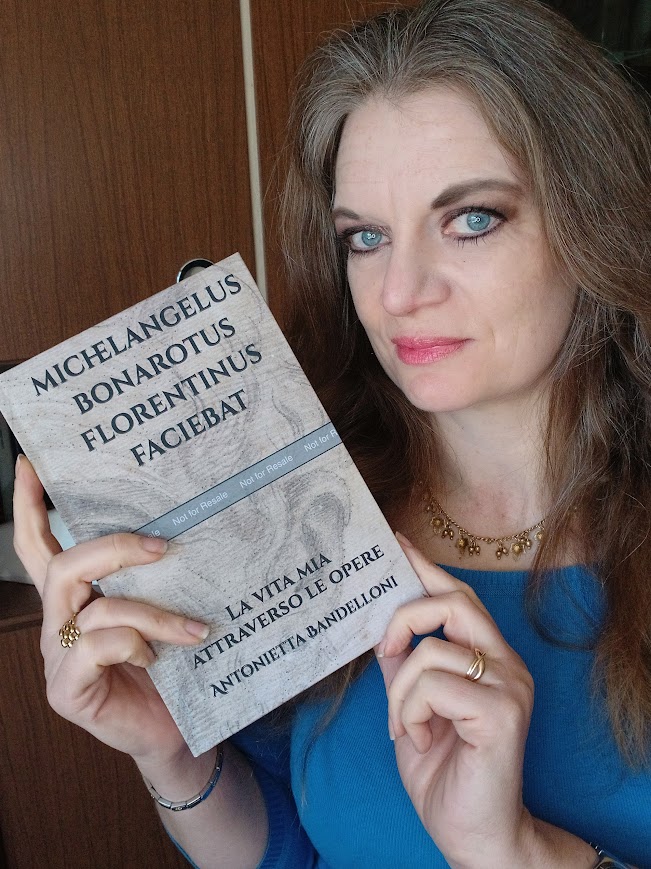
Per il momento il sempre vostro Michelangelo Buonarroti vi saluta dandovi appuntamento ai prossimi post e sui social.
May 10, 1508: The Day the Sistine Chapel Ceiling Was Born
“I remember that today, this 10th day of May in the year 1508, I, Michelangelo, the sculptor, received from His Holiness, our Holy Pope Julius II, five hundred ducats for the painting of the ceiling of the Chapel of Pope Sixtus, on which I begin work today.”
It was May 10, 1508, when I began work on the ceiling of the Sistine Chapel. And I didn’t yet know that that work would consume my body, my sight, and my soul for years to come.
I was born a sculptor. I knew the breath of marble, the strength hidden beneath the stone. But painting such a vast vault, suspended on scaffolding as high as towers, was a feat that seemed beyond all human measure.
And yet it all began with a wound.
The Great Crack That Changed the Sistine Chapel’s Destiny
A few years earlier, on May 15, 1504, the south wall of the Sistine Chapel had tilted inward. A huge fracture ran through the vault, and the old lapis lazuli blue sky, studded with stars and painted by Pier Matteo d’Amelia, was severely damaged.
The chapel was declared unfit for use. Religious services were suspended, and to secure the building, the ceilings above had to be anchored to the walls with sturdy iron chains.
It was then that Pope Julius II della Rovere decided that the vault should be reborn.
And he called me.
The initial project? Twelve apostles and little more.
At first, the pontiff had envisioned a very simple decoration: twelve apostles in the corbels and geometric motifs in the central part of the vault.
But tell me: could I have left such a great work in such a humble guise?
Imagine the Sistine Chapel today without the Prophets, without the Sibyls, without the Creation of Adam, without that whirlwind of bodies and stories that seem to move in the very sky of the chapel. In their place, there would have been a few isolated apostles and simple ornaments.
It wasn’t possible.
So I asked the Pope for carte blanche.
And, to my own surprise, I received it.
The undertaking that consumed me
From that day on, I began a daily battle against fatigue, the damp plaster, and the pain of my body.
Many still believe today that I painted lying down. That wasn’t the case. I worked standing, with my head bent back for endless hours. The lime fell into my eyes, the paint dripped down my face, my neck broke from the pain.
There were days when I wanted to abandon everything.
But slowly the vault came to life.
The Flood, the Prophets, the Sibyls, the Nudes, up to the great stories of Genesis. And at the center of it all is that eternal moment in which God reaches out to Adam.
A gesture that even today seems to ignite the spark of life.
The triumph of October 31, 1512
After more than four years of work, the work was finally completed.
In the late afternoon of October 31, 1512, Pope Julius II inaugurated the frescoes on the Sistine Chapel ceiling, celebrating Vespers on the eve of All Saints’ Day.
Rome was speechless.
Those who entered the chapel saw something no one had ever dared to imagine before: gigantic figures, powerful bodies, vivid colors like flesh and sky. No longer simple painting, but an entire universe opened up above the heads of men.
And perhaps, in that moment, I too truly understood what I had created.
“MICHELANGELUS BONAROTUS FLORENTINUS FACIEBAT”
Through the pages of this book, I will tell you my story, my works, and even my emotions, using the narrative style you’ve come to know.
I will take you back in time, recounting events that are sometimes semi-unknown or so curious they seem almost unreal. Every detail I share comes from letters, stories from my contemporaries, contracts I signed, and documents that have come down to us through the centuries.
Because art isn’t born of genius alone.
It’s born of hard work, fear, and perseverance. And from the undying desire to leave a mark on time.
For now, yours truly, Michelangelo Buonarroti bids farewell and invites you to join me in future posts and on social media.

Sostienici – Support Us
Se questo blog ti piace e ti appassiona, puoi aiutarci a farlo crescere sempre più sostenendoci in modo concreto condividendo i post, seguendo le pagine social e con un contributo che ci aiuta ad andare avanti con il nostro lavoro di divulgazione. . ENGLISH: If you like and are passionate about this blog, you can help us make it grow more and more by supporting us in a concrete way by sharing posts, following social pages and with a contribution that helps us to move forward with our dissemination work.
5,00 €
Articoli
Condividi:


Questo sono io




sostienici

Sostienici – Support Us
Se questo blog ti piace e ti appassiona, puoi aiutarci a farlo crescere sempre più sostenendoci in modo concreto condividendo i post, seguendo le pagine social e con un contributo che ci aiuta ad andare avanti con il nostro lavoro di divulgazione. . ENGLISH: If you like and are passionate about this blog, you can help us make it grow more and more by supporting us in a concrete way by sharing posts, following social pages and with a contribution that helps us to move forward with our dissemination work.
€10,00


