
La Scultura del giorno: il Centauro tormentato da Amore
La scultura del giorno che vi propongo oggi è il Centauro cavalcato e tormentato da Amore, capolavoro di arte antica noto anche con il nome di Centauro Borghese.
Il gruppo scultoreo fu scoperto nell’area del Celio presso la Villa de’ Fonseca e la sua presenza viene annoverata negli inventari di Palazzo Borghese di Ripetta a partire dal 1610.
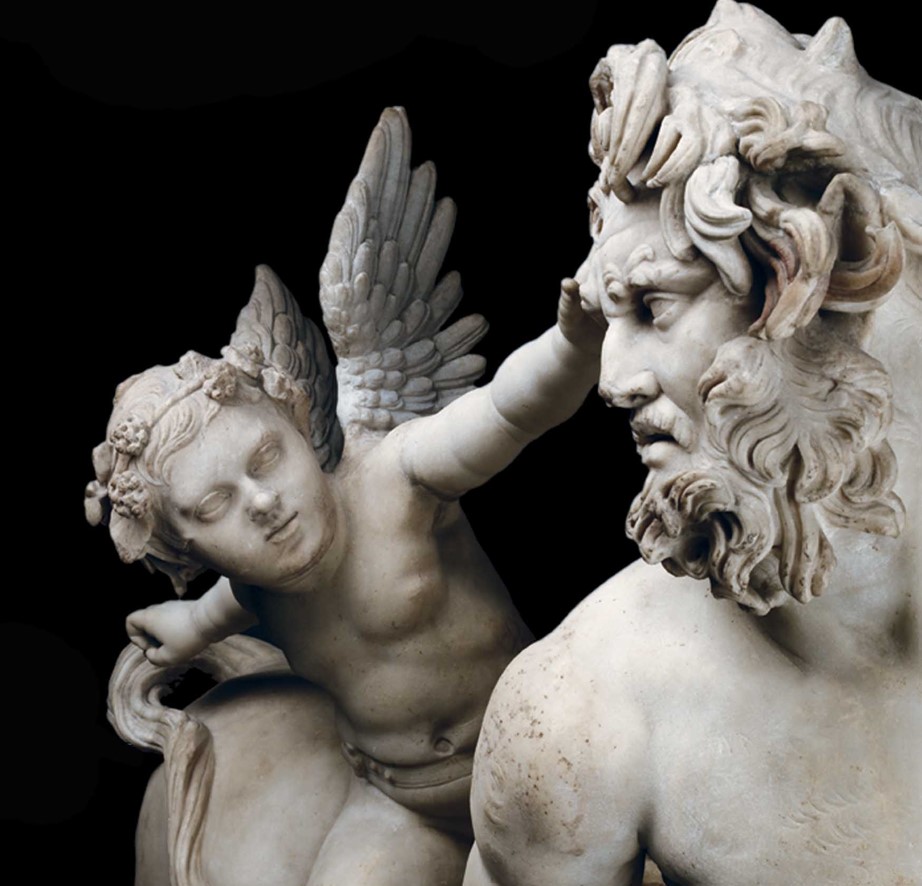
Quest’opera era uno dei pezzi più preziosi della collezione del cardinale Scipione Borghese e fu classificato tra le opere di prima fascia sia per lo stato di conservazione che per l’esecuzione mirabile di chi lo realizzò da parte di Visconti che Napoleone aveva incaricato per la valutazione dei marmi di Borghese.
Il Centauro cavalcato da Amore è una replica del 130 d.C circa, epoca di Adriano, da un originale del II secolo a. C.
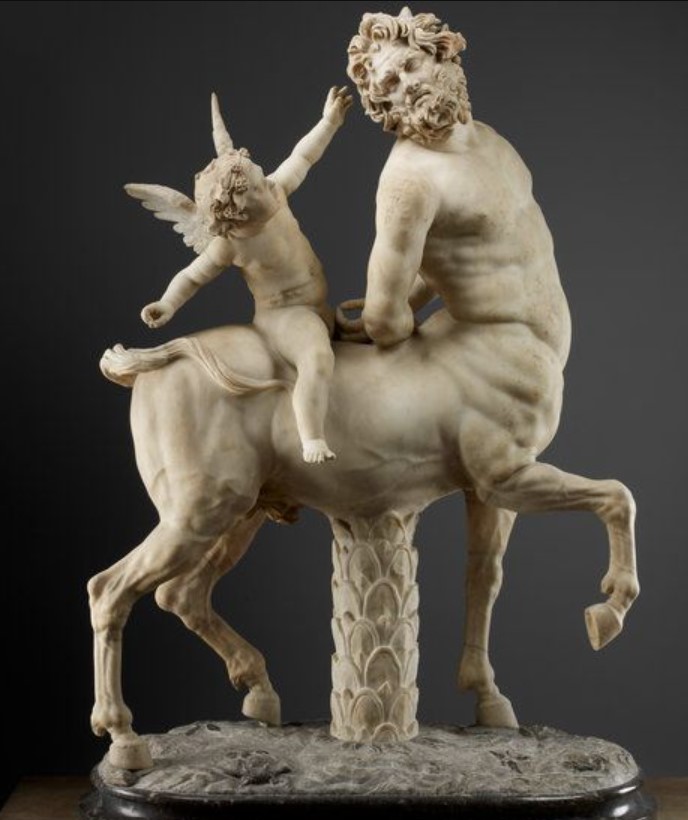
L’opera fu sottoposta a un restauro integrativo da parte dello scultore Alessandro Algardi nel 1638 mentre fu Cordier ad aggiungere il piedistallo in marmo bigio.
Il braccio sinistro del Centauro, parte delle zampe equine, il tronco di pino che aiuta a scaricare il peso a terra dell’opera, le ali di Amore e le braccia dello stesso sono infatti rifacimenti.
L’opera fin dal momento del ritrovamento fu definita “cosa molto rara” per l’altissima qualità tecnica e le implicazioni sia iconografiche che morali.
Visconti nel 1821 volle interpretare il putto con il capo cinto di pampini e uva nel genio bacchico invece che in Amore, capace di raffigurare la forza distruttiva dell’ebbrezza sulla creatura nata selvaggia.
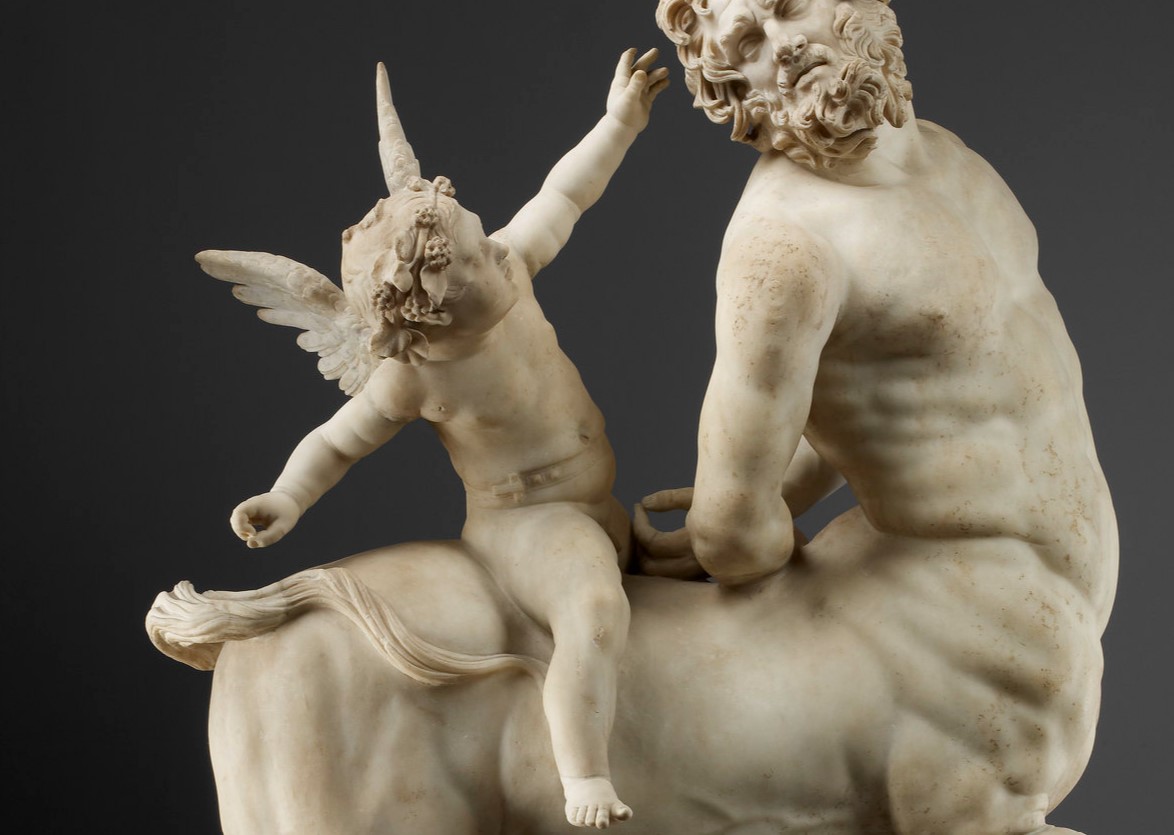
Il Centauro ha il volto segnato da un’espressione di supplica mentre il genio lo tormenta e differenza da quanto ipotizzato da Visconti, sembra piuttosto raffigurare i danni causati dall’amore in età avanzata.
Per volere di Napoleone l’opera fu acquistata per un costo di 60mila franchi e fu prima incassata e poi inviata a Parigi. Arrivò in città il 29 novembre del 1808 e oggi è custodita all’interno del Museo del Louvre.
Per il momento il vostro Michelangelo Buonarrroti vi saluta dandovi appuntamento ai prossimi post e sui social.
Sculpture of the day: the Centaur tormented by Love
The sculpture of the day that I propose to you today is the Centaur ridden and tormented by Love, a masterpiece of ancient art also known as the Borghese Centaur.
The sculptural group was discovered in the Celio area at the Villa de’ Fonseca and its presence is included in the inventories of Palazzo Borghese di Ripetta starting from 1610.
This work was one of the most precious pieces in Cardinal Scipione Borghese’s collection and was classified among the first class works both for its state of conservation and for the admirable execution of those who created it by Visconti whom Napoleon had commissioned for the evaluation of the Borghese marbles.
The Centaur ridden by Cupid is a replica from around 130 AD, Hadrian’s era, from an original from the 2nd century BC. C.
The work underwent an additional restoration by the sculptor Alessandro Algardi in 1638 while it was Cordier who added the gray marble pedestal.
The left arm of the Centaur, part of the equine legs, the pine trunk that helps to unload the weight of the work on the ground, the wings of Cupid and his arms are in fact remakes.
From the moment of its discovery, the work was defined as a “very rare thing” due to its extremely high technical quality and both its iconographic and moral implications.
In 1821 Visconti wanted to interpret the putto with his head surrounded by vine leaves and grapes in the Bacchic genius instead of in Love, capable of depicting the destructive force of intoxication on the creature born wild.
The Centaur’s face is marked by an expression of supplication while the genius torments him and, unlike what Visconti hypothesized, it seems rather to depict the damage caused by love in old age.
At Napoleon’s behest, the work was purchased for a cost of 60 thousand francs and was first collected and then sent to Paris. It arrived in the city on 29 November 1808 and today it is kept inside the Louvre Museum.
For the moment, your Michelangelo Buonarrroti greets you and will meet you in future posts and on social media.

Sostienici – Support Us
Se questo blog ti piace e ti appassiona, puoi aiutarci a farlo crescere sempre più sostenendoci in modo concreto condividendo i post, seguendo le pagine social e con un contributo che ci aiuta ad andare avanti con il nostro lavoro di divulgazione. . ENGLISH: If you like and are passionate about this blog, you can help us make it grow more and more by supporting us in a concrete way by sharing posts, following social pages and with a contribution that helps us to move forward with our dissemination work.
8,00 €
-
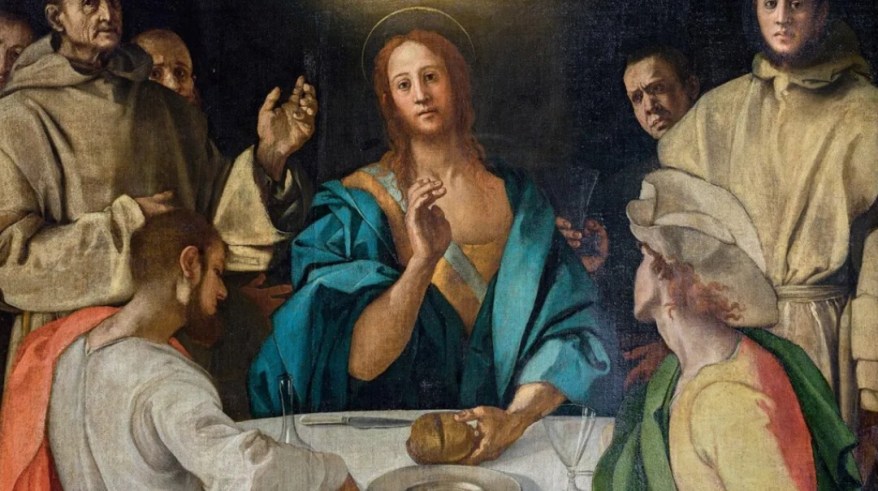
Cena in Emmaus di Pontormo: il pane, il gatto e il cane alle Scuderie del Quirinale
La Cena in Emmaus di Pontormo nasconde dettagli sorprendenti: il significato del pane, i simboli e il mistero della Resurrezione. Scopri il capolavoro del 1525 in mostra alle Scuderie del Quirinale a Roma… 🇬🇧Pontormo’s *Supper at Emmaus* conceals surprising details: the significance of the bread, various symbols, and the mystery of the Resurrection. Discover this…
-
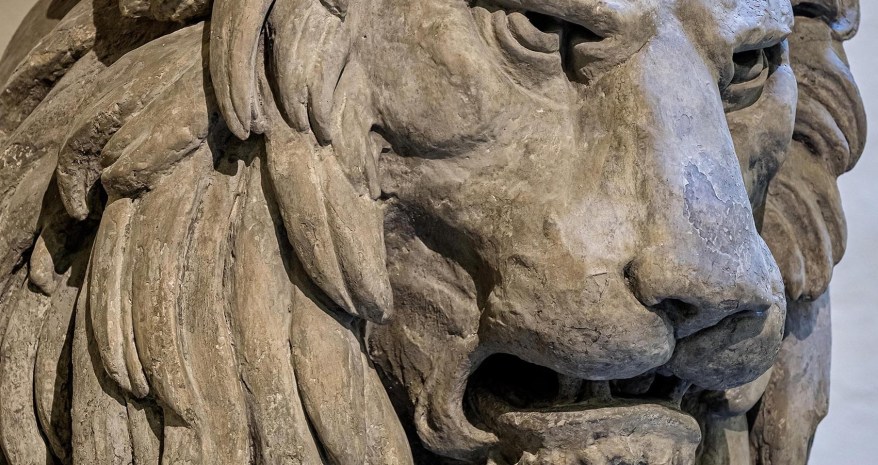
Palazzo Vecchio, il restauro svela la vera natura dei quattro leoni e il mistero della fontana greca
🇮🇹Restaurato il Cortile della Dogana di Palazzo Vecchio a Firenze: i quattro leoni sono calchi, una fontana conserva un’iscrizione greca da studiare e tornano a funzionare entrambe le fontane… 🇬🇧The Cortile della Dogana (Customs Courtyard) at Palazzo Vecchio in Florence has been restored: the four lions are casts, one fountain features a Greek inscription that…
-
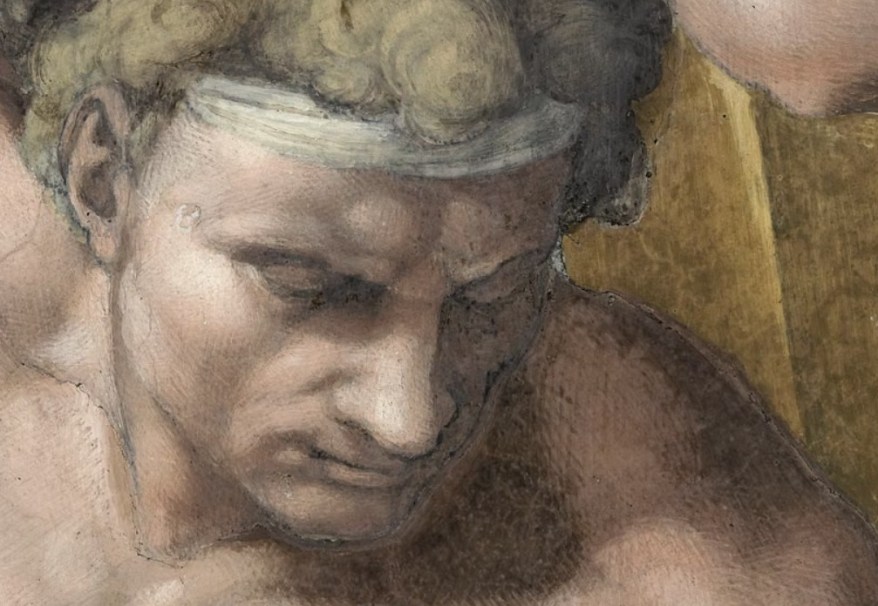
Disma, il buon ladrone nel Giudizio Universale: la misericordia e la giustizia divina
Nel Giudizio Universale della Cappella Sistina ci sono particolari che rischiano di passare inosservati, anche a chi ha avuto la fortuna di alzare gli occhi verso la mia grande parete. Tra i corpi che si sollevano, gli angeli che suonano le trombe e le anime che cercano di raggiungere il cielo, ci sono figure che…
Condividi:


Questo sono io




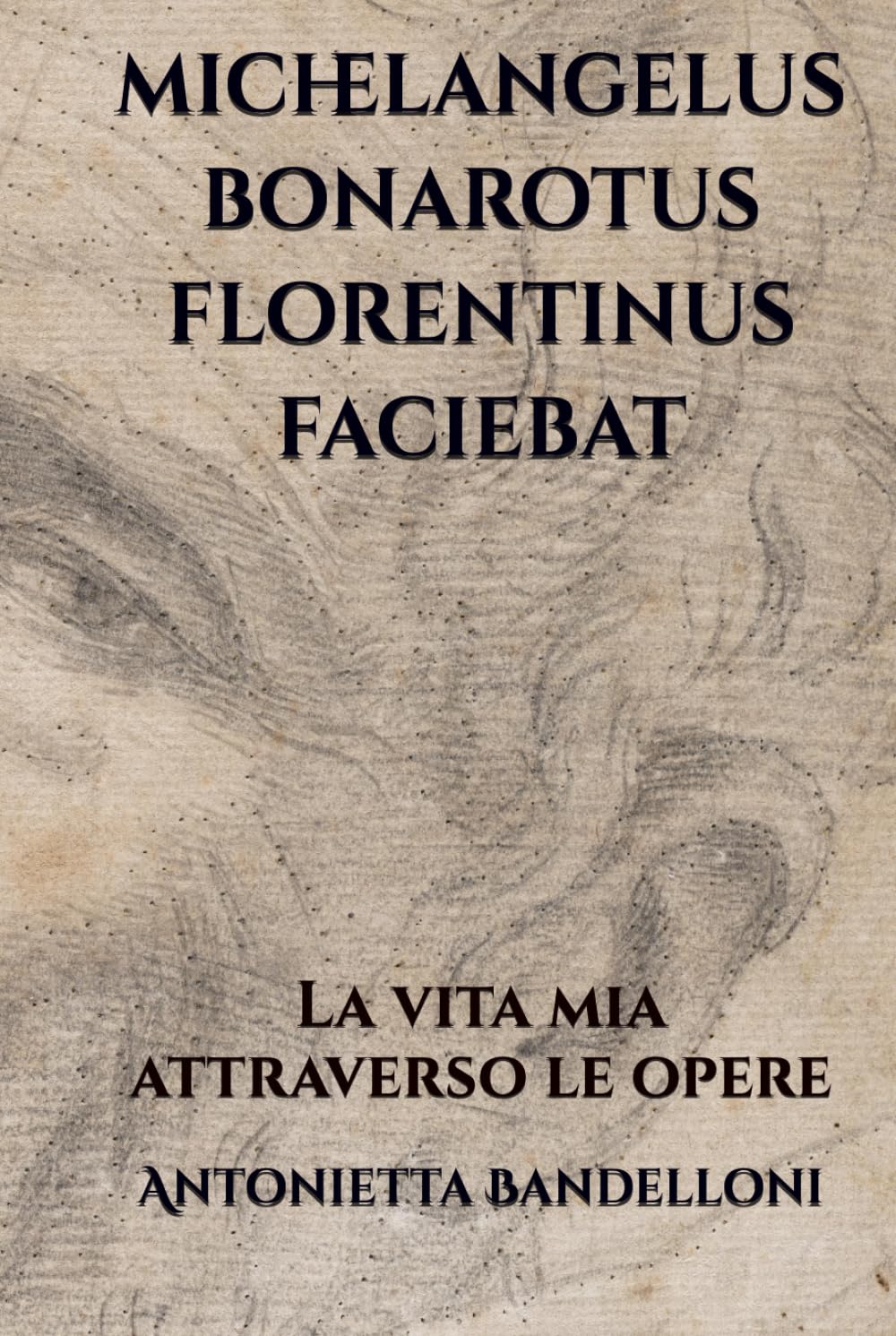
sostienici

Sostienici – Support Us
Se questo blog ti piace e ti appassiona, puoi aiutarci a farlo crescere sempre più sostenendoci in modo concreto condividendo i post, seguendo le pagine social e con un contributo che ci aiuta ad andare avanti con il nostro lavoro di divulgazione. . ENGLISH: If you like and are passionate about this blog, you can help us make it grow more and more by supporting us in a concrete way by sharing posts, following social pages and with a contribution that helps us to move forward with our dissemination work.
€10,00


