

Il notaio e l’inventario
Fu il notaio Roberto Ubaldini a redigere l’inventario di ciò che c’era in casa mia, a Macel de’ Corvi.
Varcò la soglia della umile dimora il 19 febbraio del 1564 ovvero il giorno dopo la mia morte. Fra quelle pareti non c’erano armadi pieni di vestiti buoni, stoffe preziose acquistate dalle Fiandre o da chissà dove. Stoviglie che parevano più che altro cocci inservibili, coperte logore e poco più.
In notaio rovistò ovunque, mettendo il naso da tutte le parti alla ricerca di damaschi, argenti e altre preziose suppellettili. Trovò molto di meno di quello che avrebbe pensato.
Gli uomini abbienti della Roma dell’epoca amavano circondarsi di queste frivolezze ma per me eran cose di nessun conto.

L’Ubaldini tirò fuori le sue carte bianche e iniziò ad annotare i pochi vestiti e pure logori, una lettiera ferrata con pagliericcio, tre materazzi, due coperte di lana bianca et una di pelle bianca di agnello. C’era anche della biancheria nuova che i miei nipoti m’avevano spedito da Firenze ma l’avevo messa perbenino nell’armadio senza usarla.
Erano poche anche le opere che avevo ancora in quella casa-laboratorio: oramai le avevo donate quasi tutte. C’erano però tre sculture abbozzate fra le quali la Pietà Rondanini.
Rovistando da tutte le parti il notaio trovò parecchie monete d’oro in un baule sotto al letto. Quelle sì: le avevo guadagnate e conservate per gli eredi miei. A che sarebbero servite a me? Né in vita né da morto: il lusso non era roba per me.

Il sempre vostro Michelangelo Buonarroti che vi lascia con una foto della tomba sua a Firenze, progettata dal Vasari. Attualmente quest’opera è coinvolta in un importante progetto di restauro. Ve ne parlai qua alcuni mesi fa.
The notary and the inventory
It was the notary Roberto Ubaldini who compiled the inventory of what was in my house, in Macel de ‘Corvi. He crossed the threshold of the humble abode on February 19, 1564, the day after my death. Among those walls there were no closets full of good clothes, precious fabrics purchased from Flanders or who knows where. Only crockery that seemed more like nothing more than useless shards, worn blankets and other items of little consummate value.
In the notary he rummaged everywhere, putting his nose on all sides in search of damasks, silvers and other precious furnishings. He found much less than he could have ever thought. The wealthy men of the Rome of the time liked to surround themselves with these frivolities but for me they were things of no account.

The notary took out his blank papers and began to write down the few well-worn clothes, a litter box with straw mattress, three mattresses, two blankets of white wool and one of white lambskin. There was also some new linen that my grandchildren had sent me from Florence but I had put it in the closet without using it.
There were also few works that I still had in that house-workshop: by now I had donated almost all of them. However, there were three sketched sculptures including the Pietà Rondanini.
Rummaging all over the notary, he found several gold coins, those yes: I had earned and kept them for my heirs. What would you serve me for? Neither in life nor in death: luxury was not for me.
Your always Michelangelo Buonarroti who leaves you with a photo of his tomb in Florence, designed by Vasari.
ULTIMI ARTICOLI
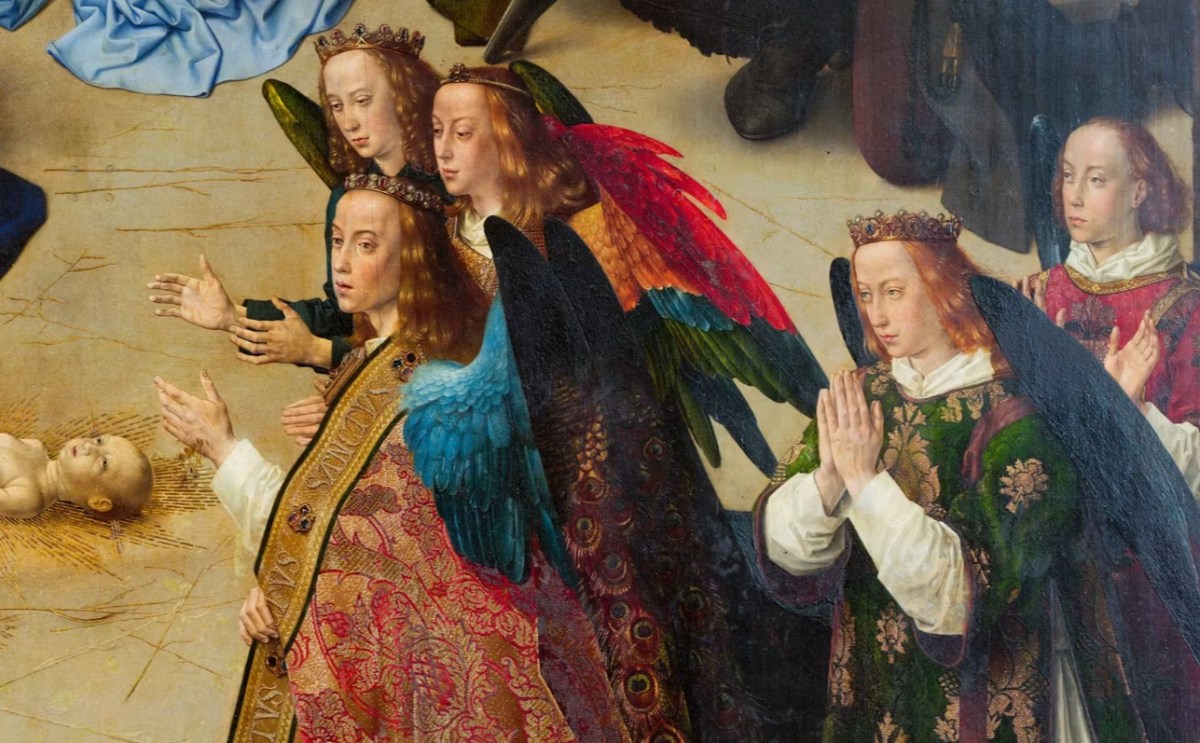
Il Natale nell’arte fiamminga: i dettagli nascosti nei dipinti che raccontano la magia della Natività
🇮🇹Dai Primitivi fiamminghi a Bruegel, scopri il Natale nell’arte fiamminga tra Natività, paesaggi innevati, angeli, simboli religiosi e dettagli sorprendenti nascosti nei dipinti… 🇬🇧From the Flemish Primitives to Bruegel, discover Christmas in Flemish art—featuring Nativities, snowy landscapes, angels, religious symbols, and surprising details hidden within the paintings…
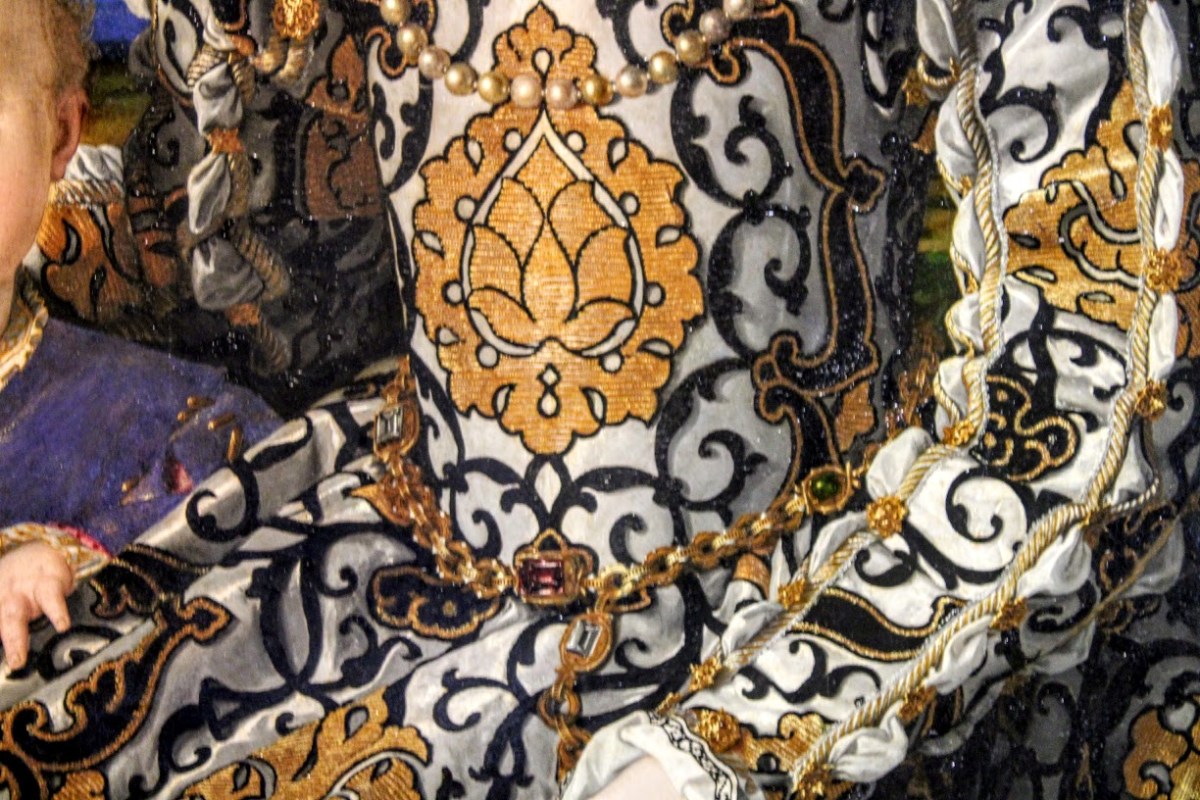
Bronzino, nasce il 17 novembre 1503: il pittore che rese immortale la bellezza della corte medicea
🇮🇹Il 17 novembre 1503 nasceva Agnolo Bronzino, maestro del Manierismo e ritrattista dei Medici. Dalla storia del suo soprannome al celebre ritratto di Eleonora di Toledo, scopriamo la sua arte… 🇬🇧On November 17, 1503, Agnolo Bronzino—a master of Mannerism and portraitist to the Medici family—was born. From the story behind his nickname to his famous…
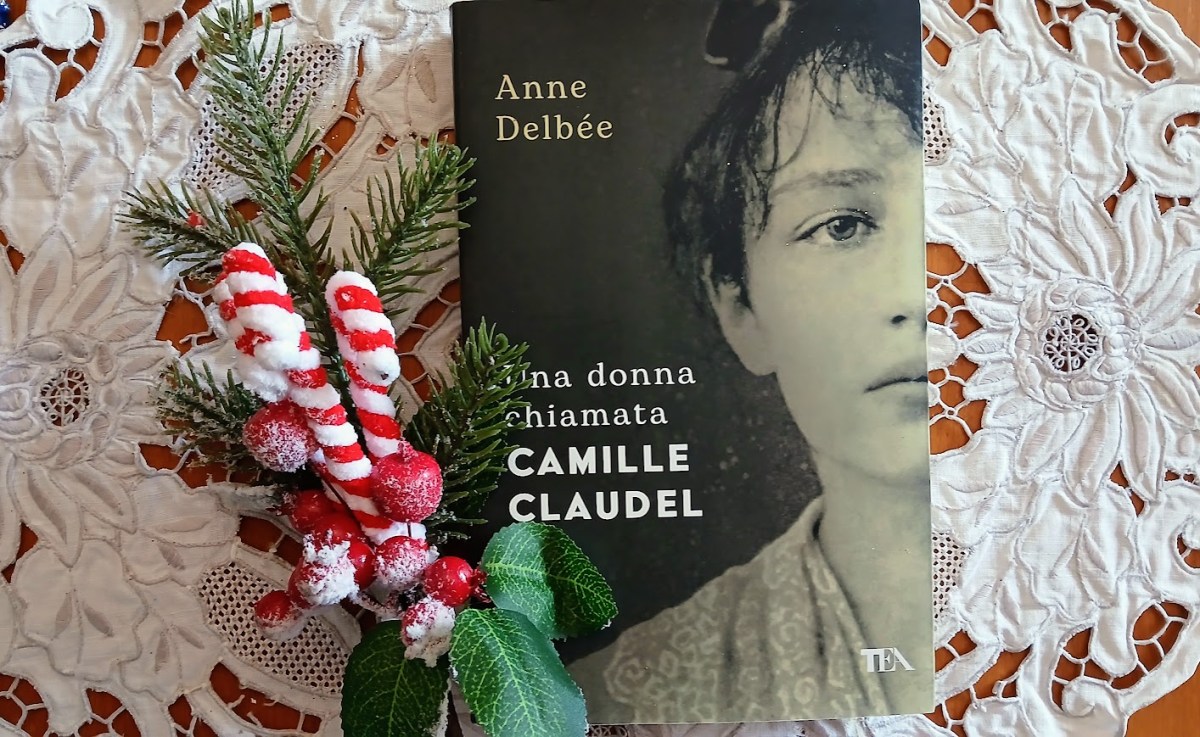
Una donna chiamata Camille Claudel: il libro che racconta la scultrice oltre Rodin
Anne Delbée racconta Camille Claudel, la grande scultrice francese che lottò per affermare il proprio talento. Una storia di arte, amore e libertà…
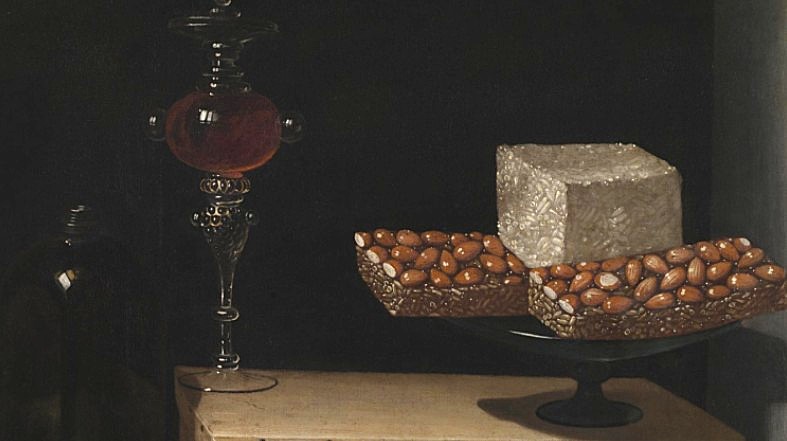
I dolci delle feste nei dipinti antichi: panettoni, torte, frutta candita e pasticcini raccontano la storia del Natale
🇮🇹Come erano i dolci delle feste nel passato? Torte, torrone, mandorle e frutta candita nei dipinti antichi tra Cinquecento e Seicento… 🇬🇧What were holiday sweets like in the past? Cakes, nougat, almonds, and candied fruit as seen in paintings from the 16th and 17th centuries…
Si è verificato un problema. Aggiorna la pagina e/o riprova in seguito.
Condividi:


Questo sono io



sostienici

Sostienici – Support Us
Se questo blog ti piace e ti appassiona, puoi aiutarci a farlo crescere sempre più sostenendoci in modo concreto condividendo i post, seguendo le pagine social e con un contributo che ci aiuta ad andare avanti con il nostro lavoro di divulgazione. . ENGLISH: If you like and are passionate about this blog, you can help us make it grow more and more by supporting us in a concrete way by sharing posts, following social pages and with a contribution that helps us to move forward with our dissemination work.
€10,00


1 commento »