

Le opere d’arte rubate che non sono mai state ritrovate
Ci sono capolavori che milioni di persone ammirano ogni anno nei musei più importanti del pianeta. E poi ci sono opere altrettanto celebri che sembrano essere svanite nel nulla, lasciando dietro di sé soltanto domande senza risposta. Furti spettacolari, indagini internazionali e piste mai confermate hanno trasformato alcuni dipinti e manufatti artistici in autentiche leggende.
Ancora oggi, decenni dopo la loro scomparsa, queste opere continuano ad alimentare teorie, documentari e ricerche. Alcuni esperti ritengono che siano custodite in collezioni private segrete, altri pensano che siano state distrutte. La verità, però, resta avvolta nel mistero.
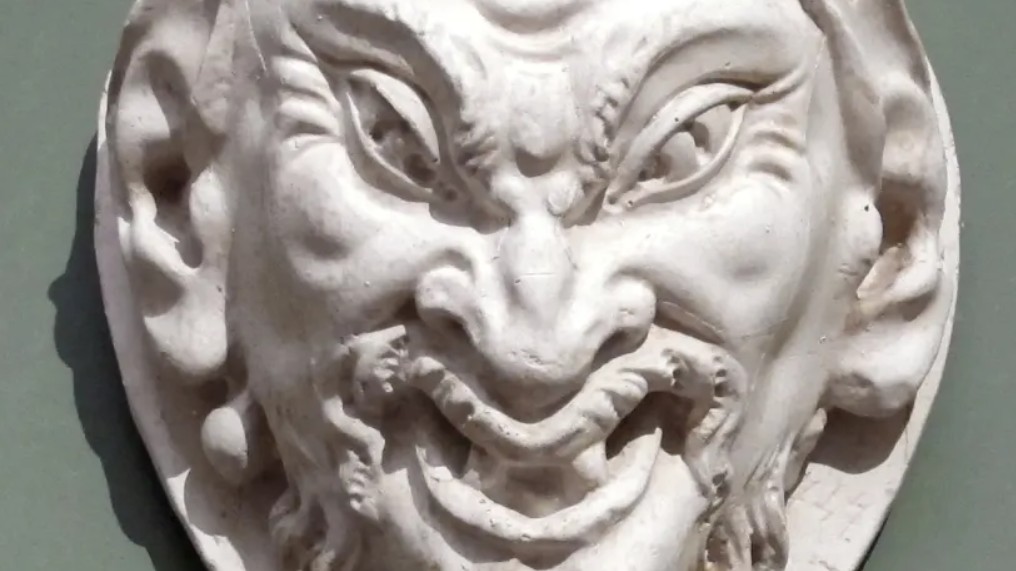
Il fascino delle opere d’arte scomparse
Quando un capolavoro viene rubato, non sparisce soltanto un oggetto di enorme valore economico. Scompare una parte della storia culturale dell’umanità. Ogni opera custodisce infatti testimonianze artistiche, tecniche e simboliche che appartengono al patrimonio collettivo.
Proprio per questo motivo i furti d’arte attirano l’attenzione del pubblico molto più di qualsiasi altro crimine contro il patrimonio. L’idea che un dipinto famoso possa trovarsi nascosto in una villa privata, in un bunker sotterraneo o in un caveau segreto continua ad alimentare l’immaginazione di milioni di persone.

Il mio Fauno sdentato: il capolavoro perduto che non è mai tornato
Se potessi raccontarvi una delle vicende più amare della mia lunga esistenza artistica, sceglierei proprio quella della Testa di Fauno. Ero poco più che un ragazzo quando scolpii quel mascherone raffigurante un vecchio fauno dal sorriso beffardo e dalla dentatura perfetta. Ne andavo fiero, ma un giorno passò davanti alla mia opera Lorenzo de’ Medici, il Magnifico, e mi rivolse un’osservazione tanto semplice quanto geniale.
«Come mai ha tutti quei denti? I vecchi son quasi sempre sdentati.»
Aveva ragione. Così ripresi scalpello e martello e modificai il volto del mio fauno. Feci saltare quasi tutti i denti, lasciandone soltanto un paio e scavando il marmo là dove le radici non avrebbero più dovuto esserci. Quel dettaglio trasformò l’opera in qualcosa di più vero, più umano e forse anche più ironico.
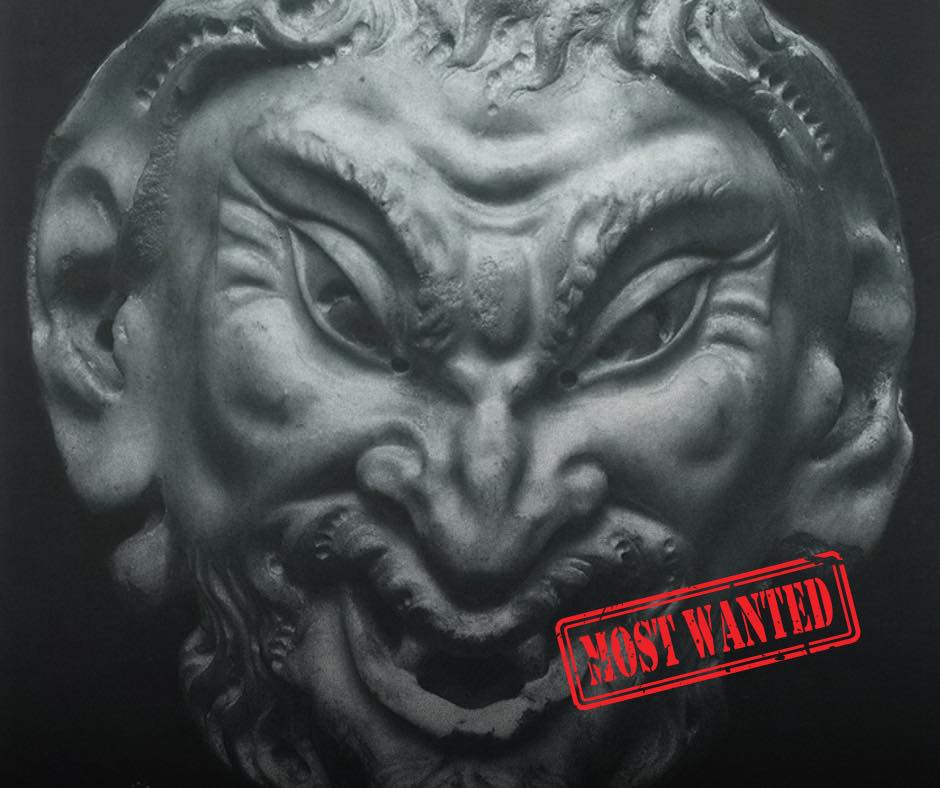
Per secoli la mia Testa di Fauno fu custodita con cura e trovò posto nelle collezioni del Museo Nazionale del Bargello di Firenze. Poi arrivò la guerra, e con essa la paura che il patrimonio artistico italiano potesse essere distrutto o saccheggiato.
Per proteggerla dalle razzie naziste, l’opera venne trasferita insieme ad altri capolavori nel Castello di Poppi, nel Casentino. Il rifugio era considerato praticamente inespugnabile. Per raggiungere il caveau occorreva attraversare sette porte differenti, tutte chiuse a doppia mandata e ciascuna dotata di una propria chiave.
Eppure neppure queste precauzioni furono sufficienti.
Nella notte tra il 22 e il 23 agosto 1944 alcuni ufficiali delle SS appartenenti alla 305ª Infanterie Division riuscirono a introdursi nel deposito con uno stratagemma. In poche ore portarono via numerose opere d’arte di valore incalcolabile. I capolavori furono caricati rapidamente su un automezzo e i militari si allontanarono coprendosi la fuga con raffiche di mitra.
Da quel momento il mio Fauno sdentato scomparve nel nulla.
Molte delle opere trafugate furono recuperate e restituite all’Italia dopo la fine del conflitto. Tornarono a casa capolavori straordinari come la La Velata e l’Autoritratto di Raffaello, così come il Ritratto di Giovanni Bentivoglio di Lorenzo Costa. Altre opere, invece, non fecero mai ritorno.
Tra queste figurano il Ritratto di Ignoto di Hans Memling, la Vergine che allatta il Bambino e Santi di Pierino da Vinci e, naturalmente, la mia Testa di Fauno.

Ancora oggi non sappiamo dove si trovi. Il celebre investigatore e recuperatore di opere trafugate Rodolfo Siviero dedicò anni di ricerche al caso. Tra le sue ipotesi vi era quella che il Fauno potesse trovarsi nascosto in un caveau bancario svizzero, custodito da qualche collezionista rimasto nell’ombra. Un’altra teoria suggerisce che l’opera sia finita in Russia come parte delle compensazioni di guerra richieste alla Germania dopo il conflitto.
A oltre ottant’anni dalla sua scomparsa, il destino del mio Fauno resta uno dei più grandi misteri dell’arte italiana. Da qualche parte, forse, quel vecchio volto ghignante continua ancora oggi a osservare il mondo con il suo sorriso sdentato, lontano dagli occhi di chi vorrebbe riportarlo finalmente a casa.
Il furto dell’Isabella Stewart Gardner Museum che nessuno è riuscito a risolvere
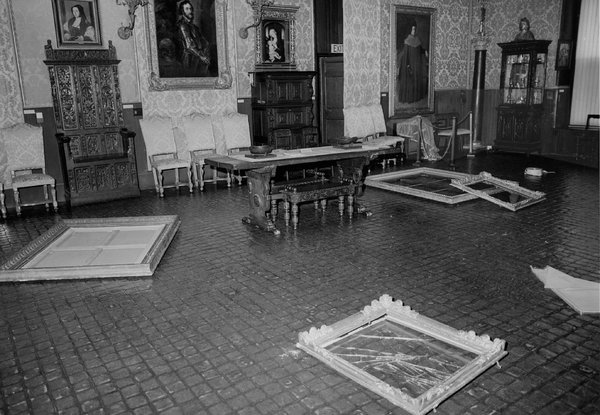
Uno dei misteri più celebri riguarda il colossale furto avvenuto nel 1990 all’Isabella Stewart Gardner Museum di Boston. Due uomini travestiti da poliziotti riuscirono a entrare nel museo durante la notte e portarono via tredici opere d’arte di valore inestimabile.
Tra i capolavori scomparsi figuravano dipinti di Rembrandt e Vermeer, opere considerate tra le più importanti della storia dell’arte occidentale. Nonostante decenni di indagini e una ricompensa milionaria, nessuna delle opere è mai stata recuperata.
Ancora oggi le cornici vuote sono esposte nelle sale del museo come simbolo di una perdita che continua a pesare sul mondo dell’arte.
Il mistero della Tempesta sul Mare di Galilea di Rembrandt
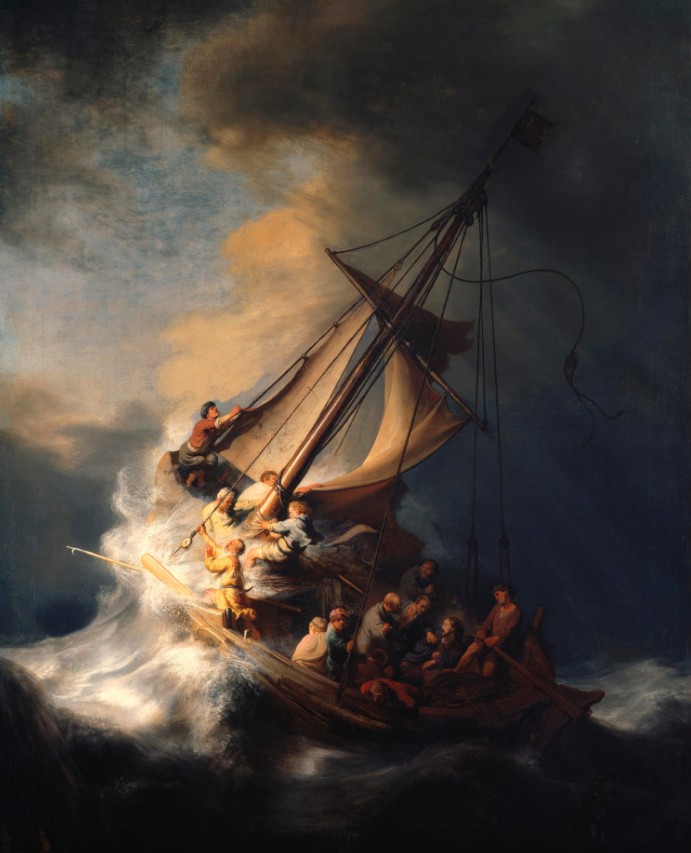
Tra le opere rubate a Boston, una in particolare ha assunto un’aura quasi leggendaria. Si tratta della “Tempesta sul Mare di Galilea”, l’unico dipinto marino realizzato da Rembrandt.
L’opera rappresentava una scena drammatica, con una barca travolta dalla furia delle onde. La sua importanza artistica e storica la rende praticamente impossibile da vendere sul mercato legale, motivo per cui molti esperti ritengono che possa essere nascosta da oltre trent’anni in una collezione clandestina.
La sua scomparsa è considerata una delle più gravi perdite artistiche del XX secolo.
Il Concerto di Vermeer e il valore inestimabile dell’arte perduta
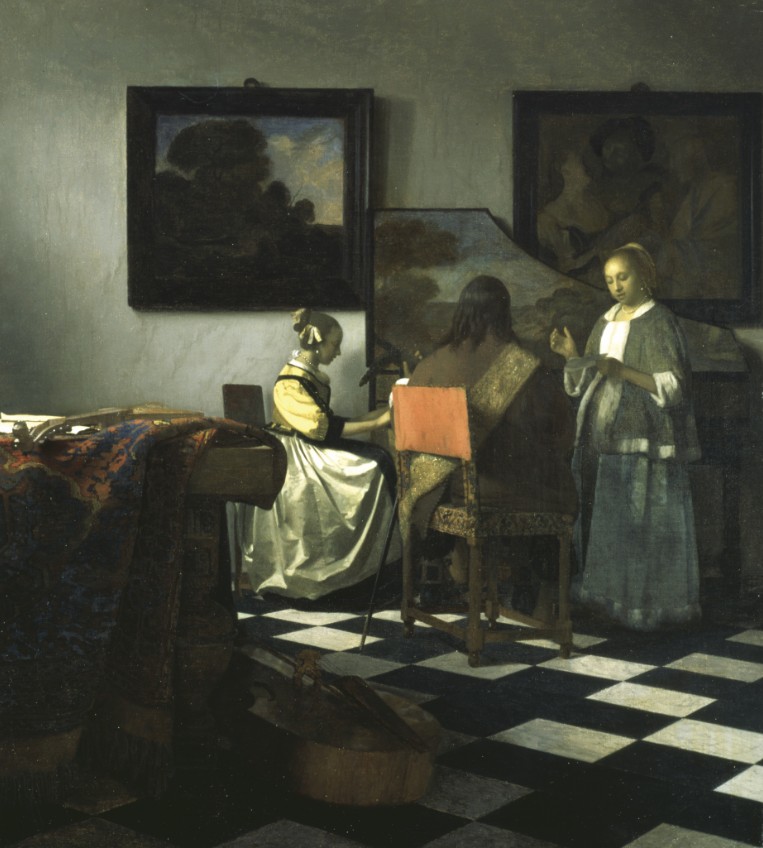
Un altro capolavoro svanito nel nulla è “Il Concerto” di Johannes Vermeer. L’artista olandese ha realizzato pochissime opere durante la sua vita e proprio per questo ogni dipinto possiede un valore straordinario.
Dopo il furto del 1990, il quadro non è mai più riemerso. Secondo alcune stime, se fosse venduto oggi sul mercato legale potrebbe raggiungere cifre record. Tuttavia il suo valore culturale supera di gran lunga qualsiasi valutazione economica.
Per molti storici dell’arte, la perdita di quest’opera rappresenta una ferita ancora aperta.
La Camera d’Ambra, il tesoro artistico scomparso durante la guerra
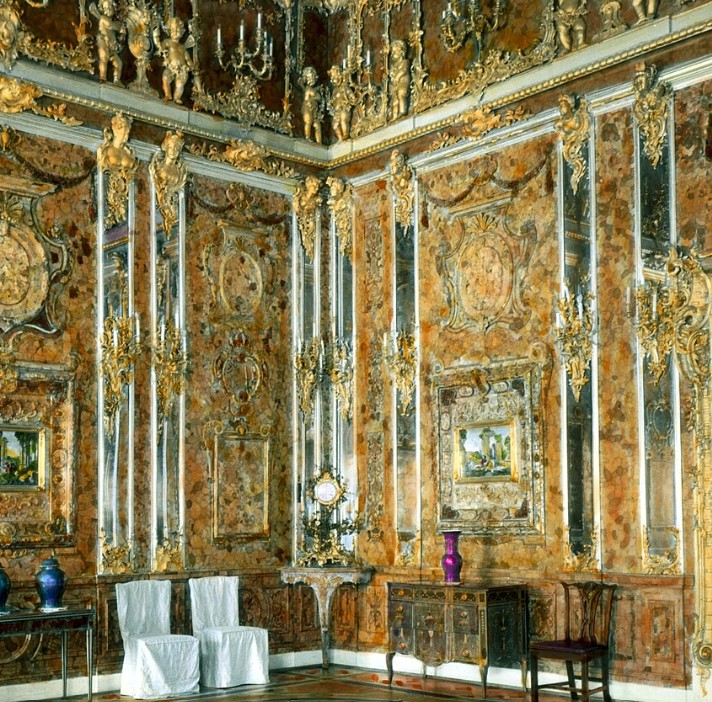
Non tutti i misteri riguardano dipinti. Uno dei casi più incredibili della storia è quello della Camera d’Ambra, una straordinaria sala decorata con pannelli di ambra, oro e specchi.
Considerata una delle meraviglie artistiche dell’Europa del XVIII secolo, fu smontata dalle truppe naziste durante la Seconda Guerra Mondiale. Da quel momento le sue tracce si sono perse.
Nel corso degli anni sono emerse numerose teorie. Alcuni sostengono che sia stata distrutta durante i bombardamenti, altri credono che sia nascosta in tunnel sotterranei o relitti sommersi. Nessuna ipotesi è mai stata confermata.
Perché le opere rubate raramente tornano alla luce
Molti si chiedono come sia possibile che capolavori così famosi possano sparire per decenni senza essere ritrovati.
La risposta è semplice: un’opera celebre è spesso impossibile da vendere apertamente. Chi la ruba non può esporla, né metterla all’asta. In alcuni casi viene utilizzata come garanzia nei traffici criminali internazionali, mentre in altri finisce nelle mani di collezionisti disposti a custodirla in segreto pur di possederla.
Questo rende le indagini estremamente complesse e aumenta le probabilità che l’opera resti nascosta per generazioni.
Ogni nuovo indizio riaccende la speranza che qualche capolavoro possa un giorno riemergere da un nascondiglio dimenticato. Fino ad allora, questi tesori perduti resteranno tra gli enigmi più affascinanti della storia dell’arte, sospesi tra realtà e leggenda.
Per il momento il sempre vostro Michelangelo Buonarroti vi saluta dandovi appuntamento ai prossimi post e sui social.
Stolen Works of Art That Have Never Been Found
There are masterpieces that millions of people admire every year in the world’s most important museums. And then there are equally famous works that seem to have vanished into thin air, leaving behind only unanswered questions. Spectacular thefts, international investigations, and unconfirmed leads have transformed some paintings and artistic artifacts into veritable legends.
Even today, decades after their disappearance, these works continue to fuel theories, documentaries, and research. Some experts believe they are kept in secret private collections, others believe they were destroyed. The truth, however, remains shrouded in mystery.
The Allure of Missing Works of Art
When a masterpiece is stolen, not only does an object of enormous economic value disappear. A part of humanity’s cultural history disappears. Each work contains artistic, technical, and symbolic testimonies that belong to our collective heritage.
Precisely for this reason, art thefts attract far more public attention than any other crime against heritage. The idea that a famous painting might be hidden in a private villa, an underground bunker, or a secret vault continues to fuel the imagination of millions.
My Toothless Faun: The Lost Masterpiece That Never Returned
If I could tell you one of the most bitter stories of my long artistic career, I would choose the Head of a Faun. I was little more than a boy when I sculpted that mask depicting an old faun with a mocking smile and perfect teeth. I was proud of it, but one day Lorenzo de’ Medici, the Magnificent, passed by my work and made an observation as simple as it was brilliant.
“Why does he have so many teeth? Old people are almost always toothless.”
He was right. So I took up my chisel and hammer and modified the face of my faun. I knocked out almost all the teeth, leaving only a couple and hollowing out the marble where the roots should no longer be. That detail transformed the work into something more real, more human, and perhaps even more ironic.
For centuries, my Head of a Faun was carefully guarded and found its place in the collections of the Bargello National Museum in Florence. Then came the war, and with it the fear that Italy’s artistic heritage could be destroyed or plundered.
To protect it from Nazi raids, the work was moved, along with other masterpieces, to Poppi Castle in Casentino. The refuge was considered virtually impregnable. To reach the vault, one had to pass through seven different doors, all double-locked and each with its own key.
Yet even these precautions were not enough.
On the night between August 22 and 23, 1944, some SS officers belonging to the 305th Infantry Division managed to gain entry to the vault using a ruse. In just a few hours, they stole numerous works of art of incalculable value. The masterpieces were quickly loaded onto a truck, and the soldiers fled, covering their escape with machine gun fire.
From that moment on, my Toothless Faun disappeared into thin air.
Many of the stolen works were recovered and returned to Italy after the end of the war. Extraordinary masterpieces such as Raphael’s La Velata and Self-Portrait, as well as Lorenzo Costa’s Portrait of Giovanni Bentivoglio, returned home. Other works, however, never returned.
Among these are Hans Memling’s Portrait of an Unknown Man, Pierino da Vinci’s Virgin Breastfeeding the Child with Saints, and, of course, my Head of a Faun.
To this day, we still don’t know where it is. The renowned investigator and recoverer of stolen works, Rodolfo Siviero, dedicated years of research to the case. Among his theories was that the Faun might be hidden in a Swiss bank vault, guarded by some shadowy collector. Another theory suggests that the work ended up in Russia as part of the war compensation demanded from Germany after the conflict.
More than eighty years after its disappearance, the fate of my Faun remains one of the greatest mysteries of Italian art. Somewhere, perhaps, that old, grinning face continues to observe the world with its toothless smile, far from the eyes of those who would finally bring it home.
The Isabella Stewart Gardner Museum Theft That No One Has Been Able to Solve
One of the most famous mysteries concerns the colossal theft that occurred in 1990 at the Isabella Stewart Gardner Museum in Boston. Two men disguised as police officers entered the museum during the night and stole thirteen priceless works of art.
Among the missing masterpieces were paintings by Rembrandt and Vermeer, considered among the most important works in the history of Western art. Despite decades of investigation and a million-dollar reward, none of the works have ever been recovered.
Empty frames still hang in the museum’s galleries today, symbolizing a loss that continues to weigh heavily on the art world.
The Mystery of Rembrandt’s Storm on the Sea of Galilee
Among the works stolen in Boston, one in particular has acquired an almost legendary aura. It is “The Storm on the Sea of Galilee,” Rembrandt’s only marine painting.
The work depicted a dramatic scene, with a boat tossed by raging waves. Its artistic and historical importance makes it virtually impossible to sell on the legal market, which is why many experts believe it may have been hidden in a clandestine collection for over thirty years.
Its disappearance is considered one of the greatest artistic losses of the 20th century.
Vermeer’s Concerto and the Priceless Value of Lost Art
Another masterpiece that vanished into thin air is “The Concerto” by Johannes Vermeer. The Dutch artist produced very few works during his lifetime, and for this very reason, each painting holds extraordinary value.
After its theft in 1990, the painting has never resurfaced. According to some estimates, if it were sold today on the legal market, it could fetch record prices. However, its cultural value far outweighs any economic valuation.
For many art historians, the loss of this work represents an open wound.
The Amber Room, the artistic treasure that disappeared during the war
Not all mysteries concern paintings. One of the most incredible cases in history is that of the Amber Room, an extraordinary room decorated with amber, gold, and mirror panels.
Considered one of the artistic wonders of 18th-century Europe, it was dismantled by Nazi troops during World War II. Since then, all trace of it has been lost.
Over the years, numerous theories have emerged. Some claim it was destroyed during bombing raids, others believe it is hidden in underground tunnels or submerged shipwrecks. None have ever been confirmed.
Why stolen works rarely come to light
Many wonder how it is possible that such famous masterpieces can disappear for decades without being found.
The answer is simple: a famous work is often impossible to sell openly. Those who steal it cannot exhibit it or put it up for auction. In some cases, it is used as collateral in international criminal trafficking, while in others, it ends up in the hands of collectors willing to keep it secret just to possess it.
This makes investigations extremely complex and increases the likelihood that the work will remain hidden for generations.
Each new clue rekindles hope that some masterpiece may one day resurface from a forgotten hiding place. Until then, these lost treasures will remain among the most fascinating enigmas in the history of art, suspended between reality and legend.
For now, yours truly, Michelangelo Buonarroti bids you farewell and invites you to join him in future posts and on social media.

Sostienici – Support Us
Se questo blog ti piace e ti appassiona, puoi aiutarci a farlo crescere sempre più sostenendoci in modo concreto condividendo i post, seguendo le pagine social e con un contributo che ci aiuta ad andare avanti con il nostro lavoro di divulgazione. . ENGLISH: If you like and are passionate about this blog, you can help us make it grow more and more by supporting us in a concrete way by sharing posts, following social pages and with a contribution that helps us to move forward with our dissemination work.
10,00 €

Condividi:


Questo sono io




sostienici

Sostienici – Support Us
Se questo blog ti piace e ti appassiona, puoi aiutarci a farlo crescere sempre più sostenendoci in modo concreto condividendo i post, seguendo le pagine social e con un contributo che ci aiuta ad andare avanti con il nostro lavoro di divulgazione. . ENGLISH: If you like and are passionate about this blog, you can help us make it grow more and more by supporting us in a concrete way by sharing posts, following social pages and with a contribution that helps us to move forward with our dissemination work.
€10,00


