
Ravenna, il Mausoleo di Galla Placidia: il cielo stellato che incanta da 1.500 anni
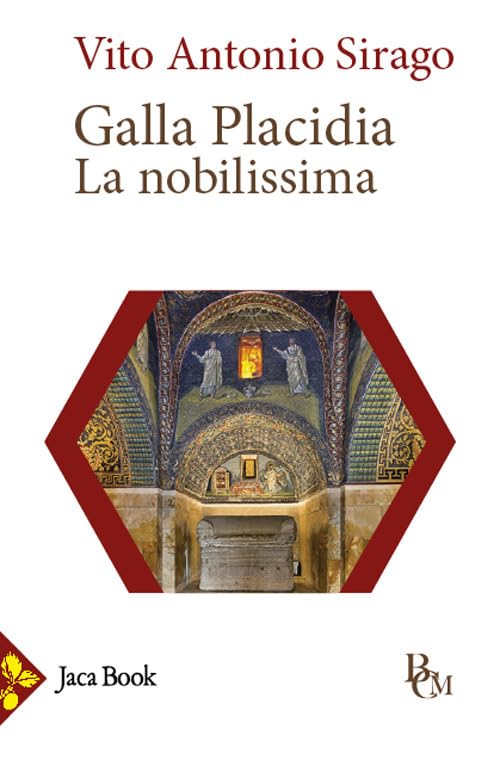
A Ravenna esiste un luogo capace di sorprendere ogni visitatore. Da fuori appare semplice, quasi austero. Ma basta varcare la soglia per ritrovarsi immersi in uno dei capolavori più straordinari dell’arte paleocristiana: il Mausoleo di Galla Placidia.
Considerato uno dei monumenti più affascinanti d’Italia, questo piccolo edificio custodisce mosaici che sembrano sfidare il tempo. Le sue volte blu intenso, illuminate da migliaia di tessere dorate, regalano l’impressione di osservare un cielo notturno sospeso tra storia e spiritualità.
Un gioiello nel cuore di Ravenna
Il mausoleo venne costruito nella prima metà del V secolo, in un periodo in cui Ravenna era una delle città più importanti dell’Impero Romano d’Occidente. Tradizionalmente viene associato a Galla Placidia, figlia dell’imperatore Teodosio I, figura centrale della politica europea del tempo.
Curiosamente, gli storici ritengono che l’imperatrice non sia mai stata sepolta qui. Nonostante il nome, il monumento sarebbe stato concepito come cappella dedicata al culto cristiano piuttosto che come vero luogo di sepoltura.
Il soffitto che lascia senza parole
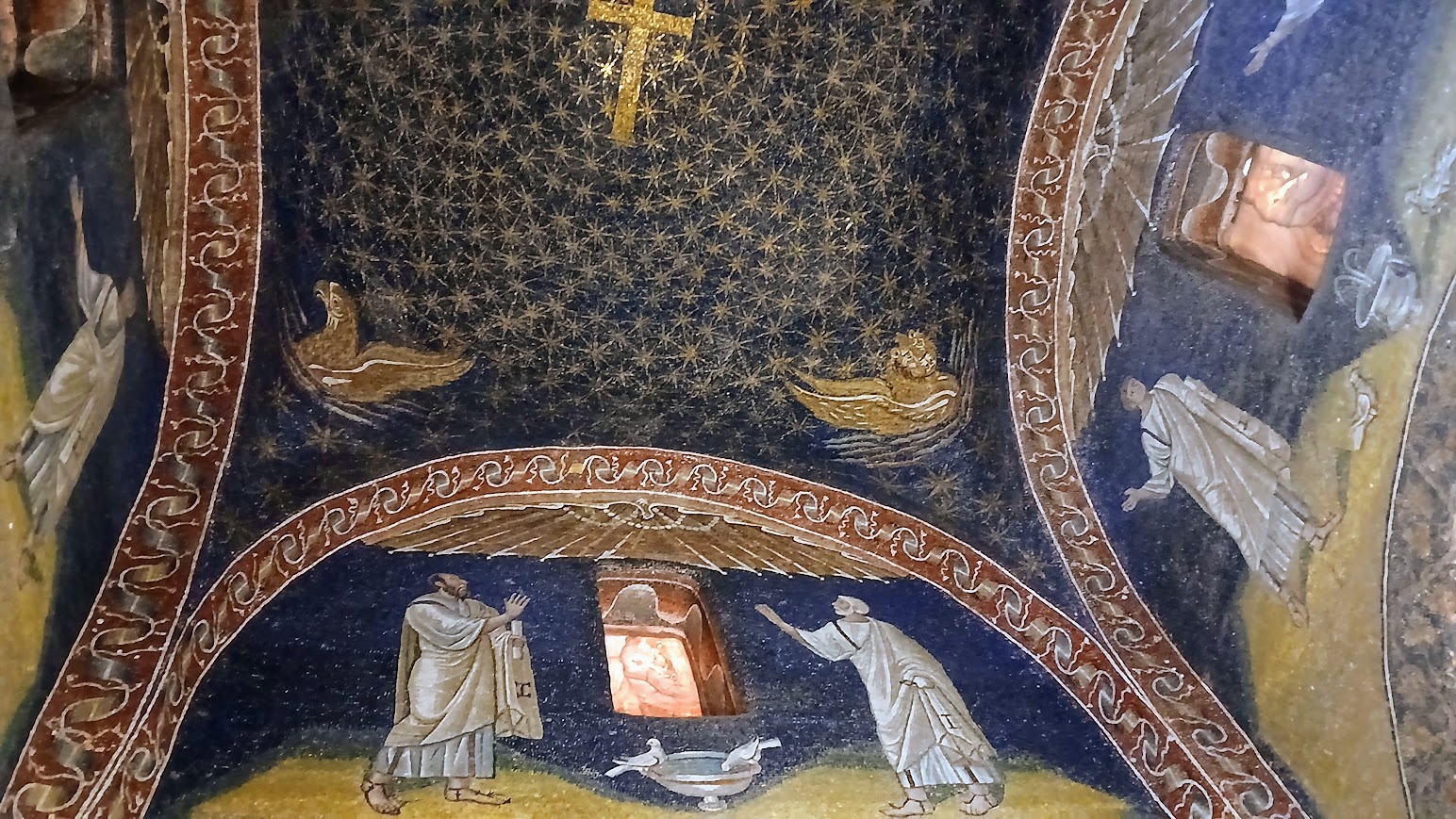
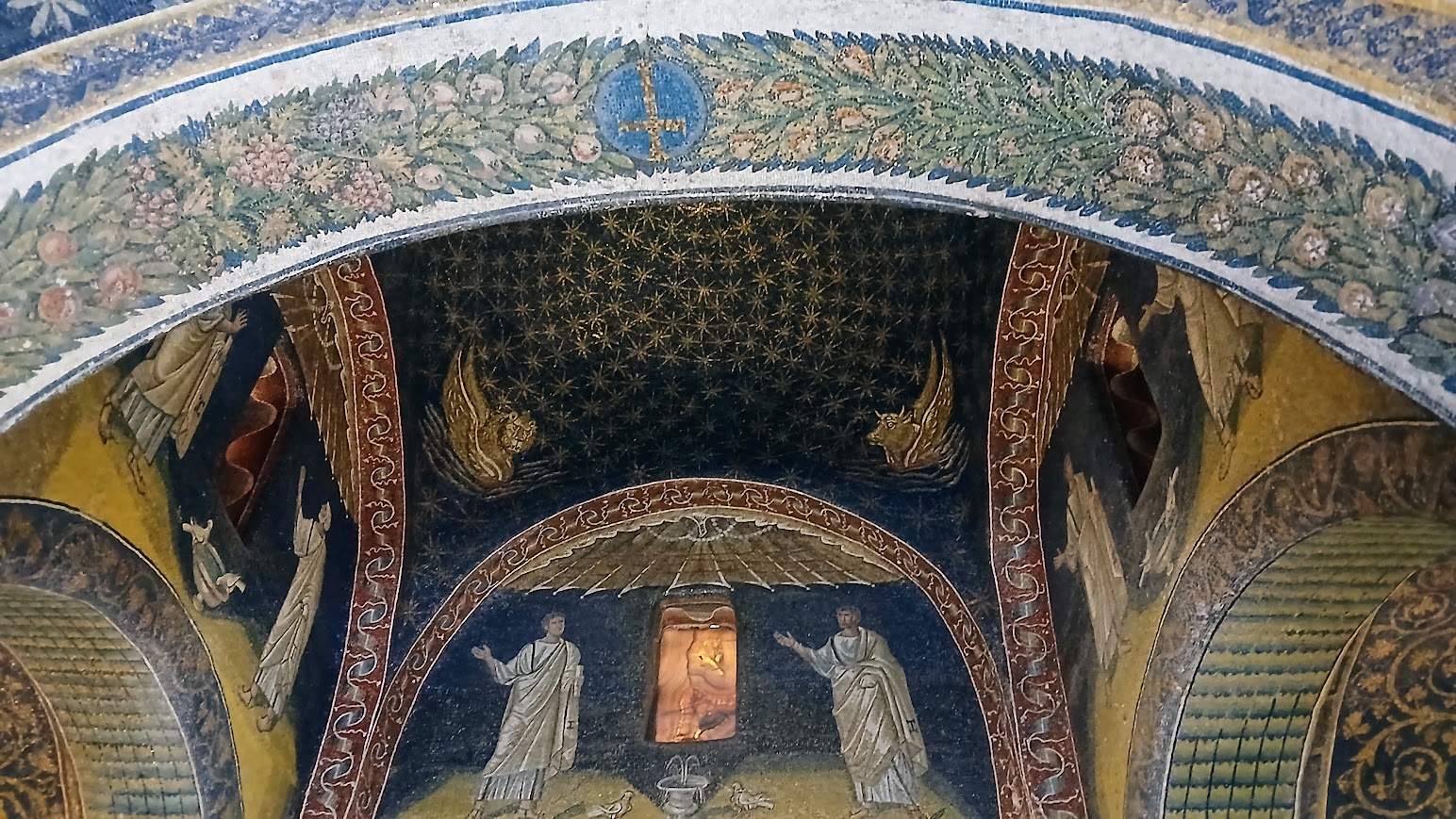
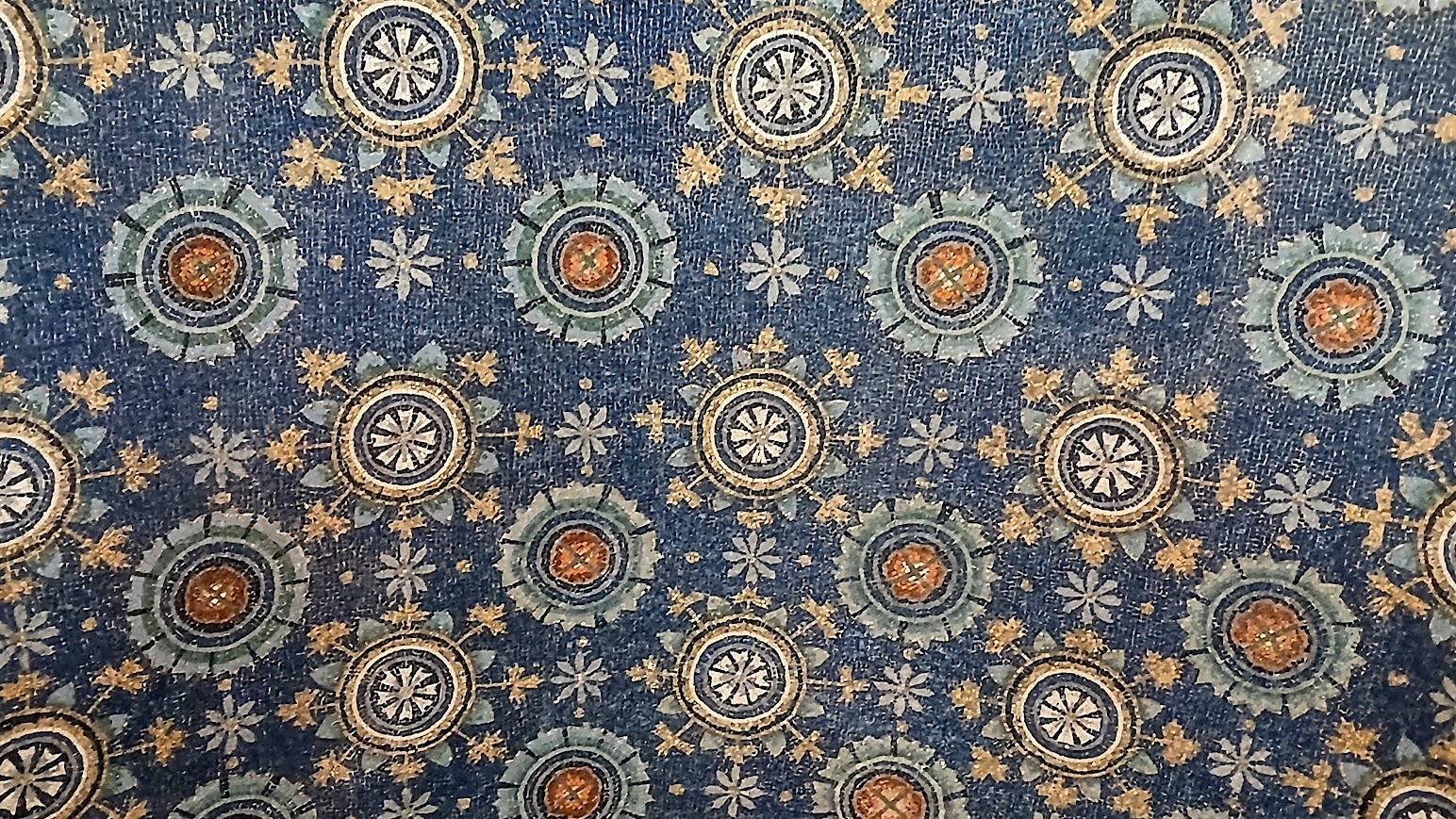
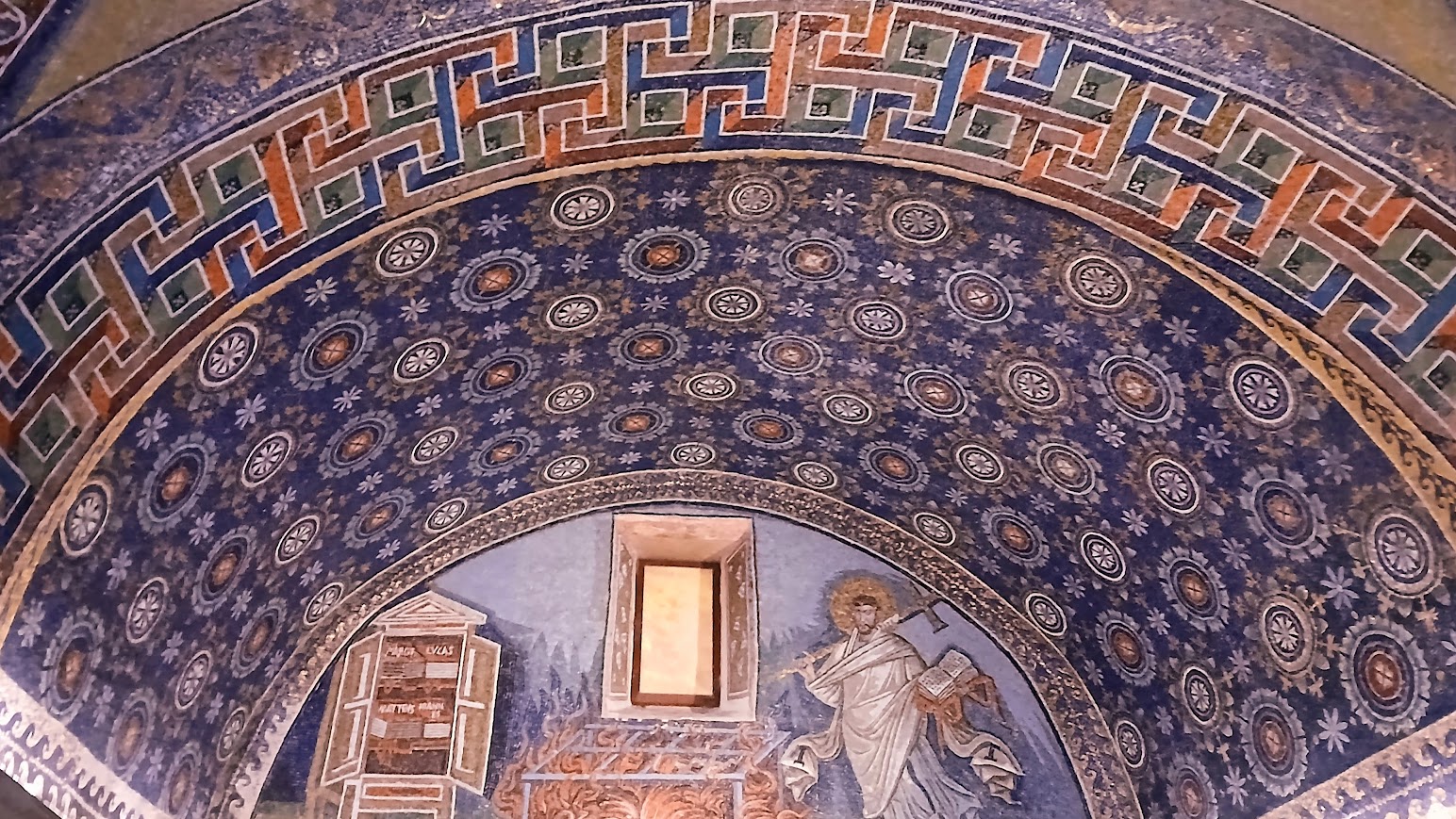
L’elemento più celebre del mausoleo è senza dubbio la cupola interna. Migliaia di tessere di mosaico compongono un firmamento blu cobalto punteggiato da stelle dorate. Al centro domina una grande croce luminosa che sembra guidare lo sguardo verso l’alto.
L’effetto è sorprendente ancora oggi. Quando la luce filtra dalle sottili finestre rivestite di alabastro, l’intero ambiente si trasforma in una visione quasi mistica.
Il Buon Pastore e gli altri simboli nascosti
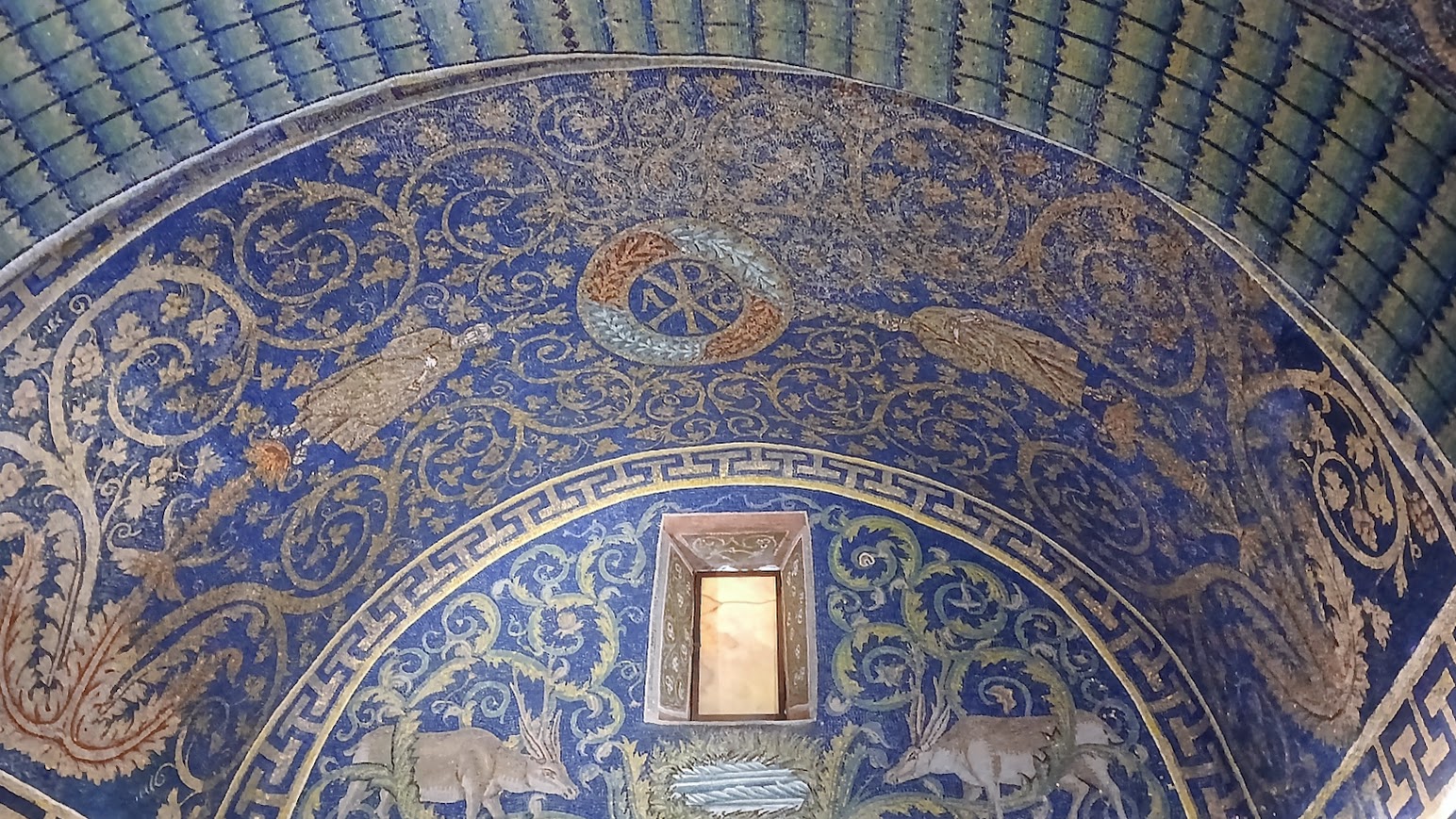
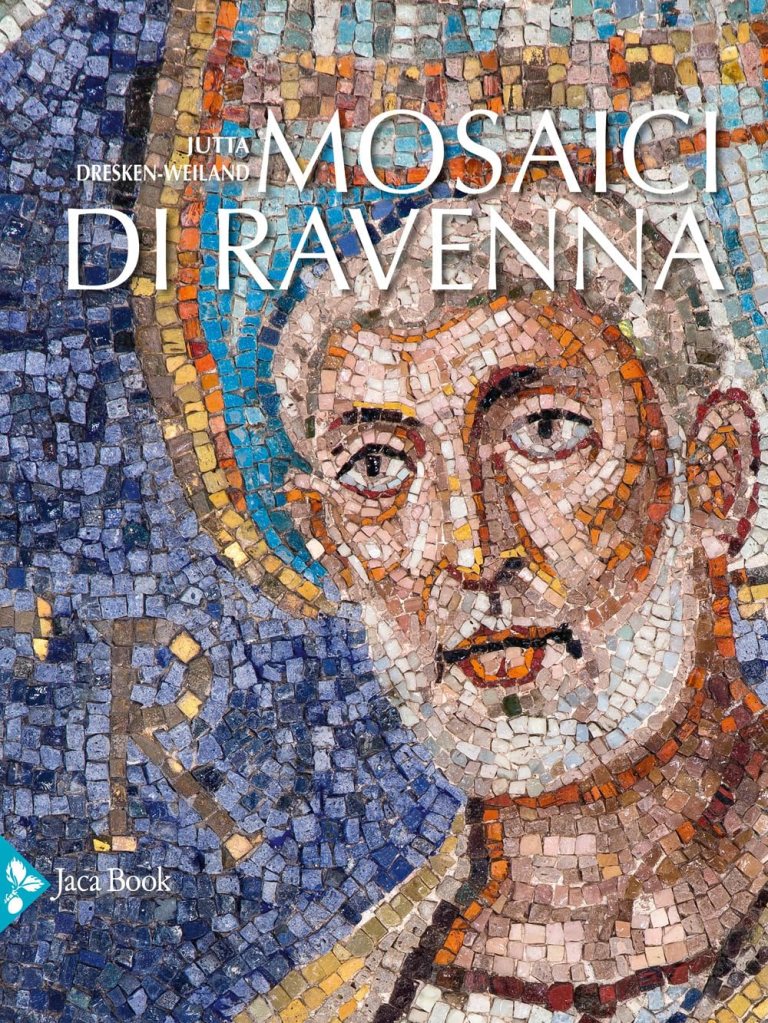
Tra i mosaici più celebri spicca la raffigurazione del Buon Pastore. Cristo è rappresentato come un giovane elegante, avvolto in vesti dorate e circondato da un gregge di pecore. L’immagine segna il passaggio dall’arte romana a quella cristiana, fondendo realismo e simbolismo.
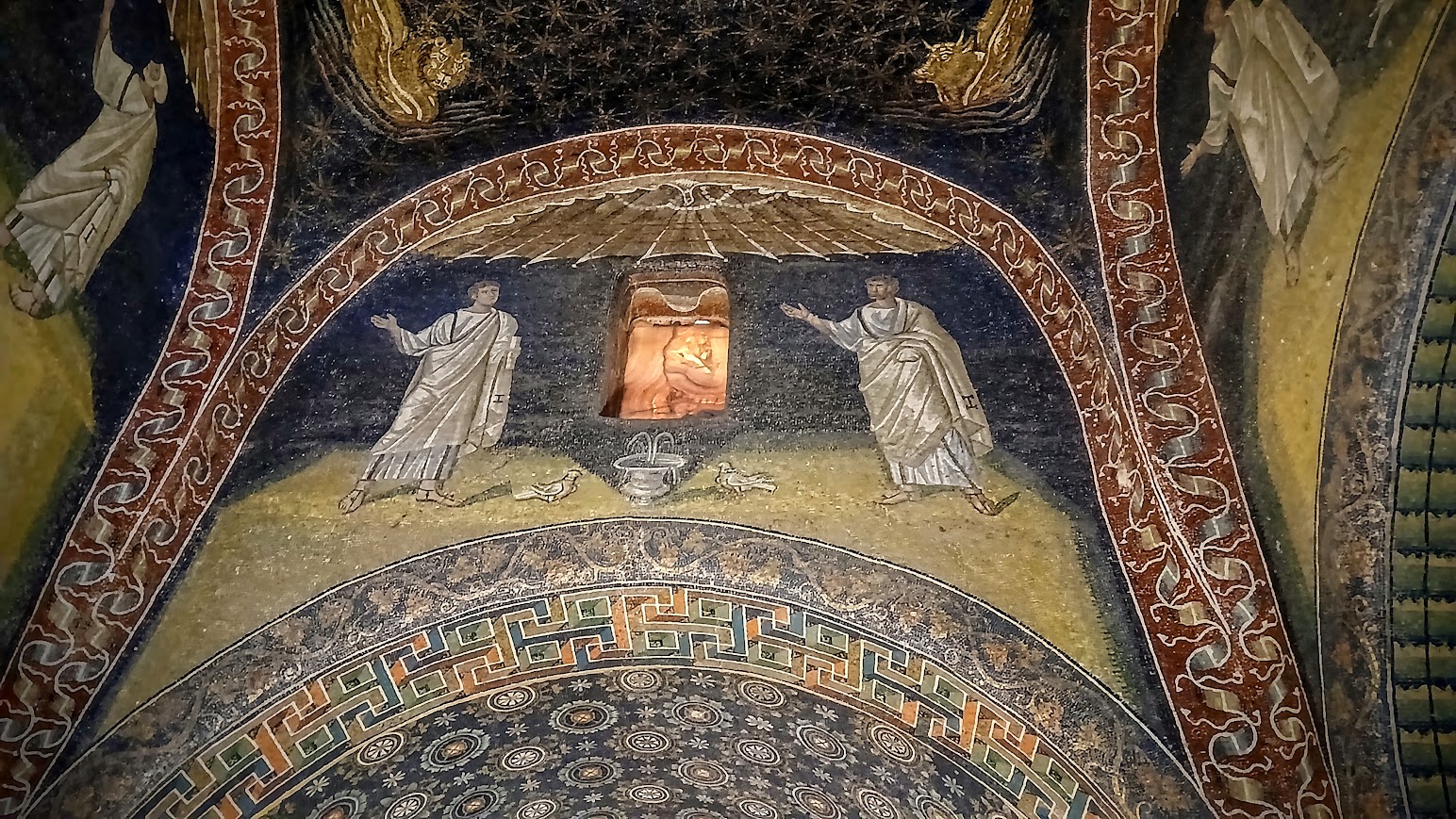
Ogni dettaglio racconta un messaggio preciso: cervi che si abbeverano, colombe, tralci vegetali e figure dei santi contribuiscono a creare un complesso linguaggio religioso destinato ai fedeli dell’epoca.
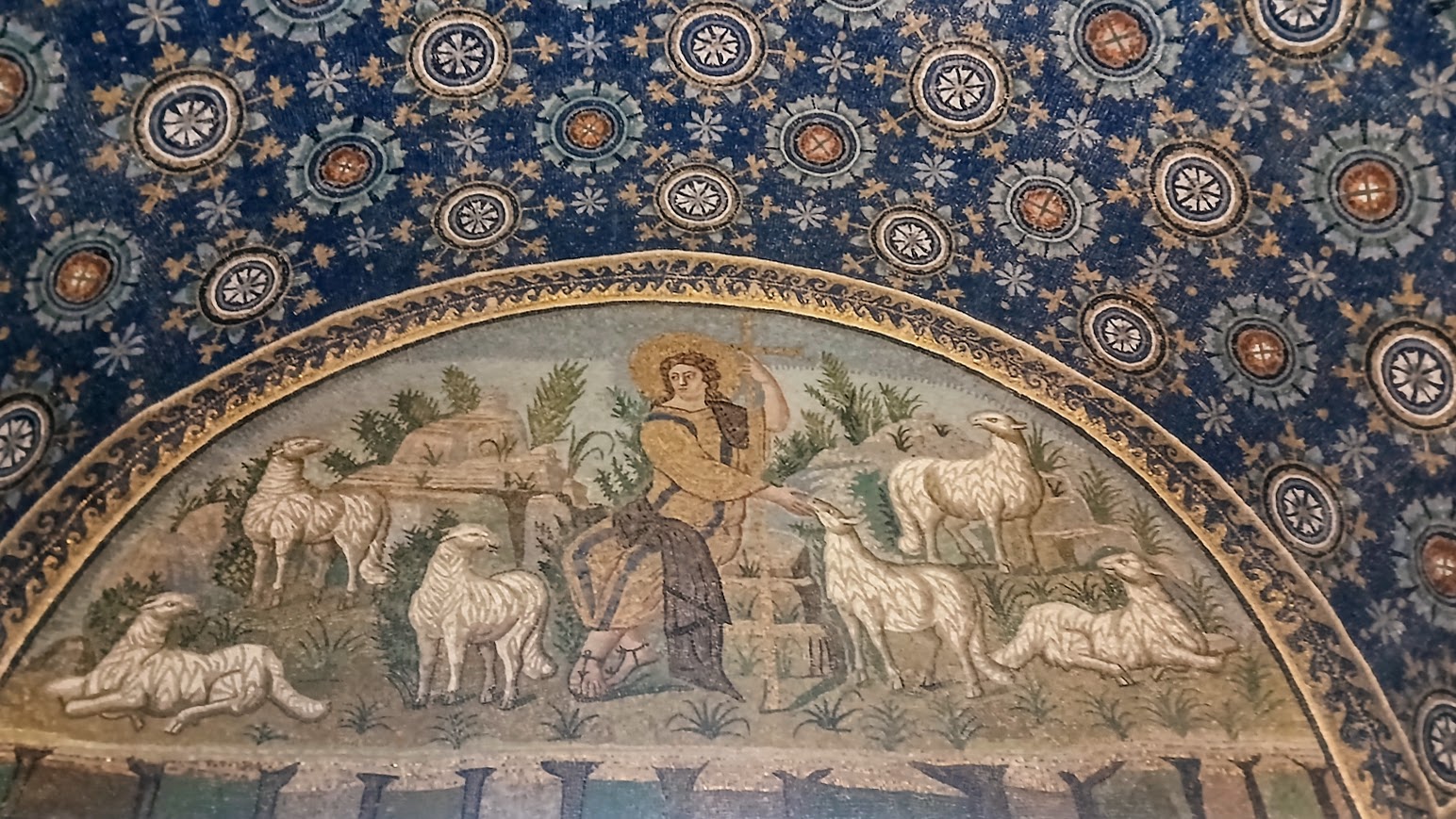
La storia del Mausoleo di Galla Placidia: un capolavoro nato nell’età d’oro di Ravenna
Il Mausoleo di Galla Placidia venne realizzato tra il 425 e il 450 d.C. La città era diventata capitale imperiale nel 402 d.C. grazie alla sua posizione strategica, protetta da paludi e vicina al mare.
L’edificio sorse accanto alla Basilica di Santa Croce, oggi in gran parte scomparsa, e faceva probabilmente parte di un più ampio complesso religioso voluto dalla corte imperiale.
Lo straordinario stato di conservazione permette ancora oggi di ammirare alcuni dei mosaici paleocristiani più importanti al mondo, testimonianza dell’incontro tra la tradizione artistica romana e le influenze bizantine che avrebbero caratterizzato Ravenna nei secoli successivi.
Chi era Galla Placidia: la donna che governò l’Impero Romano d’Occidente
Galla Placidia nacque intorno al 390 d.C. ed era figlia dell’imperatore Teodosio I, l’ultimo sovrano a governare un Impero Romano ancora unito. La sua vita fu straordinaria e attraversò alcuni degli eventi più drammatici della tarda antichità.
Dopo il sacco di Roma del 410 d.C. da parte dei Visigoti, venne fatta prigioniera e successivamente sposò il re visigoto Ataulfo. Rimasta vedova, tornò nell’orbita romana e sposò il generale Costanzo, futuro imperatore. Alla morte del marito e durante la minore età del figlio Valentiniano III, esercitò un ruolo politico fondamentale come reggente dell’Impero Romano d’Occidente.
Abile diplomatica e donna di grande influenza, contribuì alla stabilità dell’impero in una fase estremamente delicata della sua storia. Morì a Roma nel 450 d.C. e, secondo la maggior parte degli storici, fu probabilmente sepolta nella capitale. Questo spiega perché il monumento di Ravenna, pur portando il suo nome, potrebbe non aver mai ospitato le sue spoglie.
Le finestre in alabastro: il segreto della luce magica del mausoleo
Uno degli elementi meno conosciuti ma più affascinanti del Mausoleo di Galla Placidia sono le sue finestre in alabastro. Al posto del vetro trasparente, gli antichi costruttori utilizzarono sottili lastre di questa pietra semitrasparente, capace di filtrare la luce esterna in modo delicato e uniforme.
L’alabastro diffonde una luminosità soffusa che avvolge l’intero ambiente senza creare contrasti troppo forti. Grazie a questo effetto, le tessere dorate e blu dei mosaici sembrano brillare dall’interno, accentuando l’atmosfera mistica e contemplativa dello spazio.
La scelta non era soltanto estetica. Nella simbologia cristiana la luce rappresentava la presenza divina e la salvezza. Le finestre in alabastro contribuivano quindi a trasformare l’interno del mausoleo in una rappresentazione simbolica del paradiso, dove il cielo stellato della cupola e la luce filtrata creavano un’esperienza spirituale unica per i fedeli.
Ancora oggi, entrando nel monumento, è possibile percepire l’effetto studiato dai costruttori oltre quindici secoli fa: una luce morbida e dorata che rende i mosaici vivi e dona al piccolo edificio un fascino quasi soprannaturale.
Patrimonio UNESCO e tesoro mondiale
Il Mausoleo di Galla Placidia fa parte dei monumenti paleocristiani di Ravenna riconosciuti come Patrimonio dell’Umanità dall’UNESCO. Insieme alle altre basiliche e ai celebri mosaici della città, rappresenta una testimonianza unica dell’incontro tra cultura romana, cristiana e bizantina.
Ancora oggi studiosi e restauratori considerano questi mosaici tra i meglio conservati al mondo, un patrimonio artistico che continua a stupire dopo oltre quindici secoli.
In pochi metri quadrati si concentra un patrimonio artistico che racconta la fine dell’Impero Romano, la nascita dell’Europa cristiana e il genio dei maestri mosaicisti di Ravenna.
È uno di quei luoghi che nessuna fotografia riesce davvero a raccontare: bisogna entrarci, alzare gli occhi e lasciarsi avvolgere dal suo cielo stellato.
Per il momento il sempre vostro Michelangelo Buonarroti vi saluta dandovi appuntamento ai prossimi post e sui social.
The Mausoleum of Galla Placidia: the starry sky that has enchanted for 1,500 years
In Ravenna, there’s a place capable of surprising every visitor. From the outside, it appears simple, almost austere. But as soon as you cross the threshold, you find yourself immersed in one of the most extraordinary masterpieces of early Christian art: the Mausoleum of Galla Placidia.
Considered one of the most fascinating monuments in Italy, this small building houses mosaics that seem to defy time. Its deep blue vaults, illuminated by thousands of golden tiles, give the impression of gazing at a night sky suspended between history and spirituality.
A jewel in the heart of Ravenna
The mausoleum was built in the first half of the 5th century, at a time when Ravenna was one of the most important cities of the Western Roman Empire. It is traditionally associated with Galla Placidia, daughter of Emperor Theodosius I, a central figure in European politics of the time.
Curiously, historians believe the empress was never buried here. Despite its name, the monument was conceived as a chapel dedicated to Christian worship rather than a true burial place.
The breathtaking ceiling
The most famous element of the mausoleum is undoubtedly the internal dome. Thousands of mosaic tiles form a cobalt blue firmament dotted with golden stars. At the center, a large luminous cross dominates, seemingly guiding the gaze upward.
The effect is still striking today. When light filters through the thin alabaster-lined windows, the entire space is transformed into an almost mystical vision.
The Good Shepherd and other hidden symbols
Among the most famous mosaics, the depiction of the Good Shepherd stands out. Christ is depicted as an elegant young man, wrapped in golden robes and surrounded by a flock of sheep. The image marks the transition from Roman to Christian art, blending realism and symbolism.
Every detail conveys a precise message: deer drinking, doves, vines, and figures of saints contribute to the creation of a complex religious language intended for the faithful of the time.
The history of the Mausoleum of Galla Placidia: a masterpiece born in Ravenna’s golden age
The Mausoleum of Galla Placidia was built between 425 and 450 AD. The city had become the imperial capital in 402 AD thanks to its strategic location, protected by marshes and close to the sea.
The building was erected next to the Basilica of Santa Croce, now largely lost, and was likely part of a larger religious complex commissioned by the imperial court.
The extraordinary state of preservation still allows us to admire some of the most important early Christian mosaics in the world, evidence of the encounter between Roman artistic tradition and the Byzantine influences that would characterize Ravenna in the centuries to come.
Who was Galla Placidia: The Woman Who Ruled the Western Roman Empire
Galla Placidia was born around 390 AD, the daughter of Emperor Theodosius I, the last ruler to rule a united Roman Empire. Her life was extraordinary, experiencing some of the most dramatic events of late antiquity.
After the sack of Rome in 410 AD by the Visigoths, she was taken prisoner and subsequently married the Visigothic king Athaulf. Widowed, she returned to Rome and married General Constantius, the future emperor. After her husband’s death and during the minority of her son Valentinian III, she played a key political role as regent of the Western Roman Empire.
A skilled diplomat and a woman of great influence, she contributed to the stability of the empire during an extremely delicate phase of its history. She died in Rome in 450 AD. and, according to most historians, she was probably buried in the capital. This explains why the monument in Ravenna, despite bearing her name, may never have housed her remains.
The Alabaster Windows: The Secret of the Mausoleum’s Magical Light
One of the lesser-known yet most fascinating elements of the Mausoleum of Galla Placidia is its alabaster windows. Instead of clear glass, the ancient builders used thin sheets of this semi-transparent stone, capable of filtering external light delicately and uniformly.
Alabaster diffuses a soft glow that envelops the entire space without creating harsh contrasts. Thanks to this effect, the gold and blue mosaic tiles appear to glow from within, accentuating the mystical and contemplative atmosphere of the space.
The choice was not merely aesthetic. In Christian symbolism, light represented divine presence and salvation. The alabaster windows thus helped transform the interior of the mausoleum into a symbolic representation of paradise, where the starry sky of the dome and the filtered light created a unique spiritual experience for the faithful.
Even today, upon entering the monument, one can sense the effect conceived by its builders over fifteen centuries ago: a soft, golden light that brings the mosaics to life and imbues the small building with an almost supernatural allure.
UNESCO World Heritage Site and World Treasure
The Mausoleum of Galla Placidia is one of Ravenna’s early Christian monuments recognized as a UNESCO World Heritage Site. Along with the city’s other basilicas and famous mosaics, it represents a unique testimony to the encounter between Roman, Christian, and Byzantine cultures.
Scholars and restorers still consider these mosaics among the best preserved in the world, an artistic legacy that continues to amaze after more than fifteen centuries.
In just a few square meters, an artistic legacy is concentrated that recounts the end of the Roman Empire, the birth of Christian Europe, and the genius of Ravenna’s master mosaicists.
It is one of those places that no photograph can truly convey: you have to enter, raise your eyes, and let yourself be enveloped by its starry sky.
For now, yours truly, Michelangelo Buonarroti, bids farewell and invites you to join him in future posts and on social media.

Sostienici – Support Us
Se questo blog ti piace e ti appassiona, puoi aiutarci a farlo crescere sempre più sostenendoci in modo concreto condividendo i post, seguendo le pagine social e con un contributo che ci aiuta ad andare avanti con il nostro lavoro di divulgazione. . ENGLISH: If you like and are passionate about this blog, you can help us make it grow more and more by supporting us in a concrete way by sharing posts, following social pages and with a contribution that helps us to move forward with our dissemination work.
10,00 €
Condividi:


Questo sono io




sostienici

Sostienici – Support Us
Se questo blog ti piace e ti appassiona, puoi aiutarci a farlo crescere sempre più sostenendoci in modo concreto condividendo i post, seguendo le pagine social e con un contributo che ci aiuta ad andare avanti con il nostro lavoro di divulgazione. . ENGLISH: If you like and are passionate about this blog, you can help us make it grow more and more by supporting us in a concrete way by sharing posts, following social pages and with a contribution that helps us to move forward with our dissemination work.
€10,00


