
Mattia Preti protagonista del Natale a Palazzo Marino: in mostra la grande pala con il suo autoritratto
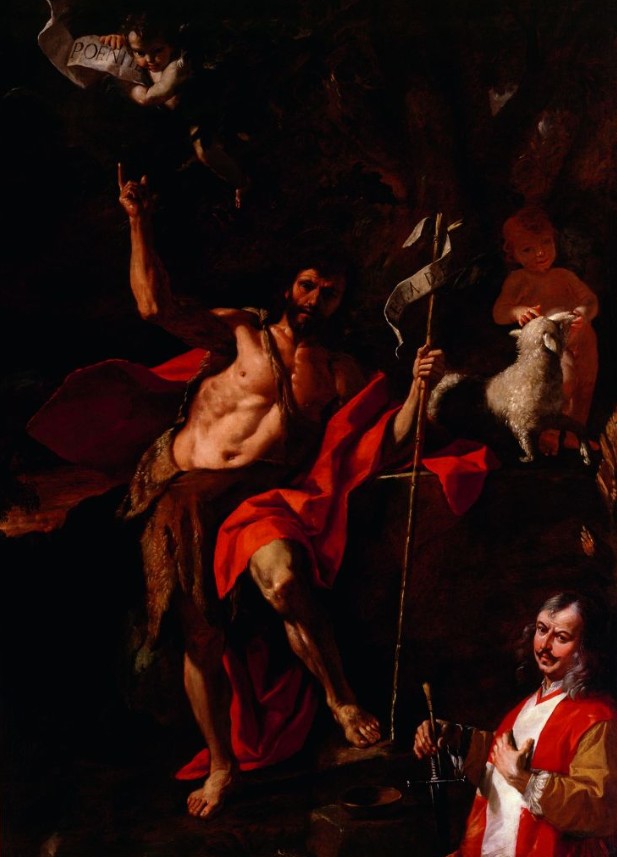
Il Natale a Palazzo Marino quest’anno avrà il volto di uno dei grandi protagonisti della pittura barocca italiana. A Milano arriva Mattia Preti con la monumentale pala d’altare La predica di San Giovanni Battista con autoritratto, un’opera di straordinaria intensità nella quale il pittore calabrese ha lasciato anche un’insolita testimonianza di sé.
Dal 2 dicembre 2026 al 10 gennaio 2027, la grande tela sarà esposta gratuitamente nella Sala Alessi di Palazzo Marino, sede del Comune di Milano, per la diciottesima edizione della tradizionale mostra natalizia. Un appuntamento ormai atteso che ogni anno offre al pubblico l’occasione di ammirare da vicino un capolavoro della storia dell’arte, proveniente da un museo o da un luogo di conservazione italiano.
La scelta di quest’anno porta dunque alla scoperta del Barocco e di un artista che, con la sua pittura fatta di luci improvvise, ombre profonde e figure potentemente espressive, ha saputo raccogliere e reinterpretare l’eredità di Caravaggio.
Mattia Preti e la predica di San Giovanni Battista: il pittore si ritrae nella pala
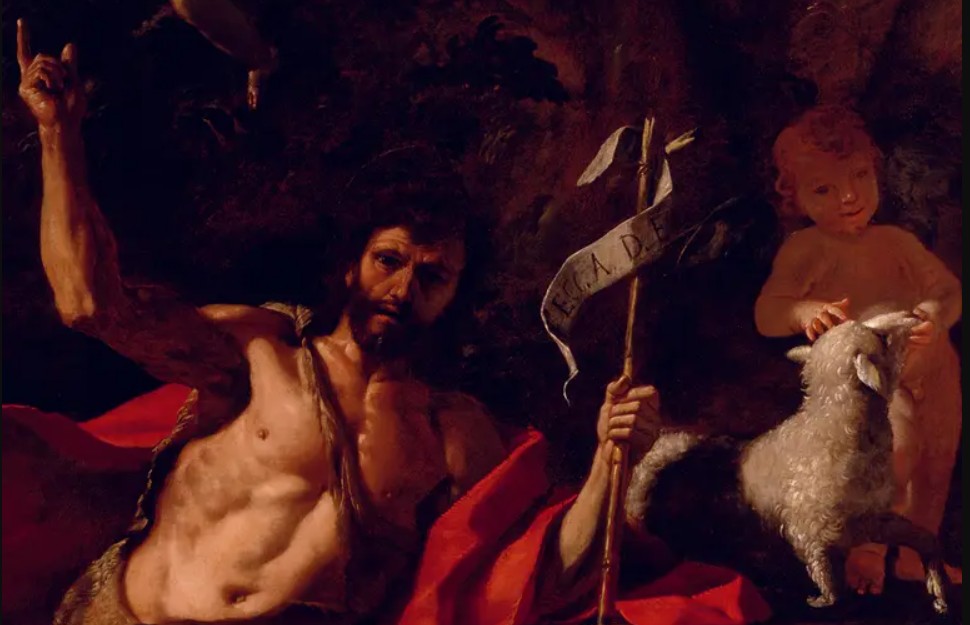
Realizzata durante la maturità artistica di Mattia Preti, La predica di San Giovanni Battista con autoritratto è una grande pala d’altare che racconta uno degli episodi più significativi della predicazione del santo. La composizione si distingue per il carattere teatrale, la disposizione delle figure e soprattutto per il modo in cui la luce costruisce la scena, facendo emergere i personaggi dall’oscurità.
Ma c’è un particolare che rende quest’opera ancora più interessante e che merita di essere cercato con attenzione durante la visita.
Nell’angolo inferiore destro della pala, infatti, Mattia Preti ha inserito il proprio autoritratto indossando l’abito dei Cavalieri di Malta e portando con sé due oggetti che raccontano molto della sua identità: una spada e un pennello.
Due simboli che sembrano riassumere le diverse dimensioni della sua vita, quella artistica e quella legata alla sua appartenenza all’Ordine di Malta. Un’immagine di sé che non è soltanto una firma visiva, ma anche una dichiarazione del proprio ruolo e della propria posizione sociale.
Preti, conosciuto anche come Cavalier Calabrese, nacque a Taverna, in Calabria, nel 1613 e morì a La Valletta nel 1699. Fu uno dei protagonisti del Seicento europeo e sviluppò un linguaggio pittorico personale, nel quale la lezione caravaggesca si intreccia con una composizione più ampia e scenografica, tipicamente barocca.
L’altare progettato da Mattia Preti per la tomba di famiglia
L’opera era stata concepita per un contesto preciso: doveva infatti essere collocata nell’altare ligneo progettato dallo stesso Mattia Preti per la tomba della propria famiglia. Un lavoro legato alla sua storia personale e familiare.
A Palazzo Marino il progetto espositivo cercherà di restituire idealmente proprio quell’originaria collocazione. Attraverso un allestimento scenografico e un attento progetto illuminotecnico, sarà ricostruita la percezione dell’altare per il quale la pala era stata realizzata.
La visita sarà accompagnata anche da approfondimenti documentali e studi scientifici, pensati per raccontare la genesi dell’opera, il suo significato e il rapporto con il progetto originario.
È un modo per andare oltre la semplice esposizione di un dipinto e provare a restituirgli, almeno in parte, il contesto per il quale era stato immaginato.
La mostra di Mattia Preti a Milano
La mostra La predica di San Giovanni Battista con autoritratto sarà ospitata nella Sala Alessi di Palazzo Marino, nel cuore di Milano.
Il dipinto proviene dalla Chiesa Monumentale di San Domenico a Taverna, in provincia di Catanzaro, ed è appartenente al Fondo Edifici di Culto del Ministero dell’Interno.
L’esposizione è curata da Rossella Vodret, Giuseppe Valentino e Domenico Piraina. È promossa e prodotta dal Comune di Milano, dal Fondo Edifici di Culto e da Intesa Sanpaolo con Gallerie d’Italia, e realizzata da Civita Mostre e Musei, con la partecipazione delle istituzioni coinvolte nella tutela e valorizzazione dell’opera.
Ad accompagnare la mostra ci sarà anche un catalogo edito da Allemandi, con saggi introduttivi, approfondimenti e schede dedicate all’opera.
Natale nei borghi: alla scoperta della Milano meno conosciuta
La mostra dedicata a Mattia Preti non sarà l’unico appuntamento culturale del Natale milanese. Torna anche Natale nei borghi, il programma diffuso nei municipi che invita cittadini e visitatori a scoprire la storia e il patrimonio dei quartieri storici della città.
L’iniziativa propone itinerari e visite guidate tra architetture, luoghi della memoria e testimonianze artistiche spesso meno conosciute, ma importanti per comprendere le tante anime di Milano.
Per questa edizione sarà riservata un’attenzione particolare alle antiche biblioteche monastiche, luoghi preziosi per la conservazione e la circolazione dei testi, che per secoli hanno custodito libri, manoscritti e saperi.
Un’occasione per vivere il periodo natalizio attraverso l’arte, la storia e la scoperta di una Milano che non si esaurisce nei suoi monumenti più celebri.
Per il momento il sempre vostro Michelangelo Buonarroti vi saluta dandovi appuntamento ai prossimi post e sui social.
Mattia Preti takes center stage for Christmas at Palazzo Marino: a major altarpiece featuring his own self-portrait to be exhibited
This year, Christmas at Palazzo Marino will be defined by one of the great figures of Italian Baroque painting. Mattia Preti arrives in Milan with his monumental altarpiece, The Preaching of Saint John the Baptist (with Self-Portrait)—a work of extraordinary intensity in which the Calabrian painter also left an unusual personal signature.
From December 2, 2026, to January 10, 2027, this large canvas will be on display—free of charge—in the Sala Alessi at Palazzo Marino, the seat of the Municipality of Milan, as part of the eighteenth edition of its traditional Christmas exhibition. This highly anticipated annual event offers the public the chance to admire a masterpiece of art history up close, brought in from an Italian museum or collection.
This year’s selection invites visitors to explore the Baroque period through an artist who—with a style defined by sudden bursts of light, deep shadows, and powerfully expressive figures—successfully absorbed and reinterpreted the legacy of Caravaggio.
Mattia Preti and The Preaching of Saint John the Baptist: the painter includes his own portrait in the altarpiece
Created during the height of Mattia Preti’s artistic maturity, The Preaching of Saint John the Baptist (with Self-Portrait) is a grand altarpiece depicting one of the most significant episodes from the saint’s ministry. The composition is notable for its theatrical quality, the arrangement of its figures, and, above all, the way light shapes the scene, causing the characters to emerge from the darkness.
Yet, there is one particular detail that makes this work even more compelling—a detail well worth looking for during your visit. In the bottom-right corner of the altarpiece, Mattia Preti included a self-portrait, depicting himself in the habit of the Knights of Malta and holding two objects that reveal much about his identity: a sword and a paintbrush.
These two symbols encapsulate the different facets of his life—his artistic career and his affiliation with the Order of Malta. This self-representation serves not merely as a visual signature, but also as a declaration of his role and social standing.
Preti—also known as the “Cavalier Calabrese” (the Calabrian Knight)—was born in Taverna, Calabria, in 1613, and died in Valletta in 1699. A major figure in 17th-century Europe, he developed a distinctive pictorial style that blended the influence of Caravaggio with the grand, theatrical compositions characteristic of the Baroque period.
The altar designed by Mattia Preti for his family tomb
The work was conceived for a specific setting: it was intended for a wooden altar that Mattia Preti himself designed for his family’s tomb—a project deeply rooted in his personal and family history.
At Palazzo Marino, the exhibition aims to recreate, in spirit, this original setting. Through a theatrical display and a carefully planned lighting design, the exhibition reconstructs the experience of the altar for which the altarpiece was originally created.
The visit is further enriched by documentary research and scientific studies, which shed light on the work’s genesis, its meaning, and its connection to the original design.
This approach goes beyond the simple display of a painting, seeking to restore—at least in part—the context for which it was originally envisioned. Mattia Preti Exhibition in Milan
The exhibition The Preaching of Saint John the Baptist with a Self-Portrait will be hosted in the Sala Alessi of Palazzo Marino, in the heart of Milan.
The painting comes from the Monumental Church of San Domenico in Taverna, in the province of Catanzaro, and belongs to the Fund for Buildings of Worship (Fondo Edifici di Culto) under the Italian Ministry of the Interior.
The exhibition is curated by Rossella Vodret, Giuseppe Valentino, and Domenico Piraina. It is promoted and produced by the Municipality of Milan, the Fund for Buildings of Worship, and Intesa Sanpaolo (through its Gallerie d’Italia), and organized by Civita Mostre e Musei, with the participation of the institutions involved in the preservation and promotion of the artwork.
Accompanying the exhibition is a catalog published by Allemandi, featuring introductory essays, in-depth analyses, and detailed entries on the work.
Christmas in the Boroughs: Discovering a Lesser-Known Side of Milan
The exhibition dedicated to Mattia Preti is not the only cultural event taking place in Milan this Christmas season. Natale nei borghi (“Christmas in the Boroughs”) also returns—a program spanning various municipal districts that invites residents and visitors alike to explore the history and heritage of the city’s historic neighborhoods.
The initiative offers itineraries and guided tours that highlight architecture, sites of historical significance, and artistic treasures—often lesser-known, yet essential for understanding the many facets of Milan.
This edition will place special focus on ancient monastic libraries—invaluable repositories for the preservation and circulation of knowledge.
…preservation of texts—places that, for centuries, have safeguarded books, manuscripts, and knowledge.
An opportunity to experience the Christmas season through art, history, and the discovery of a Milan that extends well beyond its most famous monuments.
For now, yours truly, Michelangelo Buonarroti, bids you farewell—until the next posts and over on social media.

Sostienici – Support Us
Se questo blog ti piace e ti appassiona, puoi aiutarci a farlo crescere sempre più sostenendoci in modo concreto condividendo i post, seguendo le pagine social e con un contributo che ci aiuta ad andare avanti con il nostro lavoro di divulgazione. . ENGLISH: If you like and are passionate about this blog, you can help us make it grow more and more by supporting us in a concrete way by sharing posts, following social pages and with a contribution that helps us to move forward with our dissemination work.
10,00 €
Condividi:


Questo sono io





sostienici

Sostienici - Support Us
Se questo blog ti piace e ti appassiona, puoi aiutarci a farlo crescere sempre più sostenendoci in modo concreto condividendo i post, seguendo le pagine social e con un contributo che ci aiuta ad andare avanti con il nostro lavoro di divulgazione. . ENGLISH: If you like and are passionate about this blog, you can help us make it grow more and more by supporting us in a concrete way by sharing posts, following social pages and with a contribution that helps us to move forward with our dissemination work.
€10,00


