

Le 10 città d’arte europee più belle da visitare a Natale: musei e luoghi da non perdere
Il Natale è uno dei momenti più belli per concedersi un viaggio in una città d’arte europea. Le strade si illuminano, le piazze si riempiono di bancarelle e i palazzi storici diventano lo sfondo di passeggiate che, soprattutto nelle ore serali, hanno un fascino particolare.
Non bisogna dimenticare però i musei, le chiese e tutte quelle opere che ogni città custodisce.
Non serve andare lontano per vivere un Natale speciale, né trascorrere ogni giornata fra mercatini e negozi. A volte basta entrare in un museo per ritrovarsi faccia a faccia dinanzi a un dipinto o a una scultura che desideravamo vedere da anni e poi tornare a camminare per la città, magari con una cioccolata calda fra le mani.
Quali sono, allora, le città d’arte europee più belle da visitare a Natale? Da Vienna a Praga, da Parigi a Bruges, passando per Roma e Firenze, ecco dieci destinazioni dove l’atmosfera delle feste incontra la storia dell’arte. Per ciascuna ho scelto un museo o un luogo culturale che vale la pena inserire nell’itinerario.
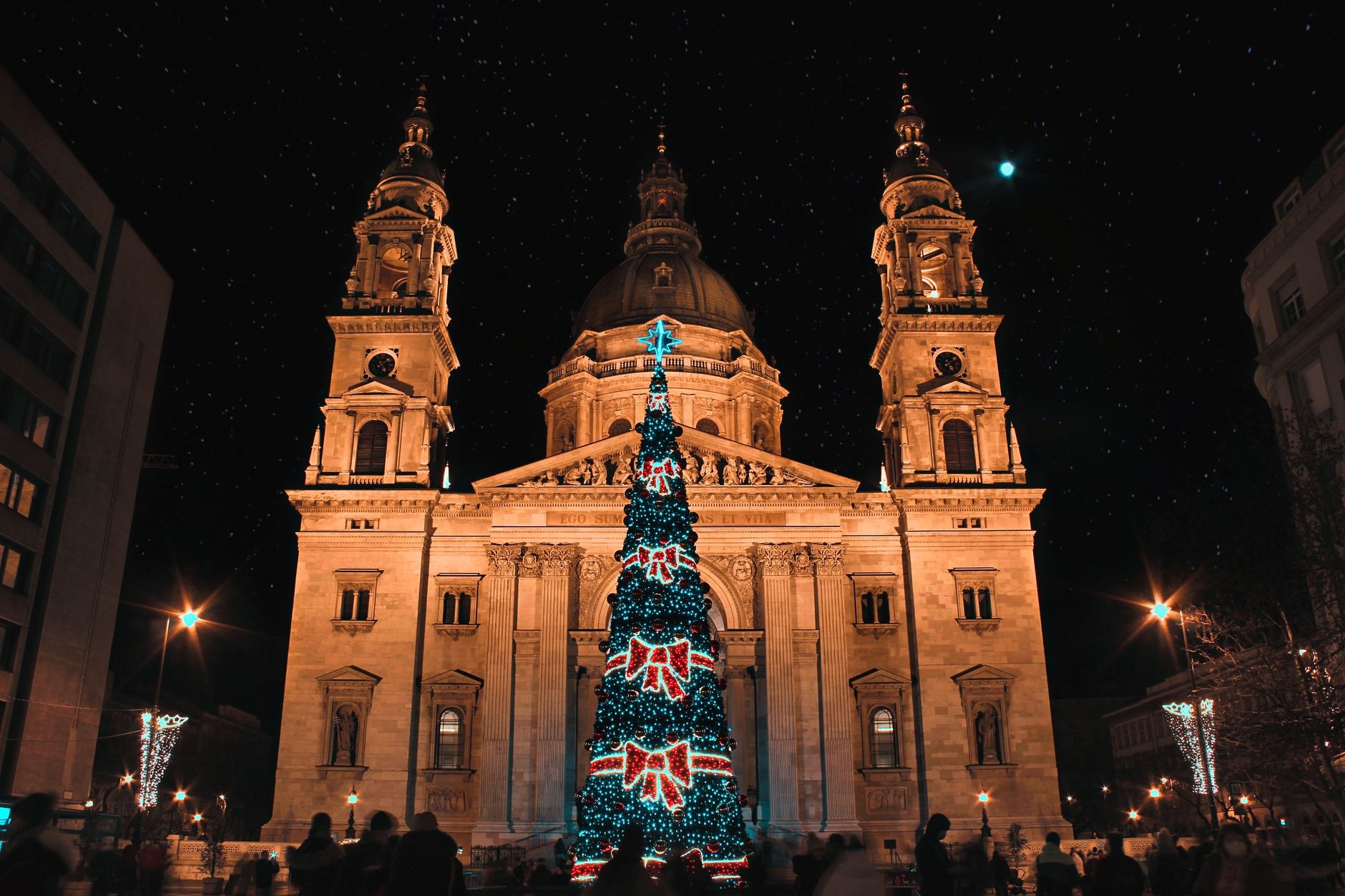
1. Vienna, Austria: il Natale fra palazzi imperiali e grandi capolavori
Vienna è una di quelle città che a dicembre sembrano nate per essere passeggiate senza fretta. Le facciate monumentali, le piazze illuminate e i mercatini natalizi creano un’atmosfera elegante, ma allo stesso tempo accogliente. Non è difficile immaginarsi mentre si cammina fra le bancarelle, si osservano le decorazioni artigianali e ci si ferma per assaggiare qualcosa di caldo prima di riprendere il giro.
Il mercatino davanti al Municipio è uno dei più conosciuti, ma meritano una visita anche quelli allestiti nei pressi della Reggia di Schönbrunn e del Belvedere. Il bello di Vienna è che basta spostarsi di qualche strada per passare dalle luci del Natale alla magnificenza di un palazzo imperiale.
Il museo da visitare: il Kunsthistorisches Museum
Il Kunsthistorisches Museum, il Museo di storia dell’arte, è una tappa da non perdere per chi ama la pittura. Le sue sale custodiscono opere di grandi maestri europei, da Pieter Bruegel il Vecchio a Vermeer, da Raffaello a Tiziano e Rubens.
Davanti ai dipinti di Bruegel, in particolare, viene spontaneo soffermarsi sui piccoli dettagli: personaggi, gesti e scene quotidiane che, a uno sguardo attento, rivelano un mondo intero. È uno di quei musei in cui conviene prendersi il proprio tempo, senza l’ansia di vedere tutto.
Da vedere anche: il Palazzo di Schönbrunn e il Belvedere, dove è conservato il celebre Bacio di Gustav Klimt.
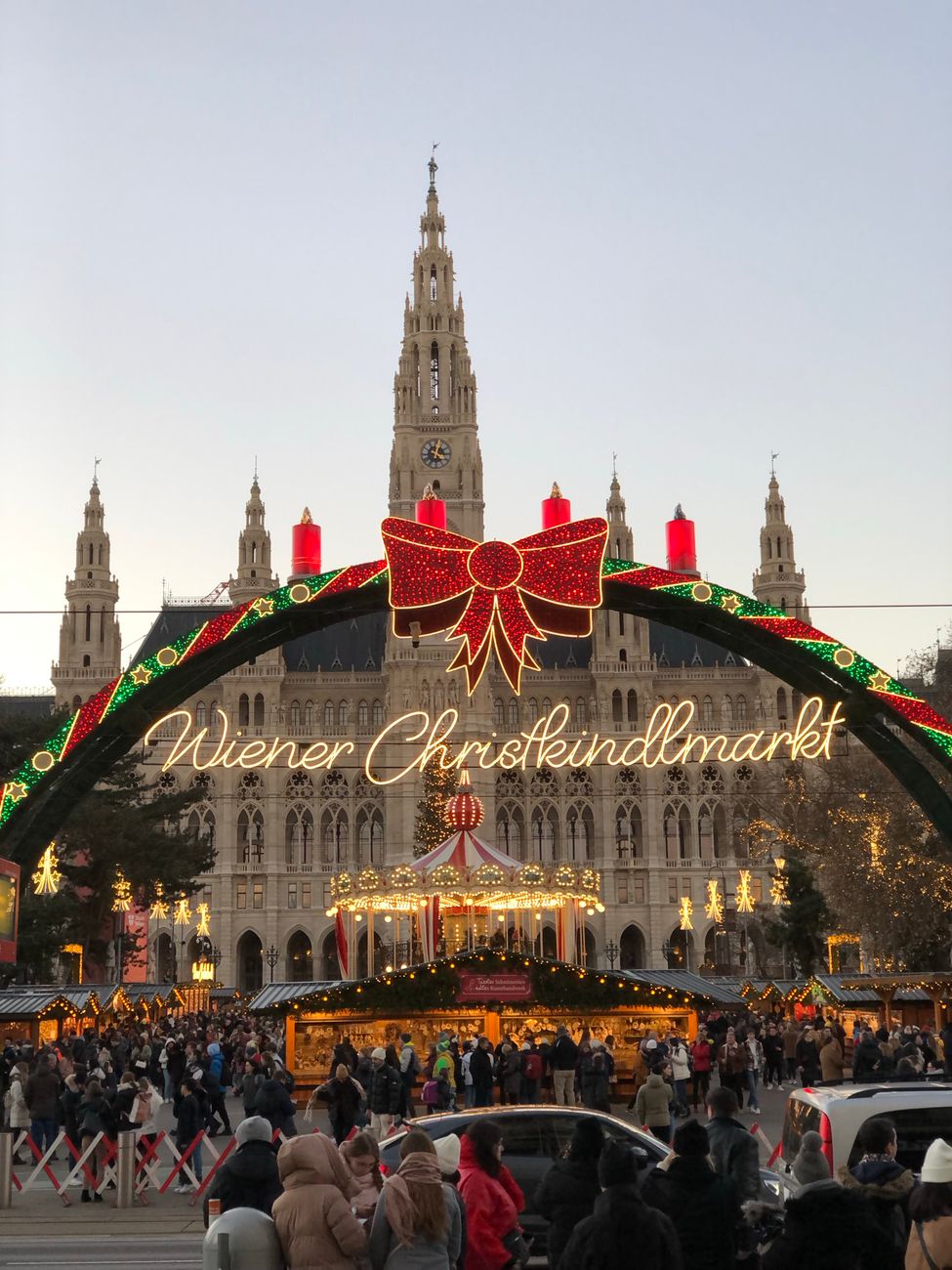
2. Praga, Repubblica Ceca: un Natale da fiaba fra torri e vicoli medievali
Se c’è una città che in inverno sembra uscita da una fiaba, è Praga. Le torri gotiche, le case colorate e i tetti del centro storico compongono uno scenario suggestivo in ogni stagione, ma a Natale le luci e le decorazioni aggiungono qualcosa in più.
Il punto di partenza ideale è la Piazza della Città Vecchia, dove si svolgono i tradizionali mercatini natalizi. Da qui si può proseguire verso il Ponte Carlo, attraversare il quartiere di Malá Strana e raggiungere il Castello, magari scegliendo le ore del tardo pomeriggio per godersi il panorama sulla Moldava.
Praga è una città che invita a guardarsi intorno. Basta alzare gli occhi per scoprire una facciata decorata, un portale antico o una torre che racconta secoli di storia.
Il museo da visitare: il Castello di Praga
Più che un singolo museo, il Castello di Praga è un vero e proprio percorso nella storia e nell’arte della città. All’interno del complesso si trova la Cattedrale di San Vito, con le sue vetrate colorate, le cappelle e le straordinarie architetture gotiche.
La visita permette di comprendere quanto la storia religiosa e politica della Boemia sia legata a questo luogo. È consigliabile controllare in anticipo gli orari dei singoli edifici, perché non tutte le aree del complesso seguono necessariamente lo stesso calendario.
Da vedere anche: la Galleria Nazionale di Praga, per approfondire la storia artistica del Paese e le collezioni di arte europea.
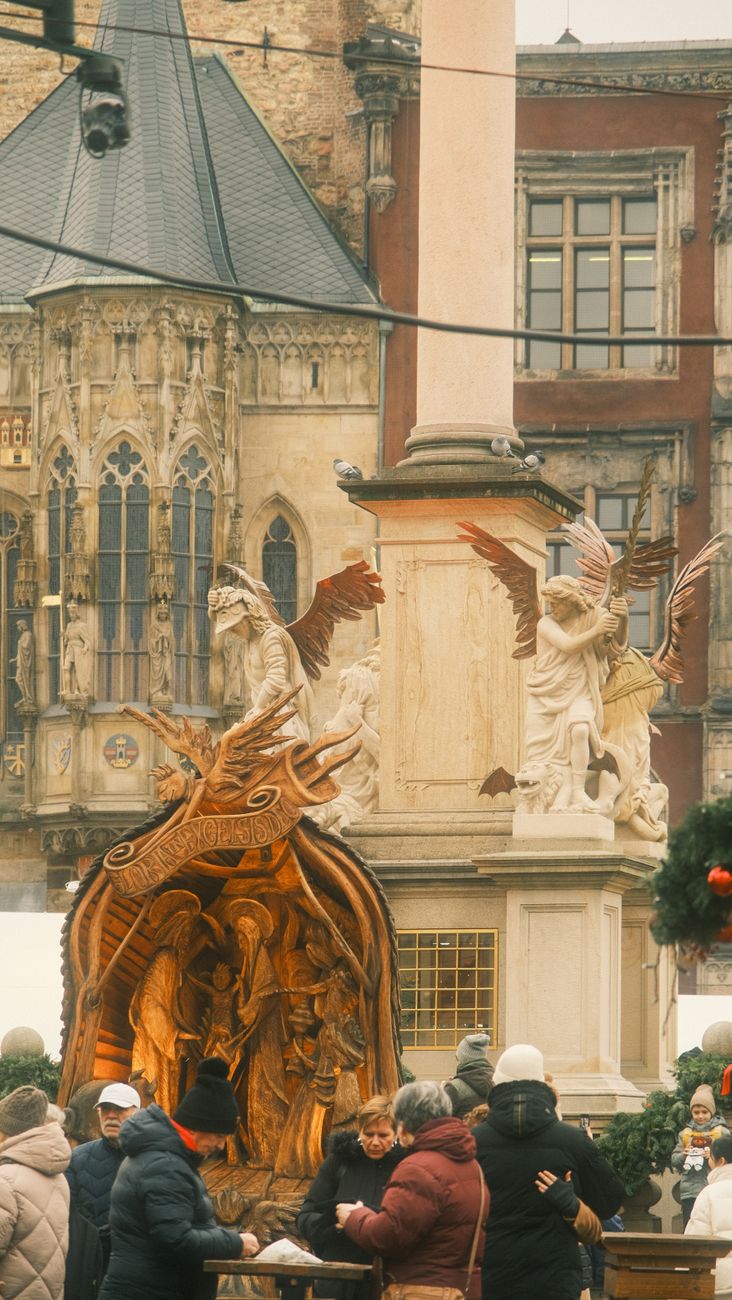
3. Parigi, Francia: un Natale fra boulevard illuminati e grandi musei
Parigi a dicembre ha un fascino particolare. Le vetrine dei grandi magazzini si trasformano in piccole scenografie, i boulevard si riempiono di luci e passeggiare lungo la Senna diventa un piacere anche nelle giornate fredde. È una città in cui si può trascorrere un’intera giornata fra musei e monumenti, ma anche lasciarsi guidare dalla curiosità, entrando in una libreria o fermandosi in un caffè.
Chi visita Parigi durante le feste può organizzare un itinerario fra il Louvre, il Jardin des Tuileries e Place de la Concorde, oppure dedicare qualche ora a Montmartre, con le sue stradine e la Basilica del Sacro Cuore.
Il vantaggio è che a Parigi l’arte non manca mai, anche quando si è già visitata la città in passato. C’è sempre una collezione da approfondire o una mostra che offre un buon motivo per tornare.
Il museo da visitare: il Louvre
Il Museo del Louvre è una tappa quasi obbligata. I miei due Prigioni, la Gioconda di Leonardo da Vinci, la Venere di Milo e la Nike di Samotracia sono soltanto alcune delle opere che hanno reso celebre questo museo in tutto il mondo.
Eppure, fermarsi davanti ai capolavori più famosi non basta a raccontare la ricchezza del Louvre. Le sue collezioni attraversano civiltà ed epoche differenti, mentre il palazzo stesso conserva le tracce delle trasformazioni che hanno segnato la storia di Parigi.
Il consiglio è di scegliere prima della visita le opere che si desidera vedere, lasciando comunque un po’ di spazio alle scoperte inattese.
Da vedere anche: il Musée d’Orsay, ospitato nella splendida ex stazione ferroviaria, soprattutto se ami Monet, Renoir, Degas e la pittura impressionista.
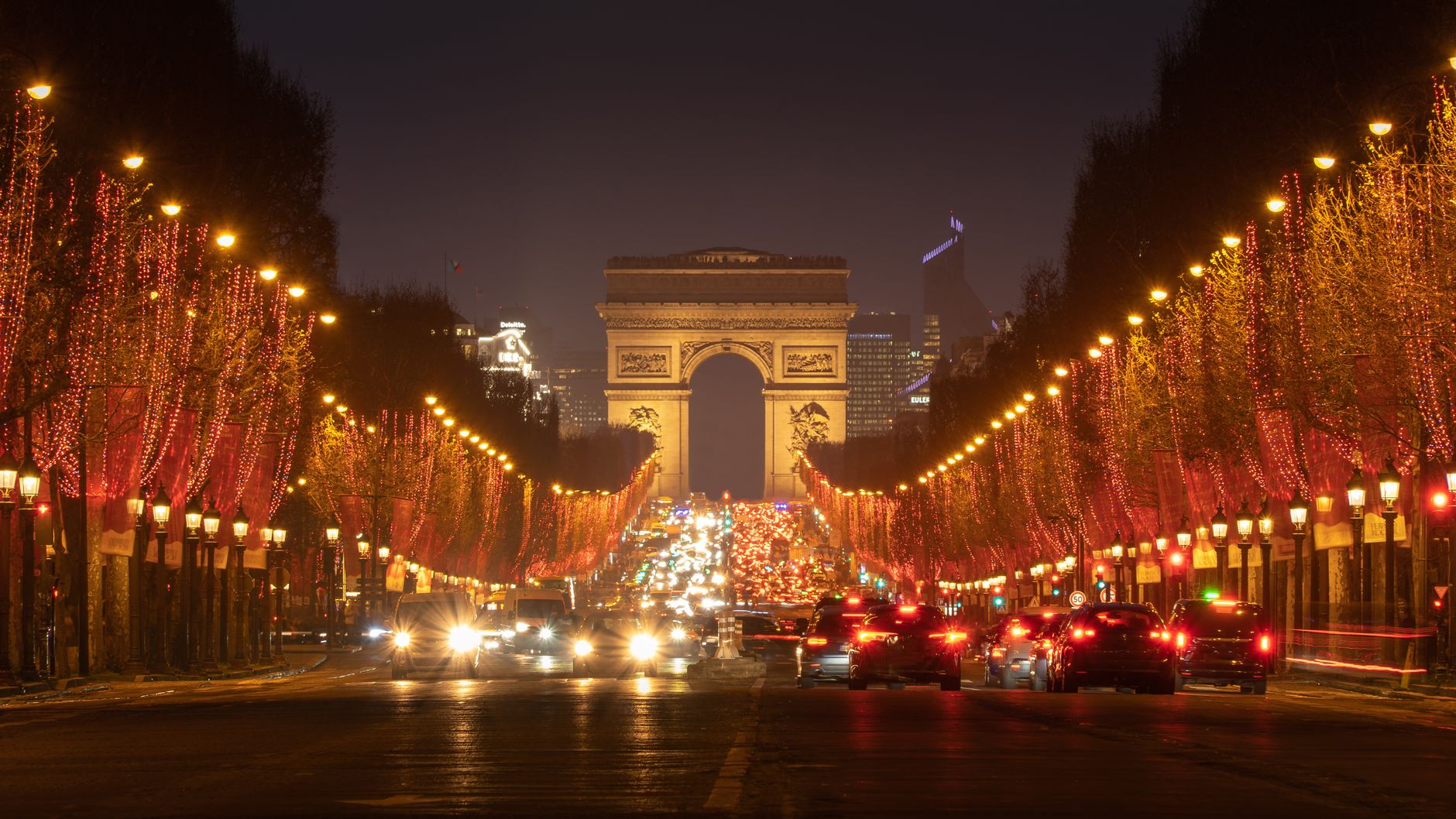
4. Roma, Italia: il Natale fra presepi, chiese e tesori dell’arte
Roma a Natale ha un vantaggio che poche altre città possono offrire: l’arte è dappertutto. Si incontra nelle piazze, nelle fontane, nelle facciate dei palazzi e nelle chiese che si aprono lungo le strade del centro. Anche una passeggiata senza un programma preciso può trasformarsi in un itinerario fra secoli di storia.
Piazza Navona, con le sue architetture barocche, è uno dei luoghi tradizionalmente associati al periodo natalizio. Da qui si può raggiungere il Pantheon, proseguire verso Fontana di Trevi oppure dedicare una giornata al Vaticano.
Per chi ama l’arte sacra, dicembre è anche un’occasione per riscoprire le immagini della Natività, i presepi e le opere che raccontano la storia del Natale.
Il museo da visitare: i Musei Vaticani
I Musei Vaticani custodiscono una delle raccolte d’arte più importanti al mondo. Il percorso comprende sculture antiche, dipinti, arazzi e ambienti monumentali, fino alla Cappella Sistina.
È una visita da programmare con attenzione, perché le collezioni sono vastissime e il tempo a disposizione sembra sempre troppo poco.
Prima di partire, verifica gli orari ufficiali: durante le festività possono essere previste chiusure, in particolare il 25 dicembre.
Da vedere anche: la Basilica di Santa Maria Maggiore, con i suoi splendidi mosaici, e le tante chiese romane che conservano dipinti, sculture e cappelle di grande valore.
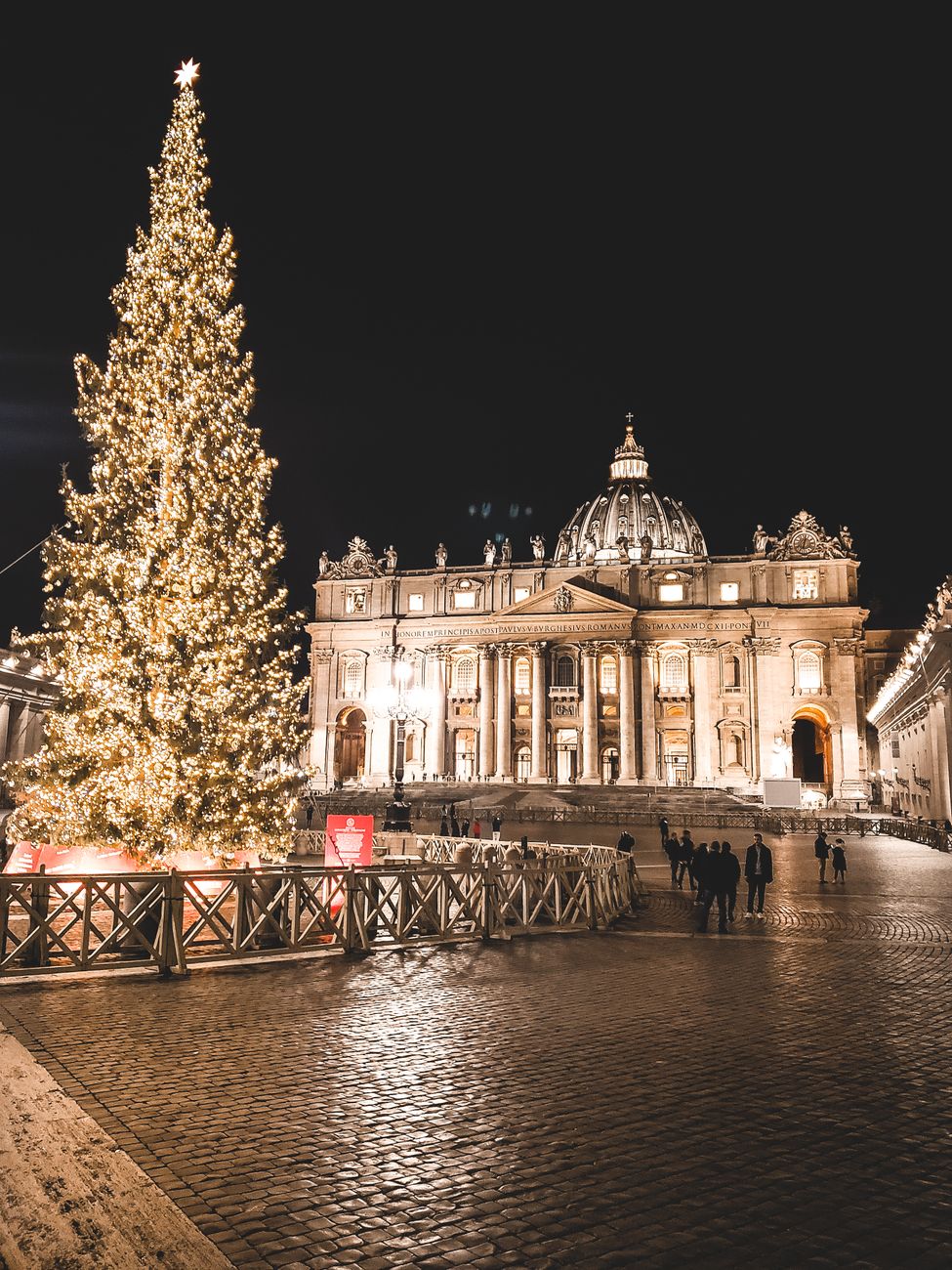
5. Bruges, Belgio: il fascino medievale dei canali e della pittura fiamminga
Bruges è una città che invita a rallentare. Le case medievali si affacciano sui canali, i ponticelli collegano le strade del centro e le piazze conservano un’atmosfera raccolta, che durante il periodo natalizio diventa ancora più suggestiva.
Il centro storico si visita bene a piedi. Si può cominciare dalla Piazza del Mercato, proseguire lungo i canali e fermarsi in una delle tante cioccolaterie per una pausa. Quando arriva la sera, le luci si riflettono sull’acqua e la città mostra uno dei suoi volti più affascinanti. Non vi dimenticate di andare a vedere Notre Dame con la mia Madonna di Bruges.
Ma Bruges non è soltanto una destinazione romantica. È anche un luogo importante per chi vuole conoscere la grande tradizione della pittura fiamminga, fatta di colori intensi, dettagli minuziosi e una straordinaria attenzione alla realtà.
Il museo da visitare: il Groeningemuseum
Il Groeningemuseum è il museo da scegliere per approfondire la storia della pittura nelle Fiandre. Le collezioni comprendono opere dei Primitivi fiamminghi e dipinti di epoche successive, offrendo uno sguardo sulla ricchezza artistica di questa parte d’Europa.
Davanti a queste opere si apprezza soprattutto la cura con cui gli artisti hanno rappresentato i volti, i tessuti, gli oggetti e i paesaggi. Particolari che, osservati da vicino, raccontano molto più di quanto si possa cogliere in una riproduzione.
Da vedere anche: il campanile civico e il centro storico, da esplorare con calma, senza rinunciare a una passeggiata serale lungo i canali.
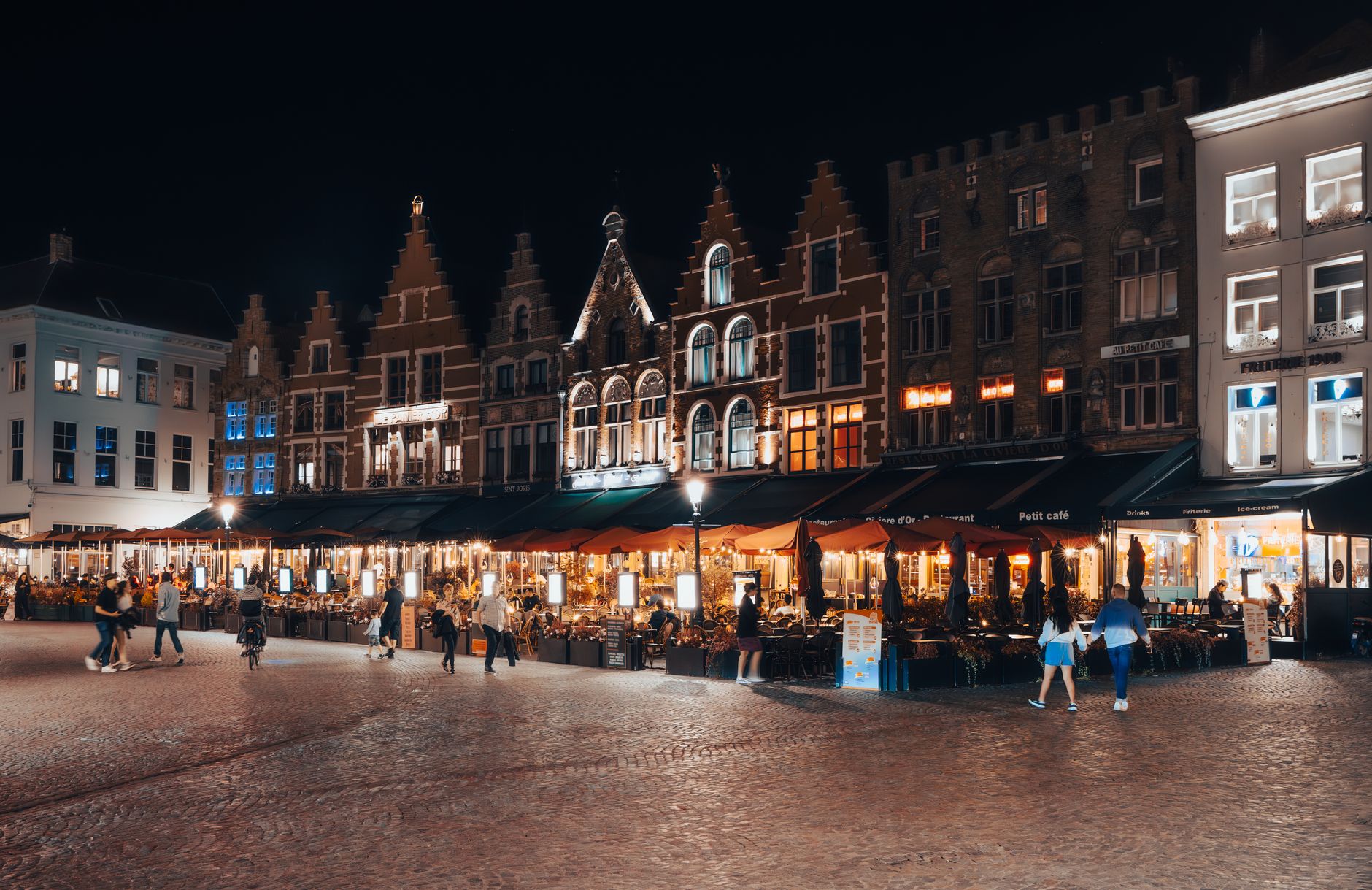
6. Budapest, Ungheria: il Natale sulle rive del Danubio
Budapest è una meta interessante per chi cerca una città elegante, con grandi palazzi storici, piazze animate e un’atmosfera natalizia diversa da quella delle destinazioni più conosciute dell’Europa occidentale.
Il Danubio divide la città nelle due aree storiche di Buda e Pest, unite da ponti monumentali. A dicembre i mercatini animano le piazze centrali, mentre il Parlamento e gli edifici affacciati sul fiume diventano particolarmente suggestivi nelle ore serali.
Un viaggio a Budapest può alternare le visite culturali a qualche momento di relax nelle celebri terme cittadine. Dopo una giornata trascorsa fra musei e monumenti, immergersi nelle acque calde può essere un modo piacevole per concludere la giornata invernale.
Il museo da visitare: il Museo di Belle Arti di Budapest,
Il Museo di Belle Arti di Budapest, in Piazza degli Eroi, conserva una collezione internazionale che comprende dipinti, sculture e opere di epoche differenti.
È una buona scelta per chi vuole affiancare ai mercatini un percorso dedicato alla storia dell’arte europea. Le collezioni permettono di conoscere artisti e scuole differenti, andando oltre le architetture monumentali che caratterizzano la capitale ungherese.
Da vedere anche: il Castello di Buda e il Bastione dei Pescatori, da cui si apre una vista molto suggestiva sulla città e sul Parlamento.
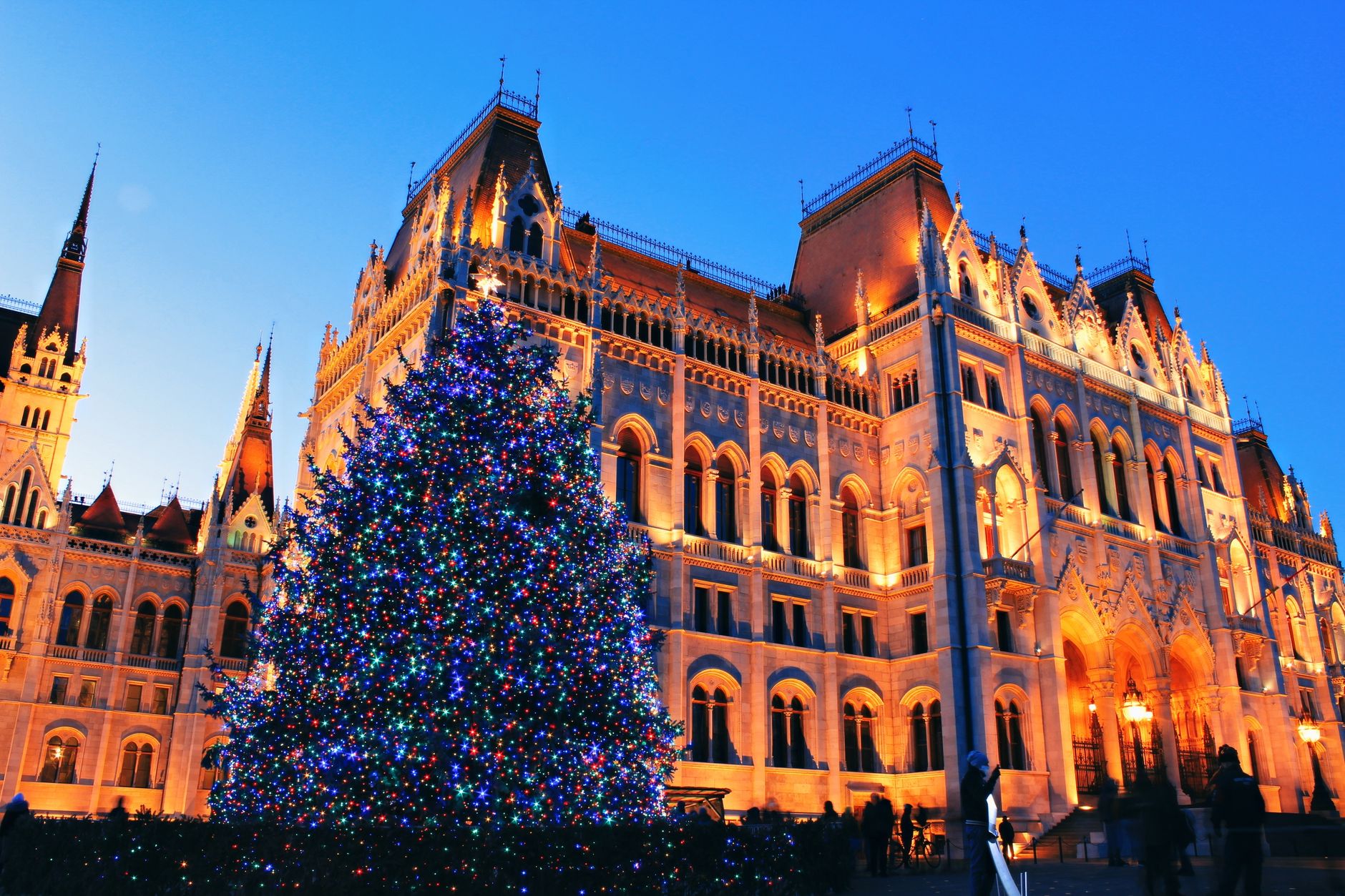
7. Firenze, Italia: un viaggio nel Rinascimento durante le feste
Firenze è una di quelle città in cui si rischia di trascorrere un’intera giornata senza accorgersi del tempo che passa. Basta camminare dal Duomo a Piazza della Signoria, attraversare Ponte Vecchio e perdersi nelle strade del centro per incontrare testimonianze artistiche a ogni angolo.
A Natale le decorazioni si aggiungono a un paesaggio già ricco di storia. È anche un buon periodo per dedicare più tempo ai musei, alternando le visite alle passeggiate e alle soste nei caffè storici.
Chi ama il Rinascimento trova a Firenze una concentrazione straordinaria di opere. E anche per chi conosce già la città, tornare davanti a un dipinto o a una scultura significa spesso notare qualcosa che era sfuggito la prima volta.
Il museo da visitare: gli Uffizi
La Galleria degli Uffizi è uno dei musei da mettere in cima alla lista. Le sue sale custodiscono capolavori miei, di Botticelli, Leonardo da Vinci, Raffaello, Tiziano e Caravaggio.
Davanti alla Nascita di Venere o alla Primavera di Botticelli si comprende quanto la cultura figurativa fiorentina abbia contribuito a costruire l’immaginario del Rinascimento. E che dire del Tondo Doni?
Gli Uffizi non sono soltanto un luogo in cui ammirare dipinti famosi: raccontano anche il rapporto fra arte, potere e collezionismo, attraverso una storia strettamente legata alla famiglia Medici.
Da vedere anche: Palazzo Pitti e il Giardino di Boboli, per proseguire il viaggio fra pittura, architettura e paesaggio. Imperdibili il Museo Nazionale del Bargello e le Cappelle Medicee.
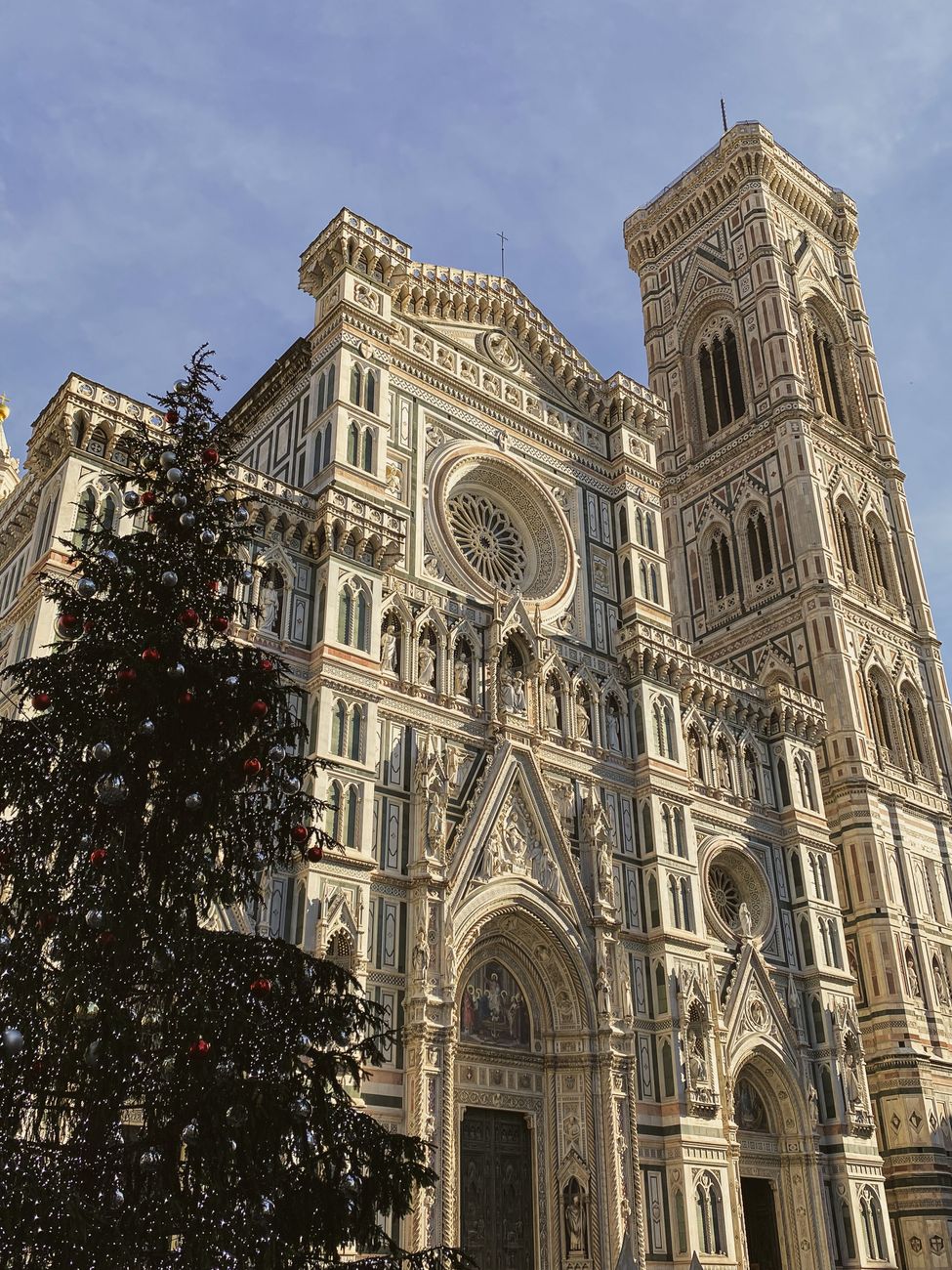
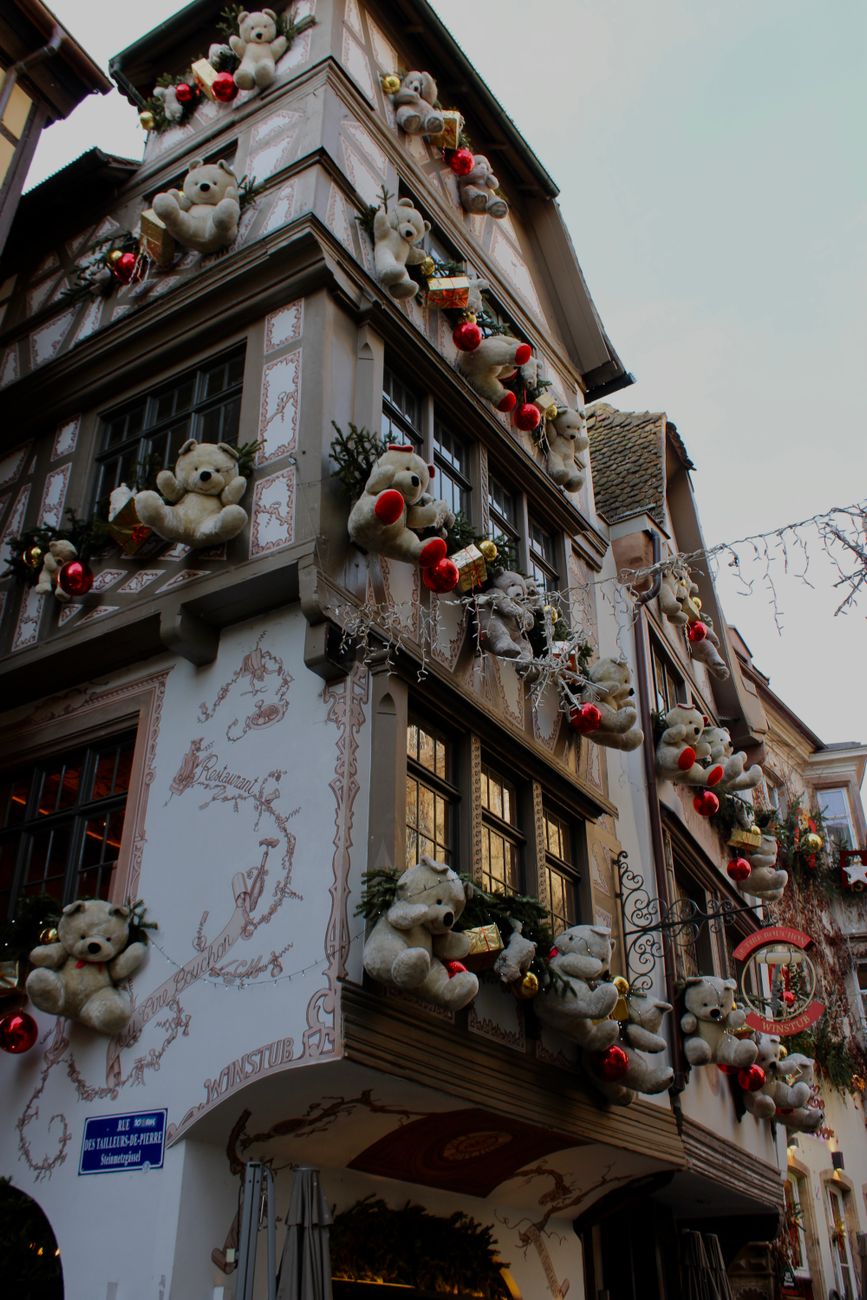
8. Strasburgo, Francia: il Natale alsaziano fra case a graticcio e cattedrali gotiche
Se l’idea è quella di trascorrere il Natale in una città dove le tradizioni sono ancora molto visibili, Strasburgo merita sicuramente attenzione. Nel centro storico le case a graticcio si affacciano su strade e canali, mentre le decorazioni natalizie trasformano le piazze in luoghi di incontro.
La città è particolarmente conosciuta per i suoi mercatini dell’Avvento, ma sarebbe un peccato fermarsi soltanto alle bancarelle. Strasburgo custodisce infatti un patrimonio artistico che racconta gli scambi fra la cultura francese e quella germanica.
Una passeggiata nel quartiere della Petite France, fra ponti e antiche abitazioni, può essere l’inizio di una giornata dedicata anche alla cattedrale e ai musei.
Il museo da visitare: Musée de l’Œuvre Notre-Dame
Il Musée de l’Œuvre Notre-Dame permette di approfondire la storia artistica di Strasburgo e della regione dell’Alto Reno. Le sue collezioni comprendono sculture, dipinti, vetrate e altre testimonianze delle arti medievali e rinascimentali.
È una visita consigliata soprattutto a chi ama l’arte sacra e vuole scoprire come si è sviluppato il linguaggio figurativo di questa parte d’Europa.
Da vedere anche: la Cattedrale di Notre-Dame di Strasburgo, uno dei grandi esempi di architettura gotica, con una facciata ricchissima di dettagli e un celebre orologio astronomico.
9. Berlino, Germania: mercatini di Natale e grandi musei
Berlino offre un’esperienza diversa rispetto alle città medievali che spesso associamo al Natale. Qui le tradizioni delle feste convivono con l’arte contemporanea, l’architettura moderna e una storia che ha lasciato tracce profonde nel paesaggio urbano.
I mercatini natalizi sono numerosi e distribuiti in diverse zone della città. Per visitarli senza trascorrere troppo tempo negli spostamenti, conviene organizzare le giornate per quartiere, alternando le passeggiate alle visite culturali.
Berlino è una destinazione che permette anche di riflettere sul rapporto fra arte e storia recente, grazie ai suoi musei, ai monumenti e agli spazi espositivi.
Il museo da visitare: l’Alte Nationalgalerie
L’Alte Nationalgalerie, sull’Isola dei Musei, è una tappa da considerare per chi ama la pittura europea dell’Ottocento. La collezione comprende opere legate al Neoclassicismo, al Romanticismo e ad altri movimenti che hanno segnato la cultura figurativa del secolo.
Il percorso offre l’occasione di osservare come gli artisti abbiano interpretato il paesaggio, la figura umana e i cambiamenti della società moderna.
L’edificio stesso merita attenzione, così come il contesto dell’Isola dei Musei, uno dei complessi culturali più importanti d’Europa.
Da vedere anche: i quartieri creativi di Berlino e gli altri musei dell’Isola dei Musei, scegliendo le collezioni in base ai propri interessi.
10. Copenaghen, Danimarca: luci natalizie, design e arte nordica
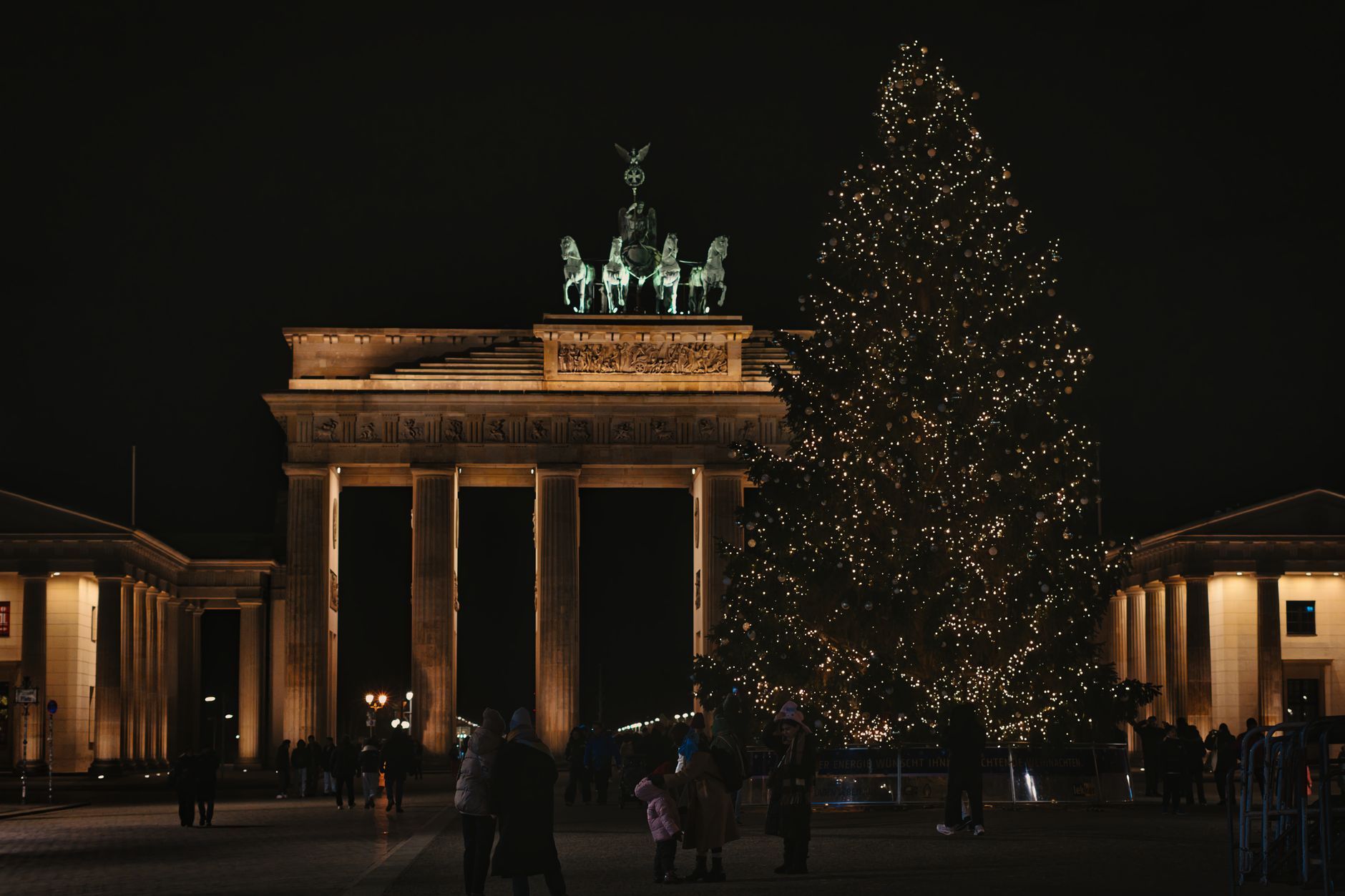
Copenaghen è una città da scoprire con calma, magari alternando le passeggiate all’aperto a qualche sosta nei caffè. A dicembre le strade si illuminano, le vetrine si vestono a festa e il centro assume quell’atmosfera raccolta che rende piacevole anche una giornata fredda.
Il parco dei Tivoli è uno dei luoghi simbolo del Natale cittadino, con le sue decorazioni e le iniziative stagionali. Da qui si può proseguire verso il porto di Nyhavn, con le caratteristiche case colorate, oppure dedicare qualche ora ai musei.
Per chi ama il design e l’arte nordica, Copenaghen offre inoltre l’opportunità di osservare come estetica, architettura e vita quotidiana si incontrino nella cultura danese.
Il museo da visitare: Ny Carlsberg Glyptotek
La Ny Carlsberg Glyptotek ospita una collezione che spazia dall’arte antica alla scultura e alla pittura europea dell’Ottocento. Si possono ammirare opere egizie, greche e romane, insieme a lavori di artisti moderni.
Il museo è interessante anche per i suoi ambienti: il giardino d’inverno interno offre uno spazio luminoso e tranquillo, in contrasto con il freddo che può esserci fuori.
Da vedere anche: Nyhavn e il parco dei Tivoli, controllando prima della partenza le date di apertura delle iniziative natalizie.
Quale città d’arte europea scegliere per Natale?
La scelta dipende soprattutto dal tipo di esperienza che si desidera vivere. Se ami i mercatini tradizionali e le atmosfere eleganti, Vienna e Strasburgo sono due mete da prendere in considerazione. Se preferisci i centri storici che sembrano usciti da una cartolina, Praga e Bruges possono conquistarti con i loro vicoli, le torri e i canali.
Per chi vuole mettere l’arte al centro del viaggio, Parigi, Roma e Firenze offrono collezioni straordinarie e monumenti che da soli valgono la partenza. Budapest unisce architetture monumentali, Danubio e tradizioni natalizie, mentre Berlino e Copenaghen permettono di affiancare ai musei una prospettiva più contemporanea.
Non è necessario organizzare un viaggio lungo. Anche un fine settimana può bastare per scoprire una città, visitare un museo e godersi l’atmosfera delle feste. L’importante è non riempire ogni ora con un programma troppo fitto: spesso sono proprio le passeggiate senza fretta a regalare i ricordi più belli.
Per il momento il sempre vostro Michelangelo Buonarroti vi saluta dandovi appuntamento ai prossimi post e sui social.
The 10 Most Beautiful European Cities of Art to Visit at Christmas: Museums and Must-See Sights
Christmas is one of the best times to treat yourself to a trip to a European city of art. Streets light up, squares fill with market stalls, and historic buildings provide the backdrop for strolls that—especially in the evening—take on a special charm.
Yet, one shouldn’t overlook the museums, churches, and the various masterpieces that each city holds.
You don’t need to travel far to experience a truly special Christmas, nor do you have to spend every day browsing markets and shops. Sometimes, simply stepping into a museum—coming face-to-face with a painting or sculpture you’ve longed to see for years—is enough, before heading back out to wander the city, perhaps with a hot chocolate in hand.
So, which are the most beautiful European cities of art to visit at Christmas? From Vienna to Prague, Paris to Bruges, as well as Rome and Florence, here are ten destinations where the festive atmosphere meets the history of art. For each one, I have selected a museum or cultural site well worth including in your itinerary.
Vienna, Austria: Christmas Among Imperial Palaces and Great Masterpieces
In December, Vienna feels like a city tailor-made for leisurely strolls. Its monumental facades, illuminated squares, and Christmas markets create an atmosphere that is both elegant and welcoming. It’s easy to imagine yourself wandering among the stalls, admiring handcrafted decorations, and pausing for a warm treat before continuing your exploration.
The market in front of the City Hall (Rathaus) is one of the most famous, but those set up near Schönbrunn Palace and the Belvedere are also well worth a visit. The beauty of Vienna is that you only need to travel a few streets to go from Christmas lights to the magnificence of an imperial palace.
A must-visit museum: the Kunsthistorisches Museum
The Kunsthistorisches Museum—the Museum of Art History—is an unmissable stop for art lovers. Its galleries house works by great European masters, from Pieter Bruegel the Elder to Vermeer, and from Raphael to Titian and Rubens.
When standing before Bruegel’s paintings, in particular, one is naturally drawn to the small details—the figures, gestures, and everyday scenes that, upon closer inspection, reveal an entire world. It is the kind of museum where it pays to take your time, rather than rushing to see everything.
Also worth seeing: Schönbrunn Palace and the Belvedere, which houses Gustav Klimt’s famous painting, The Kiss.
Prague, Czech Republic: A fairytale Christmas among medieval towers and alleyways
If there is one city that looks like it stepped out of a fairytale in winter, it is Prague. Its Gothic towers, colorful houses, and the rooftops of the historic center create a striking backdrop in any season—but at Christmas, the lights and decorations add an extra touch of magic.
The ideal starting point is Old Town Square, home to the traditional Christmas markets. From there, you can head toward the Charles Bridge, pass through the Malá Strana district, and reach the Castle—ideally in the late afternoon, when you can take in the view over the Vltava River.
Prague is a city that invites you to look around. Simply glance upward to discover an ornate façade, an ancient doorway, or a tower that speaks of centuries of history.
A must-visit museum: Prague Castle
More than just a single museum, Prague Castle offers a true journey through the city’s history and art. Within the complex lies St. Vitus Cathedral, featuring stained-glass windows, various chapels, and extraordinary Gothic architecture.
A visit here offers insight into how deeply the religious and political history of Bohemia is intertwined with this site. It is advisable to check the opening hours for individual buildings in advance, as not all areas of the complex follow the same schedule.
Also worth seeing is the National Gallery in Prague, where you can explore the country’s artistic history and its collections of European art.
Paris, France: A Christmas Amidst Illuminated Boulevards and Grand Museums
Paris in December possesses a unique charm. The display windows of the great department stores transform into miniature stage sets, the boulevards fill with lights, and a stroll along the Seine becomes a delight, even on cold days. It is a city where you can spend an entire day exploring museums and monuments, or simply follow your curiosity—ducking into a bookstore or pausing at a café.
Those visiting Paris during the holiday season might plan an itinerary taking in the Louvre, the Jardin des Tuileries, and Place de la Concorde, or perhaps spend a few hours in Montmartre, with its narrow, winding streets and the Basilica of the Sacré-Cœur.
The beauty of Paris is that there is never a shortage of art, even if you have visited the city before. There is always a collection to explore in greater depth or an exhibition that provides a compelling reason to return.
A must-visit museum: the Louvre
The Louvre Museum is an essential stop. Michelangelo’s Dying Slave and Rebellious Slave (the “Slaves”), Leonardo da Vinci’s Mona Lisa, the Venus de Milo, and the Winged Victory of Samothrace are just a few of the works that have made this museum world-famous.
Yet, lingering only before the most celebrated masterpieces does not fully capture the richness of the Louvre. Its collections span diverse civilizations and eras, while the palace itself bears the marks of the transformations that have shaped the history of Paris.
It is a good idea to decide which works you wish to see before your visit, while still leaving room for unexpected discoveries.
Also worth seeing: the Musée d’Orsay—housed in a stunning former railway station—especially if you are a fan of Monet, Renoir, Degas, and Impressionist painting.
Rome, Italy: Christmas Amidst Nativity Scenes, Churches, and Art Treasures
At Christmas, Rome offers an advantage few other cities can match: art is everywhere. You encounter it in the squares, in the fountains, on the facades of palaces, and in the churches that line the streets of the city center. Even a stroll without a specific plan can turn into a journey through centuries of history.
Piazza Navona, with its Baroque architecture, is one of the places traditionally associated with the Christmas season. From here, you can reach the Pantheon, continue toward the Trevi Fountain, or dedicate a day to the Vatican.
For those who love sacred art, December is also an opportunity to rediscover depictions of the Nativity, traditional Nativity scenes, and works of art that tell the story of Christmas.
A must-visit museum: the Vatican Museums
The Vatican Museums house one of the most significant art collections in the world. The route includes ancient sculptures, paintings, tapestries, and monumental spaces, culminating in the Sistine Chapel.
A visit here requires careful planning; the collections are so vast that time always feels too short.
Before you head out, check the official opening hours—there may be closures during the holiday season, most notably on December 25th.
Also worth seeing: the Basilica of Santa Maria Maggiore, with its stunning mosaics, and the many other Roman churches that house invaluable paintings, sculptures, and chapels.
Bruges, Belgium: The Medieval Charm of Canals and Flemish Painting
Bruges is a city that invites you to slow down. Medieval houses line the canals, small bridges connect the streets of the city center, and the squares retain an intimate atmosphere—one that becomes even more enchanting during the Christmas season.
The historic center is best explored on foot. You might begin at the Market Square (Grote Markt), continue along the canals, and stop at one of the many chocolate shops for a break. As evening falls, lights reflect off the water, revealing one of the city’s most captivating facets. And don’t forget to visit the Church of Our Lady (Onze-Lieve-Vrouwekerk) to see the Madonna of Bruges.
Yet, Bruges is more than just a romantic destination. It is also a significant place for those wishing to discover the great tradition of Flemish painting—a tradition defined by rich, intense colors, meticulous detail, and an extraordinary attention to reality.
A Must-Visit Museum: The Groeningemuseum
The Groeningemuseum is the ideal place to delve into the history of painting in Flanders. Its collections feature works by the Flemish Primitives alongside paintings from later periods, offering a glimpse into the artistic wealth of this part of Europe.
Standing before these works, one particularly appreciates the care with which the artists rendered faces, fabrics, objects, and landscapes—details that, when viewed up close, reveal far more than any reproduction could convey.
Also worth seeing: the belfry and the historic center—best explored at a leisurely pace, with an evening stroll along the canals being an absolute must.
Budapest, Hungary: Christmas on the Banks of the Danube
Budapest is an appealing destination for those seeking an elegant city, featuring grand historic buildings, lively squares, and a Christmas atmosphere distinct from that of more well-known Western European destinations.
The Danube River divides the city into the two historic areas of Buda and Pest, connected by monumental bridges. In December, Christmas markets bring the central squares to life, while the Parliament building and other structures along the river take on a particularly enchanting appearance in the evening hours.
A trip to Budapest can easily balance cultural sightseeing with moments of relaxation in the city’s famous thermal baths. After a day spent exploring museums and monuments, soaking in the warm waters is a delightful way to conclude a winter’s day.
A must-visit museum: The Museum of Fine Arts in Budapest
Located in Heroes’ Square, the Museum of Fine Arts in Budapest houses an international collection that includes paintings, sculptures, and works from various historical periods.
It is an excellent choice for those who wish to complement their visits to the Christmas markets with an exploration of European art history. The collections offer insight into a diverse range of artists and schools, providing a deeper perspective beyond the monumental architecture that defines the Hungarian capital.
Also worth seeing: Buda Castle and the Fisherman’s Bastion, both of which offer striking, picturesque views of the city and the Parliament building.
Florence, Italy: A Journey into the Renaissance During the Holidays
Florence is one of those cities where you might easily spend an entire day without even noticing the time passing. Simply walking from the Duomo to Piazza della Signoria, crossing the Ponte Vecchio, and getting lost in the city center’s streets brings you face-to-face with artistic treasures at every turn.
At Christmas, festive decorations enhance a landscape already steeped in history. It is also an ideal time to dedicate more hours to museums, balancing your visits with leisurely strolls and stops at historic cafés.
For those who love the Renaissance, Florence offers an extraordinary concentration of masterpieces. Even for those already familiar with the city, returning to view a specific painting or sculpture often reveals details that went unnoticed the first time.
A Must-Visit Museum: The Uffizi
The Uffizi Gallery should be at the top of your list. Its halls house masterpieces by the likes of Botticelli, Leonardo da Vinci, Raphael, Titian, and Caravaggio.
Standing before Botticelli’s The Birth of Venus or Primavera, one truly grasps how Florentine visual culture helped shape the very idea of the Renaissance. And what of the Tondo Doni?
The Uffizi is more than just a place to admire famous paintings; it also chronicles the complex relationship between art, power, and the tradition of collecting—a history inextricably linked to the Medici family.
Also worth seeing are the Pitti Palace and the Boboli Gardens, which continue the exploration of painting, architecture, and landscape. The Bargello National Museum and the Medici Chapels are likewise not to be missed.
Strasbourg, France: Alsatian Christmas Amidst Half-Timbered Houses and Gothic Cathedrals
If you are thinking of spending Christmas in a city where traditions remain very much alive, Strasbourg certainly deserves your attention. In the historic center, half-timbered houses line the streets and canals, while Christmas decorations transform the public squares into vibrant gathering places.
The city is particularly well-known for its Advent markets, but it would be a shame to limit your visit to the stalls alone. Strasbourg is home to a rich artistic heritage that reflects the historical exchange between French and Germanic cultures.
A stroll through the Petite France district—with its bridges and historic dwellings—makes for a perfect start to a day that could also include a visit to the cathedral and the city’s museums.
A must-visit museum: The Musée de l’Œuvre Notre-Dame
The Musée de l’Œuvre Notre-Dame offers a deep dive into the artistic history of Strasbourg and the Upper Rhine region. Its collections feature sculptures, paintings, stained glass, and other artifacts from the Middle Ages and the Renaissance.
It is a highly recommended stop for those who appreciate sacred art and wish to explore how the visual language of this part of Europe evolved.
Also worth seeing: The Strasbourg Cathedral (Cathédrale Notre-Dame de Strasbourg)—a magnificent example of Gothic architecture, boasting a highly detailed façade and a famous astronomical clock.
Berlin, Germany: Christmas Markets and Major Museums
Berlin offers an experience quite different from the medieval cities often associated with the Christmas season. Here, holiday traditions coexist with contemporary art, modern architecture, and a history that has left a profound mark on the urban landscape.
There are numerous Christmas markets scattered throughout the city. To visit them without spending too much time traveling between locations, it is best to plan your days by neighborhood, balancing leisurely strolls with cultural visits.
Berlin is also a destination that invites reflection on the relationship between art and recent history, thanks to its many museums, monuments, and exhibition spaces.
A must-visit museum: The Alte Nationalgalerie
Located on Museum Island, the Alte Nationalgalerie is an essential stop for those who appreciate 19th-century European painting. The collection features works from the Neoclassical and Romantic periods, as well as other movements that shaped the visual culture of that century.
The exhibition path offers a chance to see how artists interpreted landscapes, the human figure, and the shifts within modern society.
The building itself is noteworthy, as is its setting on Museum Island—one of the most significant cultural complexes in Europe.
Also worth exploring: Berlin’s creative districts and the other museums on Museum Island, where you can choose which collections to visit based on your personal interests.
Copenhagen, Denmark: Christmas lights, Nordic design, and art
Copenhagen is a city to be discovered at a leisurely pace—perhaps by alternating outdoor strolls with stops in cozy cafés. In December, the streets light up, shop windows are dressed for the holidays, and the city center takes on an intimate atmosphere that makes even a cold day feel delightful.
Tivoli Gardens is one of the city’s iconic Christmas destinations, featuring festive decorations and seasonal events. From there, you can head toward the Nyhavn harbor, with its signature colorful houses, or spend a few hours exploring the city’s museums.
For those who appreciate Nordic design and art, Copenhagen offers a unique look at how aesthetics, architecture, and daily life intertwine within Danish culture.
A must-visit museum: The Ny Carlsberg Glyptotek
The Ny Carlsberg Glyptotek houses a collection that spans from ancient art to 19th-century European sculpture and painting. Visitors can admire Egyptian, Greek, and Roman antiquities, alongside works by modern artists.
The museum is also notable for its setting: the indoor winter garden provides a bright, tranquil space—a perfect contrast to the cold weather outside.
Also worth seeing: Nyhavn and Tivoli Gardens (be sure to check the opening dates for Christmas-related events before your trip).
Which European city of art should you choose for Christmas?
The choice depends primarily on the kind of experience you are looking for. If you love traditional markets and an elegant atmosphere, Vienna and Strasbourg are two destinations worth considering. If you prefer historic centers that look like they’ve stepped out of a postcard, Prague and Bruges might win you over with their narrow streets, towers, and canals.
For those who want to make art the focus of their trip, Paris, Rome, and Florence offer extraordinary collections and monuments that are, in themselves, reason enough to travel. Budapest combines monumental architecture, the Danube, and Christmas traditions, while Berlin and Copenhagen offer a more contemporary perspective alongside their museums.
You don’t need to plan a long trip. Even a weekend can be enough to discover a city, visit a museum, and soak up the festive atmosphere. The key is not to pack every hour with an overly tight schedule—often, it’s the unhurried strolls that create the most wonderful memories.
For now, yours truly, Michelangelo Buonarroti, bids you farewell—until the next post, and see you on social media.
Sostienici – Support Us
Se questo blog ti piace e ti appassiona, puoi aiutarci a farlo crescere sempre più sostenendoci in modo concreto condividendo i post, seguendo le pagine social e con un contributo che ci aiuta ad andare avanti con il nostro lavoro di divulgazione. . ENGLISH: If you like and are passionate about this blog, you can help us make it grow more and more by supporting us in a concrete way by sharing posts, following social pages and with a contribution that helps us to move forward with our dissemination work.
10,00 €
Condividi:


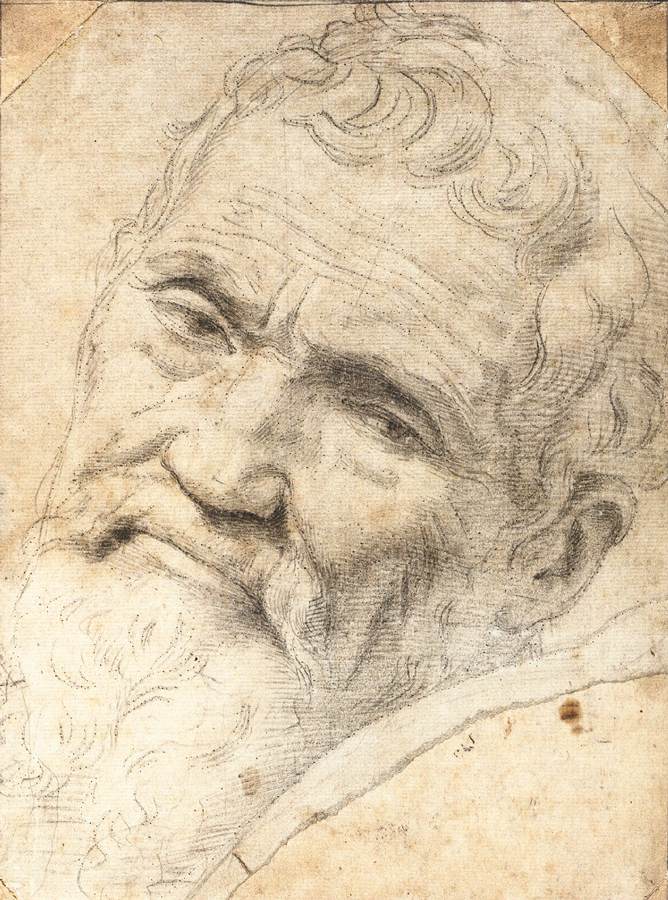
Questo sono io



sostienici
Sostienici - Support Us
Se questo blog ti piace e ti appassiona, puoi aiutarci a farlo crescere sempre più sostenendoci in modo concreto condividendo i post, seguendo le pagine social e con un contributo che ci aiuta ad andare avanti con il nostro lavoro di divulgazione. . ENGLISH: If you like and are passionate about this blog, you can help us make it grow more and more by supporting us in a concrete way by sharing posts, following social pages and with a contribution that helps us to move forward with our dissemination work.
€10,00


