
Perché i pastori furono i primi ad arrivare alla mangiatoia? Chi sono e cosa rappresentano nei dipinti della Natività
Chi sono quei pastori che, nei dipinti della Natività, troviamo quasi sempre accanto alla mangiatoia, intenti a osservare il Bambino appena nato?
A volte arrivano con le loro pecore, altre portano un piccolo dono, altre ancora sembrano quasi increduli davanti a ciò che stanno vedendo. La loro presenza è diventata così familiare nelle immagini del Natale che raramente ci fermiamo a chiederci perché siano proprio loro a essere lì.
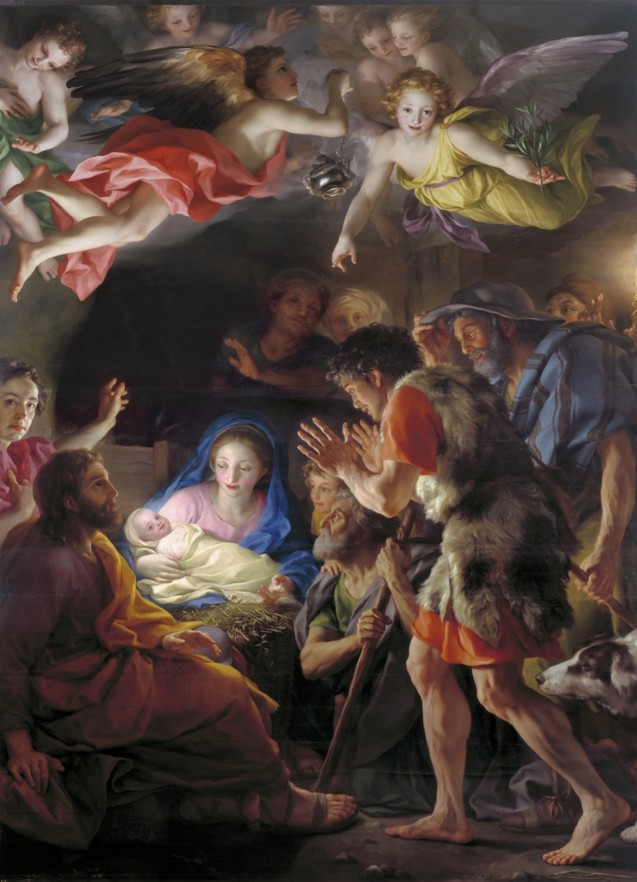
Eppure, c’è una ragione precisa. Secondo il Vangelo di Luca, furono i pastori a ricevere per primi l’annuncio della nascita di Gesù, mentre vegliavano di notte nei campi intorno a Betlemme. Non erano uomini potenti né personaggi importanti, ma semplici lavoratori. Perché allora furono scelti proprio loro? E quale significato hanno assunto nella storia dell’arte, dai primi dipinti medievali alle grandi Natività del Rinascimento?
Per capirlo bisogna tornare al racconto evangelico e osservare con un po’ più di attenzione quei personaggi che, nelle opere dedicate alla nascita di Cristo, hanno molto più da raccontare di quanto sembri.
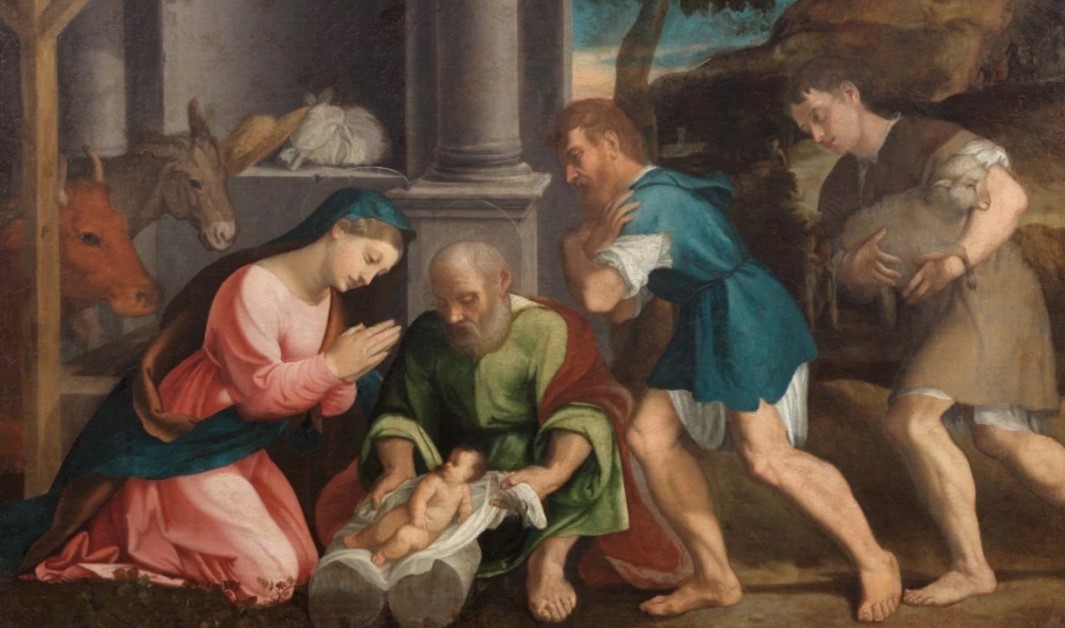
Chi erano i pastori della Natività e perché furono i primi a vedere Gesù?
Il Vangelo secondo Luca è l’unico dei quattro Vangeli canonici a raccontare in maniera dettagliata l’annuncio ai pastori.
Nella notte della nascita di Gesù, alcuni uomini si trovavano nei campi intorno a Betlemme e vegliavano sul proprio gregge. Erano impegnati nel loro lavoro quotidiano, probabilmente trascorrendo molte ore all’aperto, anche durante la notte, per proteggere gli animali dai predatori e dai pericoli.
All’improvviso, secondo il racconto evangelico, apparve loro un angelo del Signore e la gloria divina illuminò ciò che li circondava. I pastori furono presi dalla paura, ma l’angelo li rassicurò annunciando una notizia straordinaria: a Betlemme era nato il Salvatore, Cristo Signore.
Come segno per riconoscerlo, avrebbero trovato un bambino avvolto in fasce e adagiato in una mangiatoia.
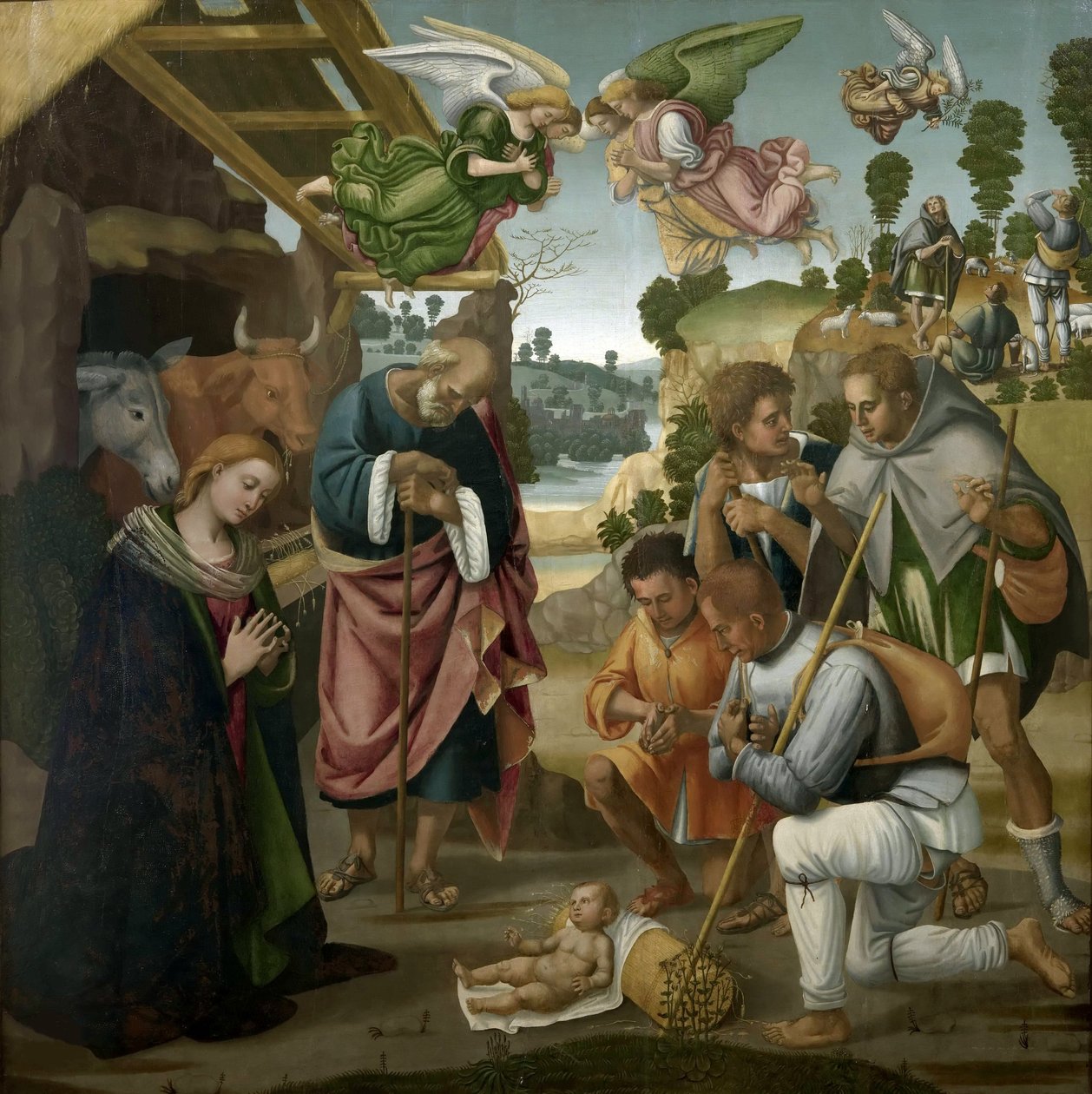
Subito dopo, una moltitudine dell’esercito celeste si unì all’angelo lodando Dio.
I pastori non rimasero a lungo nei campi. Si dissero l’un l’altro di andare a Betlemme per vedere ciò che era accaduto e partirono in fretta. Trovarono Maria, Giuseppe e il Bambino, proprio come era stato loro annunciato.
Furono dunque i primi testimoni della nascita di Gesù secondo il racconto di Luca.
Dio sceglie di manifestarsi a persone semplici, lavoratori che non occupano posizioni di prestigio nella società del tempo. Non sono re, sacerdoti o uomini influenti, ma pastori.
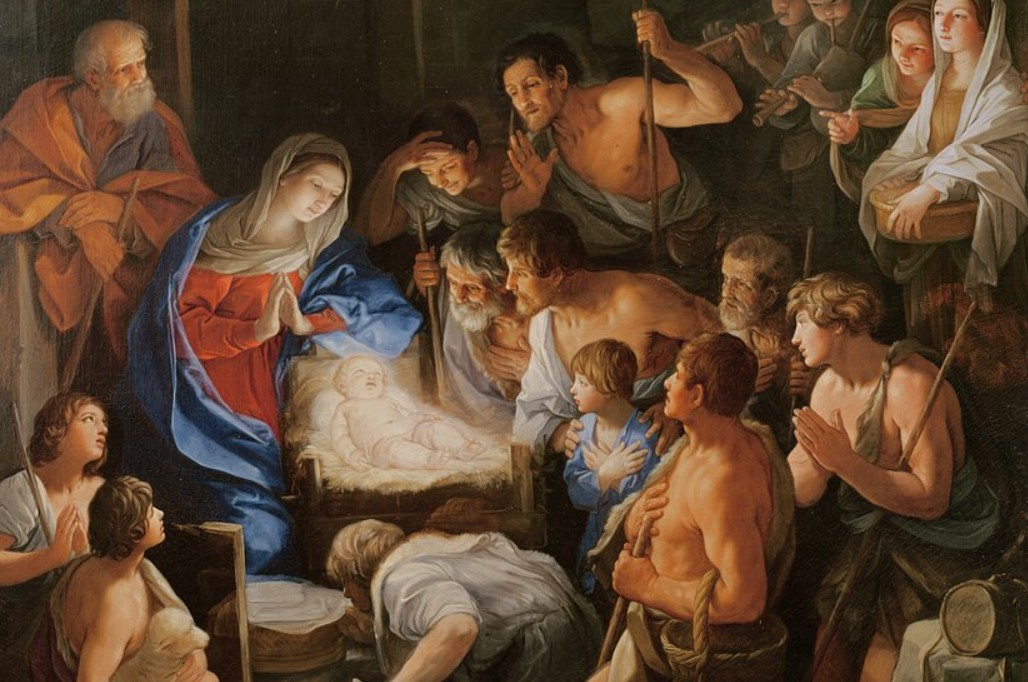
Perché proprio i pastori? Il significato simbolico nella Natività
Nella società antica il loro mestiere era faticoso e richiedeva una vita spesso isolata. Dovevano trascorrere molto tempo lontano dagli abitati, affrontare il freddo, la pioggia e i pericoli della campagna. Non godevano del prestigio delle categorie sociali più elevate.
Eppure, proprio a loro viene affidato per primi l’annuncio della nascita di Cristo.
Nella tradizione cristiana, i pastori diventano così il simbolo degli umili, dei poveri e di tutti coloro che accolgono la parola divina senza avere bisogno di ricchezze o privilegi.
C’è anche un altro significato importante. Nella Bibbia, il pastore è una figura profondamente legata alla guida e alla protezione del gregge. Davide, prima di diventare re d’Israele, era stato pastore. Anche Dio viene descritto come colui che guida e custodisce il proprio popolo.
Questa immagine trova un compimento nella figura di Gesù, che sarà chiamato Buon Pastore.
I pastori di Betlemme, quindi anticipano un simbolismo che attraverserà tutta la tradizione cristiana.
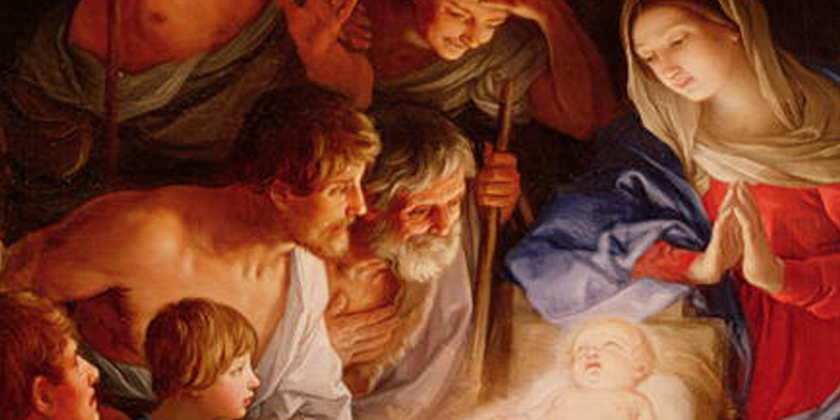
Come vengono rappresentati i pastori nei dipinti della Natività?
Nella storia dell’arte i pastori hanno assunto forme e caratteristiche diverse, a seconda dell’epoca, della sensibilità degli artisti e delle tradizioni iconografiche.
Nei dipinti medievali e rinascimentali possono comparire in lontananza, ancora nei campi, mentre ricevono l’annuncio dell’angelo. In altre opere sono già arrivati alla mangiatoia e partecipano all’Adorazione del Bambino.
Talvolta sono accompagnati dalle pecore, che diventano parte integrante della composizione. Altre volte portano piccoli doni: un agnello, un cesto, prodotti della campagna o oggetti legati alla loro vita quotidiana.
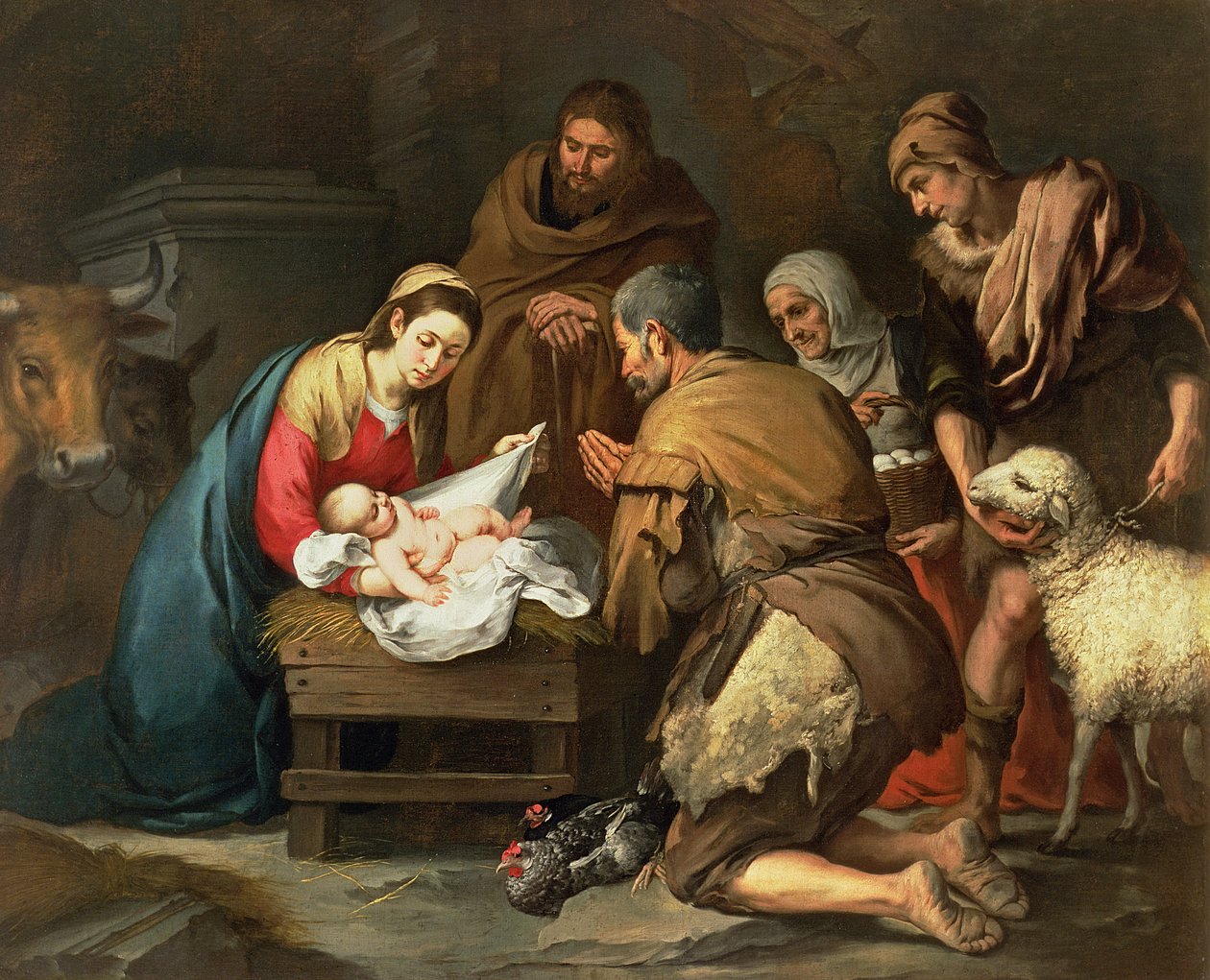
Non hanno l’eleganza dei personaggi di corte e spesso indossano abiti semplici, mantelli consumati, tuniche e calzari da lavoro. I loro volti possono essere segnati dalla fatica e dall’età, ma soprattutto esprimono stupore, devozione e tenerezza.
È proprio questa umanità a renderli così interessanti dal punto di vista artistico. Gli artisti non rappresentano soltanto un episodio evangelico, ma mettono in scena l’incontro tra il divino e la vita quotidiana. La mangiatoia diventa il luogo in cui il mondo più umile incontra il sacro.
I pastori e l’Adorazione: che differenza c’è con i Re Magi?
Un aspetto che spesso genera confusione riguarda la presenza contemporanea dei pastori e dei Re Magi nelle rappresentazioni della Natività.
I due episodi appartengono a racconti evangelici differenti.
L’annuncio ai pastori è narrato da Luca, mentre l’arrivo dei Magi è raccontato da Matteo. I Magi giungono dall’Oriente seguendo la stella e portano al Bambino oro, incenso e mirra.
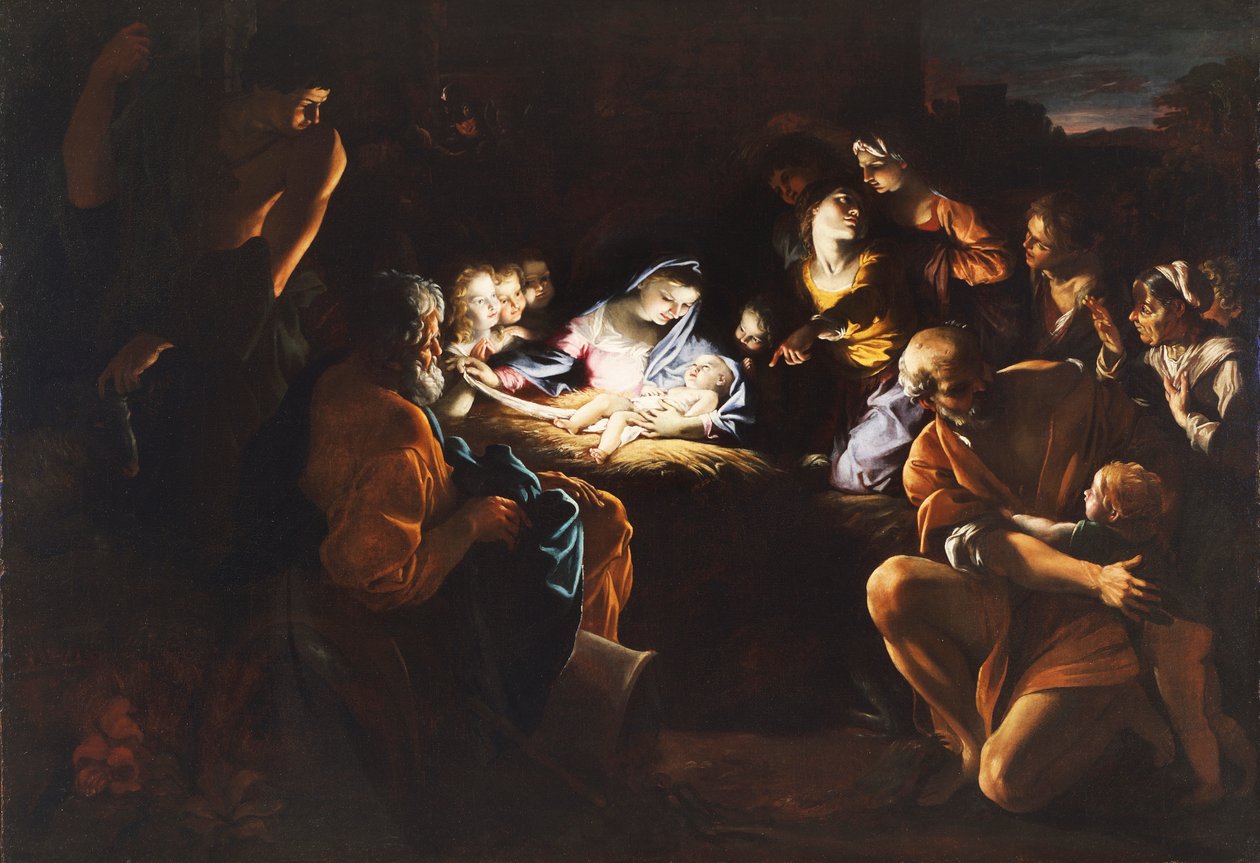
I pastori, invece, arrivano dopo aver ricevuto l’annuncio dell’angelo. Non portano doni preziosi, ma la loro presenza e la loro adorazione.
Nelle opere d’arte, soprattutto a partire dal Medioevo e nel Rinascimento, i due episodi possono essere accostati o riuniti in composizioni più ampie. È una scelta iconografica che permette di rappresentare insieme le diverse testimonianze della nascita di Cristo.
I pastori rappresentano così il mondo degli umili, mentre i Magi simboleggiano le genti e i popoli lontani che riconoscono in Gesù il Messia.
Due gruppi molto diversi, ma accomunati dallo stesso gesto: mettersi in cammino per raggiungere il Bambino.
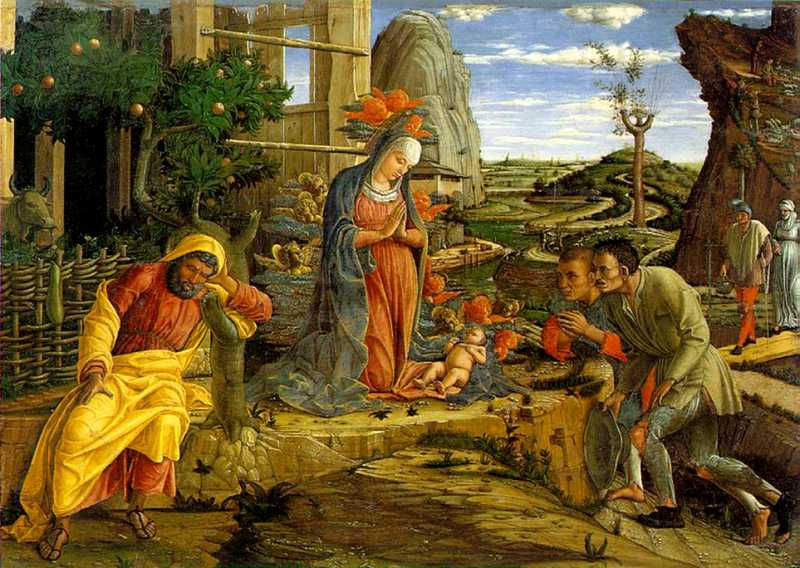
Perché i pastori sono così importanti nell’arte del Natale?
Osservando i dipinti della Natività, vale la pena soffermarsi proprio su questi personaggi, spesso collocati ai margini della composizione ma capaci di raccontare moltissimo.
Un vecchio pastore inginocchiato, un giovane che si toglie il copricapo, un uomo che tiene tra le braccia un agnello oppure una donna che si avvicina alla mangiatoia con un piccolo dono: ogni dettaglio contribuisce a costruire una narrazione fatta di gesti semplici e sentimenti riconoscibili.
Con il passare dei secoli, gli artisti hanno dato ai pastori volti, abiti e atteggiamenti sempre diversi. Nelle Natività più solenni possono apparire quasi come una folla silenziosa, mentre nelle composizioni più intime diventano protagonisti di un incontro familiare, fatto di sguardi e tenerezza.
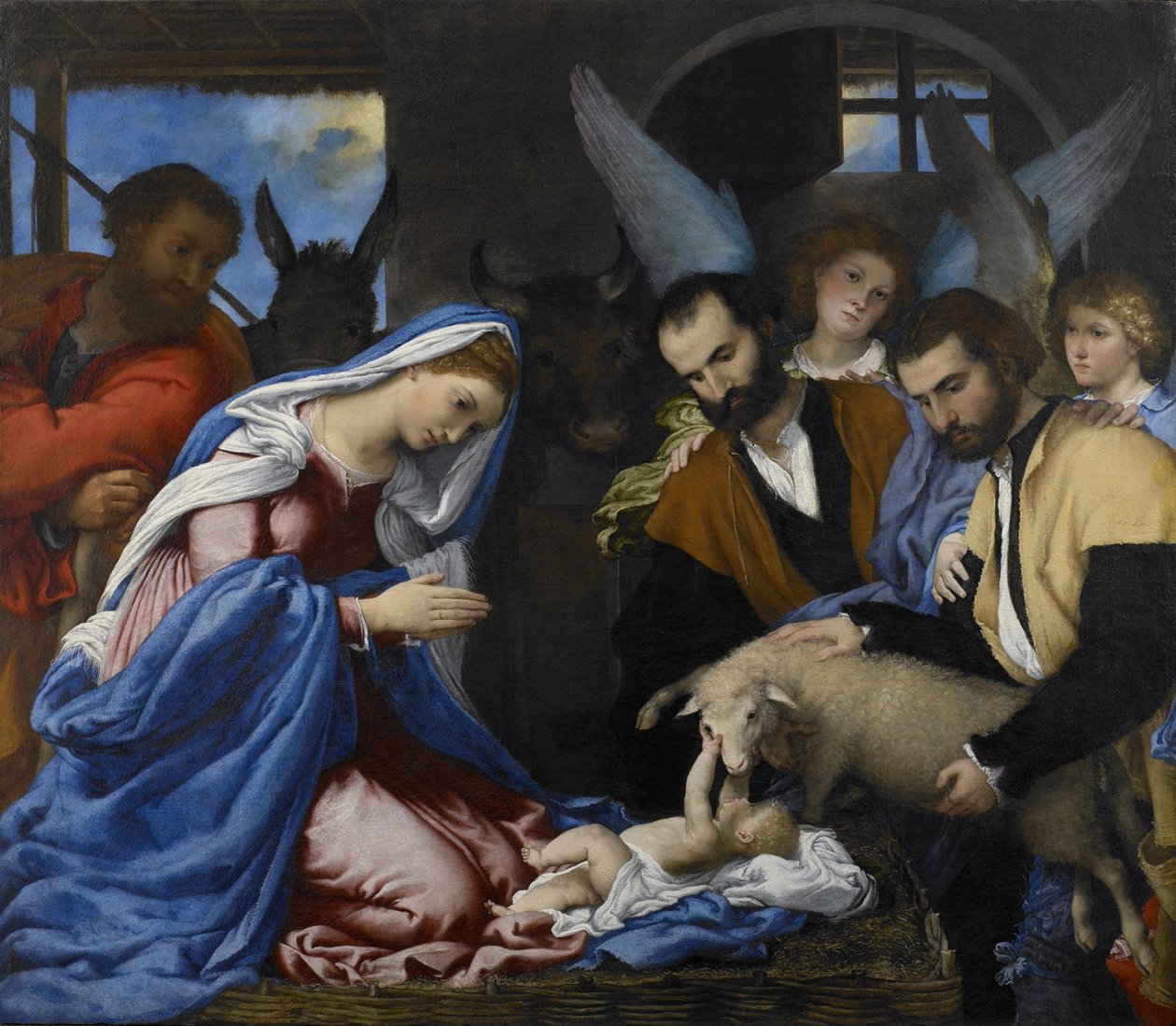
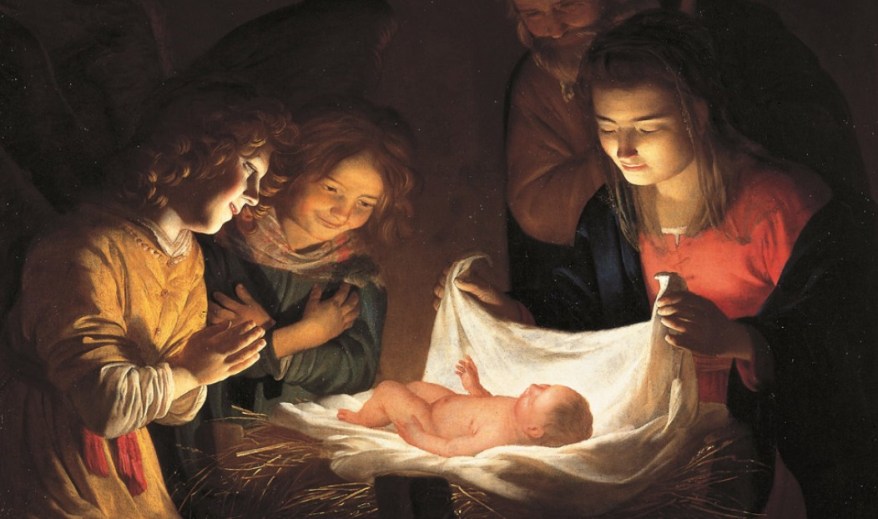
Nei dipinti della Natività, la loro presenza è il racconto di un Natale che comincia lontano dai palazzi, nella notte, in mezzo ai campi, e che sceglie di farsi conoscere prima di tutto da chi non conta nulla agli occhi del mondo.
Per il momento il sempre vostro Michelangelo Buonarroti vi saluta dandovi appuntamento ai prossimi post e sui social.
Why were the shepherds the first to arrive at the manger? Who are they, and what do they represent in Nativity paintings?
Who are these shepherds—figures we almost always find beside the manger in Nativity paintings, gazing at the newborn Child?
Sometimes they arrive with their sheep; at other times, they bring a small gift; occasionally, they appear almost in disbelief at what they are witnessing. Their presence has become so familiar in Christmas imagery that we rarely stop to ask why it is they, specifically, who are there.
Yet, there is a precise reason. According to the Gospel of Luke, it was the shepherds who first received the news of Jesus’s birth while keeping watch by night in the fields surrounding Bethlehem. They were neither powerful men nor prominent figures, but simple laborers. Why, then, were they the ones chosen? And what significance have they taken on throughout the history of art—from early medieval paintings to the great Nativity scenes of the Renaissance?
To understand this, we must return to the Gospel account and take a closer look at these figures—who, in works dedicated to the birth of Christ, have far more to tell than might first appear.
Who were the shepherds of the Nativity, and why were they the first to see Jesus?
The Gospel according to Luke is the only one of the four canonical Gospels to provide a detailed account of the announcement made to the shepherds.
On the night of Jesus’ birth, some men were in the fields surrounding Bethlehem, keeping watch over their flocks. They were engaged in their daily work, often spending long hours outdoors—even through the night—to protect their animals from predators and other dangers.
Suddenly, according to the Gospel account, an angel of the Lord appeared to them, and the divine glory shone all around them. The shepherds were struck with fear, but the angel reassured them, announcing extraordinary news: the Savior—Christ the Lord—had been born in Bethlehem.
As a sign by which to recognize Him, they would find a baby wrapped in swaddling clothes and lying in a manger.
Immediately afterward, a multitude of the heavenly host joined the angel, praising God.
The shepherds did not remain in the fields for long. Saying to one another that they should go to Bethlehem to see what had taken place, they set off in haste. They found Mary, Joseph, and the Child, just as they had been told.
Thus, according to Luke’s account, they were the first witnesses to the birth of Jesus.
God chose to reveal Himself to simple people—workers who held no positions of prestige in the society of that time. They were not kings, priests, or influential men; they were shepherds.
Why the shepherds, specifically? The symbolic meaning within the Nativity
In ancient society, their occupation was arduous and often necessitated a life of isolation. They had to spend long periods away from settled areas, braving the cold, the rain, and the various perils of the countryside. They did not enjoy the prestige afforded to those in higher social classes. Yet, it is precisely to them that the announcement of Christ’s birth is first entrusted.
In the Christian tradition, the shepherds thus become a symbol of the humble, the poor, and all those who embrace the divine word without the need for wealth or privilege.
There is also another significant meaning. In the Bible, the shepherd is a figure deeply associated with guiding and protecting the flock. Before becoming King of Israel, David was a shepherd. God, too, is described as the one who guides and watches over His people.
This imagery finds its fulfillment in the figure of Jesus, who would come to be known as the Good Shepherd.
The shepherds of Bethlehem, therefore, anticipate a symbolism that would permeate the entire Christian tradition.
How are the shepherds depicted in paintings of the Nativity?
Throughout the history of art, the shepherds have taken on various forms and characteristics, depending on the era, the sensibilities of the artists, and established iconographic traditions.
In medieval and Renaissance paintings, they may appear in the distance—still out in the fields—as they receive the angel’s announcement. In other works, they have already arrived at the manger and are participating in the Adoration of the Child.
Sometimes they are accompanied by sheep, which become an integral part of the composition. At other times, they carry modest gifts: a lamb, a basket, produce from the countryside, or objects linked to their daily lives.
They lack the elegance of courtly figures; instead, they often wear simple garments, worn-out cloaks, tunics, and sturdy, practical footwear. Their faces may be marked by toil and age, yet, above all, they express wonder, devotion, and tenderness.
It is precisely this humanity that makes them so compelling from an artistic perspective. The artists are not merely depicting an episode from the Gospels; they are staging an encounter between the divine and the everyday. The manger becomes the place where the humblest part of the world meets the sacred.
The Shepherds and the Adoration: How Do They Differ from the Magi?
One aspect that often causes confusion is the simultaneous presence of the shepherds and the Magi in depictions of the Nativity.
These two episodes come from different Gospel accounts.
The announcement to the shepherds is recounted by Luke, while the arrival of the Magi is told by Matthew. The Magi arrive from the East, following a star, and bring the Child gold, frankincense, and myrrh.
The shepherds, by contrast, arrive after receiving the announcement from an angel. They do not bring precious gifts, but rather offer their presence and their adoration.
In works of art—particularly from the Middle Ages and the Renaissance—the two episodes are sometimes placed side by side or combined into larger compositions. This iconographic choice allows for the various accounts of Christ’s birth to be represented together.
In this way, the shepherds represent the world of the humble, while the Magi symbolize distant nations and peoples who recognize Jesus as the Messiah.
Though the two groups are very different, they are united by the same action: setting out on a journey to reach the Child.
Why are the shepherds so significant in Christmas art?
When looking at Nativity paintings, it is worth focusing on these figures—often positioned at the edges of the composition, yet capable of conveying a great deal.
An elderly shepherd kneeling, a young man removing his hat, a man holding a lamb in his arms, or a woman approaching the manger with a small gift—every detail helps build a narrative composed of simple gestures and relatable emotions.
Over the centuries, artists have endowed the shepherds with a wide variety of faces, garments, and postures. In more solemn Nativity scenes, they may appear almost like a silent crowd, while in more intimate compositions, they become the central figures of a familiar encounter, defined by glances and tenderness.
In paintings of the Nativity, their presence tells the story of a Christmas that begins far from palaces—in the dead of night, out in the fields—and chooses to reveal itself, first and foremost, to those who are considered of no account in the eyes of the world.
For now, yours truly, Michelangelo Buonarroti, bids you farewell—until the next posts and over on social media.

Sostienici – Support Us
Se questo blog ti piace e ti appassiona, puoi aiutarci a farlo crescere sempre più sostenendoci in modo concreto condividendo i post, seguendo le pagine social e con un contributo che ci aiuta ad andare avanti con il nostro lavoro di divulgazione. . ENGLISH: If you like and are passionate about this blog, you can help us make it grow more and more by supporting us in a concrete way by sharing posts, following social pages and with a contribution that helps us to move forward with our dissemination work.
10,00 €

Condividi:


Questo sono io





sostienici

Sostienici - Support Us
Se questo blog ti piace e ti appassiona, puoi aiutarci a farlo crescere sempre più sostenendoci in modo concreto condividendo i post, seguendo le pagine social e con un contributo che ci aiuta ad andare avanti con il nostro lavoro di divulgazione. . ENGLISH: If you like and are passionate about this blog, you can help us make it grow more and more by supporting us in a concrete way by sharing posts, following social pages and with a contribution that helps us to move forward with our dissemination work.
€10,00


