
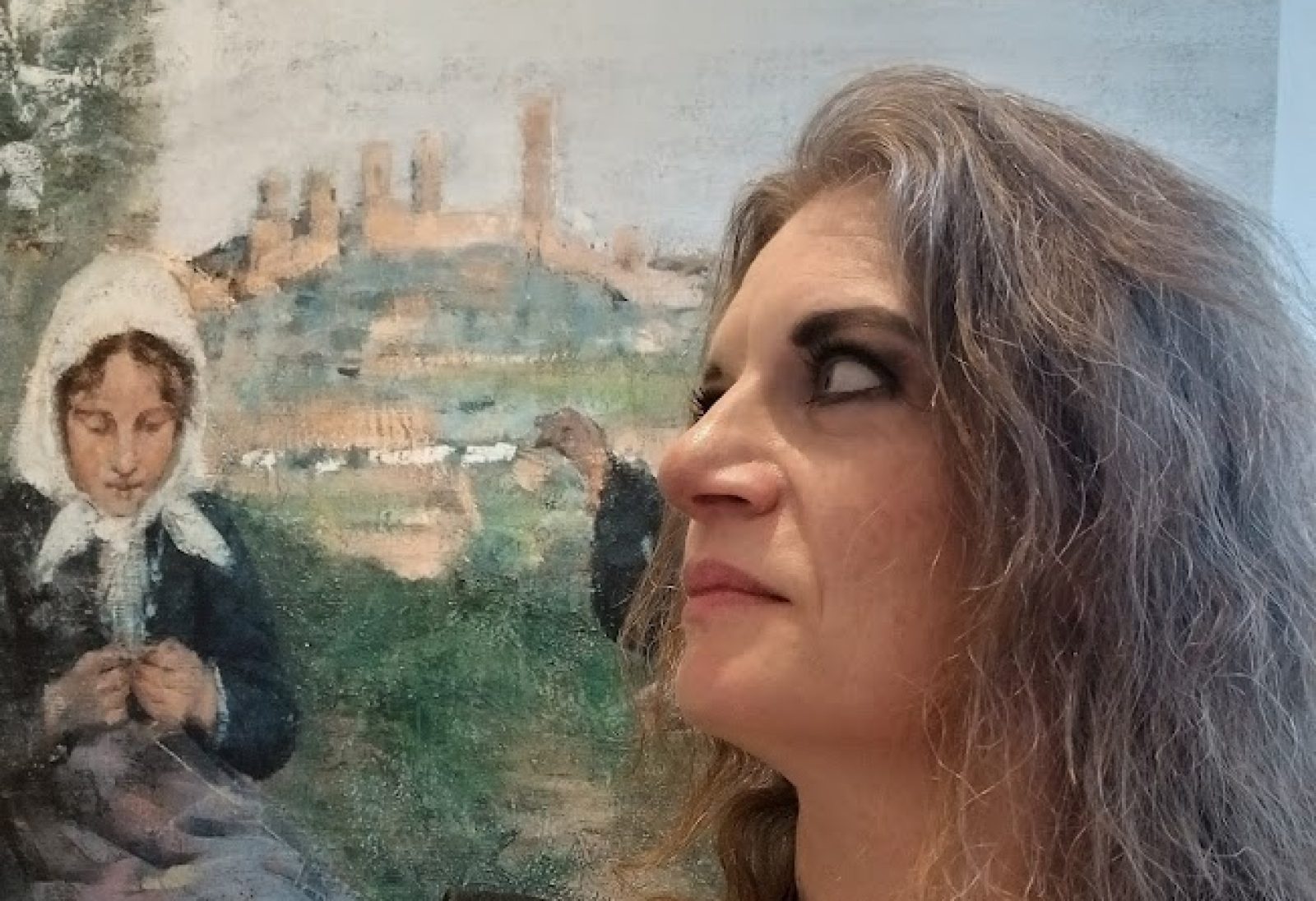
L’insolito volto: il piccolo capolavoro dell’Ashmolean Museum
A volte mi interessava osservare un uomo così com’era, con i suoi tratti irregolari, le proporzioni insolite e un’espressione caratteristica, che lo rendeva unico.
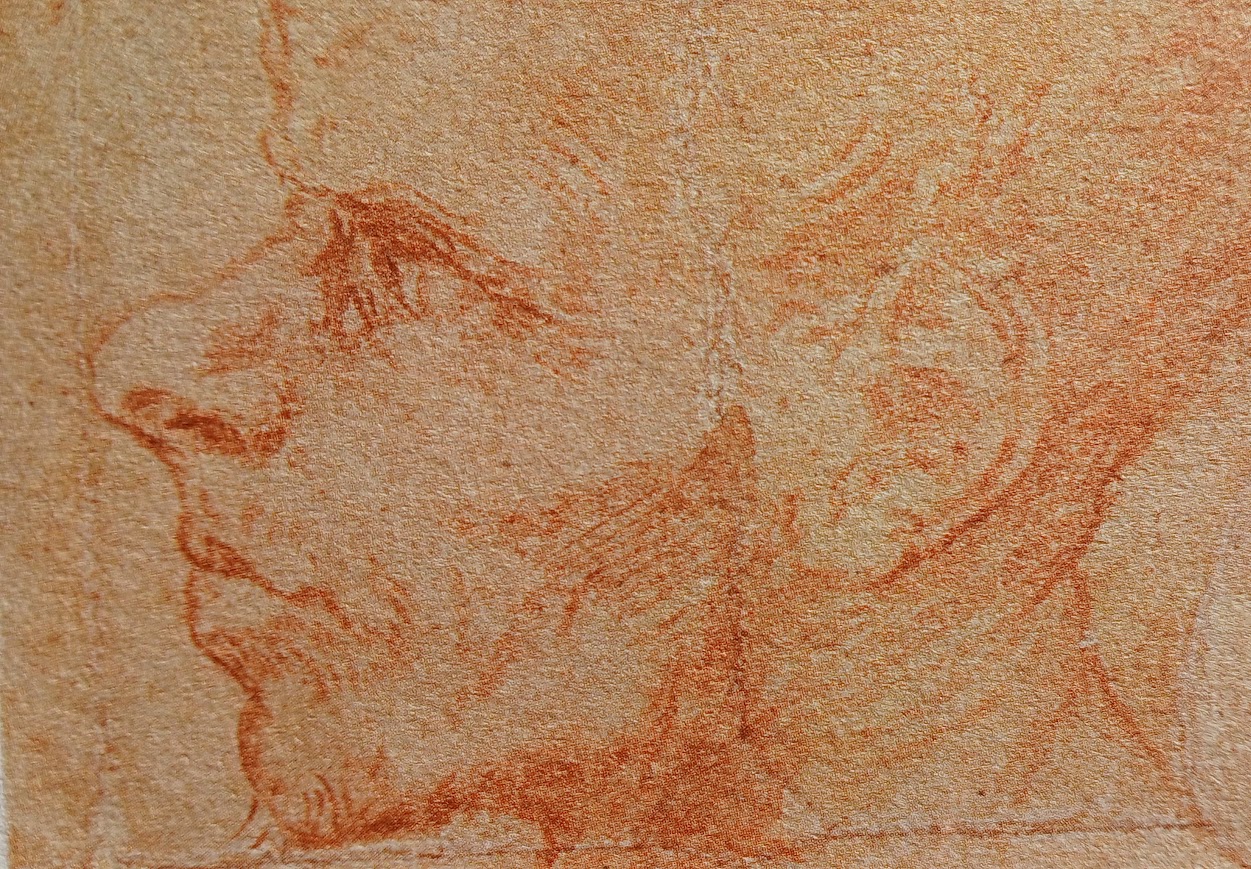
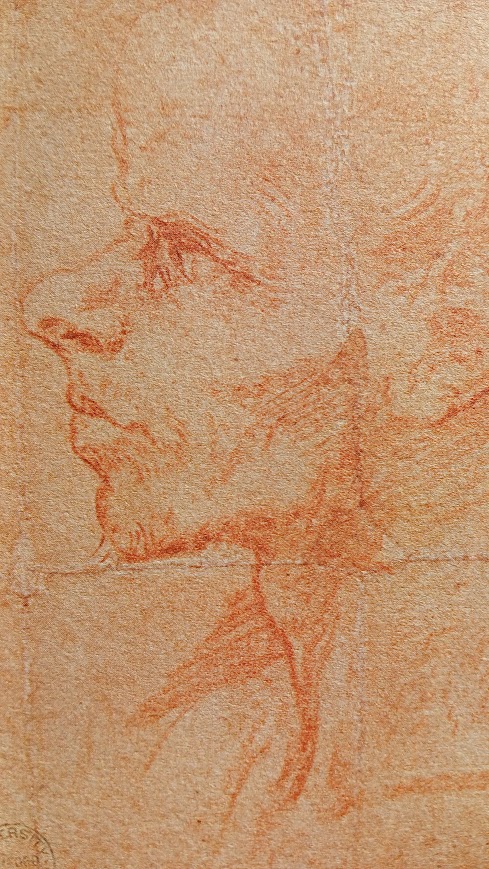
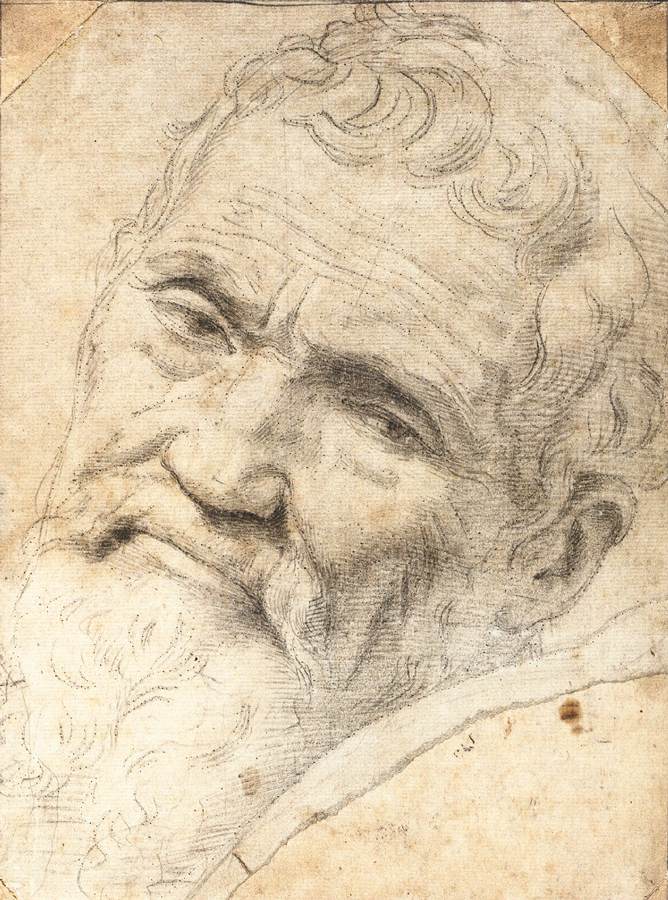
È questo quello che potete vedere nella piccola testa tracciata a sanguigna, oggi conservata all’Ashmolean Museum di Oxford. Un foglio di appena 118 millimetri di altezza e 85 di larghezza, che basta tuttavia a mostrarvi quanto possa essere interessante un volto lontano da qualsiasi ideale di bellezza.
Un volto che non ho voluto correggere
E’ di profilo, rivolto verso sinistra. Il naso sporge più del dovuto, le labbra sono carnose e pronunciate, il mento avanza rispetto alla fronte. Il cranio, invece, appare schiacciato nella parte superiore e allungato, mentre gli occhi sembrano fissi in un’espressione quasi assente.
In questo piccolo disegno, i tratti irregolari non sembrano essere il risultato di una caricatura. Nessuna deformazione intenzionale ma piuttosto un volto ma un volto osservato con attenzione, senza addolcirne gli aspetti meno armonici.
La sanguigna
Per disegnare ho usato la sanguigna che mi consentiva di tracciare linee vive, modulare i contorni e costruire gradualmente i volumi.
Non occorre molto spazio per dare forma a un volto come potete vedere. Mi sono bastati pochi centimetri di carta per definire il profilo, suggerire il collo e accennare alle spalle. Il segno è rapido in alcuni punti, più insistito in altri. Alcune linee si sovrappongono, altre si interrompono o si perdono sulla superficie.
Il disegno è arrivato fino ai vostri giorni assai consunto. È tracciato su due fogli uniti, un particolare materiale che contribuisce alla sua storia e che invita a guardarlo con attenzione, senza aspettarsi la nitidezza di un’opera rimasta intatta.
Nonostante le condizioni del foglio, il carattere del volto continua a rimanere leggibile.
Quando ho disegnato questa testa?
La datazione non è del tutto condivisa. In base allo stile del tratteggio, il foglio è stato collocato intorno al 1517-1520: Altri studiosi, fra cui Dussler, hanno proposto una datazione più tarda, agli anni Trenta del Cinquecento.
Sono anni nei quali il disegno aveva per me un’importanza fondamentale. Studiavo le forme, cerco soluzioni, osservo i corpi e i volti.
Per il momento il sempre vostro Michelangelo Buonarroti vi saluta dandovi appuntamento ai prossimi post e sui social.
A Man’s Head in Profile, Preserved in Oxford
At times, I found it compelling to observe a man exactly as he was—with his irregular features, unusual proportions, and a distinctive expression that rendered him unique.
This is what you see in the small head, sketched in red chalk (sanguine), now held at the Ashmolean Museum in Oxford. Though the sheet measures only 118 millimeters in height and 85 in width, it is more than enough to reveal how fascinating a face can be, even when it falls far short of any ideal of beauty.
A face I chose not to correct
It is shown in profile, facing left. The nose protrudes more than one might expect, the lips are full and pronounced, and the chin juts out further than the forehead. The skull appears somewhat flattened at the top and elongated, while the eyes seem fixed in an almost vacant expression.
In this small drawing, these irregular features do not appear to be the result of caricature. There is no intentional distortion; rather, it is a face observed with great care, without any attempt to soften its less harmonious aspects.
Red chalk
For this drawing, I used red chalk, which allowed me to create lively lines, modulate the contours, and gradually build up the forms.
As you can see, it does not take much space to give shape to a face. A few centimeters of paper were enough for me to define the profile, suggest the neck, and hint at the shoulders. The strokes are swift in some places, more deliberate in others. Some lines overlap, while others break off or fade away across the surface.
The drawing has reached your time in a rather worn condition. It is executed on two joined sheets—a specific detail that adds to its history and invites you to look at it closely, without expecting the pristine clarity of a work that has remained perfectly intact. Despite the condition of the sheet, the character of the face remains clearly legible.
When did I draw this head?
There is no consensus on the dating. Based on the style of the hatching, the sheet has been placed around 1517–1520; other scholars, including Dussler, have proposed a later date—the 1530s.
These were years in which drawing held fundamental importance for me. I studied forms, sought solutions, and observed bodies and faces.
For now, yours truly, Michelangelo Buonarroti, bids you farewell—until the next posts and on social media.
Sostienici – Support Us
Se questo blog ti piace e ti appassiona, puoi aiutarci a farlo crescere sempre più sostenendoci in modo concreto condividendo i post, seguendo le pagine social e con un contributo che ci aiuta ad andare avanti con il nostro lavoro di divulgazione. . ENGLISH: If you like and are passionate about this blog, you can help us make it grow more and more by supporting us in a concrete way by sharing posts, following social pages and with a contribution that helps us to move forward with our dissemination work.
10,00 €
Condividi:


Questo sono io



sostienici

Sostienici - Support Us
Se questo blog ti piace e ti appassiona, puoi aiutarci a farlo crescere sempre più sostenendoci in modo concreto condividendo i post, seguendo le pagine social e con un contributo che ci aiuta ad andare avanti con il nostro lavoro di divulgazione. . ENGLISH: If you like and are passionate about this blog, you can help us make it grow more and more by supporting us in a concrete way by sharing posts, following social pages and with a contribution that helps us to move forward with our dissemination work.
€10,00


