
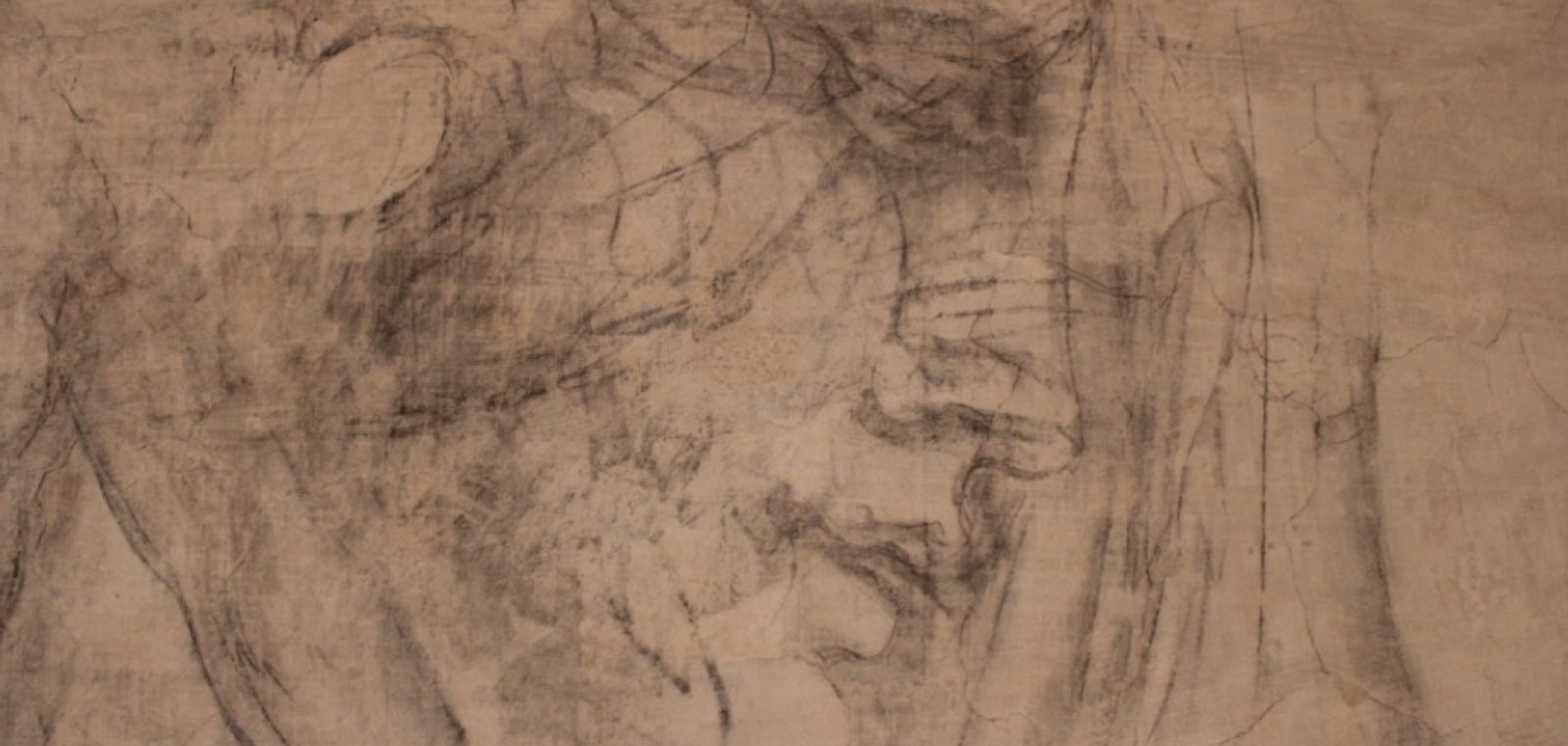
6 settembre 1944: quando rubarono la mia Madonna di Bruges
6 settembre 1944.
La mia Madonna di Bruges, oggi custodita nella Chiesa di Nostra Signora, a Bruges, ha viaggiato molto più di quanto avrei mai potuto immaginare quando, all’inizio del Cinquecento, mi trovai davanti al blocco di marmo dal quale avrei tratto la figura della Vergine con il Bambino.
Quella scultura lasciò l’Italia quando ero ancora in vita. Mi era stata infatti commissionata dalla facoltosa famiglia di mercanti fiamminghi Musucron e nel 1514 venne donata alla Chiesa di Nostra Signora di Bruges, dove ancora oggi rappresenta uno dei suoi tesori più importanti.
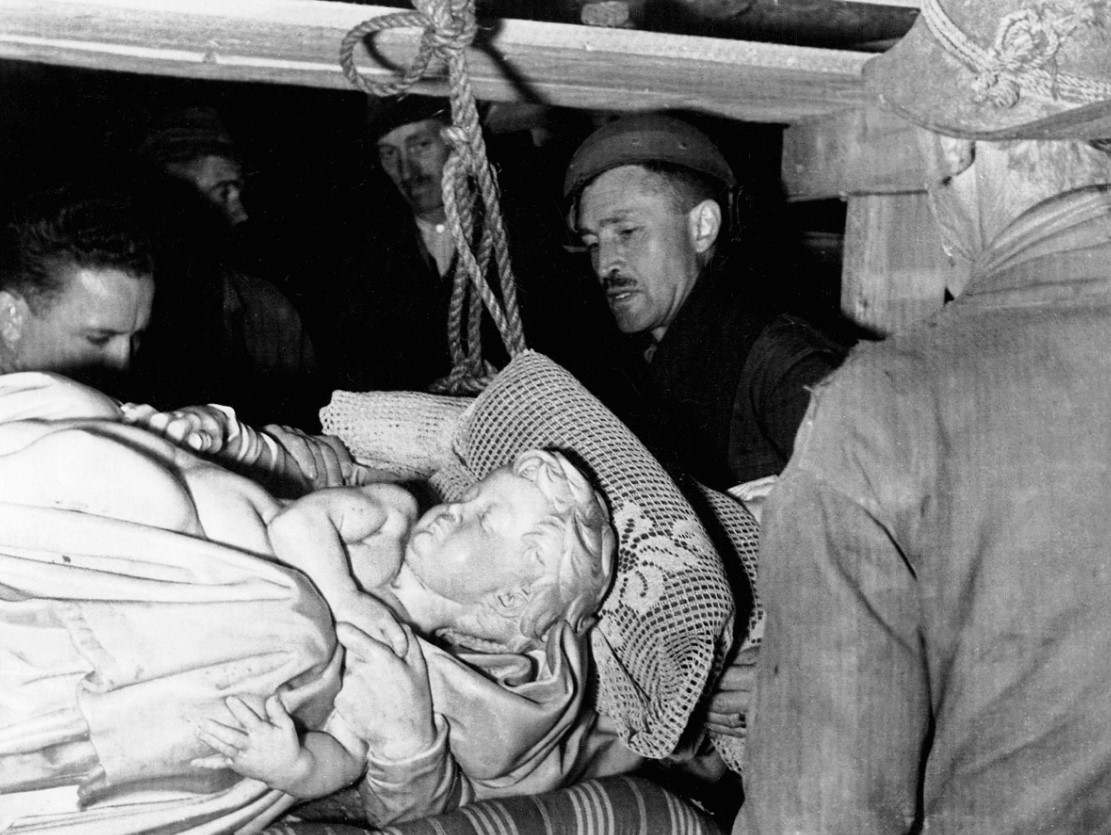
Ma nel corso dei secoli quella che avrebbe dovuto essere la sua tranquilla dimora divenne il punto di partenza di due diversi trafugamenti: il primo durante l’epoca napoleonica e il secondo, molto più drammatico, durante la Seconda guerra mondiale.
Accadde nella notte fra il 6 e il 7 settembre 1944, quando la guerra stava ormai cambiando il volto dell’Europa e le truppe tedesche erano in ritirata.
La prima volta che la mia Madonna venne portata via
La storia della Madonna di Bruges aveva già conosciuto un episodio simile molto prima della Seconda guerra mondiale.
Nel 1794, durante l’occupazione francese dalle parte delle truppe napoleoniche, la scultura venne sottratta e trasportata a Parigi insieme ad altre opere. Rimase lontana da Bruges per diversi anni e tornò nella città belga soltanto dopo la caduta di Napoleone, nel gennaio del 1816.
Ma la storia dell’Europa aveva ancora in serbo per Lei un altro viaggio.

6 settembre 1944: la Madonna scompare dalla chiesa
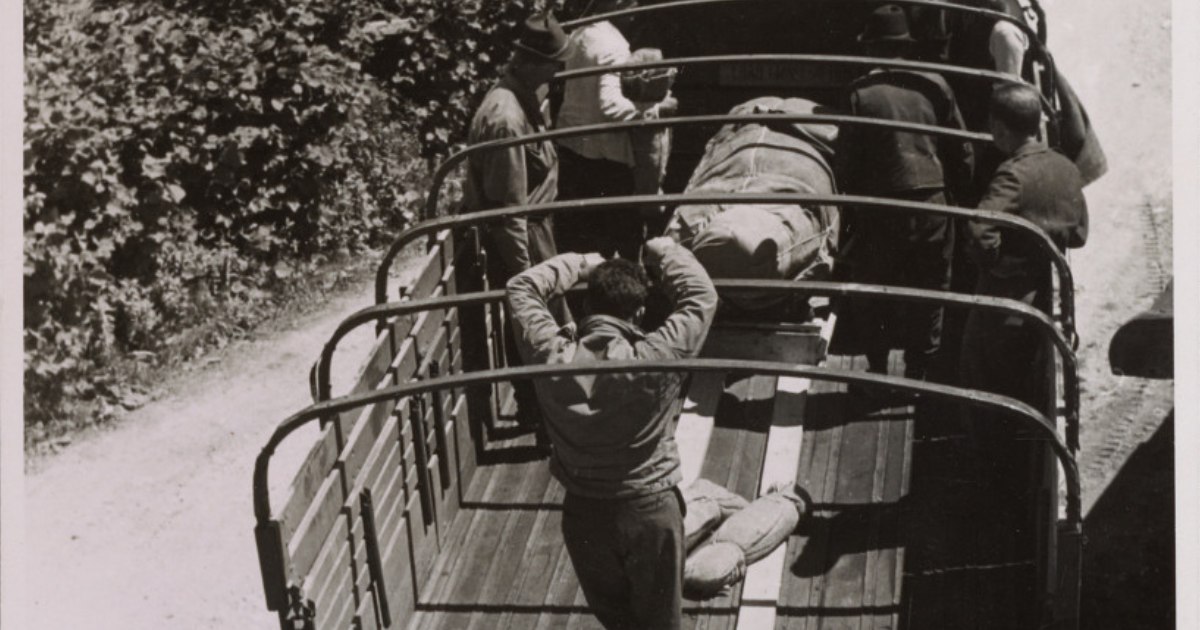
La notte fra il 6 e il 7 settembre 1944, mentre le forze tedesche si ritiravano dal Belgio, alcuni soldati entrarono nella Chiesa di Nostra Signora di Bruges e portarono via la Madonna.
La scultura venne avvolta in un materasso e caricata su un camion contrassegnato con le insegne della Croce Rossa, insieme ad altri dipinti provenienti dalla stessa chiesa. Il viaggio proseguì attraverso l’Europa occupata, mentre per la città di Bruges diventava sempre più difficile sapere dove fosse finita quella che ormai era considerata una parte essenziale del proprio patrimonio artistico.
Per chi conosceva il valore di quelle opere, era evidente che dietro ogni trasporto clandestino c’era il rischio che un’intera parte della memoria europea potesse essere dispersa o distrutta.
La Madonna venne quindi trasferita verso l’Austria, dove i nazisti avevano concentrato una quantità enorme di opere d’arte trafugate in diversi Paesi europei: La destinazione era Altaussee.
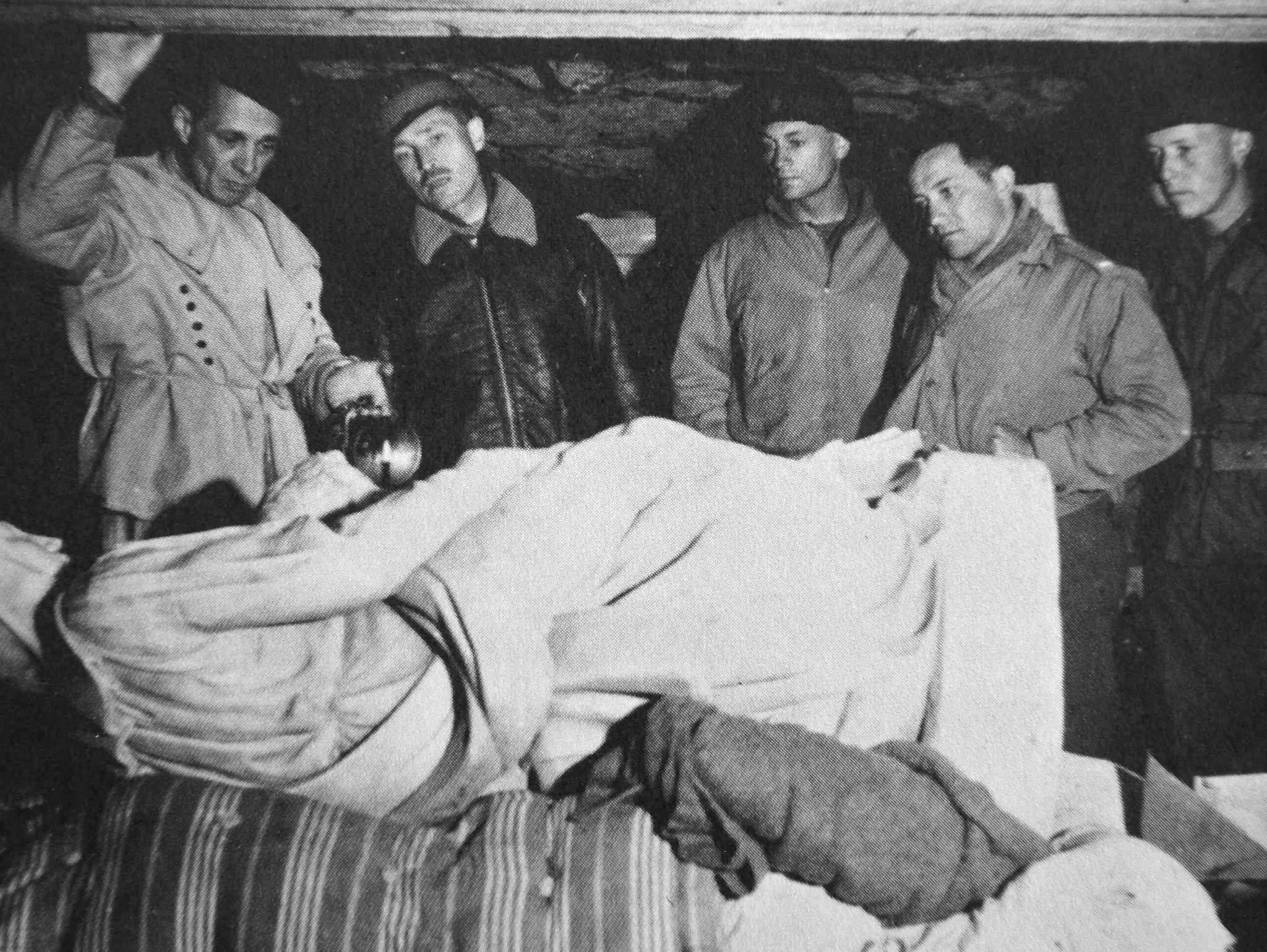
La miniera di sale dove Hitler nascondeva le opere d’arte
Altaussee potrebbe sembrare un luogo improbabile per conservare i grandi capolavori della storia dell’arte, ma proprio la conformazione delle miniere di sale le rendeva particolarmente adatte a questo scopo.
All’interno della montagna si sviluppava una rete di gallerie e ambienti sotterranei nei quali le opere potevano essere riparate dai bombardamenti che stavano devastando molte città europee.
I nazisti trasformarono quelle miniere in uno dei più importanti depositi di opere d’arte trafugate durante la guerra, comprese numerose opere destinate al gigantesco museo che Adolf Hitler progettava di realizzare a Linz.
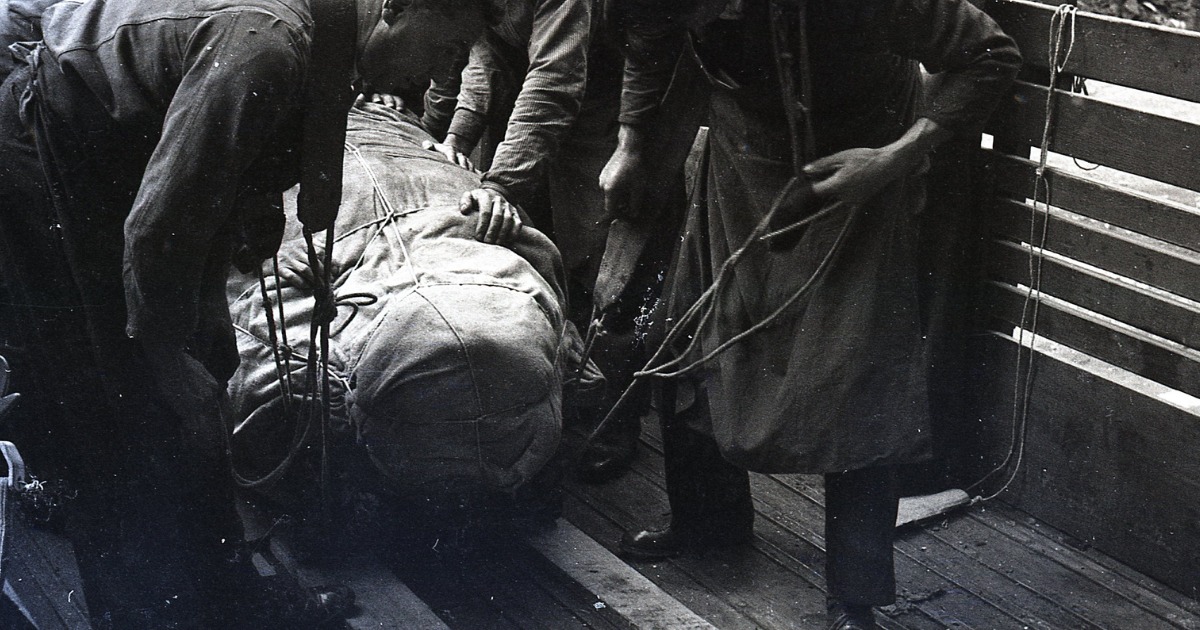
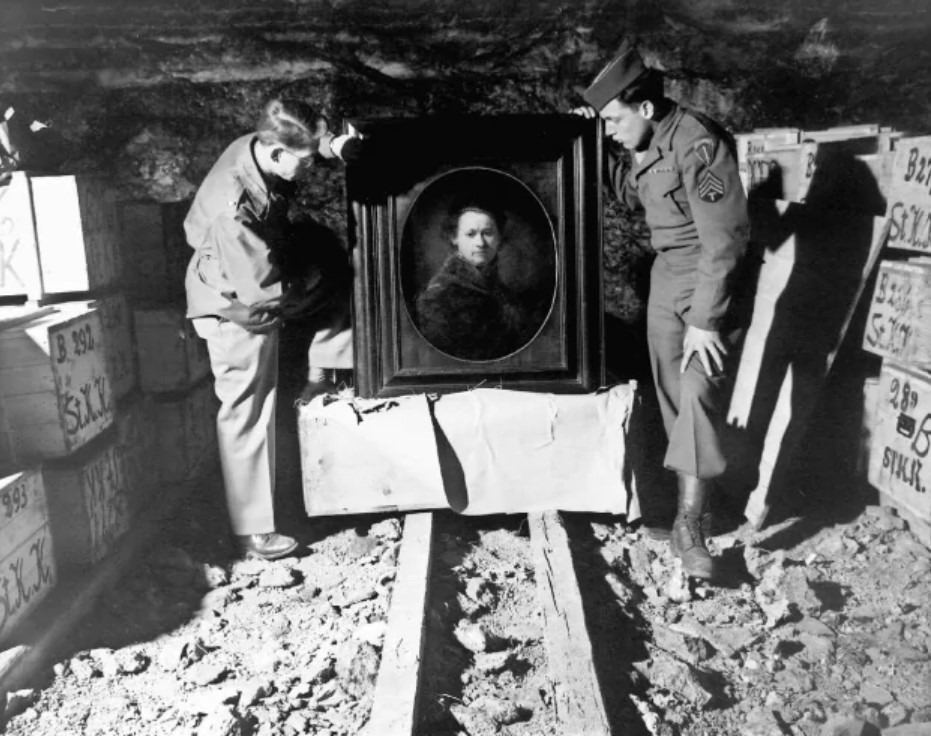
Quando la mia Madonna arrivò ad Altaussee, non era certo da sola. In quelle gallerie erano state nascoste migliaia di opere e oggetti appartenenti a musei, collezioni private e istituzioni di diversi Paesi europei.
Tra i capolavori che sarebbero stati ritrovati vi erano anche L’Astronomo di Johannes Vermeer e la Pala di Gand di Jan e Hubert van Eyck.
Pensate a cosa significava: opere che avevano attraversato secoli di storia si trovavano allora riunite, non in un museo, ma nel buio di una montagna austriaca, lontane dai luoghi per i quali erano state create o nei quali erano state conservate per generazioni.
Quando i Monuments Men arrivarono ad Altaussee
Nel maggio del 1945, mentre la guerra stava ormai terminando, i Monuments Men Robert Posey e Lincoln Kirstein arrivarono ad Altaussee.
L’ingresso principale della miniera era stato fatto saltare con delle cariche esplosive, ma Posey riuscì a trovare un modo per entrare. Fu il primo dei due a farsi largo nella miniera, seguito da Kirstein. All’interno trovarono migliaia di opere d’arte e manufatti artistici di ogni tipo.
La scoperta permise di individuare uno dei più grandi depositi di opere d’arte trafugate dai nazisti e di avviare le operazioni necessarie per riportarle nei Paesi dai quali erano state sottratte.
George Stout e la difficile estrazione della Madonna
La mia Madonna è scolpita in marmo e pesa circa una tonnellata; spostarla all’interno delle strette gallerie della miniera di Altaussee richiedeva quindi grande attenzione, soprattutto perché non era possibile utilizzare semplicemente i normali sistemi di trasporto.
A occuparsi dell’evacuazione delle opere furono diversi Monuments Men, fra i quali George Stout, Thomas Howe, Stephen Kovalyak, Lamont Moore e Frederick Shrady.
Stout, che prima della guerra era stato un importante conservatore e aveva una profonda esperienza nel campo della protezione delle opere d’arte, dovette ricorrere ancora una volta a soluzioni improvvisate, adattando materiali e strumenti alle condizioni che aveva davanti.
Per la mia Madonna costruì un sistema di pulegge che consentì di sollevarla e sistemarla sul carrello della miniera, permettendo così di iniziare il lungo viaggio verso l’esterno a partire dal 10 luglio 1945.
La Madonna non era l’unico capolavoro da salvare
Le operazioni di recupero delle opere ad Altaussee furono lunghe e complesse.
Thomas Howe rimase alla guida delle operazioni nella miniera quando Stout partì per accompagnare i tesori verso il Munich Central Collecting Point e, nell’arco di circa cinque settimane, contribuì a organizzare l’evacuazione di novanta camion carichi di dipinti, sculture, mobili e altri beni culturali.
Anche Stephen Kovalyak e gli altri uomini della squadra parteciparono alle operazioni di recupero, lavorando per mettere in sicurezza le opere e prepararle al trasporto verso Monaco.
Il 22 settembre 1945, la Madonna di Bruges e altri diciassette dipinti partirono dal punto di raccolta di Monaco verso il Belgio. Prima di tornare nella sua chiesa, la scultura venne esposta a Bruxelles presso il Museo Reale delle Belle Arti.
12 novembre 1945: il ritorno a cas
Il 12 novembre 1945, poco più di un anno dopo il suo trafugamento, la Madonna di Bruges tornò finalmente nella città alla quale era stata destinata più di quattro secoli prima.
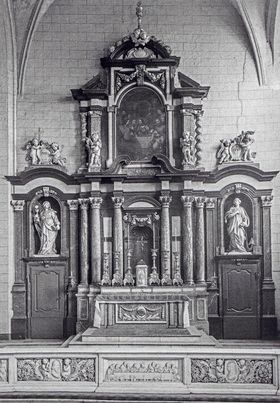
Dopo una breve permanenza al Palazzo Provinciale in piazza Markt, la scultura venne riportata nella Chiesa di Nostra Signora, nella sua nicchia di marmo nero. La Madonna era tornata al suo posto.
Per il momento il sempre vostro Michelangelo Buonarroti vi saluta dandovi appuntamento ai prossimi post e sui social.
September 6, 1944: When My Madonna of Bruges Was Stolen
September 6, 1944.
My Madonna of Bruges, now housed in the Church of Our Lady in Bruges, has traveled far further than I could have imagined when, in the early 16th century, I stood before the block of marble from which I would carve the figure of the Virgin and Child.
That sculpture left Italy during my lifetime. It had been commissioned by the wealthy Flemish merchant family Musucron, and in 1514 it was donated to the Church of Our Lady in Bruges, where it remains one of its greatest treasures.
But over the centuries, what should have been its peaceful home became the starting point for two separate thefts: the first during the Napoleonic era and the second, much more dramatic, during the Second World War.
It happened on the night between September 6 and 7, 1944, when the war was already changing the face of Europe and German troops were retreating.
The first time my Madonna was taken away
The story of the Madonna of Bruges had already seen a similar episode long before the Second World War.
In 1794, during the French occupation by Napoleon’s troops, the sculpture was stolen and transported to Paris along with other works. It remained away from Bruges for several years and returned to the Belgian city only after the fall of Napoleon in January 1816.
But the history of Europe still had another journey in store for her.
September 6, 1944: the Madonna disappears from the church
On the night between September 6 and 7, 1944, as German forces were retreating from Belgium, some soldiers entered the Church of Our Lady of Bruges and took the Madonna away.
The sculpture was wrapped in a mattress and loaded onto a truck marked with the insignia of the Red Cross, along with other paintings from the same church. The journey continued across occupied Europe, while it became increasingly difficult for the city of Bruges to know where what had become considered an essential part of its artistic heritage had ended up.
For those who knew the value of those works, it was clear that every clandestine shipment carried the risk that an entire part of European memory could be lost or destroyed.
The Madonna was then transferred to Austria, where the Nazis had concentrated a huge quantity of artworks stolen from various European countries: the destination was Altaussee.
The salt mine where Hitler hid the works of art
Altaussee might seem an unlikely place to preserve the great masterpieces of art history, but the very nature of the salt mines made them particularly suitable for this purpose.
Inside the mountain lay a network of tunnels and underground spaces where works of art could be sheltered from the bombings that were devastating many European cities.
The Nazis transformed those mines into one of the most important repositories of artworks stolen during the war, including numerous works destined for the gigantic museum that Adolf Hitler planned to build in Linz.
When my Madonna arrived in Altaussee, she was certainly not alone. Thousands of works and objects belonging to museums, private collections, and institutions from various European countries had been hidden in those tunnels.
Among the masterpieces that would be rediscovered were Johannes Vermeer’s The Astronomer and Jan and Hubert van Eyck’s Ghent Altarpiece.
Consider what it meant: works that had spanned centuries of history were now reunited, not in a museum, but in the darkness of an Austrian mountain, far from the places for which they had been created or where they had been preserved for generations.
When the Monuments Men Arrived in Altaussee
In May 1945, as the war was drawing to a close, Monuments Men Robert Posey and Lincoln Kirstein arrived in Altaussee.
The main entrance to the mine had been blown up with explosive charges, but Posey managed to find a way in. He was the first of the two to make his way into the mine, followed by Kirstein. Inside, they found thousands of works of art and artistic artifacts of all kinds.
The discovery led to the identification of one of the largest caches of art stolen by the Nazis and the launch of the necessary operations to return them to the countries from which they had been stolen.
George Stout and the Difficult Extraction of the Madonna
My Madonna is carved from marble and weighs approximately one ton; moving it through the narrow tunnels of the Altaussee mine therefore required great care, especially since it was not possible to simply use normal transport systems.
The evacuation of the works was carried out by several Monuments Men, including George Stout, Thomas Howe, Stephen Kovalyak, Lamont Moore, and Frederick Shrady.
Stout, who before the war had been a prominent conservator and had extensive experience in the protection of works of art, once again had to resort to improvised solutions, adapting materials and tools to the conditions he faced.
For my Madonna, he built a pulley system that allowed it to be lifted and placed on the mine cart, thus enabling the long journey outward on July 10, 1945.
The Madonna was not the only masterpiece to be saved
The recovery operations at Altaussee were long and complex.
Thomas Howe remained in charge of operations in the mine when Stout left to accompany the treasures to the Munich Central Collecting Point and, over the course of about five weeks, helped organize the evacuation of ninety truckloads of paintings, sculptures, furniture, and other cultural assets.
Stephen Kovalyak and the other men of the team also participated in the recovery operations, working to secure the works and prepare them for transport to Munich.
On September 22, 1945, the Bruges Madonna and seventeen other paintings departed from the collection point in Munich for Belgium. Before returning to its church, the sculpture was exhibited in Brussels at the Royal Museums of Fine Arts.
November 12, 1945: The Return
On November 12, 1945, just over a year after its theft, the Bruges Madonna finally returned to the city to which it had been destined more than four centuries earlier.
After a brief stay at the Provincial Palace on Markt Square, the sculpture was returned to the Church of Our Lady, in its black marble niche. The Madonna was back where it belonged.
For now, yours truly, Michelangelo Buonarroti bids you farewell and invites you to join him in future posts and on social media.

Sostienici – Support Us
Se questo blog ti piace e ti appassiona, puoi aiutarci a farlo crescere sempre più sostenendoci in modo concreto condividendo i post, seguendo le pagine social e con un contributo che ci aiuta ad andare avanti con il nostro lavoro di divulgazione. . ENGLISH: If you like and are passionate about this blog, you can help us make it grow more and more by supporting us in a concrete way by sharing posts, following social pages and with a contribution that helps us to move forward with our dissemination work.
10,00 €
-
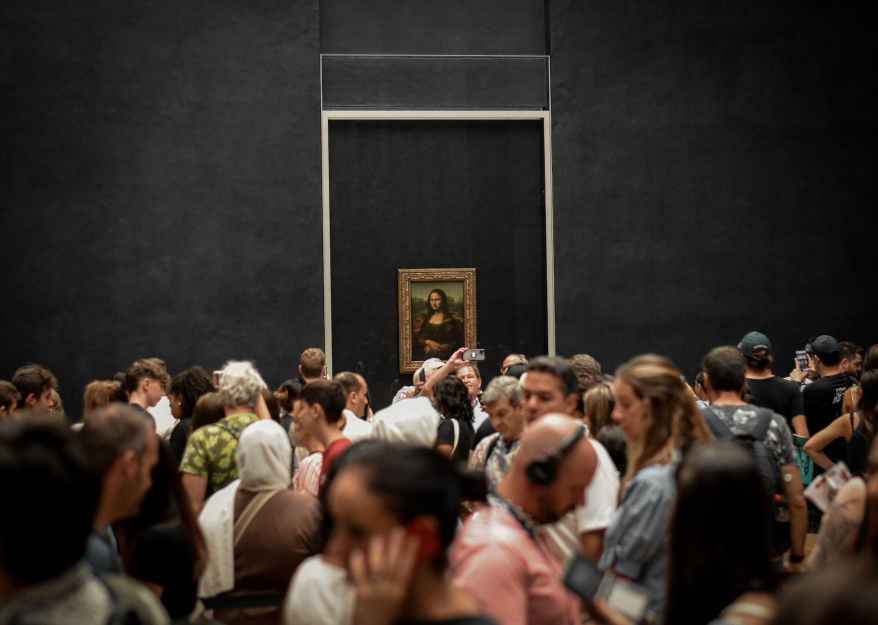
Il Louvre rischia la chiusura? Ecco cosa sta succedendo al museo dopo il furto da 88 milioni
🇮🇹Il Louvre rischia di chiudere senza una grande ristrutturazione. Dopo il furto dei gioielli della Corona, il direttore Christophe Leribault lancia l’allarme… 🇬🇧The Louvre risks closure without a major renovation. Following the theft of the Crown Jewels, director Christophe Leribault has raised the alarm…
-
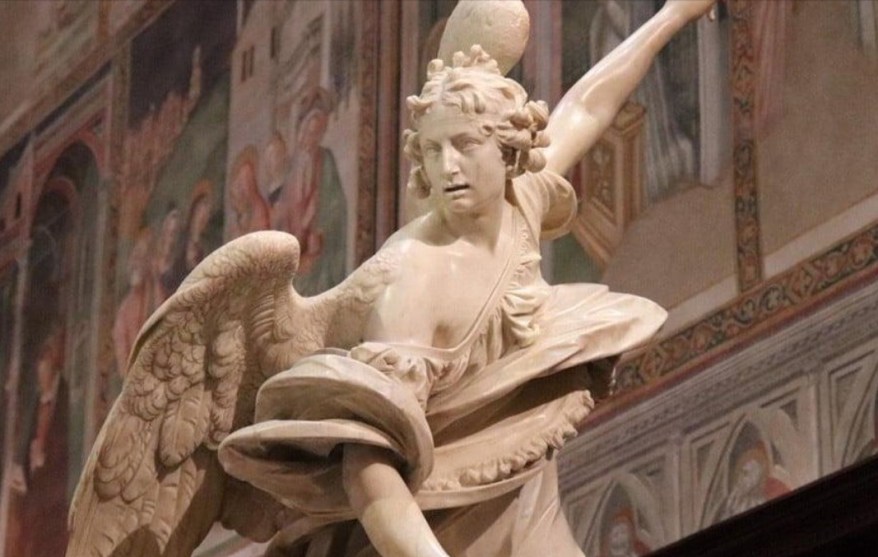
Francesco Mochi, lo scultore che liberò il marmo e il bronzo dal silenzio prima di Bernini
🇮🇹Prima di Bernini, c’è stato Francesco Mochi: scultore straordinario del Seicento, Mochi anticipò il dinamismo barocco con figure che sembrano sul punto di uscire dalla pietra e cavalli di bronzo carichi di energia… 🇬🇧Before Bernini, there was Francesco Mochi—an extraordinary 17th-century sculptor who anticipated Baroque dynamism with figures that seem on the verge of stepping…
-
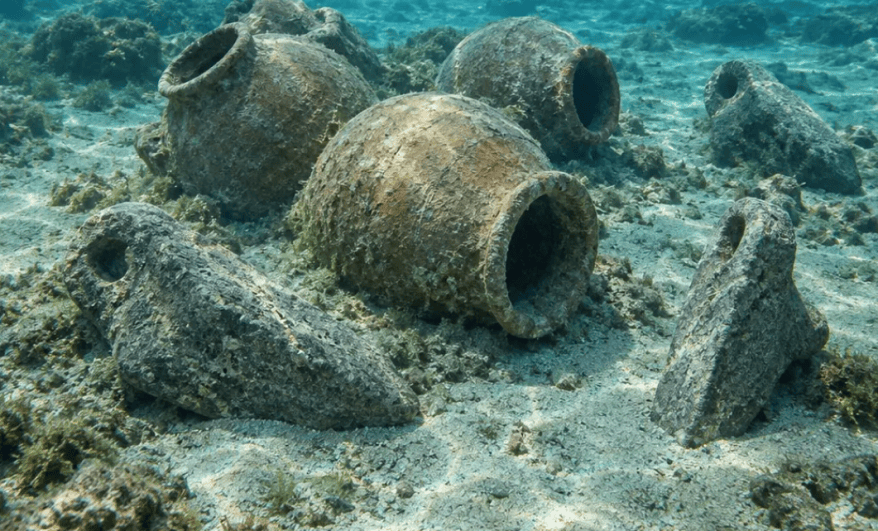
Kekova, Turchia: trovato un relitto di quasi 5.000 anni fa
🇮🇹Al largo di Kekova, in Turchia, un relitto che potrebbe risalire a 4.700 anni fa riporta l’attenzione sugli antichi commerci del Mediterraneo… 🇬🇧Off the coast of Kekova, in Türkiye, a shipwreck that may date back 4,700 years is drawing renewed attention to ancient Mediterranean trade…
Condividi:


Questo sono io




sostienici

Sostienici – Support Us
Se questo blog ti piace e ti appassiona, puoi aiutarci a farlo crescere sempre più sostenendoci in modo concreto condividendo i post, seguendo le pagine social e con un contributo che ci aiuta ad andare avanti con il nostro lavoro di divulgazione. . ENGLISH: If you like and are passionate about this blog, you can help us make it grow more and more by supporting us in a concrete way by sharing posts, following social pages and with a contribution that helps us to move forward with our dissemination work.
€10,00


