
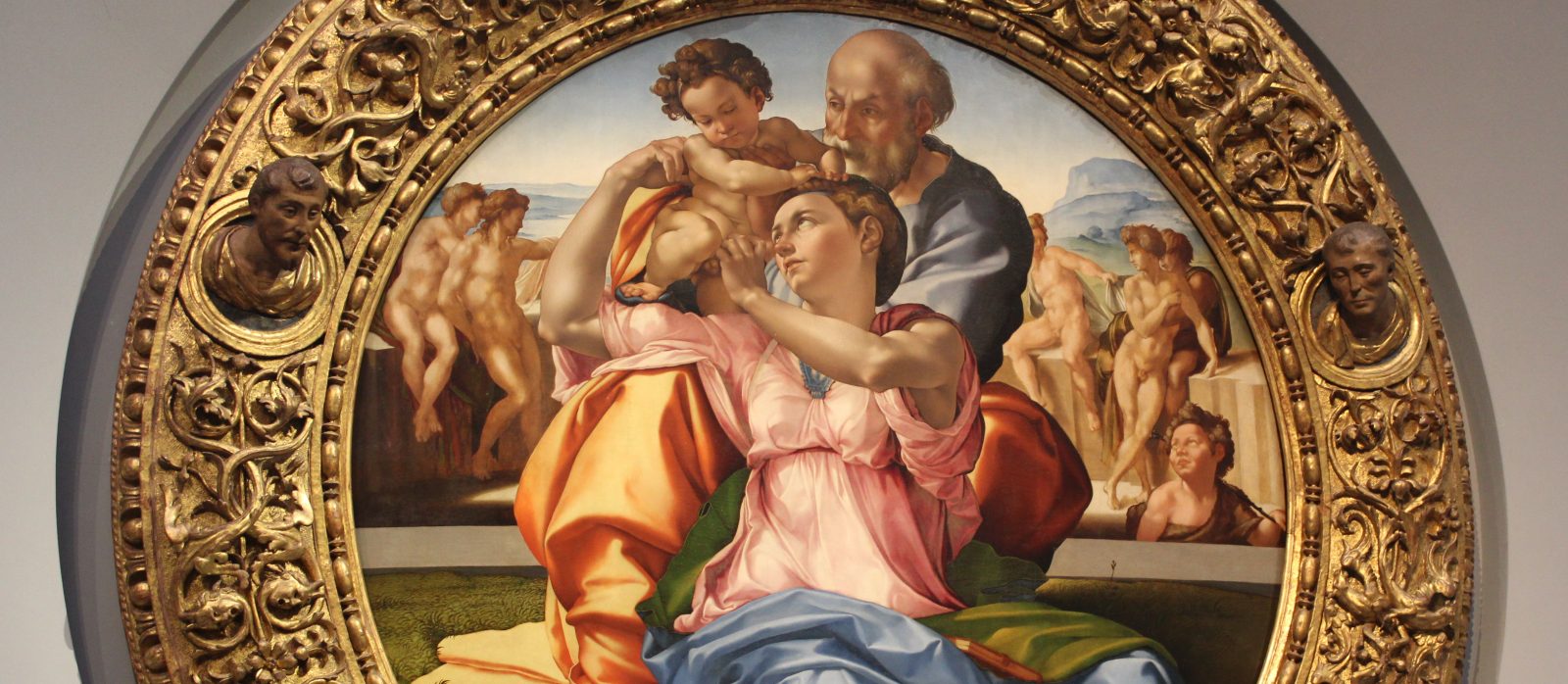
28 giugno 1797: il giorno in cui persi per sempre una parte della Cappella Sistina
28 giugno 1797. Vi è un giorno che, pur essendo trascorso molti anni dopo la mia morte, avrei voluto non esistesse mai.
Se oggi potessi ancora varcare la soglia della Cappella Sistina, alzare gli occhi verso quella volta che consumò la mia giovinezza e le mie forze, sentirei una ferita che nessun artista dovrebbe conoscere.
Perché una parte del mio cielo non esiste più.
Non fu il tempo a divorarla. Non l’umidità. Non l’incuria ma la violenza degli uomini.
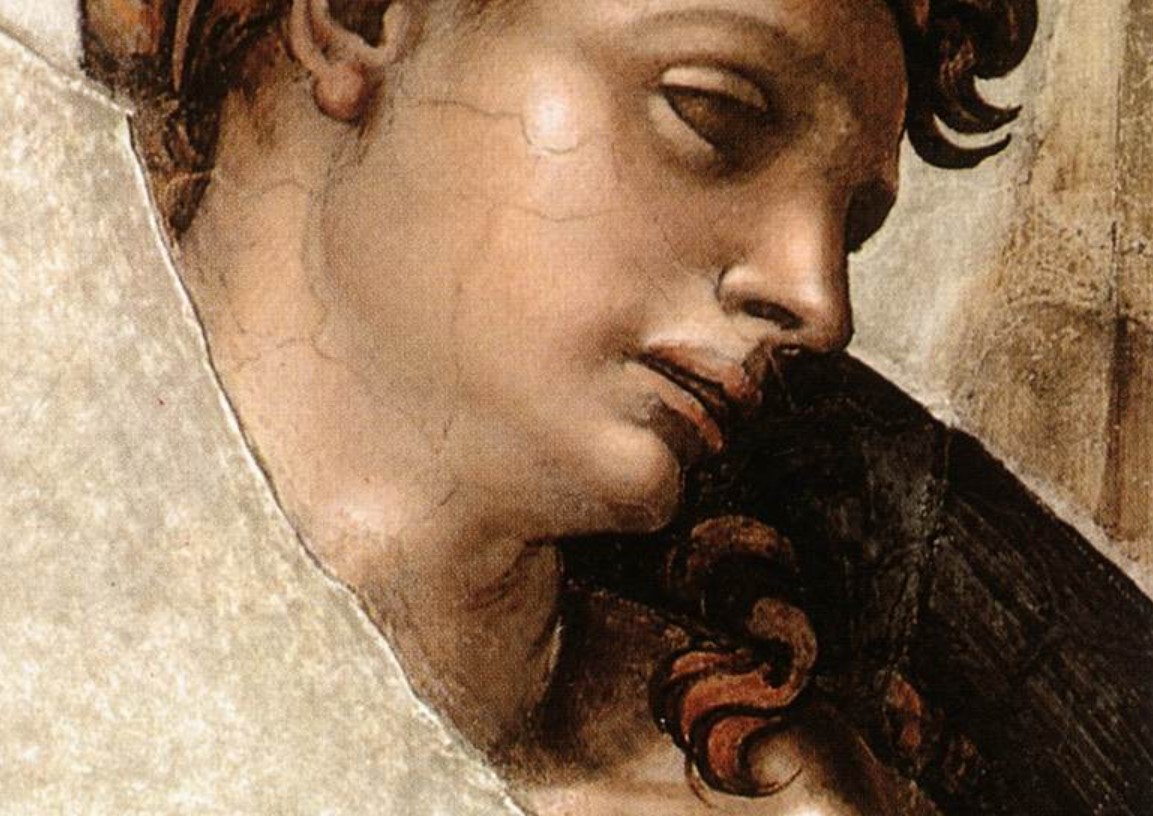
Mentre Roma si preparava a celebrare i suoi santi patroni, Pietro e Paolo, il 28 giugno 1797 la città venne sconvolta da un’esplosione destinata a cambiare per sempre la storia dell’arte.
Le armate di Bonaparte premevano ormai alle porte dello Stato Pontificio. Le Marche e la Romagna erano già cadute e Roma rappresentava il grande obiettivo successivo.
Fu allora che due agenti francesi riuscirono a introdursi all’interno di Castel Sant’Angelo: la loro intenzione era quella di colpire il cuore della difesa pontificia.
Appiccarono il fuoco alla polveriera e in pochi istanti un intero bastione esplose.

La deflagrazione fu devastante. Venti persone morirono sul colpo mentre altre sedici rimasero gravemente ferite. Le abitazioni vicine subirono danni enormi.
Il colpo più terribile, almeno per chi ama l’arte, arrivò poche centinaia di metri più in là. L’onda d’urto attraversò il Vaticano.
Le vibrazioni investirono la Cappella Sistina e la mia volta tremò.
Quel soffitto che avevo affrescato sfidando il dolore, la fatica e la disperazione non riuscì a resistere completamente alla furia dell’esplosione. Una vasta porzione dell’affresco del Diluvio Universale si staccò improvvisamente dalla volta.
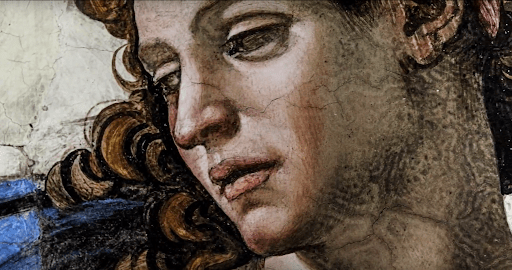
Con essa precipitò anche parte dell’ignudo posto accanto alla Sibilla Delfica. Quei frammenti non poterono essere salvati.
Caddero sul pavimento. Si frantumarono e divennero polvere.
Andarono perduti per sempre.
Ogni pennellata che avevo steso con pazienza cessò di esistere in pochi istanti.

Chi entra oggi nella Cappella Sistina può ancora vedere quella cicatrice. Non è una mancanza del tempo ma una ferita della storia, testimonianza silenziosa di come persino i più grandi capolavori dell’umanità possano essere colpiti dalle guerre e dalla follia degli uomini.
L’arte sembra eterna eppure basta un solo istante perché ciò che ha richiesto anni di lavoro scompaia per sempre.
E’ il destino delle opere create dall’uomo: non appartengono più a chi le crea ma a tempo.
Il tempo, talvolta, sa essere più crudele di qualsiasi artista. Per questo, quando entrerete nella Cappella Sistina, non limitatevi ad ammirarne la grandezza.
Cercate quella mancanza, osservate quel vuoto perché anche ciò che non vedete più racconta una storia.
Per il momento il sempre vostro Michelangelo Buonarroti vi saluta dandovi appuntamento ai prossimi post e sui social.
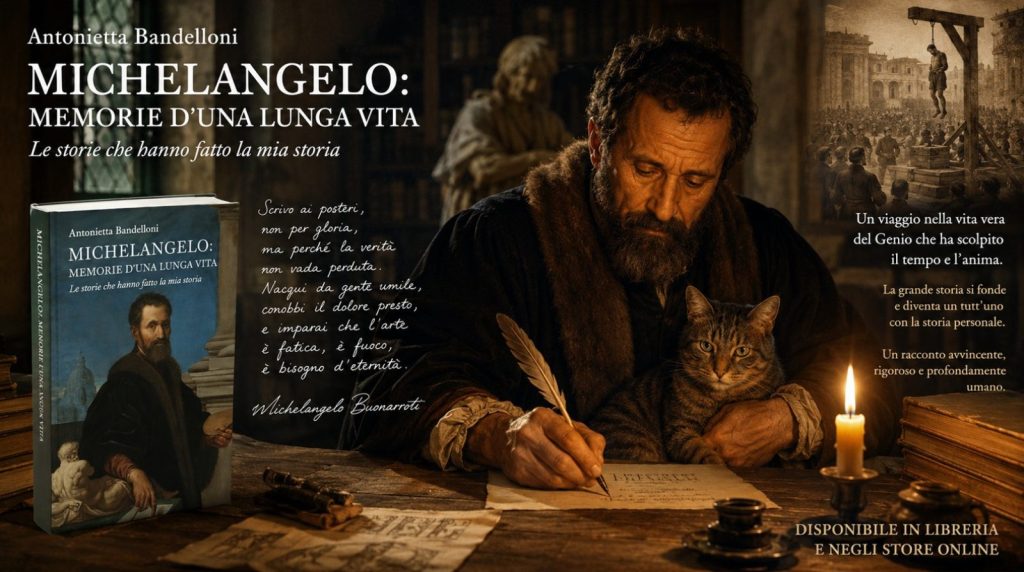
June 28, 1797: The Day I Lost Part of the Sistine Chapel Forever
June 28, 1797. There is a day that, though many years have passed since my death, I wish had never happened.
If I could still cross the threshold of the Sistine Chapel today, raise my eyes to that vault that consumed my youth and my strength, I would feel a wound no artist should know.
Because a part of my heaven no longer exists.
It was not time that devoured it. Not humidity. Not neglect, but the violence of men.
As Rome prepared to celebrate its patron saints, Peter and Paul, on June 28, 1797, the city was rocked by an explosion destined to change the history of art forever.
Bonaparte’s armies were now pressing on the gates of the Papal States. The Marches and Romagna had already fallen, and Rome represented the next great objective.
It was then that two French agents managed to sneak into Castel Sant’Angelo: their intention was to strike at the heart of the papal defense.
They set fire to the powder magazine, and in moments, an entire bastion exploded.
The explosion was devastating. Twenty people died instantly, while sixteen others were seriously injured. Nearby homes suffered enormous damage.
The most terrible blow, at least for art lovers, came a few hundred meters away. The shock wave rippled through the Vatican.
The vibrations shook the Sistine Chapel, and my vault shook.
The ceiling I had frescoed, braving pain, fatigue, and desperation, could not fully withstand the fury of the explosion. A large portion of the fresco of the Great Flood suddenly detached from the vault.
With it, part of the nude statue next to the Delphic Sibyl also fell. Those fragments could not be saved.
They fell to the floor. They shattered and became dust.
They were lost forever.
Every brushstroke I had patiently applied ceased to exist in a few moments.
Anyone who enters the Sistine Chapel today can still see that scar. It is not a lack of time but a wound of history, a silent testimony to how even humanity’s greatest masterpieces can be affected by wars and the folly of man.
Art seems eternal, yet a single instant is enough for what took years of work to disappear forever.
It is the fate of works created by man: they no longer belong to those who create them, but to time.
Time, at times, can be crueler than any artist. For this reason, when you enter the Sistine Chapel, don’t just admire its grandeur.
Look for that gap, observe that emptiness, because even what you no longer see tells a story.
For now, yours truly, Michelangelo Buonarroti, bids farewell and invites you to join him in future posts and on social media.

Sostienici – Support Us
Se questo blog ti piace e ti appassiona, puoi aiutarci a farlo crescere sempre più sostenendoci in modo concreto condividendo i post, seguendo le pagine social e con un contributo che ci aiuta ad andare avanti con il nostro lavoro di divulgazione. . ENGLISH: If you like and are passionate about this blog, you can help us make it grow more and more by supporting us in a concrete way by sharing posts, following social pages and with a contribution that helps us to move forward with our dissemination work.
10,00 €
Condividi:


Questo sono io




sostienici

Sostienici – Support Us
Se questo blog ti piace e ti appassiona, puoi aiutarci a farlo crescere sempre più sostenendoci in modo concreto condividendo i post, seguendo le pagine social e con un contributo che ci aiuta ad andare avanti con il nostro lavoro di divulgazione. . ENGLISH: If you like and are passionate about this blog, you can help us make it grow more and more by supporting us in a concrete way by sharing posts, following social pages and with a contribution that helps us to move forward with our dissemination work.
€10,00


