
7 agosto 1420: iniziava il miracolo della Cupola del Brunelleschi
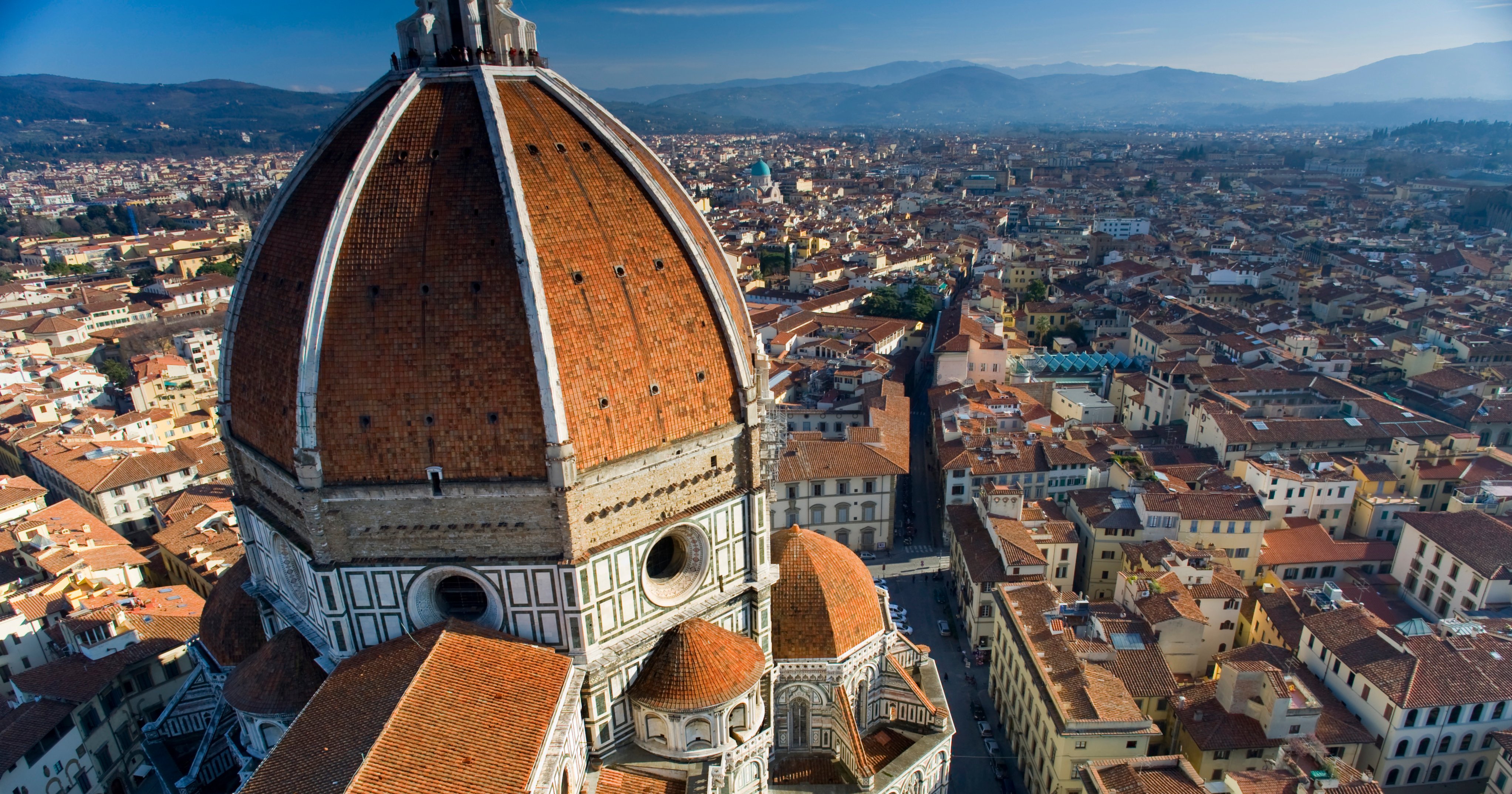
Il 7 agosto 1420 una di quelle date che non possono essere dimenticate e che segnarono un prima e un dopo. Quella mattina, sopra Firenze, a oltre 42 metri di altezza, prese ufficialmente il via la costruzione della Cupola di Santa Maria del Fiore, l’opera destinata a rendere immortale Filippo Brunelleschi e a cambiare per sempre il modo di concepire l’architettura.
È strano pensare che uno dei più grandi capolavori mai realizzati dall’uomo non iniziò con il rumore degli scalpelli o con il primo mattone posato, ma con una colazione speciale. Pane, vino e melone vennero offerti agli operai assoldati dall’Opera del Duomo per inaugurare l’inizio di un’impresa che, fino a quel momento, molti consideravano impossibile.
Quella semplice tavola apparecchiata sospesa nel cielo di Firenze era destinata a fare la storia.
La colazione che inaugurò il cantiere più famoso del Rinascimento
L’Opera di Santa Maria del Fiore volle immortalare quel momento anche nei registri contabili. La nota, ancora oggi conservata, racconta con sorprendente precisione cosa accadde:
“A dì 7 d’aghosto lire 3 soldi 9 denari 4 per uno barile di vino vermiglio e uno fiascho di trebiano e pane e poponi per una cholezione si fe’ la mattina che si chominciò a murare la chupola”.
Una testimonianza preziosa che restituisce ai posteri l’importanza e la concretezza di quel giorno.
Dopo oltre cinquant’anni di discussioni, progetti, dubbi e ripensamenti, finalmente il sogno prendeva forma. Nessuno sapeva se sarebbe davvero stato possibile costruire una cupola tanto grande senza le tradizionali armature lignee. Brunelleschi ne era convinto. Molti altri no.

Un cantiere immenso sospeso nel cielo di Firenze
Prima ancora di iniziare la muratura, il lavoro preparatorio era stato gigantesco.
Erano stati abbattuti circa cento grandi abeti, necessari per realizzare le imponenti impalcature che avrebbero sorretto uomini e materiali durante la costruzione.
Ai piedi della cattedrale erano già accatastate enormi quantità di pietra arenaria e migliaia di mattoni provenienti dalle fornaci dell’Impruneta, scelti per la loro eccezionale qualità e resistenza.
Quel giorno oltre 300 lavoratori erano coinvolti nell’impresa: muratori, scalpellini, carpentieri, cavatori, fabbri e trasportatori.
La settimana lavorativa iniziava il lunedì all’alba e terminava il sabato dopo il tramonto, quando la luce non consentiva più di lavorare in sicurezza sulle impalcature sospese decine di metri sopra la città.

Brunelleschi non progettò solo la Cupola: inventò anche le macchine per costruirla
Brunelleschi non solo immaginò una struttura autoportante mai vista prima ma progettò anche gli strumenti necessari per renderla possibile.
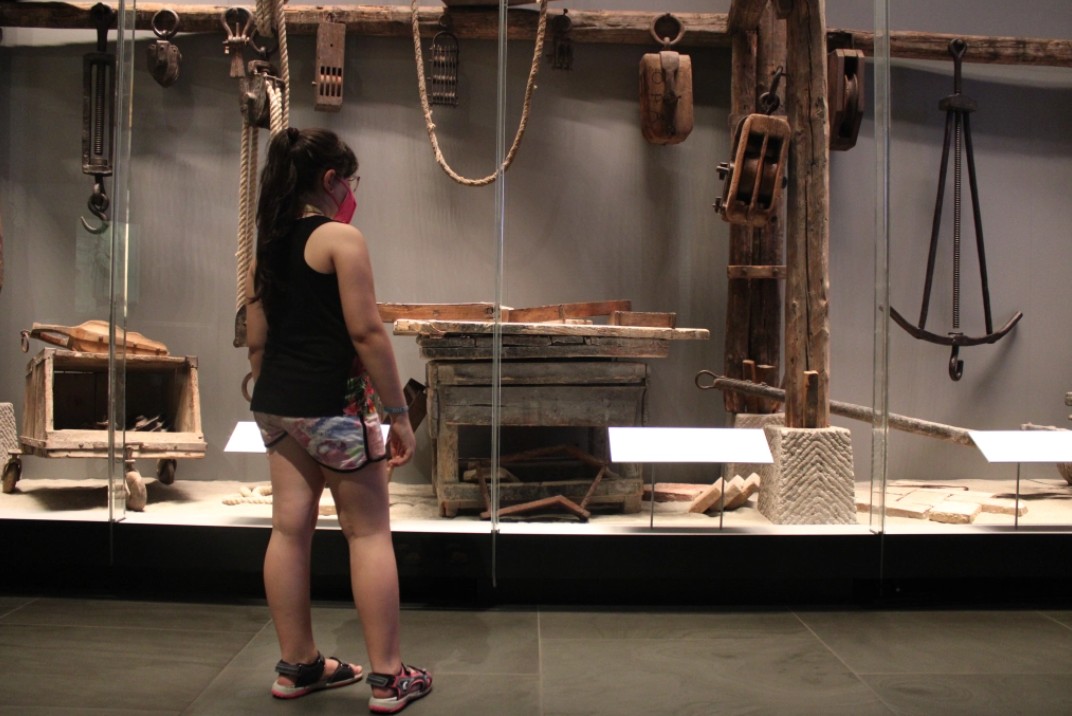
Costruì enormi gru rotanti, sofisticati argani a più velocità, carrelli per il trasporto verticale e orizzontale dei materiali e sistemi di sollevamento che sfruttavano la forza animale con un’efficienza sconosciuta fino ad allora.
Molti di questi strumenti sono oggi conservati nel Museo dell’Opera del Duomo, dove è ancora possibile osservare gigantesche forbici metalliche, tenditori, tenaglie e le celebri ulivelle, antichi dispositivi già utilizzati dai Romani per sollevare enormi blocchi di pietra e riportati in vita proprio grazie all’ingegno di Brunelleschi.
Ogni dettaglio del cantiere era studiato con precisione quasi scientifica.

Anche il benessere degli operai era parte del progetto
Lavorare sospesi a decine di metri dal suolo comportava rischi enormi. Per evitare continue discese dai ponteggi, Brunelleschi fece predisporre punti ristoro direttamente sulle impalcature, dove gli operai potevano mangiare e bere durante la giornata.
Una soluzione pratica, ma anche sorprendentemente moderna.
L’Opera del Duomo prevedeva inoltre forme di assistenza per gli operai infortunati o malati, sostenendo le spese delle cure e garantendo il pagamento delle giornate di assenza. Un’attenzione al lavoro che appare straordinariamente avanzata per il Quattrocento.
Quindici anni di lavoro per un miracolo architettonico
La costruzione richiese quindici anni di lavoro effettivo.
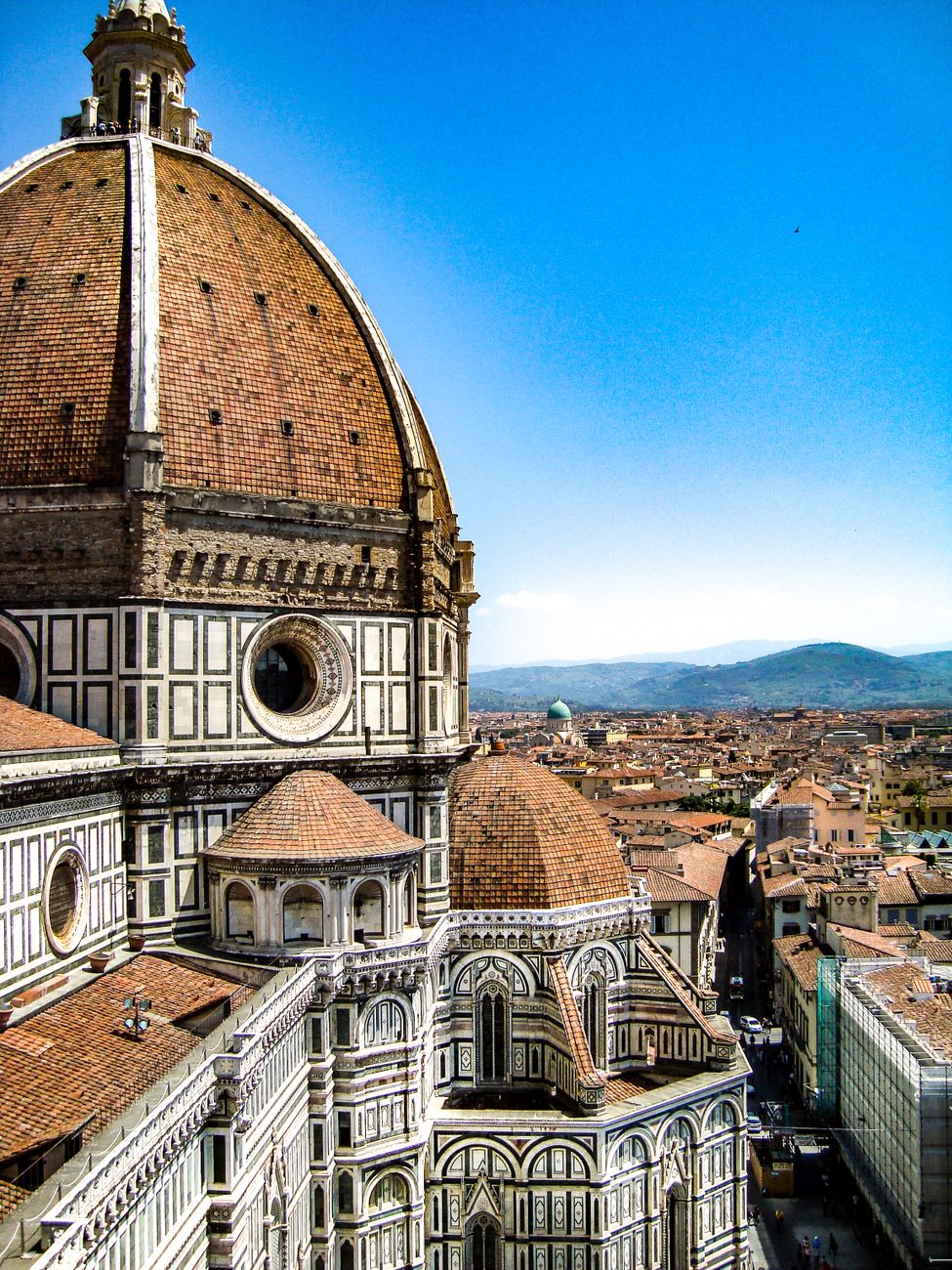
Ogni anno venivano posati circa 500.000 mattoni, sistemati secondo la celebre disposizione a spina di pesce, l’intuizione tecnica che rese possibile la realizzazione della doppia calotta autoportante.
Poco alla volta, mentre la Cupola cresceva verso il cielo, anche gli scettici dovettero ricredersi.
Quello che sembrava impossibile stava diventando realtà.
Quando l’opera fu completata, Firenze poteva finalmente ammirare una costruzione alta 114 metri, destinata a diventare il simbolo della città e una delle meraviglie assolute dell’umanità.
Un anniversario che racconta molto più di un cantiere
Il 7 agosto 1420 è il giorno in cui il coraggio, l’ingegno e la fiducia nella conoscenza iniziarono a trasformare un’idea apparentemente irrealizzabile in una delle opere più straordinarie mai costruite dall’uomo.
Prima delle gru, dei mattoni e dei calcoli rivoluzionari, ci furono uomini riuniti su un ponteggio, con un pezzo di pane, qualche fetta di melone e un bicchiere di Trebbiano.
Da quella semplice colazione sospesa nel cielo nacque uno dei simboli immortali del Rinascimento.
Per il momento il sempre vostro Michelangelo Buonarroti vi saluta dandovi appuntamento ai prossimi post e sui social.

August 7, 1420: The miracle of Brunelleschi’s Dome began
August 7, 1420, was one of those unforgettable dates that marked a before and after. That morning, over 42 meters above Florence, construction officially began on the Dome of Santa Maria del Fiore, the work destined to immortalize Filippo Brunelleschi and forever change the way we conceive of architecture.
It’s strange to think that one of the greatest masterpieces ever created by man began not with the sound of chisels or the first brick laid, but with a special breakfast. Bread, wine, and melon were offered to the workers hired by the Opera del Duomo to inaugurate the beginning of an undertaking that, until then, many had considered impossible.
That simple table set suspended in the Florentine sky was destined to make history.
The breakfast that inaugurated the most famous construction site of the Renaissance
The Opera di Santa Maria del Fiore wanted to immortalize that moment in its accounting records. The note, still preserved today, recounts with astonishing precision what happened:
“On the 7th of August, 3 lire, 9 denarii, and 4 denarii were paid for a barrel of vermilion wine and a flask of Trebiano, along with bread and melons for a meal. The morning the building of the chupola was begun, the price was set aside.”
A precious testimony that conveys to posterity the importance and concreteness of that day.
After more than fifty years of discussions, plans, doubts, and second thoughts, the dream finally took shape. No one knew whether it would really be possible to build such a large dome without the traditional wooden framework. Brunelleschi was convinced of it. Many others were not.
A huge construction site suspended in the sky above Florence
Before the masonry had even begun, the preparatory work had been monumental.
About one hundred large fir trees had been felled, necessary to build the imposing scaffolding that would support men and materials during construction.
At the foot of the cathedral, enormous quantities of sandstone and thousands of bricks from the kilns of Impruneta, chosen for their exceptional quality and strength, were already piled up.
That day, over 300 workers were involved in the undertaking: bricklayers, stonemasons, carpenters, quarrymen, blacksmiths, and transporters.
The work week began on Monday at dawn and ended on Saturday after sunset, when the light no longer permitted safe work on the scaffolding suspended dozens of meters above the city.
Brunelleschi didn’t just design the Dome: he also invented the machines to build it.
Brunelleschi not only imagined a self-supporting structure never before seen, but also designed the tools needed to make it possible.
He built enormous rotating cranes, sophisticated multi-speed winches, trolleys for the vertical and horizontal transport of materials, and lifting systems that exploited animal power with previously unknown efficiency.
Many of these tools are now preserved in the Museo dell’Opera del Duomo, where you can still see giant metal scissors, tensioners, tongs, and the famous ulivelle, ancient devices used by the Romans to lift enormous blocks of stone and brought back to life thanks to Brunelleschi’s ingenuity.
Every detail of the construction site was studied with almost scientific precision.
The well-being of the workers was also part of the project
Working suspended dozens of meters above the ground posed enormous risks. To avoid constant descents from the scaffolding, Brunelleschi had refreshment stands set up directly on the scaffolding, where workers could eat and drink throughout the day.
A practical, yet surprisingly modern, solution.
The Opera del Duomo also provided assistance for injured or ill workers, covering the cost of treatment and guaranteeing payment for days off work. This attention to work seems extraordinarily advanced for the 15th century.
Fifteen Years of Work for an Architectural Miracle
The construction required fifteen years of actual work.
Every year, approximately 500,000 bricks were laid, arranged in the famous herringbone pattern, the technical intuition that made the self-supporting double dome possible.
Little by little, as the Dome grew toward the sky, even the skeptics were forced to reconsider.
What had seemed impossible was becoming reality.
When the work was completed, Florence could finally admire a 114-meter-tall structure, destined to become the symbol of the city and one of the absolute wonders of humanity.
An anniversary that tells much more than a construction site
August 7, 1420, is the day when courage, ingenuity, and faith in knowledge began to transform a seemingly unachievable idea into one of the most extraordinary works ever built by man.
Before cranes, bricks, and revolutionary calculations, there were men gathered on scaffolding, with a piece of bread, a few slices of melon, and a glass of Trebbiano.
From that simple breakfast suspended in the sky was born one of the immortal symbols of the Renaissance.
For now, yours truly, Michelangelo Buonarroti bids you farewell, saying he’ll see you in future posts and on social media.

Sostienici – Support Us
Se questo blog ti piace e ti appassiona, puoi aiutarci a farlo crescere sempre più sostenendoci in modo concreto condividendo i post, seguendo le pagine social e con un contributo che ci aiuta ad andare avanti con il nostro lavoro di divulgazione. . ENGLISH: If you like and are passionate about this blog, you can help us make it grow more and more by supporting us in a concrete way by sharing posts, following social pages and with a contribution that helps us to move forward with our dissemination work.
10,00 €
-

26 ottobre 1890: muore Carlo Collodi, lo scrittore toscano che inventò Pinocchio
Il 26 ottobre 1890 moriva a Firenze Carlo Collodi, autore di Pinocchio. Dalla prima pubblicazione nel 1881 al successo mondiale del burattino…
-
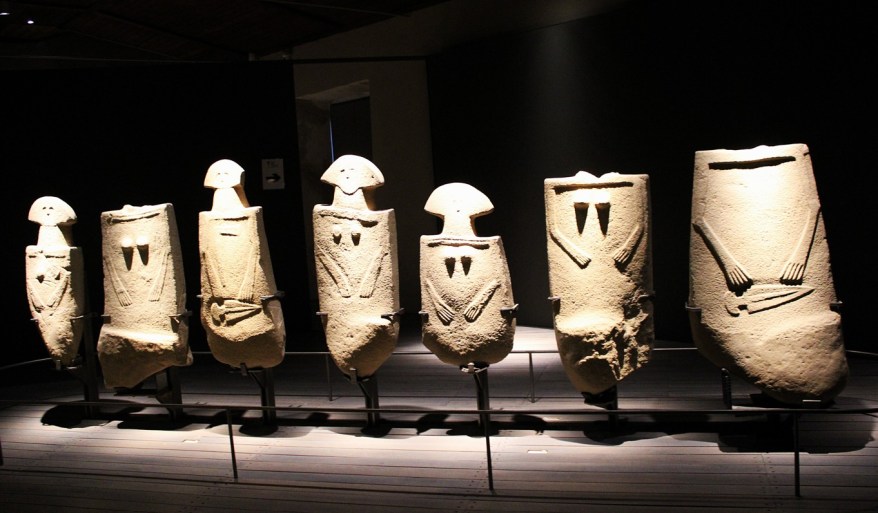
I musei meno conosciuti della Toscana che meritano una visita: 10 province, 10 luoghi da scoprire
🇮🇹Dalle statue stele della Lunigiana alle antiche botteghe artigiane, passando per case-museo, collezioni insolite e testimonianze della vita quotidiana: ecco dieci musei da visitare in Toscana, uno per ogni provincia, per scoprire un patrimonio artistico e culturale che va ben oltre le mete più famose… 🇬🇧From the stele statues of Lunigiana to ancient artisan workshops—not…
-
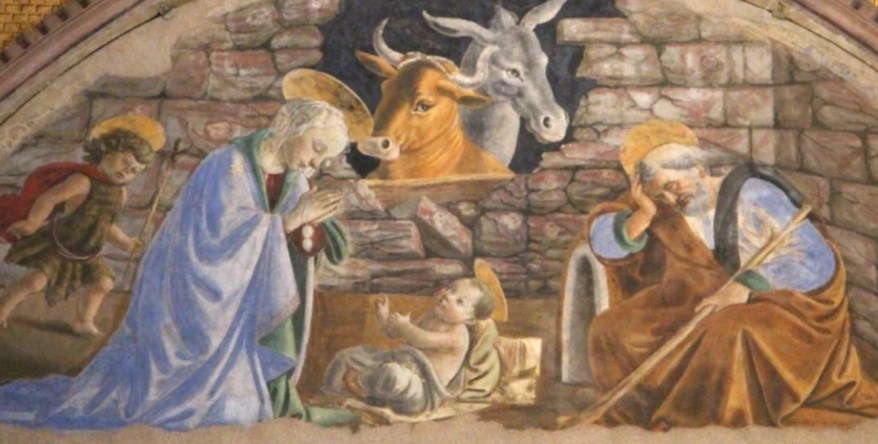
Perché il bue e l’asino sono accanto a Gesù Bambino? La storia dietro una tradizione secolare
🇮🇹Perché il bue e l’asinello sono accanto a Gesù Bambino nel presepe? Scopri le origini bibliche, il significato simbolico e la storia nell’arte… 🇬🇧Why are the ox and the donkey beside Baby Jesus in the nativity scene? Discover their biblical origins, symbolic meaning, and history in art…
Condividi:


Questo sono io




sostienici

Sostienici – Support Us
Se questo blog ti piace e ti appassiona, puoi aiutarci a farlo crescere sempre più sostenendoci in modo concreto condividendo i post, seguendo le pagine social e con un contributo che ci aiuta ad andare avanti con il nostro lavoro di divulgazione. . ENGLISH: If you like and are passionate about this blog, you can help us make it grow more and more by supporting us in a concrete way by sharing posts, following social pages and with a contribution that helps us to move forward with our dissemination work.
€10,00


