

Nemmeno gli anni riescono a vincere Amore
Eterni sono sentimenti che il tempo non riesce a spegnere. Anche quando gli anni avanzano e la ragione suggerirebbe di allontanarsi dalle passioni, può bastare uno sguardo per risvegliare dentro di noi qualcosa che credevamo ormai sopito.
È questo il cuore del madrigale in cui racconto, ancora una volta, della forza dell’amore e dell’effetto sconvolgente che può avere la bellezza della persona amata.
In questi versi torno a guardare gli occhi dell’amato e, attraverso la loro bellezza, racconto il conflitto che si agita dentro di me: da una parte la dolcezza del desiderio, dall’altra la consapevolezza della mia età, della vergogna e della morte.

La forza dell’amore nella vecchiaia
So bene che arrivato a quella stagione della vita nella quale, secondo la ragione e secondo le convenzioni del mio tempo, dovrei ormai allontanarmi dalle passioni amorose. L’immagine che utilizzo è quella tradizionale di Amore con il suo arco e le sue ali: strumenti e attributi che appartengono alla giovinezza e alla potenza del desiderio.
Eppure proprio quando sembrerebbe arrivato il momento di deporre l’arco e di fermare il volo, Amore torna a prendere forza.
È come se la vecchiaia non fosse sufficiente a rendermi immune dalla bellezza.
Sotto due belle ciglia, Amore torna a colpirmi
Quando guardo gli occhi dell’amato, qualcosa dentro di me si risveglia.
Sotto quelle due belle ciglia sento nuovamente agire la forza di Amore. È un’immagine semplice soltanto in apparenza: gli occhi diventano il luogo attraverso il quale la bellezza raggiunge l’anima e riaccende un sentimento che gli anni avrebbero dovuto indebolire.
Io so che non dovrei lasciarmi coinvolgere. So che il tempo della vita dovrebbe ormai spingermi verso altre riflessioni.
Ma gli occhi dell’amato hanno una forza che supera la ragione.
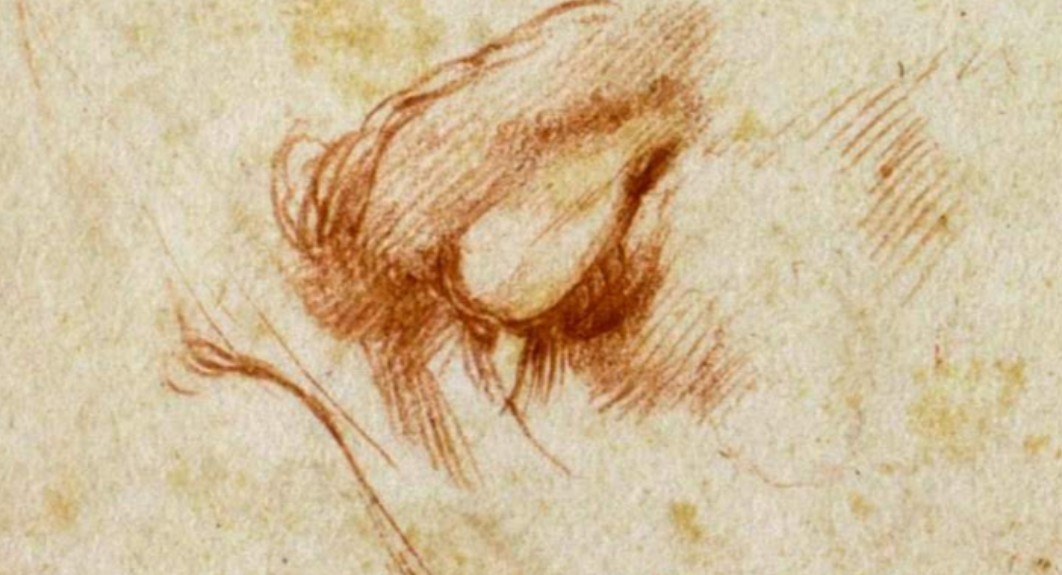
Gli occhi che cercano ogni meraviglia
I miei occhi sono avidi di bellezza, lo sono sempre stati.
Li descrivo come “ghiotti d’ogni maraviglia”, perché non riescono a smettere di cercare ciò che è bello e straordinario. E quando incontrano una bellezza simile a quella che già li ha conquistati, subito ne sono attratti.
È come se i miei occhi fossero diventati incapaci di resistere.
Cercano continuamente qualcosa che possa assomigliare alla meraviglia che hanno incontrato negli occhi dell’amato. E proprio questo desiderio di guardare, conoscere e contemplare finisce per espormi a nuovi colpi.
Le frecce di Amore non fanno più paura
Gli occhi dell’amato diventano così metaforicamente delle armi. Da essi partono strali, frecce capaci di ferirmi. E non si tratta di una sola ferita: sono molti i colpi che posso ricevere quando mi espongo alla bellezza.
La metafora appartiene alla tradizione della poesia d’amore, ma nelle mie parole assume una particolare intensità.
Io non sono più il giovane che può abbandonarsi senza esitazione alla passione. Ho davanti a me la consapevolezza del tempo trascorso e, insieme al piacere, sento arrivare anche qualcosa di doloroso.
La bellezza mi attrae, ma nello stesso momento mi mette davanti alla fragilità della mia stessa esistenza.

Dopo la dolcezza arriva il pensiero della vergogna e della morte
Dopo la dolcezza del desiderio arriva un pensiero “aspro e forte”. Mentre guardo, mentre desidero, mentre mi lascio conquistare dalla bellezza, dentro di me compare anche la consapevolezza della vergogna e della morte.
Non posso più vivere l’amore con l’incoscienza della giovinezza.
Gli anni mi hanno insegnato che ogni desiderio porta con sé anche il timore delle conseguenze. La passione può essere dolce, ma può anche diventare motivo di inquietudine.
E così, accanto alla bellezza degli occhi dell’amato, compare improvvisamente l’ombra della fine.
La paura non riesce però a sconfiggere Amore
Nonostante la paura, nonostante la vergogna, nonostante il pensiero della morte, Amore non perde la sua forza.
Potrei avere paura di danni ancora maggiori. Potrei sapere che lasciarmi trascinare dal sentimento significa espormi a nuove sofferenze. Potrei ricordare tutti gli anni che sono passati.
Ma nulla di tutto questo basta a sconfiggere il desiderio.
È questa, forse, la contraddizione più profonda del mio madrigale: la ragione conosce il pericolo, ma il sentimento continua a combattere.
L’abitudine di molti anni non riesce a vincere il desiderio
Arrivo così all’ultimo verso, nel quale racchiudo il senso dell’intero componimento. Ho alle spalle molti anni. L’esperienza dovrebbe avermi insegnato a difendermi dall’amore, dalle sue illusioni e dalle sue ferite.
E invece non è così.
L’abitudine di tanti anni non riesce a vincere Amore nemmeno per un’ora.
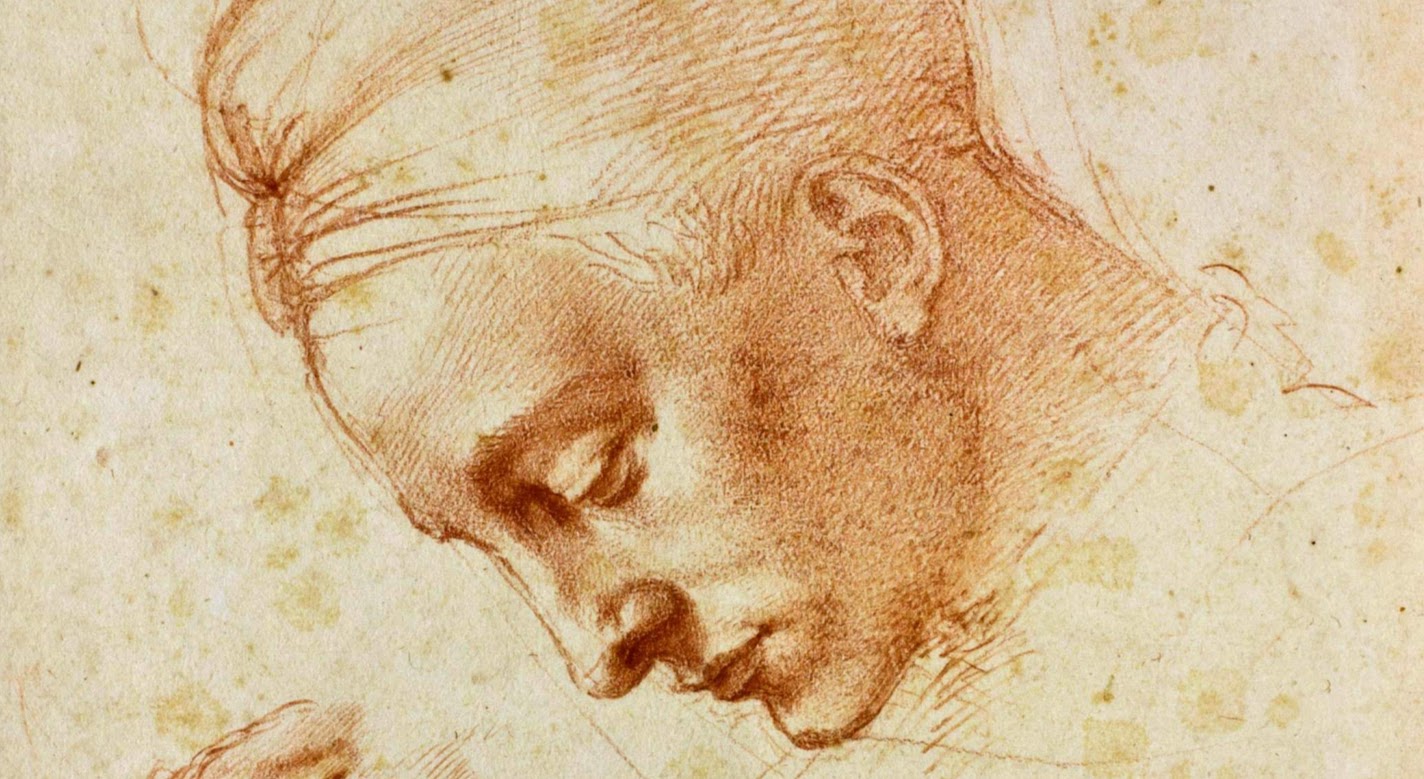
Il tempo può cambiare il corpo, può accumulare esperienza, può insegnare prudenza, ma non necessariamente riesce a cancellare il desiderio.
In questo madrigale la vecchiaia è presente fin dall’inizio, evocata attraverso l’immagine di una stagione nella quale l’arco e le ali di Amore dovrebbero ormai essere rifiutati. Ma quella stessa stagione della vita diventa il momento in cui la passione torna a manifestarsi con maggiore evidenza.
La bellezza degli occhi dell’amato diventa così una sfida al tempo.
Io so che gli anni sono trascorsi. So che la morte si avvicina. So che il desiderio può essere accompagnato dalla vergogna e dalla paura.
Eppure continuo a guardare, continuo a lasciarmi colpire. nonostante tutto continuo a sentire Amore.
La bellezza che vince anche la paura
L’amore come un sentimento semplice e rassicurante. Lo mostro nella sua natura più contraddittoria: dolce e doloroso, desiderato e temuto, capace di dare gioia ma anche di ricordarci la nostra fragilità.
Si può cercare di dominare Amore, ma non sempre gli anni, la ragione e la paura sono sufficienti a vincerlo.
Sotto duo belle ciglia
le forze Amor ripiglia
nella stagion che sprezza l’arco e l’ale.
Gli occhi mie, ghiotti d’ogni maraviglia
c’a questa s’assomiglia,
di lor fan pruova a più d’un fero strale.
E parte pur m’assale,
appresso al dolce, un pensier aspro e forte
di vergogna e di morte;
né perde Amor per maggior tema o danni:
c’un’or non vince l’uso di molt’anni.
Per il momento il sempre vostro michelangelo Buonarroti vi saluta dandovi appuntamento ai prossimi post e sui social.
Not even the years can conquer Love
Eternal are feelings that time cannot extinguish. Even when the years advance and reason would suggest distancing ourselves from passions, a glance can be enough to reawaken something within us that we thought was dormant.
This is the heart of the madrigal in which I speak, once again, of the power of love and the overwhelming effect the beauty of a loved one can have.
In these verses, I look back into the eyes of my beloved and, through their beauty, I describe the conflict that rages within me: on the one hand, the sweetness of desire; on the other, the awareness of my age, of shame, and of death.
The Strength of Love in Old Age
I know well that I have reached that stage of life in which, according to reason and the conventions of my time, I should distance myself from amorous passions. The image I use is the traditional one of Love with his bow and his wings: instruments and attributes that belong to youth and the power of desire.
And yet, just when it seems like the time has come to lay down the bow and stop the flight, Love regains strength.
It’s as if old age isn’t enough to make me immune to beauty.
Beneath two beautiful lashes, Love strikes me again.
When I look into the eyes of my beloved, something within me awakens
Beneath those two beautiful lashes, I feel the power of Love at work again. It’s a simple image only in appearance: the eyes become the place through which beauty reaches the soul and rekindles a feeling that the years should have weakened.
I know I shouldn’t let myself get involved. I know that the passage of life should now push me toward other reflections.
But the eyes of my beloved have a strength that surpasses reason.
The eyes that seek every wonder
My eyes are hungry for beauty, always have been.
I describe them as “gluttons for every wonder,” because they can’t stop seeking what is beautiful and extraordinary. And when they encounter a beauty similar to that which has already captivated them, they are immediately drawn to it.
It’s as if my eyes have become incapable of resisting.
They continually search for something that might resemble the wonder they have encountered in the eyes of their beloved. And this very desire to see, know, and contemplate ends up exposing me to new blows.
Love’s arrows are no longer frightening
The eyes of my beloved thus become metaphorically weapons. From them shoot arrows, arrows capable of wounding me. And it’s not just a single wound: there are many blows I can receive when I expose myself to beauty.
The metaphor belongs to the tradition of love poetry, but in my words it takes on a particular intensity.
I am no longer the young man who can abandon himself without hesitation to passion. I am aware of the time that has passed, and along with the pleasure, I also feel something painful approaching.
Beauty attracts me, but at the same time it confronts me with the fragility of my own existence.
After the sweetness comes the thought of shame and death.
After the sweetness of desire comes a “bitter and strong” thought. As I gaze, as I desire, as I let myself be conquered by beauty, the awareness of shame and death also dawns within me.
I can no longer experience love with the recklessness of youth
The years have taught me that every desire also brings with it the fear of consequences. Passion can be sweet, but it can also become a source of anxiety.
And so, alongside the beauty in the eyes of my beloved, the shadow of the end suddenly appears.
Fear, however, cannot defeat Love
Despite the fear, despite the shame, despite the thought of death, Love does not lose its strength.
I could fear even greater harm. I could know that letting myself be carried away by feeling means exposing myself to new suffering. I could remember all the years that have passed.
But none of this is enough to defeat desire.
This is, perhaps, the deepest contradiction of my madrigal: reason knows the danger, but emotion continues to fight.
The habit of many years cannot conquer desire.
Thus I arrive at the last line, in which I encapsulate the meaning of the entire poem. I have many years behind me. Experience should have taught me to defend myself from love, from its illusions and its wounds.
But this is not the case.
The habit of many years cannot conquer Love, not even for an hour
Time can change the body, it can accumulate experience, it can teach prudence, but it cannot necessarily erase desire.
In this madrigal, old age is present from the beginning, evoked through the image of a season in which Love’s bow and wings should now be rejected.
But that same season of life becomes the moment when passion returns to manifest itself with greater clarity.
The beauty in the eyes of the beloved thus becomes a challenge to time.
I know that the years have passed. I know that death is approaching. I know that desire can be accompanied by shame and fear.
And yet I continue to look, I continue to let myself be struck. Despite everything, I continue to feel Love.
The beauty that conquers even fear
Love as a simple and reassuring feeling. I show it in its most contradictory nature: sweet and painful, desired and feared, capable of giving joy but also of reminding us of our fragility.
One can try to master Love, but years, reason, and fear are not always enough to conquer it.
Sotto duo belle ciglia
le forze Amor ripiglia
nella stagion che sprezza l’arco e l’ale.
Gli occhi mie, ghiotti d’ogni maraviglia
c’a questa s’assomiglia,
di lor fan pruova a più d’un fero strale.
E parte pur m’assale,
appresso al dolce, un pensier aspro e forte
di vergogna e di morte;
né perde Amor per maggior tema o danni:
c’un’or non vince l’uso di molt’anni.
For now, yours truly, Michelangelo Buonarroti, bids you farewell and invites you to join him in future posts and on social media.

Sostienici – Support Us
Se questo blog ti piace e ti appassiona, puoi aiutarci a farlo crescere sempre più sostenendoci in modo concreto condividendo i post, seguendo le pagine social e con un contributo che ci aiuta ad andare avanti con il nostro lavoro di divulgazione. . ENGLISH: If you like and are passionate about this blog, you can help us make it grow more and more by supporting us in a concrete way by sharing posts, following social pages and with a contribution that helps us to move forward with our dissemination work.
10,00 €
-
Freyja piange oro: la triste storia della dea nordica dipinta da Anne-Marie Zilberman
🇮🇹Le lacrime di Freyja di Anne-Marie Zilberman racconta la dea nordica attraverso il mito, il dolore e l’amore. Scopri la storia delle sue leggendarie lacrime d’oro… 🇬🇧Anne-Marie Zilberman’s *Freyja’s Tears* portrays the Norse goddess through myth, sorrow, and love. Discover the story of her legendary golden tears…
-
I giganti del Barocco: i grandi scultori del Seicento
🇮🇹Nel Seicento la scultura cambia per sempre. A Roma, Bernini, Algardi, Mochi e Maderno trasformano le sculture in scene capaci di coinvolgere lo sguardo e lasciare senza fiato… 🇬🇧In the seventeenth century, sculpture changed forever. In Rome, Bernini, Algardi, Mochi, and Maderno transformed sculptures into scenes capable of captivating the eye and leaving the viewer…
-
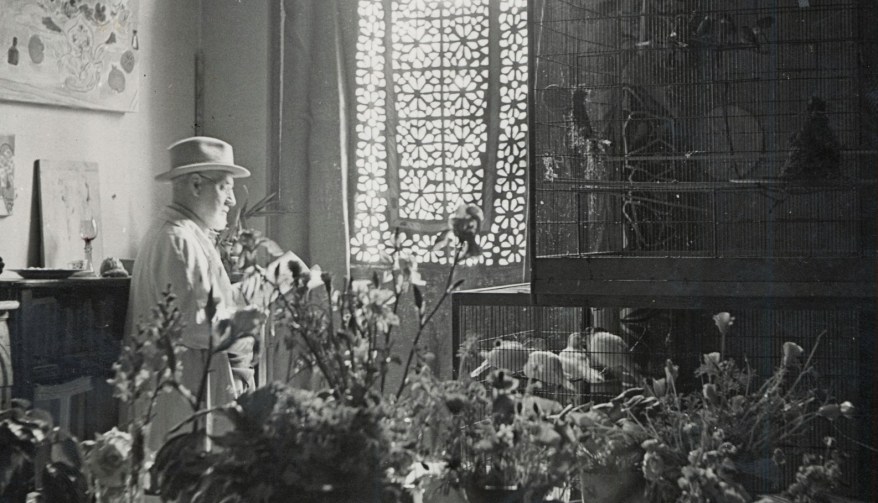
Matisse, il mondo intero dentro una stanza: al MUDEC la mostra che racconta la sua arte
🇮🇹’Matisse. Il mondo in una stanza’ al MUDEC di Milano racconta come Africa, Islam, Russia, Cina e Tahiti cambiarono l’arte di Henri Matisse… 🇬🇧’Matisse: The World in a Room’ at MUDEC in Milan tells the story of how Africa, Islam, Russia, China, and Tahiti transformed the art of Henri Matisse…
Condividi:


Questo sono io




sostienici

Sostienici – Support Us
Se questo blog ti piace e ti appassiona, puoi aiutarci a farlo crescere sempre più sostenendoci in modo concreto condividendo i post, seguendo le pagine social e con un contributo che ci aiuta ad andare avanti con il nostro lavoro di divulgazione. . ENGLISH: If you like and are passionate about this blog, you can help us make it grow more and more by supporting us in a concrete way by sharing posts, following social pages and with a contribution that helps us to move forward with our dissemination work.
€10,00


