
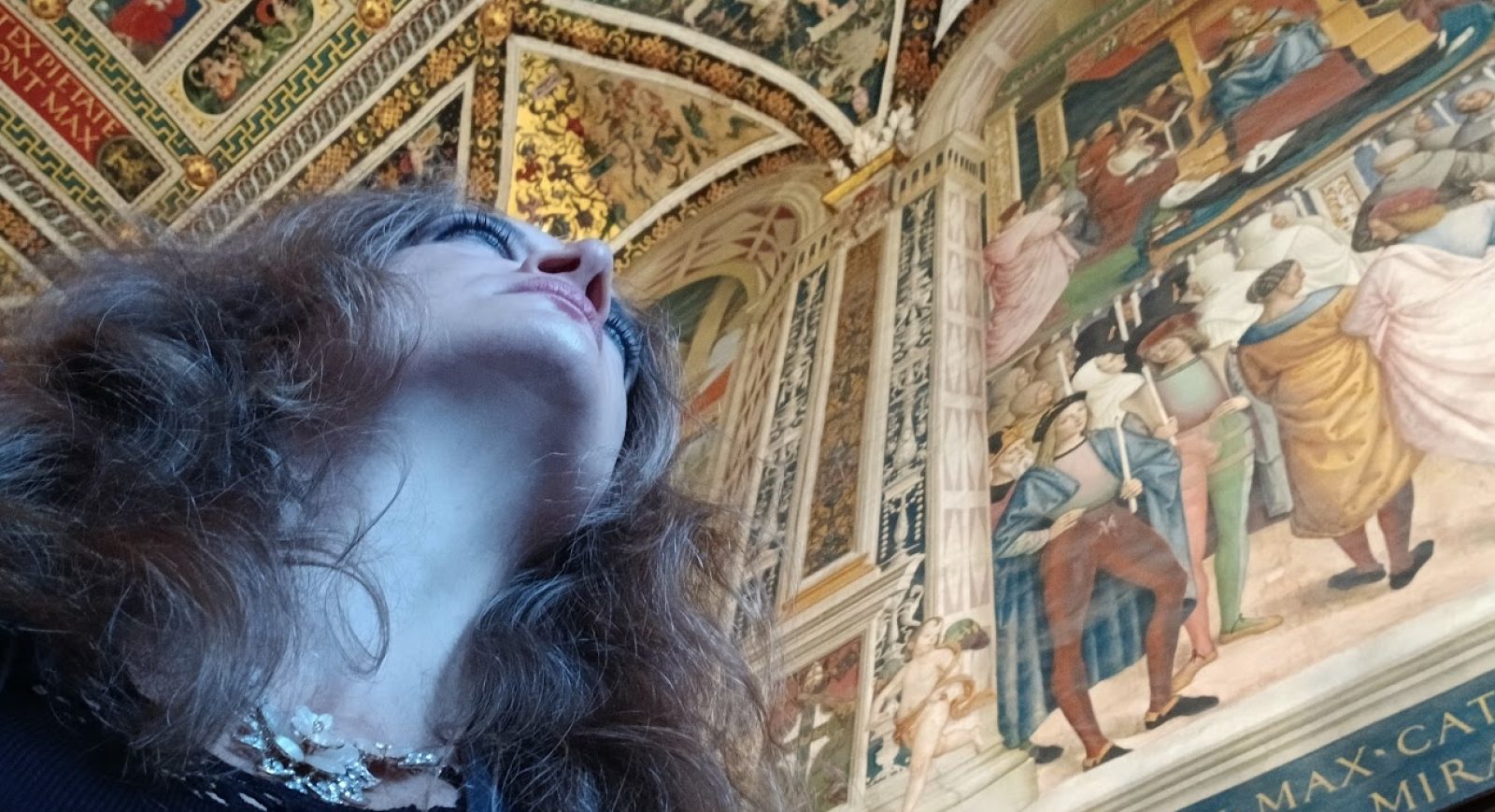
La ferronière, il gioiello dimenticato del Rinascimento che Leonardo rese immortale
La ferronière è un piccolo e prezioso gioiello destinato a impreziosire la fronte delle dame del Rinascimento. Ebbe un ruolo importante nella storia della moda e dell’arte ma oggi sembra quasi essere completamente scomparso dalla memoria collettiva.
Siamo abituati a pensare ai gioielli come collane, anelli, bracciali o orecchini, ma nel Quattrocento e nel Cinquecento anche il capo e l’acconciatura diventavano vere e proprie superfici da decorare.
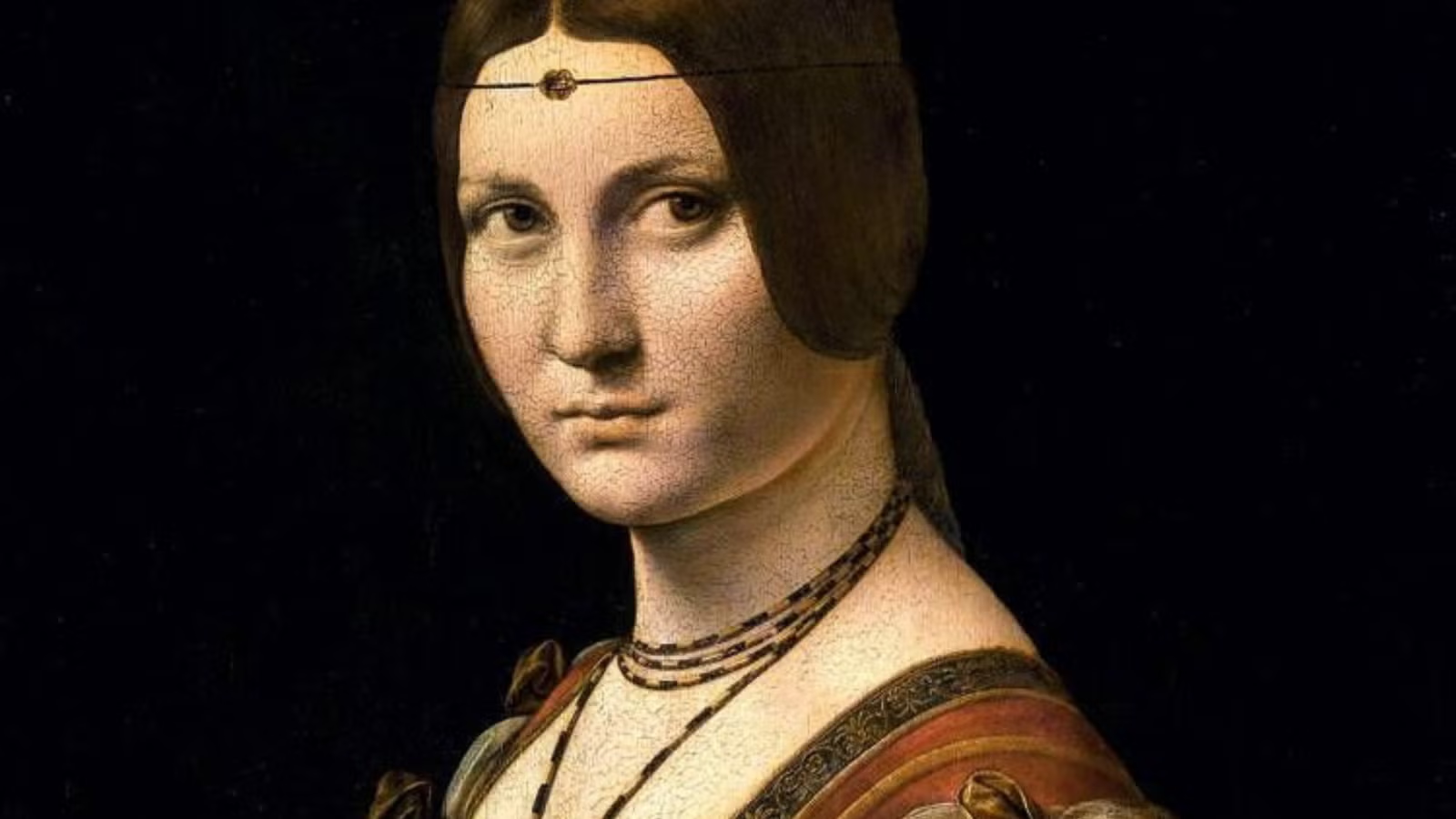
La ferronière apparteneva proprio a questa raffinata tradizione e, con la sua semplicità apparente, riusciva a trasformare il volto femminile in una composizione di straordinaria eleganza.
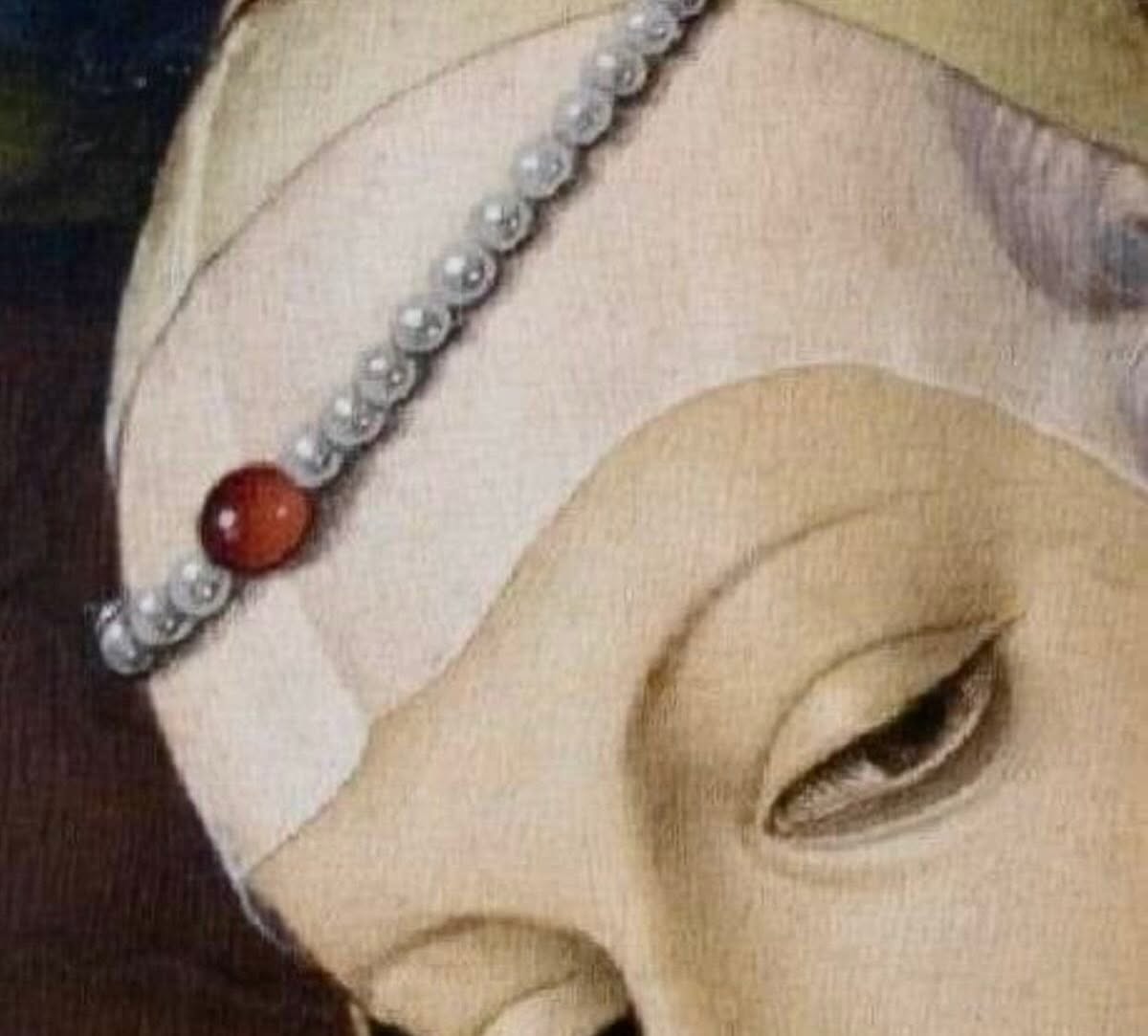
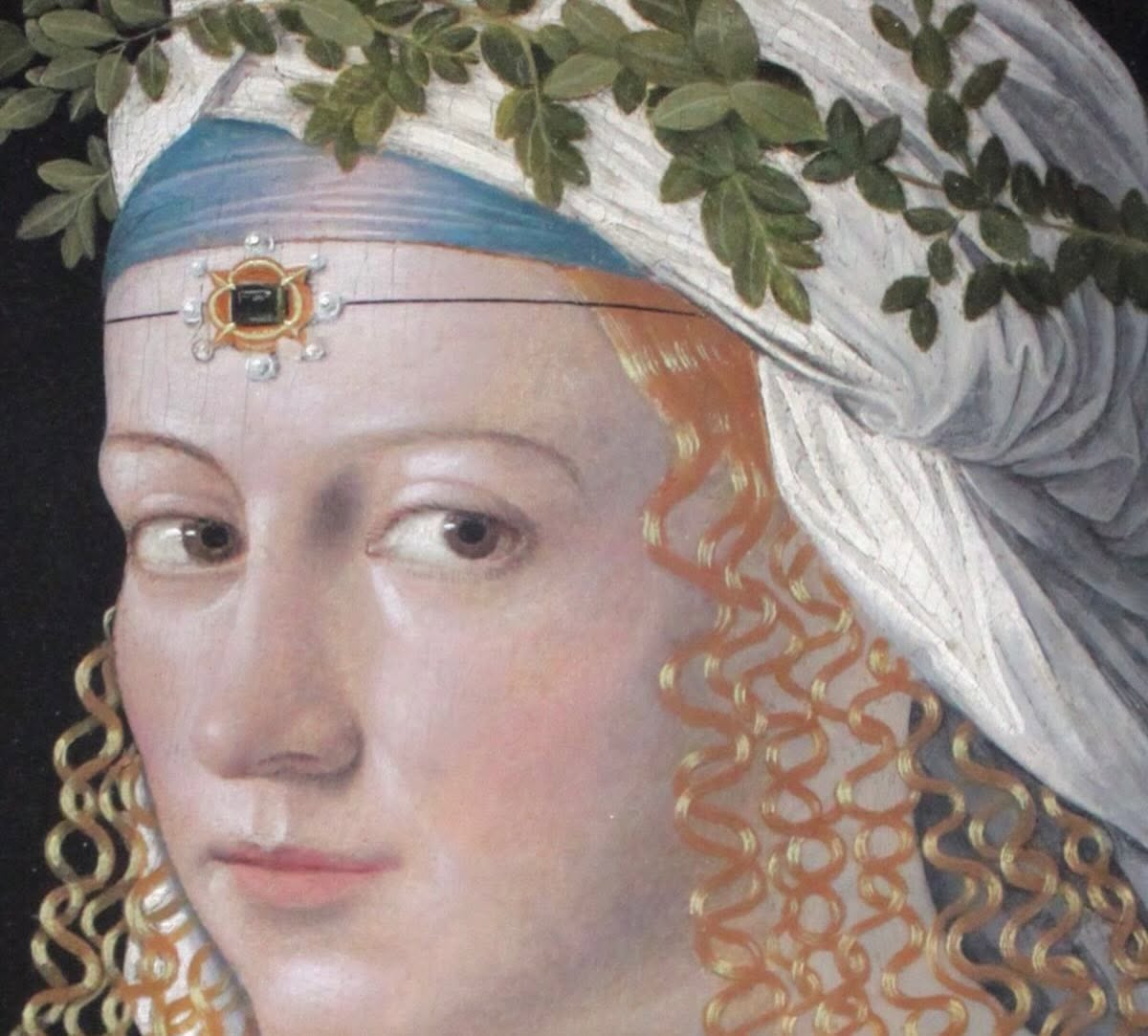
Era generalmente costituita da un sottile cordoncino, una catenella o un nastro che circondava la testa e che veniva fermato sulla fronte. Al centro poteva comparire una pietra preziosa, una gemma oppure un piccolo pendente, spesso destinato a cadere proprio nel mezzo della fronte.
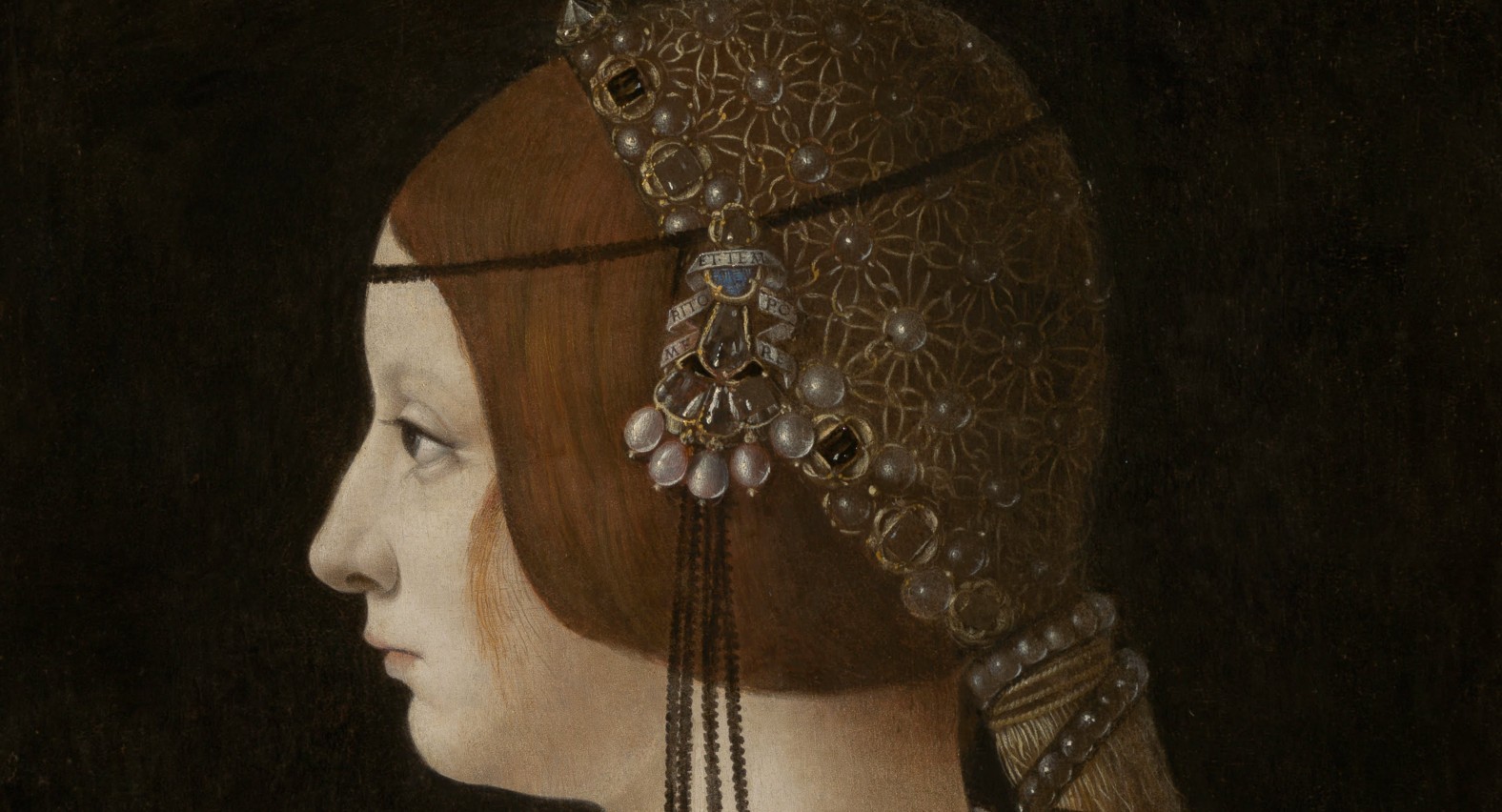
Il gioiello sulla fronte che raccontava ricchezza e raffinatezza
La ferronière rinascimentale era molto di più in un accessorio decorativo. Come accadeva per molti elementi dell’abbigliamento delle corti italiane ed europee, anche questo gioiello comunicava qualcosa di chi lo indossava.
La qualità dei materiali, la presenza di pietre preziose e la ricercatezza dell’ornamento potevano diventare una dichiarazione visibile di ricchezza, raffinatezza e appartenenza a un ambiente sociale elevato.
La fronte, incorniciata dalla ferronière, diventava così parte integrante dell’immagine della dama. Il gioiello seguiva la linea del capo e conduceva lo sguardo verso il volto, creando un equilibrio estremamente raffinato tra acconciatura, abito e ornamenti.
Nel Rinascimento nulla era lasciato davvero al caso. Colori, tessuti, acconciature e gioielli concorrevano alla costruzione dell’immagine pubblica della persona e il ritratto diventava il luogo privilegiato nel quale questa identità poteva essere fissata per sempre.
Ed è proprio attraverso i dipinti che oggi possiamo comprendere quanto fosse importante questo particolare gioiello.
La Belle Ferronnière di Leonardo e l’equivoco nato da un nome
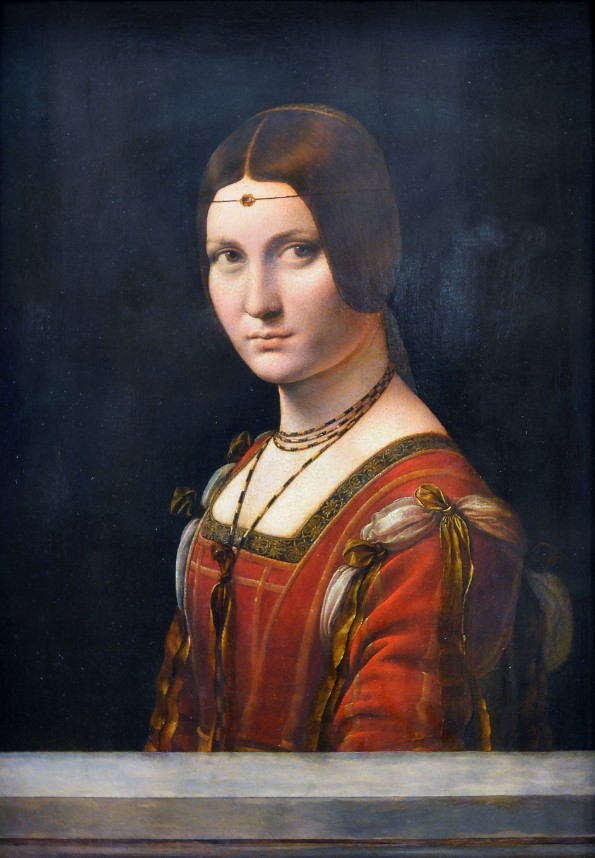
Quando si parla di ferronière, il pensiero corre inevitabilmente a Leonardo da Vinci e alla celeberrima Belle Ferronnière, uno dei ritratti più affascinanti attribuiti al maestro fiorentino.
Il titolo stesso del dipinto ha contribuito per secoli a creare una certa confusione intorno all’identità della donna ritratta. La denominazione Belle Ferronnière è infatti relativamente tarda e venne associata alla presenza del caratteristico ornamento sulla fronte.
Per molto tempo si pensò che la donna potesse essere la moglie di un mercante di ferramenta, da cui sarebbe derivato il nome. Successivamente nacque anche l’ipotesi, oggi non accolta dalla critica, secondo cui la dama sarebbe stata Madame Ferron, indicata addirittura come amante di Francesco I di Francia.
Il fascino del dipinto è stato alimentato proprio da questi equivoci, ma l’identità della donna ritratta resta ancora oggi discussa.
Quello che invece possiamo osservare con certezza è il piccolo gioiello che attraversa la fronte e che ha finito per dare il nome all’intera tipologia.
Perché la ferronière si chiama così?
La storia del termine è molto complessa.
La parola ferronière è stata legata soprattutto al titolo del dipinto di Leonardo e alle interpretazioni sviluppatesi intorno alla presunta identità della modella. Il termine è dunque diventato indissolubilmente associato a quel particolare ornamento frontale.
Il gioiello non nasce con Leonardo e non può essere considerato una sua invenzione. Ornamenti simili erano già presenti nella moda europea e appartenevano a una tradizione molto più ampia di gioielli destinati alla testa.
Secondo alcune ricostruzioni, in Spagna questo tipo di ornamento era conosciuto con il nome di lenza, prima di diffondersi anche in Italia alla fine del Quattrocento.
Il Rinascimento fu infatti un periodo nel quale mode, materiali, invenzioni e stili viaggiavano continuamente tra le diverse corti europee.
Dalla moda delle corti italiane alla Francia rinascimentale
Tra la fine del Quattrocento e il Cinquecento la ferronière entrò nell’immaginario della moda aristocratica europea, trovando particolare fortuna negli ambienti di corte.
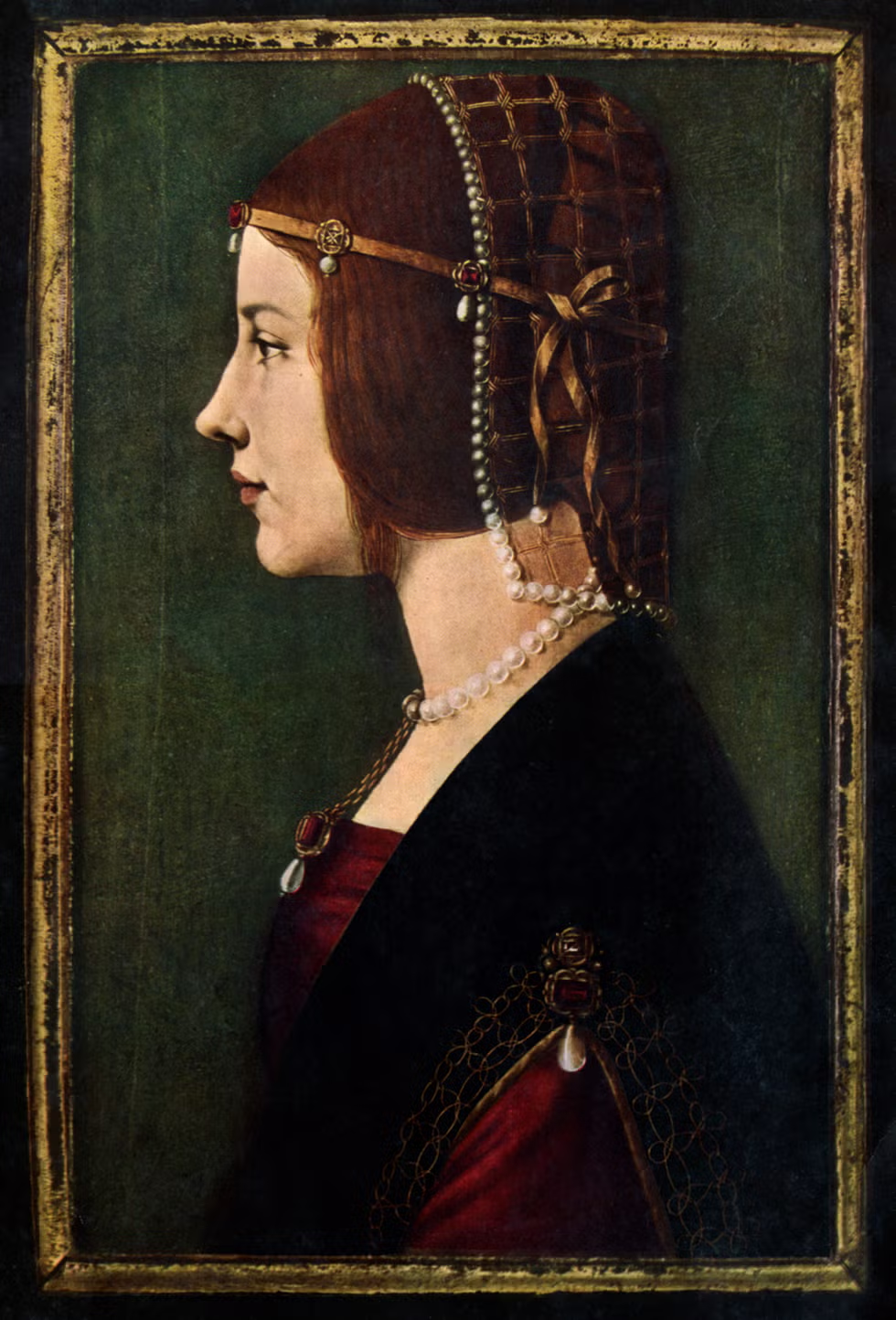
L’Italia rinascimentale, con le sue grandi famiglie e le sue corti, rappresentava uno dei principali laboratori della moda europea. Milano, Firenze, Mantova, Ferrara e Venezia erano luoghi nei quali abiti e gioielli diventavano strumenti fondamentali per rappresentare il prestigio delle famiglie.
Anche la Francia guardava con grande interesse alla cultura italiana. Gli scambi artistici e culturali tra le corti contribuirono alla circolazione di modelli estetici che sarebbero stati reinterpretati secondo gusti differenti.
La ferronière poteva quindi cambiare materiali, dimensioni e decorazioni, ma conservava la sua caratteristica più riconoscibile: quella pietra o quel piccolo ornamento posizionato al centro della fronte.
Un gioiello minuscolo capace di cambiare un volto
La ferronière non è un gioiello appariscente. Non occupa grandi porzioni dell’abito e non domina la figura come potrebbe fare una sontuosa collana. Al contrario, è un elemento discreto che agisce direttamente sul volto.
Una gemma collocata sulla fronte può modificare la percezione dell’intera fisionomia, attirando lo sguardo verso gli occhi e creando una sorta di asse verticale che attraversa il viso.
È un artificio elegantissimo e profondamente rinascimentale, perché unisce moda, geometria, proporzione e bellezza.
Non sorprende quindi che un gioiello tanto piccolo abbia trovato spazio nei ritratti delle dame, dove ogni dettaglio poteva diventare un elemento destinato a comunicare identità, ricchezza e raffinatezza.

La ferronière nei ritratti del Rinascimento
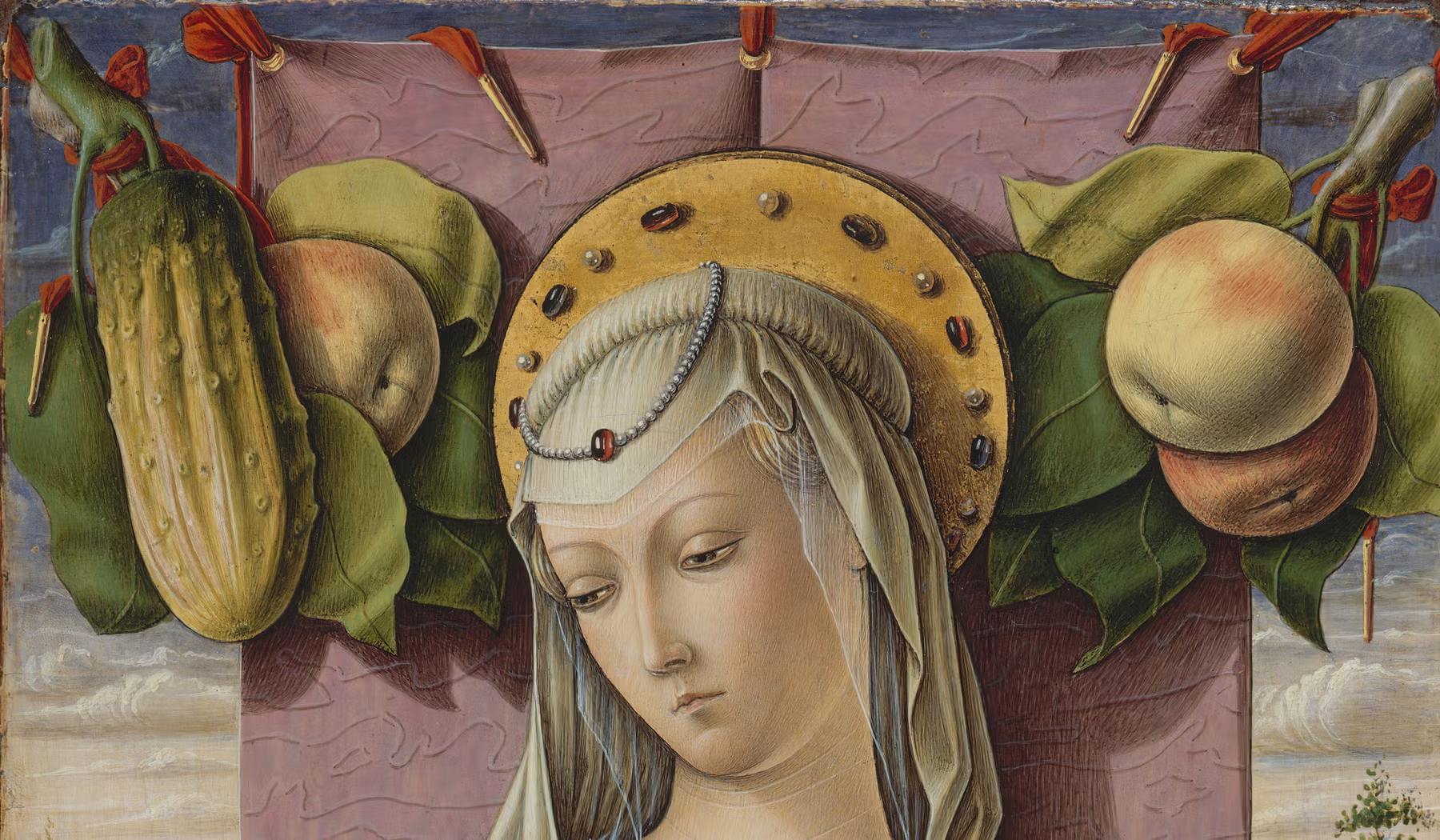
I ritratti rinascimentali sono oggi una delle testimonianze più importanti per ricostruire la storia dell’abbigliamento e della gioielleria dell’epoca.
Le dame raffigurate dai grandi maestri non indossavano semplicemente gioielli perché erano belli. Gli ornamenti potevano avere un valore simbolico, familiare, economico e sociale.
La ferronière si inserisce perfettamente in questo sistema.
La sua posizione sulla fronte la rendeva immediatamente visibile e, nello stesso tempo, permetteva al pittore di inserirla all’interno della complessa architettura del volto. Una gemma poteva catturare la luce, diventare un punto luminoso sulla superficie pittorica e contribuire alla costruzione dell’immagine ideale della dama.
Dal Rinascimento all’Ottocento: quando la ferronière tornò di moda
Come accade spesso nella storia della moda, ciò che sembra definitivamente scomparso può improvvisamente tornare.
Dopo essere progressivamente uscita dall’uso quotidiano, la ferronière conobbe una nuova fortuna nell’Ottocento, quando il gusto romantico sviluppò una vera passione per il Medioevo e il Rinascimento.
Il passato diventava fonte di ispirazione e gli ornamenti storici venivano reinterpretati secondo la sensibilità contemporanea.
Anche la ferronière tornò così a essere indossata, trasformandosi in un gioiello dal carattere romantico e sofisticato. Non era più esattamente l’ornamento delle dame delle corti rinascimentali, ma ne conservava l’immaginario e soprattutto quella particolare posizione sulla fronte che la rende immediatamente riconoscibile.
Un gioiello dimenticato che racconta il Rinascimento
Oggi la ferronière è quasi sconosciuta al grande pubblico. Eppure basta osservare attentamente un ritratto rinascimentale per rendersi conto di quanto anche un piccolo dettaglio possa raccontare una storia straordinaria.
Dietro quella sottile catenella che attraversa la fronte ci sono la moda delle corti, la circolazione dei gusti tra Italia e Francia, il valore delle pietre preziose, il desiderio di apparire e l’idea rinascimentale della bellezza come armonia.
E poi c’è Leonardo. La Belle Ferronnière ha consegnato questo gioiello alla memoria collettiva, anche se lo ha fatto attraverso un nome nato da una serie di equivoci e interpretazioni posteriori.
E così, osservando oggi quella sottile linea che attraversa la fronte della dama di Leonardo, possiamo ancora immaginare il luccichio di una gemma, la luce di una corte rinascimentale e l’eleganza di un mondo nel quale un dettaglio apparentemente insignificante poteva diventare un segno di potere, bellezza e prestigio.
Per il momento il sempre vostro Michelangelo Buonarroti vi saluta dandovi appuntamento ai prossimi post e sui social.
The ferronière, the forgotten Renaissance jewel immortalized by Leonardo
The ferronière is a small, precious jewel designed to adorn the foreheads of Renaissance ladies. It played an important role in the history of fashion and art, but today it seems to have almost completely disappeared from collective memory.
We are accustomed to thinking of jewelry as necklaces, rings, bracelets, or earrings, but in the 15th and 16th centuries, the head and hairstyle also became veritable surfaces to be decorated.
The ferronière belonged to this refined tradition and, with its apparent simplicity, transformed the female face into a composition of extraordinary elegance.
It generally consisted of a thin cord, chain, or ribbon that encircled the head and fastened on the forehead. At the center, a precious stone, a gem, or a small pendant could appear, often designed to fall right in the middle of the forehead.
The forehead jewel that spoke of wealth and refinement
The Renaissance ferronière was much more than a decorative accessory. As with many elements of Italian and European court attire, this jewel also communicated something about the wearer.
The quality of the materials, the presence of precious stones, and the sophistication of the ornamentation could become a visible statement of wealth, refinement, and belonging to a high social class.
The forehead, framed by the ferronière, thus became an integral part of the lady’s image. The jewel followed the line of the head and drew the gaze to the face, creating an extremely refined balance between hairstyle, dress, and ornamentation.
In the Renaissance, nothing was truly left to chance. Colors, fabrics, hairstyles, and jewelry contributed to the construction of a person’s public image, and the portrait became the privileged place where this identity could be forever fixed.
And it is precisely through paintings that today we can understand the importance of this particular jewel.
Leonardo’s Belle Ferronnière and the Misunderstanding Born of a Name
When we talk about ferronières, our thoughts inevitably turn to Leonardo da Vinci and the celebrated Belle Ferronnière, one of the most fascinating portraits attributed to the Florentine master.
The painting’s title itself has contributed to centuries of confusion surrounding the identity of the woman portrayed. The name Belle Ferronnière is a relatively late invention and was associated with the presence of the characteristic ornament on her forehead.
For a long time, it was thought that the woman might be the wife of a hardware merchant, hence the name. Later, the hypothesis arose, now rejected by critics, that the lady was Madame Ferron, even identified as the mistress of Francis I of France.
The painting’s allure was fueled precisely by these misunderstandings, but the identity of the woman portrayed remains controversial to this day.
What we can certainly observe, however, is the small jewel crossing the forehead, which has come to give its name to the entire type.
Why is the ferronière called that?
The history of the term is very complex.
The word ferronière has been linked primarily to the title of Leonardo’s painting and to the interpretations that have developed around the supposed identity of the model. The term has thus become inextricably linked to that particular forehead ornament.
The jewel did not originate with Leonardo and cannot be considered his invention. Similar ornaments were already present in European fashion and belonged to a much broader tradition of head jewelry.
According to some accounts, in Spain this type of ornament was known as lenza, before spreading to Italy at the end of the 15th century.
The Renaissance was, in fact, a period in which fashions, materials, inventions, and styles constantly traveled between the different European courts.
From the fashion of the Italian courts to Renaissance France
Between the late 15th and 16th centuries, the ferronière entered the imagination of European aristocratic fashion, finding particular popularity in court circles.
Renaissance Italy, with its great families and courts, was one of the main laboratories of European fashion. Milan, Florence, Mantua, Ferrara, and Venice were places where clothing and jewelry became essential tools for representing the prestige of families.
France also looked with great interest to Italian culture. Artistic and cultural exchanges between the courts contributed to the circulation of aesthetic models that would be reinterpreted according to different tastes.
The ferronière could therefore vary in materials, size, and decoration, but retained its most recognizable feature: that stone or small ornament placed in the center of the forehead.
A tiny jewel capable of changing a face
The ferronière is not a flashy piece of jewelry. It does not occupy large portions of the dress and does not dominate the figure like a sumptuous necklace. Instead, it is a discreet element that acts directly on the face.
A gem placed on the forehead can alter the perception of the entire physiognomy, drawing the gaze toward the eyes and creating a sort of vertical axis running across the face.
It is an extremely elegant and profoundly Renaissance device, combining fashion, geometry, proportion, and beauty.
It is therefore not surprising that such a small jewel found its way into portraits of ladies, where every detail could become an element intended to convey identity, wealth, and refinement.
The ferronière in Renaissance portraits
Renaissance portraits are today one of the most important testimonies for reconstructing the history of clothing and jewelry of the period.
The ladies depicted by the great masters did not simply wear jewelry because it was beautiful. Ornaments could have symbolic, familial, economic, and social significance.
The ferronière fits perfectly into this system.
Its position on the forehead made it immediately visible and, at the same time, allowed the painter to insert it into the complex architecture of the face. A gem could capture the light, become a luminous point on the painted surface, and contribute to the construction of the ideal image of the lady.
From the Renaissance to the 19th Century: When the Ferronière Came Back into Fashion
As often happens in the history of fashion, what seems definitively gone can suddenly return.
After gradually fading from everyday use, the ferronière enjoyed a new lease of life in the 19th century, when Romantic taste developed a true passion for the Middle Ages and the Renaissance.
The past became a source of inspiration, and historical ornaments were reinterpreted according to contemporary sensibilities.
The ferronière thus returned to fashion, transforming into a piece of jewelry with a romantic and sophisticated character. It was no longer strictly the adornment of the ladies of the Renaissance courts, but it retained its imagery and, above all, that distinctive position on the forehead that makes it immediately recognizable.
A forgotten jewel that tells the story of the Renaissance
Today, the ferronière is almost unknown to the general public. Yet, a careful look at a Renaissance portrait is enough to realize how even a small detail can tell an extraordinary story.
Behind that thin chain crossing the forehead lies the fashions of the courts, the exchange of tastes between Italy and France, the value of precious stones, the desire to be noticed, and the Renaissance idea of beauty as harmony.
And then there’s Leonardo. La Belle Ferronnière has consigned this jewel to the collective memory, even if he did so through a name born from a series of misunderstandings and later interpretations.
And so, observing today that thin line crossing the forehead of Leonardo’s lady, we can still imagine the sparkle of a gem, the light of a Renaissance court, and the elegance of a world in which a seemingly insignificant detail could become a sign of power, beauty, and prestige.
For now, yours truly, Michelangelo Buonarroti bids farewell and says he’ll see you in future posts and on social media.

Sostienici – Support Us
Se questo blog ti piace e ti appassiona, puoi aiutarci a farlo crescere sempre più sostenendoci in modo concreto condividendo i post, seguendo le pagine social e con un contributo che ci aiuta ad andare avanti con il nostro lavoro di divulgazione. . ENGLISH: If you like and are passionate about this blog, you can help us make it grow more and more by supporting us in a concrete way by sharing posts, following social pages and with a contribution that helps us to move forward with our dissemination work.
10,00 €
-
Facevo paura anche ai papi
🇮🇹Facevo paura persino ai papi. Non sono mai stato famoso per la diplomazia. Avevo un carattere difficile, poca pazienza e nessuna voglia di compiacere i potenti… 🇬🇧I struck fear even into popes. I was never known for diplomacy. I had a difficult temperament, little patience, and no desire to curry favor with the powerful…
-
Pontormo a Roma: apre oggi la grande mostra alle Scuderie del Quirinale
🇮🇹Apre oggi a Roma la mostra di Pontormo: oltre 130 opere, la celebre Visitazione, dipinti, disegni e prestiti internazionali alle Scuderie del Quirinale… 🇬🇧A Pontormo exhibition opens today in Rome at the Scuderie del Quirinale, featuring over 130 works—including the famous *Visitation*—as well as paintings, drawings, and international loans…
-
Si è spento Gian Paolo Giovannetti, il pittore delle Apuane, dei cavatori e delle volpi
🇮🇹È morto Gian Paolo Giovannetti, pittore e scultore di Giustagnana. Il ricordo di un artista che ha raccontato Apuane, cavatori, volpi e Alta Versilia… 🇬🇧Gian Paolo Giovannetti, a painter and sculptor from Giustagnana, has passed away. A tribute to an artist who chronicled the Apuan Alps, quarrymen, foxes, and Alta Versilia…
Condividi:


Questo sono io




sostienici

Sostienici – Support Us
Se questo blog ti piace e ti appassiona, puoi aiutarci a farlo crescere sempre più sostenendoci in modo concreto condividendo i post, seguendo le pagine social e con un contributo che ci aiuta ad andare avanti con il nostro lavoro di divulgazione. . ENGLISH: If you like and are passionate about this blog, you can help us make it grow more and more by supporting us in a concrete way by sharing posts, following social pages and with a contribution that helps us to move forward with our dissemination work.
€10,00


